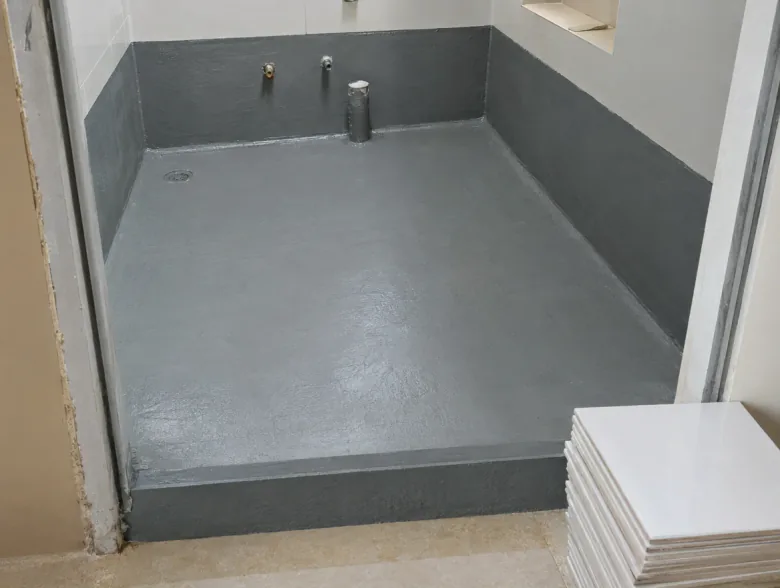
What bathroom waterproofing before tiling includes
- Checking the base, floor and walls and confirming they are free of cracks and loose areas
- Treating cracks and loose areas and levelling the surface before anything is applied
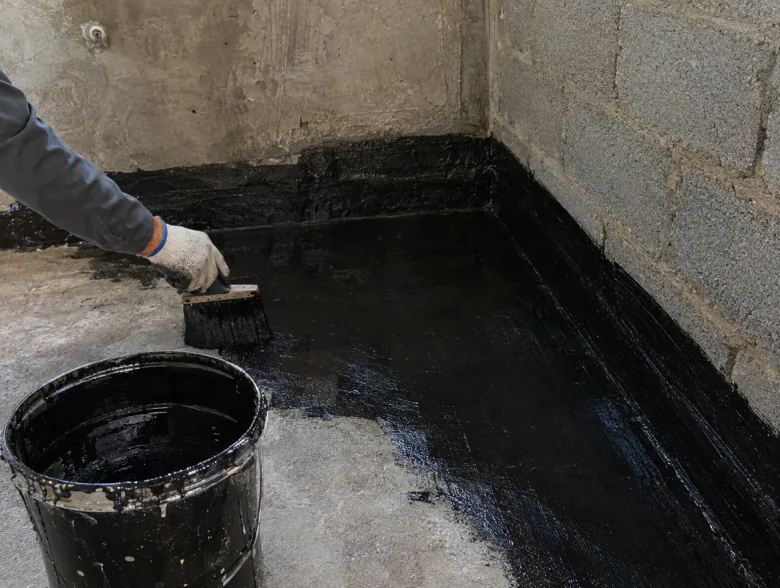
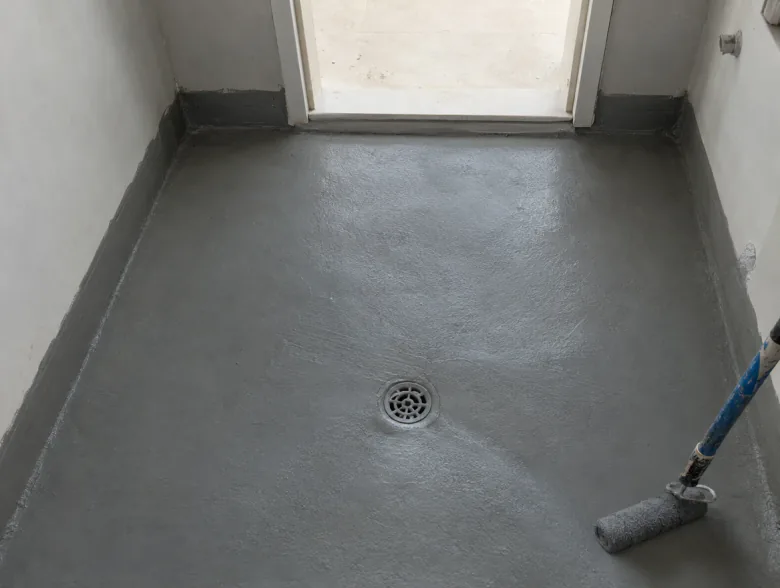
- Applying the waterproof layer to the full bathroom floor with attention to the slope towards the drain
- Waterproofing the wet-area walls to the required height, with focus on the areas most exposed to water
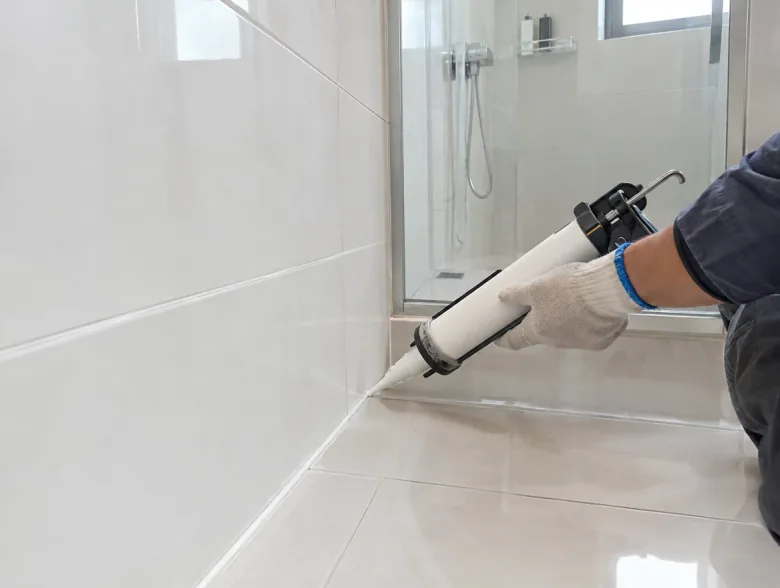
- Carefully treating internal corners, parapet edges and the junction between the floor and the walls
- Covering pipe openings and drain outlets within the layer to prevent water from entering at those points
From your call to the finished layer
- 1
Tell us the situation
Call or message us on WhatsApp and tell us the base is ready and when the tiler is due, so we know what the inspection and application will need.
- 2
Preparing and checking the surface
Before anything is applied, the base is checked, cleaned and any cracks or loose areas are treated, because a waterproof layer cannot compensate for a cracked base.
- 3
Applying the waterproof layer
The layer is applied to the bathroom floor and up the walls to the required height, with special treatment at internal corners, edges and around the pipe and drain openings.
- 4
Protection until the tiler arrives
After application the layer is left to set before tiling begins; the treated surface should not be walked on or loaded until that stage is complete.
Relax, the waterproofing comes before the tiles
- We apply the layer before tiling at the right time
- We treat corners, edges and pipe openings
- We check the base before applying anything
- We take your request by phone call or WhatsApp message
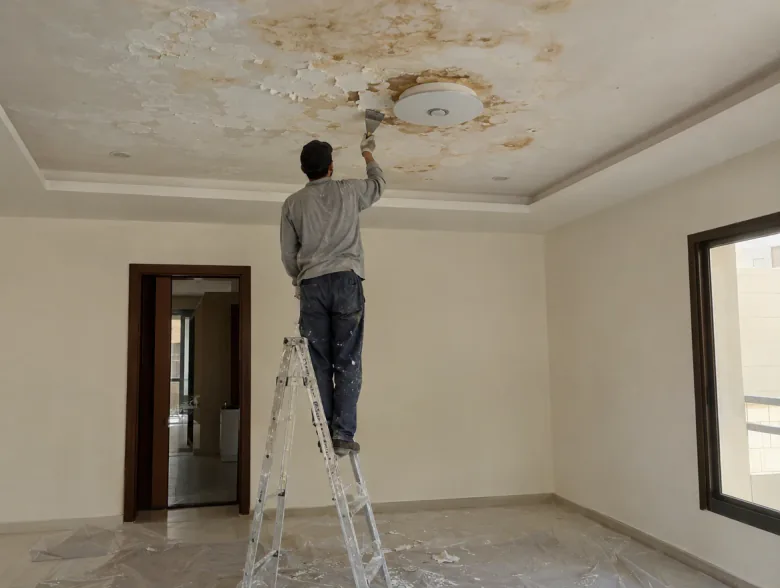
- The layer protects the concrete slab and the ceiling below
The service in Ash Shuqayq
In a district like Ash Shuqayq, dense housing and adjoining bathrooms mean moisture problems may spread between homes through shared foundations or saturated soil. The first check focuses on: is the floor stable and free of deep cracks, are there damp or salt stains on lower walls, is the bathroom air already damp before work starts? The surface is then thoroughly cleaned and bitumen or epoxy waterproofing applied to the entire floor, walls and joints around pipes and drains. Precision in application reduces the chance of waterproofing failure later.
Ash Shuqayq is a district in Al-Ahsa governorate in the Eastern Province, close to Al Mutayrifi, Al Qurayn and Julayjilah.
In densely built districts, the initial check asks about the history of dampness in the bathroom and neighbouring homes, because saturated soil under the neighbourhood may affect waterproofing.
Our portfolio















What our customers say
- ★★★★★
شغلهم نظيف وسريعين ومحترمين الله يعطيهم العافيه
- ★★★★★
شغلهم كويس وناس ممتازه في اسرع وقت
- ★★★★★
شركة ممتازة تستحق التعامل معها بشكل مستمر
Reviews are shown as the customers wrote them, in Arabic.
Questions about Bathroom waterproofing before tiling in Ash Shuqayq
At a corner two surfaces meet at a right angle, and this joint is subject to slight movement as materials expand and contract. The cement bed alone does not close this joint well enough, and it stays an open path for water. The waterproof layer covers the joint and fills the corner before any tile is laid.
No. Water-resistant tiling materials slow water down but do not stop it completely, especially at the joints between tiles. Water that reaches the cement bed under the tiles builds up and leaks into the concrete slab and from there to the ceiling below. A dedicated waterproof layer under the tiles is the real barrier.
The floor carries standing water and faces constant pressure, so it needs a full waterproof layer with attention to the slope towards the drain. The walls face spray and splashed water, and it is usually enough to waterproof them to a height that covers the shower or basin area, with focus on the lower corners and pipe openings.
Because any work done after application, such as drilling an opening or fixing a pipe, breaks through the layer and destroys its continuity. All openings and pipes must be in their final position and the base must be level and dry before the waterproofing is applied; tiling then follows as the very next step.
Tell us the size of the bathroom, whether the base and surfaces are ready or if work is still ongoing, and when the tiler is expected. If there are cracks or pipe openings not yet treated, let us know. These details help us decide what needs attention before the layer is applied.
Bathroom waterproofing protects from internal water and steam. But if moisture is rising from damp soil around the house, additional external treatment may be needed. The first inspection will determine that.
Make sure the floor is stable and levelled, and any old tiles have been completely removed from the walls. Tell Al Raya if there has been a history of dampness in this bathroom or the home generally.
More services in Ash Shuqayq