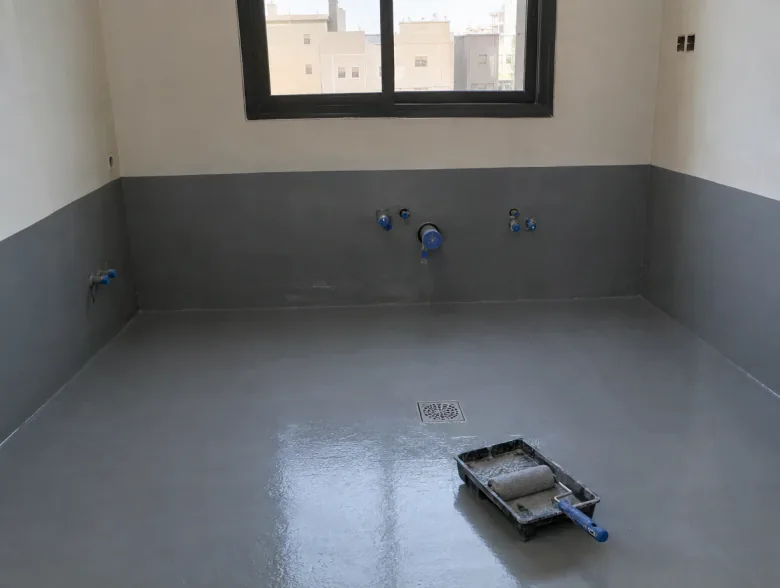
Kitchen waterproofing in Al Salmaniyah First District
In Al Salmaniyah First District, damp appears on kitchen and bathroom walls because the waterproof layer under the tiles is damaged. Al Raya treats the leak by removing the tiles, repairing the base layer and restoring the waterproof seal before rebuilding.
What kitchen waterproofing includes
- Checking the kitchen floor and corners to find spots that have lost their waterproof layer
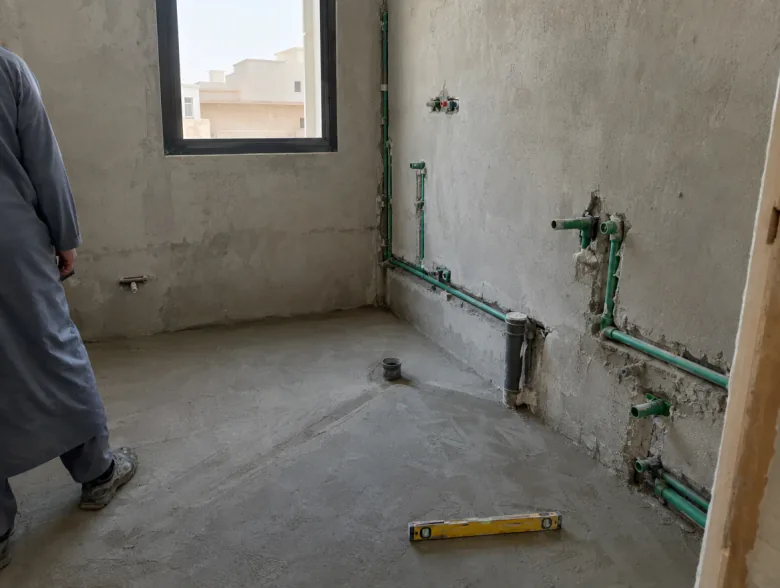
- Preparing the surface and removing anything that prevents the new layer from bonding
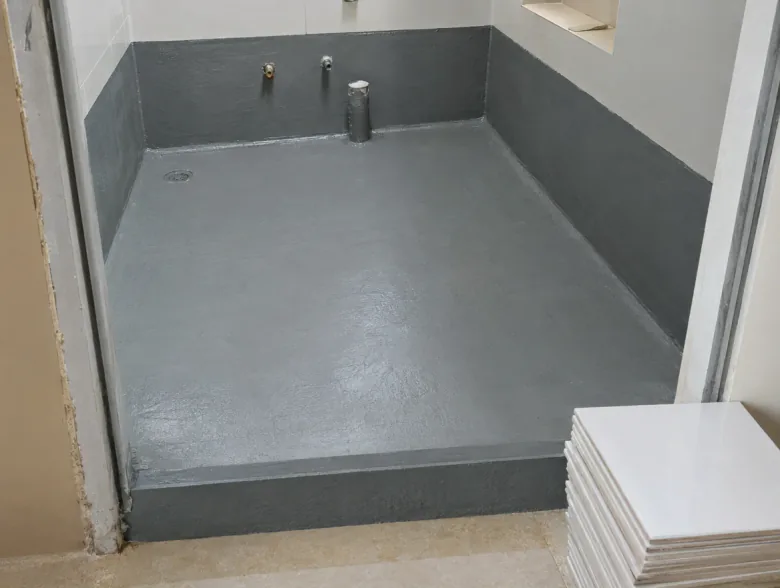
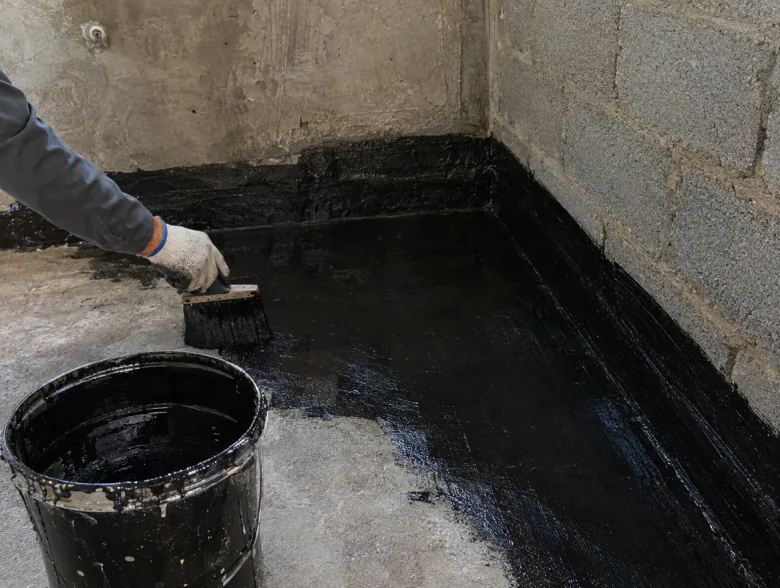
- Waterproofing the kitchen floor with a continuous layer that runs from wall to wall
- Treating the wall-floor corners with a flexible material that resists cracking
- Sealing the drain opening and the area around it so it is not a point of entry for water
- Waterproofing the wall behind and around the sink from the base up to the right height
From your call to a sealed kitchen
- 1
Tell us what you see
Call or message us on WhatsApp and describe where the damp is and whether it shows after use or all the time.
- 2
We check the wet areas
We check the floor, the sink corners, the drains and the adjacent wall to find which spots have lost their waterproof layer or never had one.
- 3
We prepare and waterproof
Preparation comes before the waterproofing: the surface is cleaned and anything that weakens adhesion is removed, then the floor, corners and wall are covered with a continuous layer using a material that suits the area.
- 4
Drain and corners last
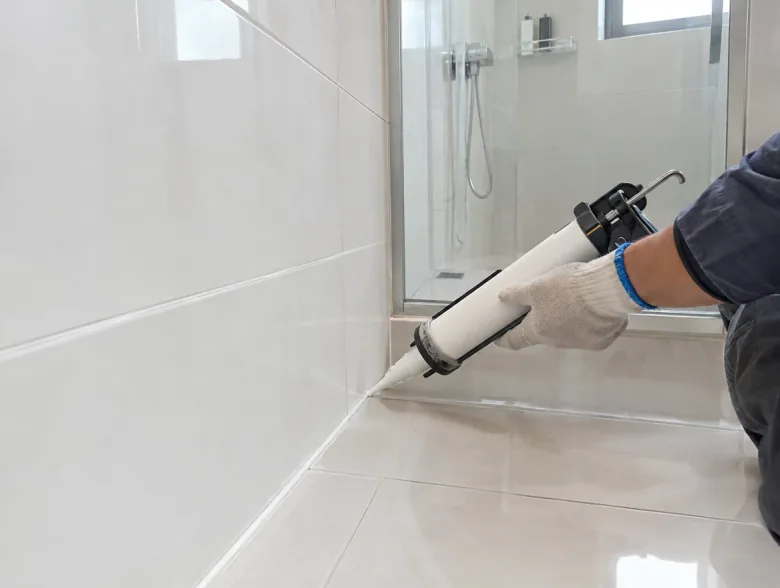
The drain opening and the wall-floor corners need special attention at the end, because any gap there makes the rest of the layer ineffective.
Water moves down and must be stopped at the source
- We cover the kitchen floor, its corners and drains completely
- We waterproof the wall behind and around the sink with a continuous layer
- We make sure the drain opening is sealed before the work is done
- We take your request by phone call or WhatsApp message
- The cost depends on the case and the area to be waterproofed
The service in Al Salmaniyah First District
In homes across the district, kitchens and bathrooms are often tight spaces with walls exposed to constant moisture. Damp stains usually show on the bathroom wall or the ceiling below it before the owner notices water in the kitchen itself. The waterproof layer under the tiles is the first barrier against this, and if it cracks or breaks, water enters the wall and foundation. The team checks walls, floors and joints, then removes the necessary tiles and repairs the base layer with epoxy or bitumen according to what the first inspection shows.
Al Salmaniyah First District is a residential district in Al-Ahsa governorate in the Eastern Province, close to Al Muhammadiyah District, Al Salmaniyah Second District and Ayn Najm District.
Water usually enters at the kitchen floor level or around pipes, so these areas are checked closely before the joints are restored.
Our portfolio















What our customers say
- ★★★★★
شغلهم كويس وناس ممتازه في اسرع وقت
- ★★★★★
شركه ممتازه واشتغلنا معاهم اكثر من مره وجود عاليه ما شاء الله بارك الله فيهم واعمله
- ★★★★★
شكرا على التواصل وصلو في اسرع وقت ممكن
Reviews are shown as the customers wrote them, in Arabic.
Questions about Kitchen waterproofing in Al Salmaniyah First District
The principle is the same but the kitchen has different wet areas: the sink and what surrounds it, appliance connections and a floor that may not be designed to drain water as readily. That changes which areas need most attention and how each one is treated.
Damp appears on the ceiling below or on the next wall after water has built up in the layers for some time. No stain does not mean no leak. Waterproofing before damage shows reduces what needs repair later.
It depends on the floor's condition and whether tiles are already down. Epoxy suits hard surfaces that need a tough rigid coat, while corners and joints are often treated with a flexible material that tolerates movement. We decide what is right after inspection.
If the tiles are solid, well stuck and without cracks, the joints, corners and drain can be treated without lifting them. But if the original layer under the tiles has failed, lifting the tiles to reach the surface is necessary for a real result.
Tell us where the damp appears, whether on the ceiling of a room below the kitchen or on the wall next to it, and whether the kitchen is on an upper floor. Then tell us whether the tiles are old or new and whether you have noticed cracks in the grout or corners. The more precisely you describe what you see, the more accurately we can identify where to begin.
Tell them where the stains started, whether on an outer or inner wall, and whether under a cabinet or around the sink, and send a photo of the damp area. This helps them understand where the leak is in the base layer.
The stain usually means water broke through the waterproof layer under the bathroom or kitchen tiles above, then leaked into the wall and the bathroom ceiling below. The first inspection determines whether the leak is from the kitchen floor, the wall or the pipes.
More services in Al Salmaniyah First District
Kitchen waterproofing in nearby areas
