What external wall crack repair includes
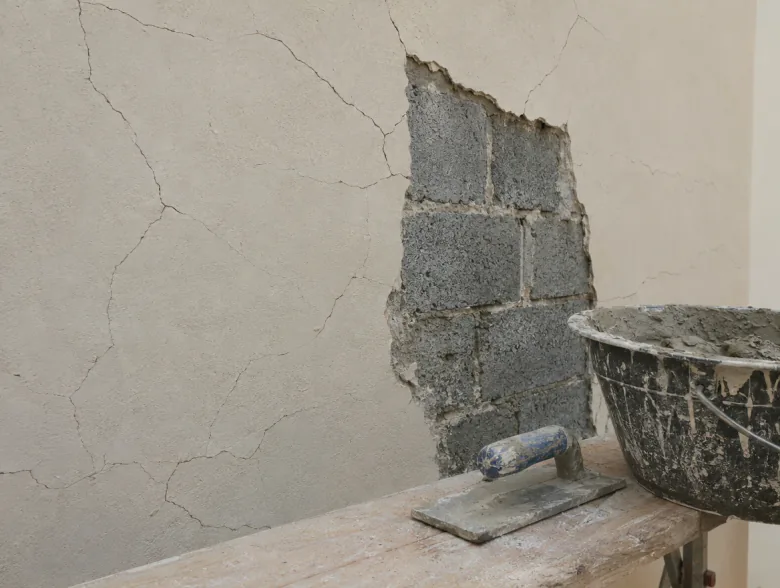
- Checking the crack on the exterior facade to determine its depth and extent
- Deciding whether the crack is in the finish layer only or in the material behind it
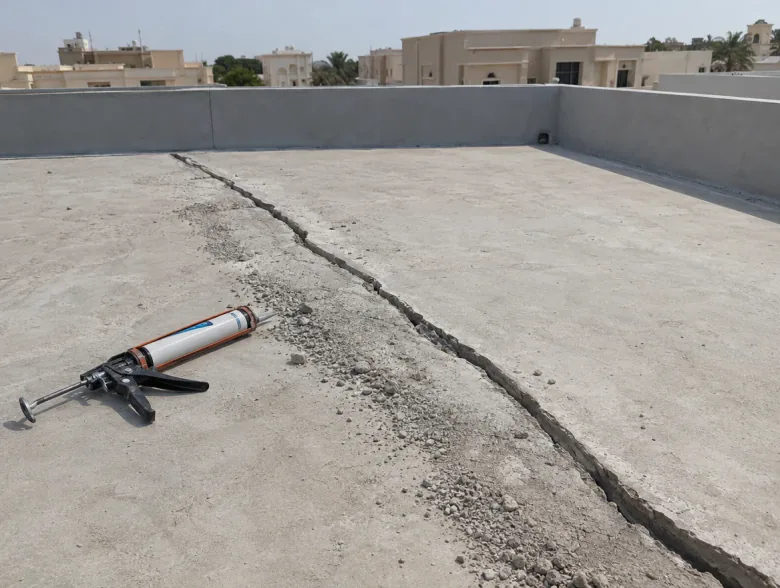
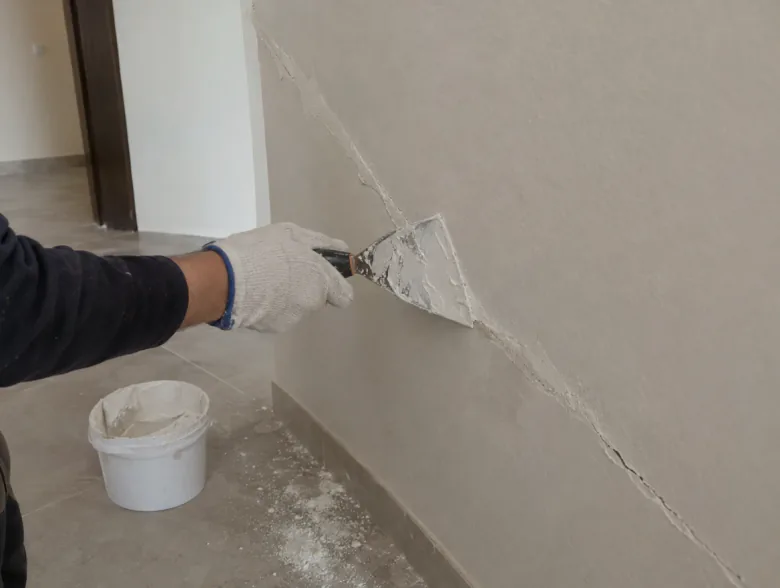
- Preparing the crack by opening it up and cleaning it before the filler goes in
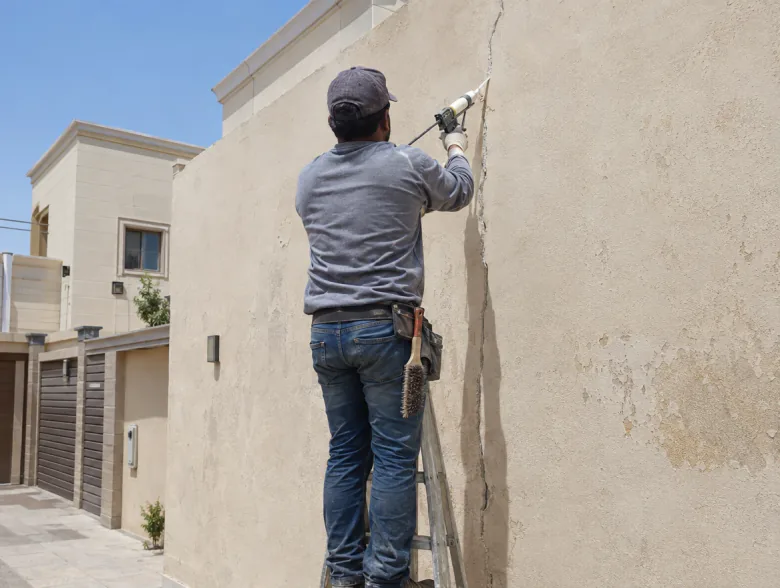
- Filling the crack with a material suited to the wall type and outdoor exposure
- Restoring the exterior finish layer over the treated area
- Checking the area around the crack for damp or damage that has reached inside
From your call to a sealed wall
- 1
Describe what you see
Call or message us on WhatsApp and tell us where the crack is on the outside wall, and whether damp is showing inside.
- 2
Inspecting the crack and its depth
The crack is checked to see whether it is in the finish layer alone or in the material behind it, because each case has its own treatment.
- 3
Preparing and treating the crack
The crack is opened and cleaned before the right material is filled in. The surface needs good preparation so the filler bonds and does not separate with the first movement.
- 4
Restoring the finish layer
After the crack is treated, the exterior finish layer is restored to protect the inner material from rain and sun and close any path for damp.
An outside wall can be properly repaired
- We inspect the crack depth before choosing a treatment
- We take your request by phone call or WhatsApp message
- Surface preparation is a core part of the job, not an extra
- We restore the finish layer after treating the crack
- We tell you what we see and what needs treatment
The service in Al Kilabiyah
External walls of homes in a town like Al Kilabiyah face constant pressure from salt in the air, soil and groundwater, and from the sharp swings between day heat and night cold. These stresses open cracks, especially at corners and joints between walls, floors and ceilings, and around water and drainage openings. Each crack is a direct path for water and damp deep into the structure, and for salt that eats the building from inside. The crack is inspected first to understand its cause and extent, then cleaned thoroughly, filled with water-blocking material, and the outer protection restored. The first check shows whether the crack points to another structural problem.
Al Kilabiyah is a town in Al-Ahsa governorate in the Eastern Province.
Vertical and diagonal cracks in external walls most often appear first at corners and joints where pressure builds.
Our portfolio















What our customers say
- ★★★★★
ممتاز والخدمة ان شاء الله تكون قد التوقعات
- ★★★★★
شركه ممتاز شغلهم كويس ويعطيهم العافيه
- ★★★★★
شكراً لخدمتك الجميلة
Reviews are shown as the customers wrote them, in Arabic.
Questions about External wall crack repair in Al Kilabiyah
Not every crack lets water in straight away, but an outside wall is constantly exposed to rain and damp, so any crack opens a potential path if water gathers on it. A hairline crack can stay harmless for a time, but it widens with heat movement and becomes a problem if it is not treated.
An outside wall faces a large temperature difference between day and night. This repeated expansion and contraction presses on the crack edges from inside and widens it gradually. Water that enters the crack and dries also leaves salts that push the material apart.
In most cases yes. The treatment works from the outside and covers the crack and the finish layer. The inside wall is checked to see whether damp has already reached it. If damp has come through, that part may need separate treatment.
Paint is sometimes applied over a crack that was not treated or over a surface that was not properly prepared. When the first heat wave comes the crack beneath it expands and the lines reappear. Paint protects a sound surface but it does not replace treating the crack itself and does not stop damp if the crack is still there.
Call when you notice damp inside the room beside the wall, when the crack is accompanied by peeling exterior paint, or when you see it widening from one season to the next. Waiting allows water to soak into the material and increases the area that needs treatment later.
A salt stain shows that water and salt are entering the wall through the crack. The crack must be treated to stop water entry, or damp and stains will spread further. The location is inspected to see how far salt has penetrated the structure.
Say which side of your home the crack is on, its length and width, whether you see damp or salt beside it, and whether the crack is old or new if you recall, and send a clear photo on WhatsApp.