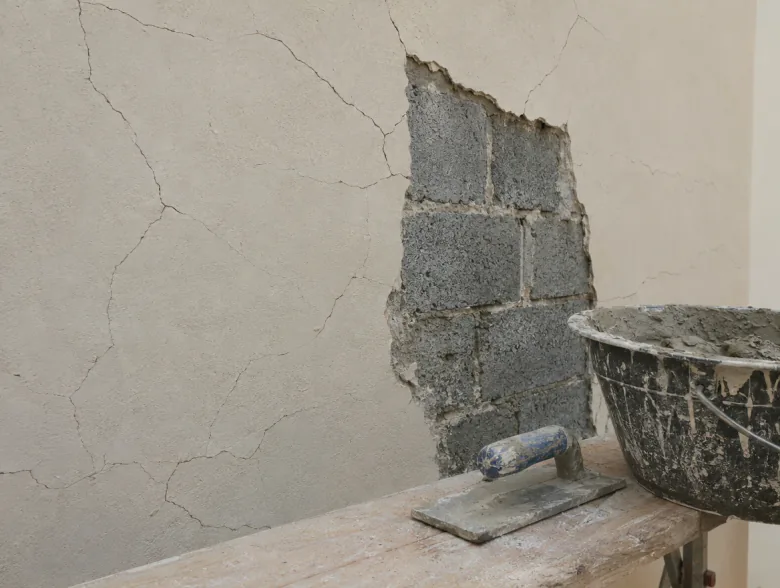
Plaster crack repair in Az Zahrah District
Plaster crack repair in Az Zahrah District requires inspection of the area around the crack to understand its cause before repair. Al Raya cleans and fills cracks with suitable materials for plaster, and treats any weakness in the base wall if present.
What plaster crack repair includes
- Checking the plaster layer by tapping and direct inspection to find hollow sections and areas that have separated
- Identifying why it cracked: drying too fast, the mix ratio or poor bonding to the surface behind it
- Removing the hollow and cracked plaster and cleaning the base surface ready for repair
- Re-plastering the treated areas to suit the wall type and the required finish
- Treating fine surface cracks where the layer behind them is sound and properly bonded
- Answering your questions about plaster crack repair before the work starts
From your call to a sound wall
- 1
Describe what you see
Call or message us on WhatsApp, and tell us where the cracks are, what they look like, and whether the wall sounds hollow when you tap it.
- 2
Inspect and diagnose the layer
We check the plaster by tapping and direct inspection to find where the layer is hollow or has separated from the surface behind it, and to identify the cause of the cracking.
- 3
Remove the weak areas
The damaged and hollow plaster is cut out fully until the base surface is exposed, because filling cracks over a loose layer does not hold the finish.
- 4
Re-plaster onto the prepared surface
After the surface is ready, the treated areas are re-plastered to suit the wall type and the required finish so they blend with the surrounding surface.
The wall becomes sound again
- We tell a plaster crack from a crack in the wall behind it
- We find hidden hollow sections by direct inspection
- We remove the weak layer before any repair
- We re-plaster onto a properly prepared surface
- We take your request by phone call or WhatsApp message
The service in Az Zahrah District
Walls in a district like Az Zahrah may show plaster cracks due to damp changes or wall movement. In Al-Ahsa, where salts and damp are common in soil, lower wall layers often face damage that first shows in the plaster. The first check focuses on three points: where did the crack start and is it spreading? Is the plaster pulling away from the wall? Are there damp marks or white salt signs? After close inspection, damaged plaster is removed and repaired.
Az Zahrah District is a residential district in Al-Ahsa governorate in the Eastern Province, close to Al Jamiyin District, Al Iskan 1st District and Al Hamra 1st District.
Vertical and horizontal cracks differ in cause: vertical cracks often come from wall movement, horizontal cracks usually from damp pressure from below.
Our portfolio















What our customers say
- ★★★★★
شركه ممتاز شغلهم كويس ويعطيهم العافيه
- ★★★★★
شغلهم كويس وناس ممتازه في اسرع وقت
- ★★★★★
شغلهم ميه ميه يشكرو عليه
Reviews are shown as the customers wrote them, in Arabic.
Questions about Plaster crack repair in Az Zahrah District
A network of fine surface cracks that looks like a map usually stays in the plaster layer alone. A single wide crack that extends and widens over time often reaches the wall behind it. Tapping with a knuckle helps: a hollow sound means the layer has separated from what is behind it.
The common cause is drying too fast, particularly in hot dry weather. The mix ratio of water or sand, a dry surface that was not wetted before application, or applying too thick a layer without waiting can all be causes. These factors affect how the layer holds even if the wall looks sound at first.
If the plaster behind the cracks is properly bonded and there is no hollow section, filling fine cracks with a flexible material before painting may be enough. But if the layer is hollow under the surface, any finish above it is temporary, because the layer will eventually come away and take the finish with it.
Yes. The job starts by identifying the hollow or cracked areas precisely, then those areas are removed and replaced without disturbing the sound plaster around them. The aim is to remove what is actually weak, nothing more. The area to be removed is determined after inspection, not before.
Tell us where in the house the cracks are, whether they look like a fine network or a single extending crack, whether the wall sounds hollow when tapped, and whether there is any damp or peeling alongside them. These details help us decide what needs to be checked first.
Cracks may seem sudden, but they usually come from slow damp in the wall or temperature changes, especially in foundations. Close inspection will reveal if damp or movement is the cause, and this decides how to repair.
Describe the crack's location relative to the floor, windows and doors, and say whether it is old or new, and whether cracks appear in certain rooms or everywhere. Clear photos on WhatsApp help the team understand the pattern of cracks.
More services in Az Zahrah District
Plaster crack repair in nearby areas
