What wall crack repair includes
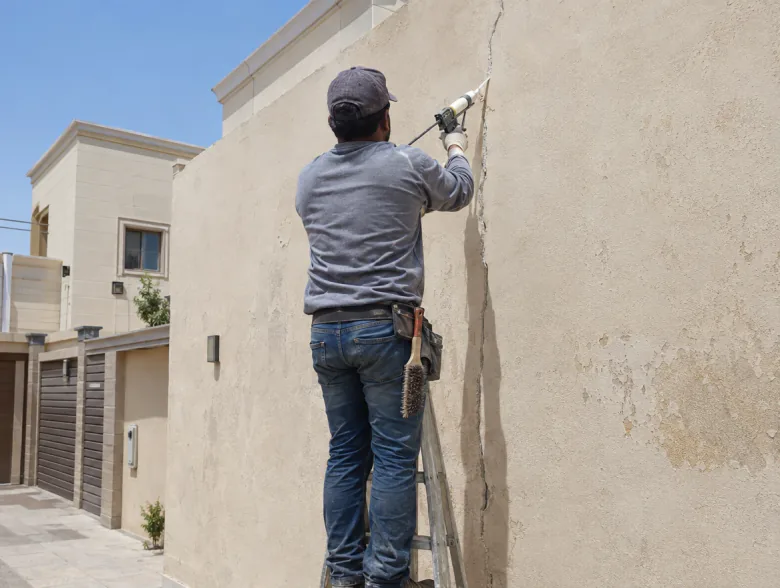
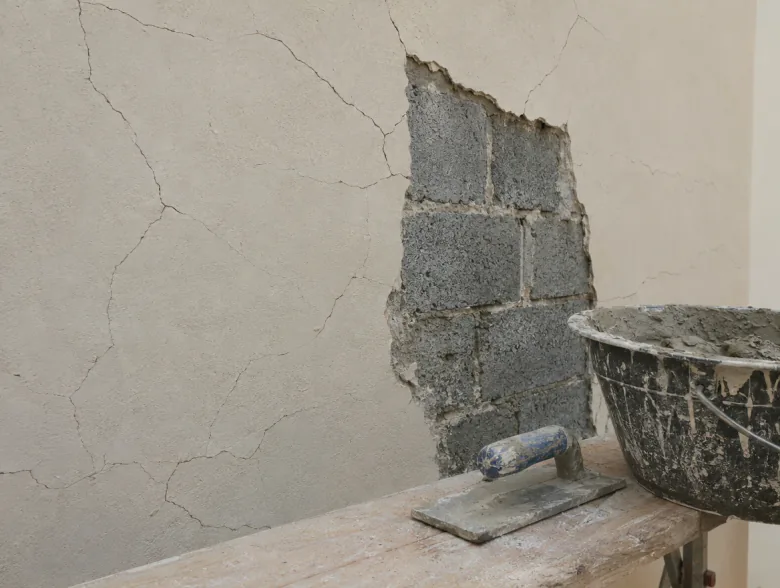
- Inspecting the crack to determine whether it is in the finish layer or in the wall material
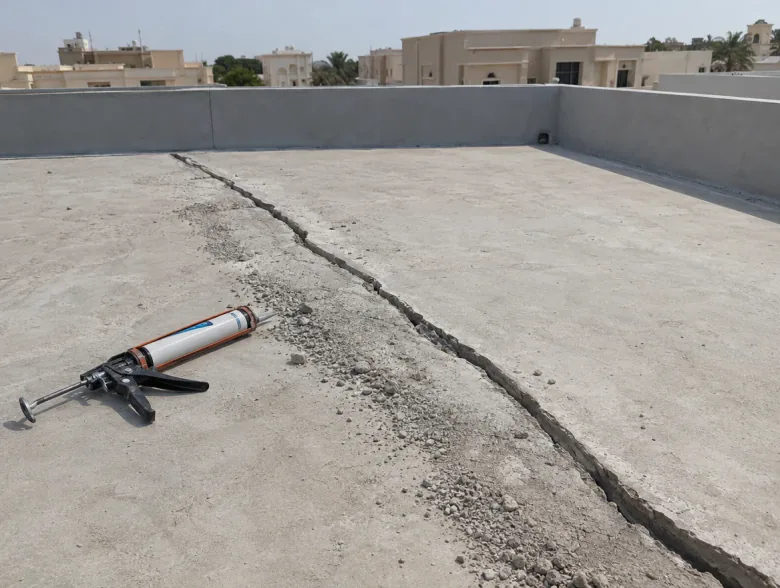
- Cleaning the crack edges of fragile material and dust before filling
- Filling the crack with a material suited to its depth, width and the wall type
- Treating damp and salts visible along or around the crack
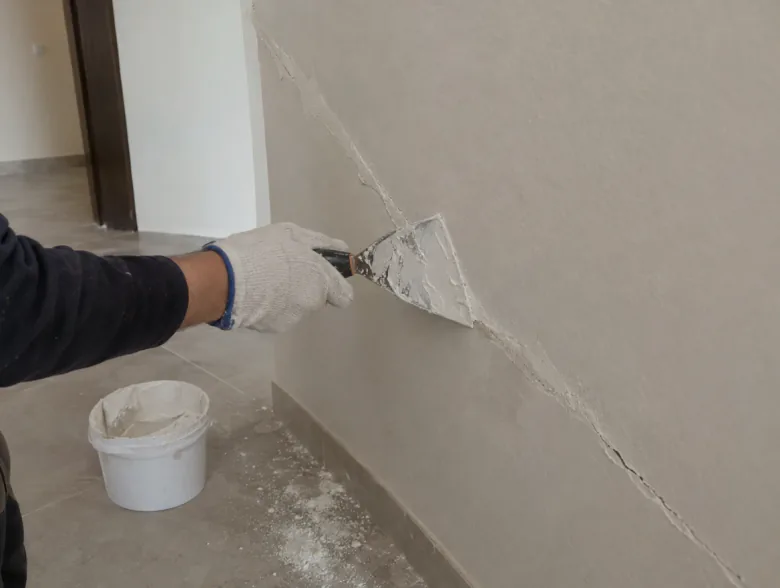
- Restoring the surface finish after filling so it matches the surrounding wall
- Explaining what the job involved and what was treated before the team leaves
From your call to a finished wall
- 1
Describe what you see
Call or message us on WhatsApp and tell us where the crack is, what it looks like, and whether you notice damp or peeling paint alongside it.
- 2
Checking the crack and its cause
We examine the crack closely to see whether it is in the finish layer only or reaches the wall material, because each case needs a different treatment approach.
- 3
Opening the crack and cleaning its edges
The crack edges are widened with dedicated tools to remove fragile material, then the edge is cleaned before filling, because a filler does not hold well on a crumbling surface.
- 4
Filling and restoring the finish
The crack is filled with a material suited to its depth and width, and after the surface is ready the wall finish is restored so it matches the surrounding area.
A prepared surface is the basis of treatment
- The crack is opened and cleaned before filling
- The material is chosen to match the crack's depth and width
- We treat damp and salts found alongside the crack
- We take your request by phone call or WhatsApp message
- We describe what the treatment involves before we start
The service in Al Salmaniyah First District
Cracks on walls in a district like Al Salmaniyah First usually appear on outer walls and at corners, and often signal rising damp from the foundation or salt from groundwater, a common concern in Al-Ahsa. Before filling a crack, the area around it and the whole wall are checked, because a crack may be a sign of a deeper fault. If damp is the cause it must be treated first, or the crack will return. The work includes cleaning the crack, preparing its edges and filling it with the right material.
Al Salmaniyah First District is a district in Al-Ahsa governorate in the Eastern Province, close to Al Muhammadiyah District, Al Salmaniyah Second District and Ayn Najm District.
Vertical and horizontal cracks on outer walls often point to rising damp or salt damage, both of which need separate inspection from the crack itself.
Our portfolio















What our customers say
- ★★★★★
شركه ممتازه
- ★★★★★
شغلهم ميه ميه يشكرو عليه
- ★★★★★
شكرا على التواصل وصلو في اسرع وقت ممكن
Reviews are shown as the customers wrote them, in Arabic.
Questions about Wall crack repair in Al Salmaniyah First District
A finish crack is narrow and shallow and usually does not widen over time. A crack that reaches the wall material feels deeper when you press its edges and can widen gradually. A close inspection tells you which one you are looking at.
In many cases only the area around the crack needs to be refinished, but how well the colour matches the rest of the wall depends on the type and age of the existing paint. That becomes clear at inspection and is explained to you before work begins.
Common causes include the expansion and contraction of materials with changing temperature, minor settlement in the foundation, and damp that weakens the finish layer over time. A fine straight crack often differs from a diagonal or branching one, and each type points to a different cause.
Yes. Damp and salts that appear along or around the crack are treated as part of the wall repair, because leaving damp before filling the crack makes the new material hold less firmly. Wall crack treatment is not complete without treating what surrounds the crack.
Tell us where the crack is in the home, whether it is on an interior wall, a ceiling or more than one wall, and whether you notice damp, peeling paint or white salts alongside it. These details help us understand what the job needs before the visit.
A vertical crack may be building movement, a horizontal crack may be damp. But Al Raya inspects the wall and the areas around it and asks about stains or smell, because that shows the real cause.
If damp or salt is behind the crack, filling it alone will not solve the problem, and it may return. The cause must be treated first, then the crack is filled after that.
More services in Al Salmaniyah First District