
From your call to the source
- 1
Describe what you see
Call or message us on WhatsApp and tell us where the damp is, when you noticed it, and whether there is a smell, salt or mould with it.
- 2
We inspect with instruments
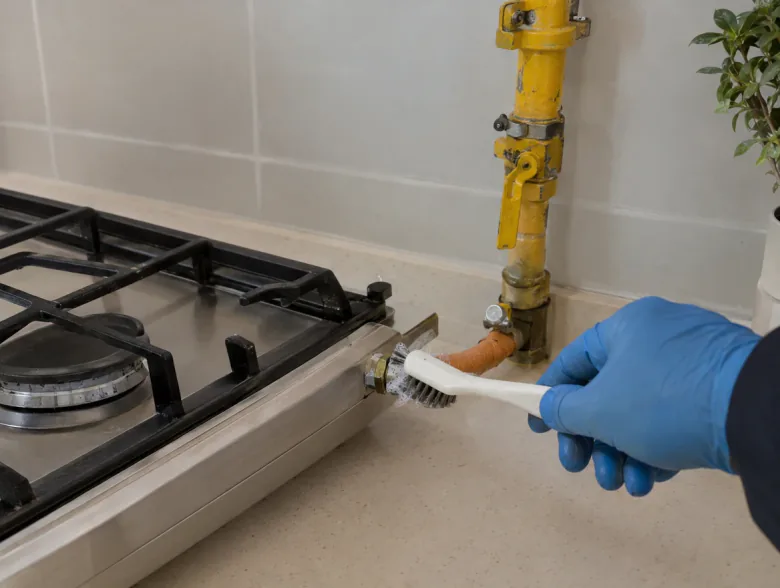
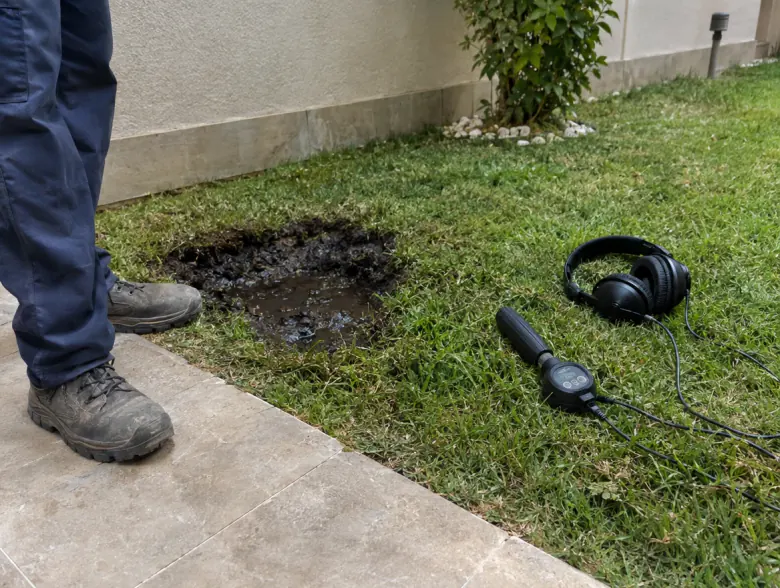
We pass detection instruments over the affected area; thermal and electronic tools show water movement without breaking any surface.
- 3
We identify the source
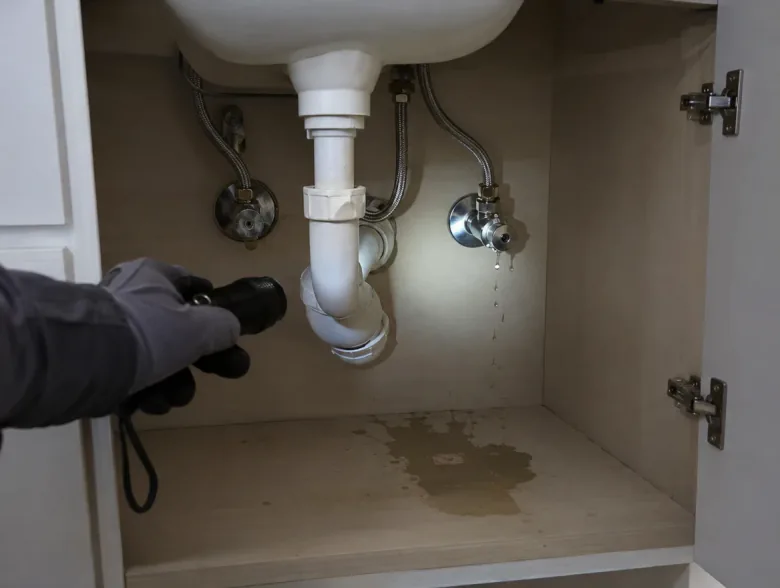
We tell rising ground damp from a hidden pipe leak, condensation and a roof leak apart, because each needs a different treatment.
- 4
Certified report after inspection
You receive the inspection result in writing, with the damp's location and likely cause, and you decide the next step.
Treatment starts with knowing the cause
- We find the source of the damp before any surface treatment
- We check walls, ceilings and floors with instruments without breaking anything
- We tell rising damp, a pipe leak and condensation apart
- Certified report after inspection
- We take your request by phone call or WhatsApp message
The service in Ibn Dihman
In a small settlement like Ibn Dihman, a home may suffer damp in walls and ceilings from a tank or pipe leak, or water pooling around the foundation after watering. Al-Ahsa soil is rich in salts and groundwater is shallow, so when water enters the wall it leaves salts that peel paint and damage structure. Stains may appear on the ceiling, outer wall or foundation, each location points to a different cause. The first inspection pinpoints the water source exactly, so treatment stops the leak at its root.
Ibn Dihman is a small settlement in Al-Ahsa governorate in the Eastern Province, close to Muraytibah, Sudah and Al Jishshah.
Main leak sources in small settlements are tanks, pipes and groundwater, and precise inspection tells them apart.
Our portfolio














What our customers say
- ★★★★★
شركه ممتاز شغلهم كويس ويعطيهم العافيه
- ★★★★★
شركه ممتازه
- ★★★★★
شركه ممتازه واشتغلنا معاهم اكثر من مره وجود عاليه ما شاء الله بارك الله فيهم واعمله
Reviews are shown as the customers wrote them, in Arabic.
Questions about Damp & moisture detection and treatment in Ibn Dihman
Rising damp usually appears at the lower part of the wall and is often accompanied by white salt marks; it tends to worsen in humid periods. A pipe leak can appear anywhere on the wall, and you may hear a faint sound of water or notice a higher water bill. Instrument inspection is what tells them apart reliably.
Yes. A musty smell means moisture has reached a point where micro-organisms are growing, and the patch may be behind the wall or under the tiles where you cannot see it. Waiting for a visible mark means the damage is spreading in the hidden area. Early inspection finds the source of the smell and reduces what needs treatment.
White salt marks, or efflorescence, form when water carries salts to the surface, evaporates and leaves them behind. Their presence means water is moving through the wall material continuously, which weakens the plaster over time. Treating damp starts with stopping the water movement before the wall surface is addressed.
Condensation forms on cold surfaces when the air is warm and humid, and it feeds mould if it stays long enough. It tends to appear at corners, windows and surfaces exposed to air. A leak appears at a fixed point and does not change when you ventilate the room. In many cases the source is a combination of both, and instrument inspection identifies it accurately.
Because the paint covers the surface but does not stop the water behind it. As long as the source, whether a leak, rising damp or condensation, is still active, moisture finds its way through again. Proper damp treatment starts with knowing where the water comes from, then stopping the source, then treating the damaged surface.
When mould returns in the same spot after cleaning and is not linked to a season or poor ventilation, it usually signals ongoing damp in the structure itself rather than passing condensation. Mould in a single corner, along a horizontal line at the base of a wall, or near a hidden water source is worth inspecting to find out what lies beneath it.
Tell us where the patch is, whether on a wall, ceiling or floor, and whether it is near a bathroom, a kitchen or an outside wall. Tell us if there is a smell, salt or mould with it, when you first noticed it, and whether it changes in size. These details help us decide which inspection suits your case.
Groundwater affects the foundation and lower walls in a spread pattern, while pipe leaks leave a defined stain or clear line. Inspection pinpoints the cause by seeing where stains are and their shape.
Describe the room and wall with damp, and say when stains started and whether they are spreading. Tell her if the roof has a tank or if you have noticed water pooling around the home, and send a photo on WhatsApp if you can.
More services in Ibn Dihman
Damp & moisture detection and treatment in nearby areas
