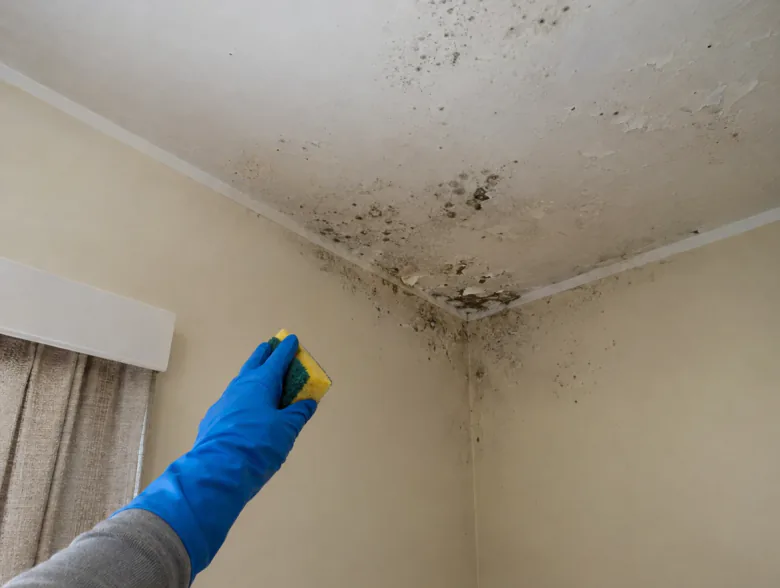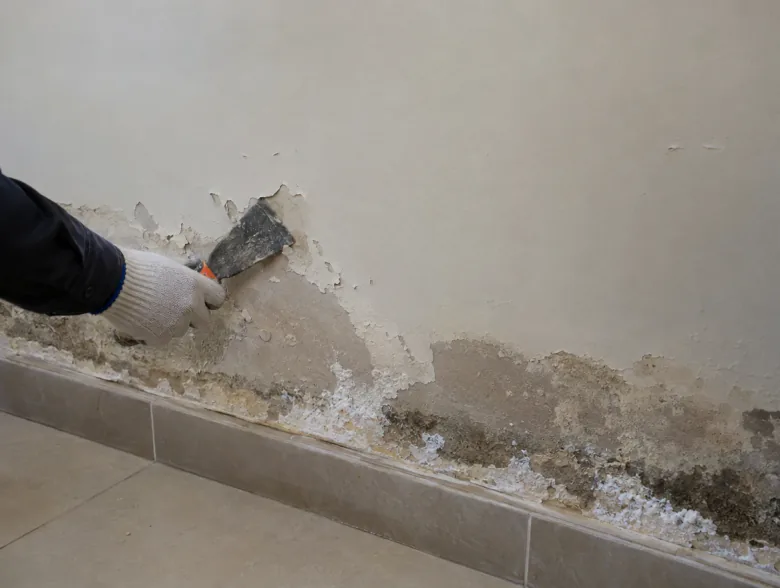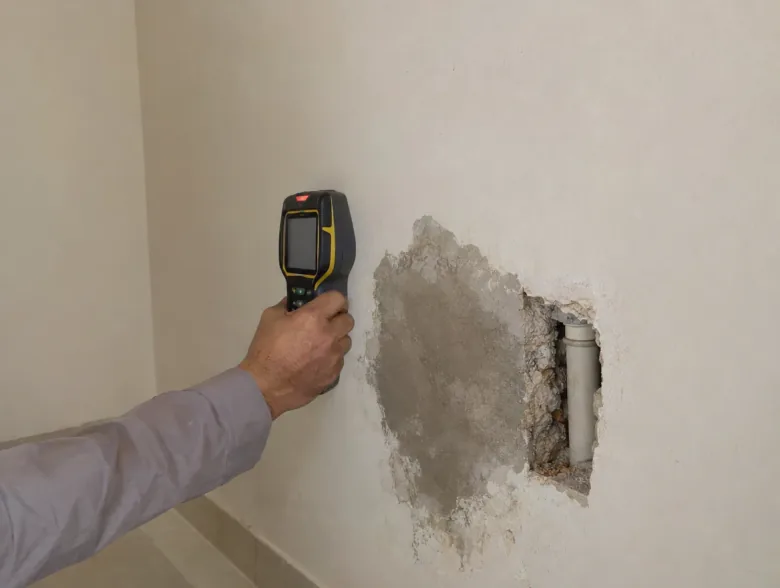
What wall pipe leak detection includes
- Checking the wall surface with detection instruments to map the wet area without breaking anything
- Tracing the pipe inside the wall and locating the actual leak point
- Telling a supply pipe leak from a drain pipe leak inside the wall
- Checking the walls beside bathrooms and kitchens where most pipes run
- Listening for the sound of leaking water inside the wall with electronic instruments
- Recording the leaking pipe's position and the cause of the leak in a certified report handed to you after inspection
From first contact to a certified report
- 1
Describe what you see
Call or message us on WhatsApp and tell us where the patch is, how long it has been there, and whether your water bill has risen or you have heard water in the wall.
- 2
We check the wall with instruments
We pass detection instruments over the wall surface to map the wet area and trace the pipe inside, without any breaking or drilling.
- 3
We identify the pipe and the cause
We tell a supply pipe leak from a drain pipe leak, and mark the exact spot that needs to be opened for the repair.
- 4
You receive a certified report
After the inspection you receive a certified report stating the leak's location and cause, so you go to the repair with precise information.
The wall will be opened in the right place
- We locate the pipe with instruments, no breaking
- We tell a supply leak from a drain leak
- We find a silent leak before it spreads
- Certified report after inspection with location and cause
- We take your request by phone call or WhatsApp message
The service in Ibn Dihman
Homes in a small settlement like Ibn Dihman usually have water networks that distribute cold and hot water to the kitchen, bathroom and yard, and these pipes often run through walls and foundations. When a slow leak happens in one of these pipes, you may not notice it for weeks, or only when you see a damp patch on the wall or spot a rise in the water bill. The wall is checked with specialist instruments that pinpoint the pipe and leak exactly, and this inspection decides whether a simple repair will do or part of the pipe needs replacing.
Ibn Dihman is a small settlement in Al-Ahsa governorate in the Eastern Province, close to Muraytibah, Sudah and Al Jishshah.
A slow leak may not raise the bill much at first, but damage to walls and foundations happens unseen.
Our portfolio















What our customers say
- ★★★★★
شغلهم نظيف وسريعين ومحترمين الله يعطيهم العافيه
- ★★★★★
شركه ممتازه
- ★★★★★
شكرا على التواصل وصلو في اسرع وقت ممكن
Reviews are shown as the customers wrote them, in Arabic.
Questions about Leaks inside walls in Ibn Dihman
Outside damp usually appears on walls exposed to rain or near the ground, and worsens in the rainy season. A leak inside the wall appears in any season, and is sometimes accompanied by the sound of water or a rising water bill. Checking with instruments is the reliable way to tell the two apart.
Not always: pipes make sounds when water flows under high pressure or when the pipe expands with heat. But a continuous sound when no water is being used, or a sound behind a wall with no visible source, calls for an inspection.
Tell us where the patch or the wet wall is, whether it is on an internal or external wall, whether it is near a kitchen or bathroom, and whether you have noticed a rising water bill or heard a sound in the wall. These details help us decide what to check first.
Yes, often the water travels inside the wall or the slab before it appears on the surface at a different point. This is why the patch's location can be misleading, and instrument detection traces the pipe to find the actual leak point, not just where it shows.
Yes. A pipe leaking inside a wall may produce no visible patch in its early stages while still raising the recorded water consumption. If your usage has not changed but the bill has risen, that is worth checking before the area of damage in the wall grows.
We use specialist detection instruments that locate the pipes and moisture through the wall. Once the spot is precise, we advise you on what repair is needed.
A small patch may mean a slow leak just starting, or it may be traces of an old leak now dry. The first inspection clarifies the leak's age and seriousness.