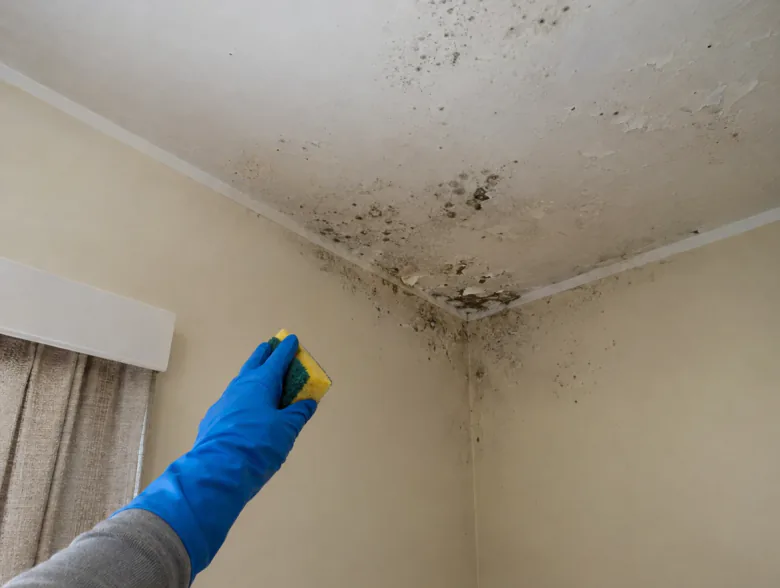
What mould and damp treatment includes
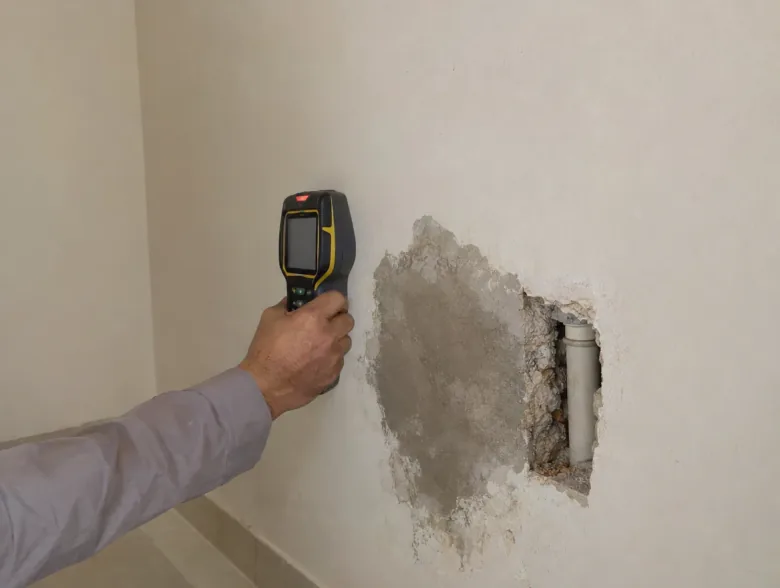
- Checking the ceiling and corners with a thermal camera and electronic instruments, without breaking anything
- Identifying the damp source feeding the mould: a leak, condensation or damp from outside
- Checking the slab and the neighbouring wall to trace the damp path to its true origin
- Treating the damp location after its cause is identified, to cut the supply feeding the mould
- Cleaning the mould marks and treating the affected surface after it is confirmed dry
- Handing over a certified report after inspection stating the source and its cause
From your call to treating the cause
- 1
Tell us what you see
Call or message us on WhatsApp and describe where the mould or patch is, whether it returns after cleaning, and when you first noticed it.
- 2
We inspect with instruments
We use a thermal camera and electronic detectors to find hidden damp in the ceiling or wall, without breaking anything.
- 3
We identify the source
We tell a leak from above the ceiling apart from condensation or damp entering from outside, because each source calls for a different treatment.
- 4
We treat and hand you the report
We treat the damp source and give you a certified report after inspection stating the location and cause of the leak.
The cause is known before we start
- We find the damp source with instruments, without breaking anything
- We tell a leak apart from condensation and damp from outside
- We treat ceilings, corners and wherever damp gathers
- Certified report after inspection with the source and its cause
- We take your request by phone call or WhatsApp message
The service in Az Zahrah District
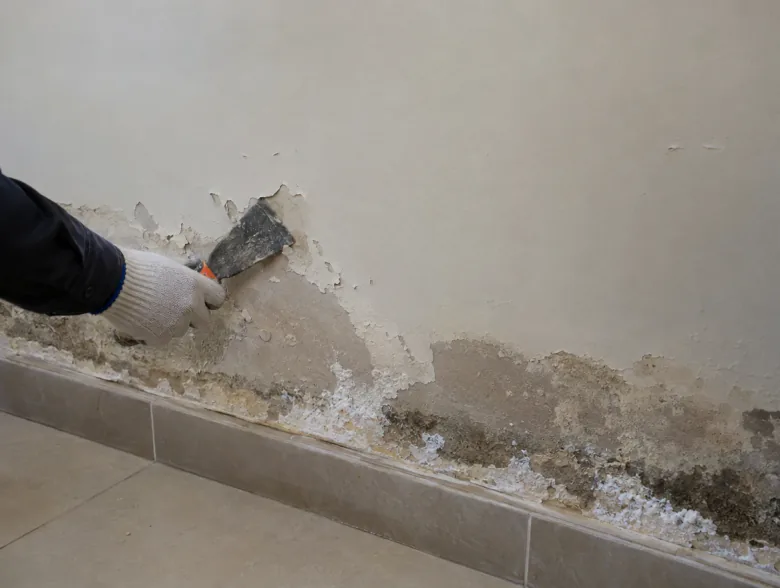
In a district like Az Zahrah, black mould spots usually appear in corners of upper or lower rooms, or near pipes and drains. Water may come from a roof or external wall leak, or from the foundation, or from damp rising from the ground. Sometimes interior walls under windows let water in during rain. The team checks the roof, outer walls, foundation and pipes, traces the water path, then chooses the solution: mending cracks and joints with epoxy or bitumen, waterproofing the foundation, or treating salt and damp in lower walls.
Az Zahrah District is a district in Al-Ahsa governorate in the Eastern Province, close to Al Jamiyin District, Al Iskan 1st District and Al Hamra 1st District.
Careful checking of the roof and outer walls finds where water enters before mould spreads to a larger area.
Our portfolio















What our customers say
- ★★★★★
شغلهم كويس وناس ممتازه في اسرع وقت
- ★★★★★
شكرا على التواصل السريع
- ★★★★★
شركه ممتازه واشتغلنا معاهم اكثر من مره وجود عاليه ما شاء الله بارك الله فيهم واعمله
Reviews are shown as the customers wrote them, in Arabic.
Questions about Mould & damp treatment in Az Zahrah District
Because cleaning removes what is on the surface but not the damp behind it. As long as the surface stays wet from a leak, repeated condensation or damp coming from outside, mould will return. Treating the source is what stops it coming back.
No. Condensation building up on a cold surface causes mould just as a leak does. Damp may also reach the ceiling from a nearby wall or from the concrete slab. Inspection with instruments is what answers the question.
If the corner is damp because of an ongoing source, an anti-mould product slows the growth for a time but does not solve the problem. Mould that keeps returning in a ceiling corner or between two walls is worth inspecting to find out whether a leak or a damp path is feeding it.
Mould from the roof usually appears in areas exposed to rainwater or near drain outlets, and it gets worse after the rain season. Mould from condensation tends to appear in corners and on cold surfaces away from the ceiling edge. Inspection with instruments separates the two.
Tell us exactly where the mould is, whether it is on the ceiling, in a wall corner or both, and whether it returns after cleaning. Tell us whether you noticed any wet patch before it appeared, and whether the room is on the top floor or a middle floor. The more precisely you describe the location and the order in which the mould appeared, the more directly we can aim the inspection at the most likely source.
Say where the mould appears (which room, which wall or ceiling), how long it has been there, whether the room is upstairs or downstairs, whether you have seen leaks from the roof or outer wall, and whether damp stains appear before the mould.
The cause may be a leak from outside (wall or roof), damp rising from the ground, or even condensation from humid air inside. Inspection identifies the real cause, and this decides the right treatment.
Mould & damp treatment in nearby areas
