What wall damp treatment includes
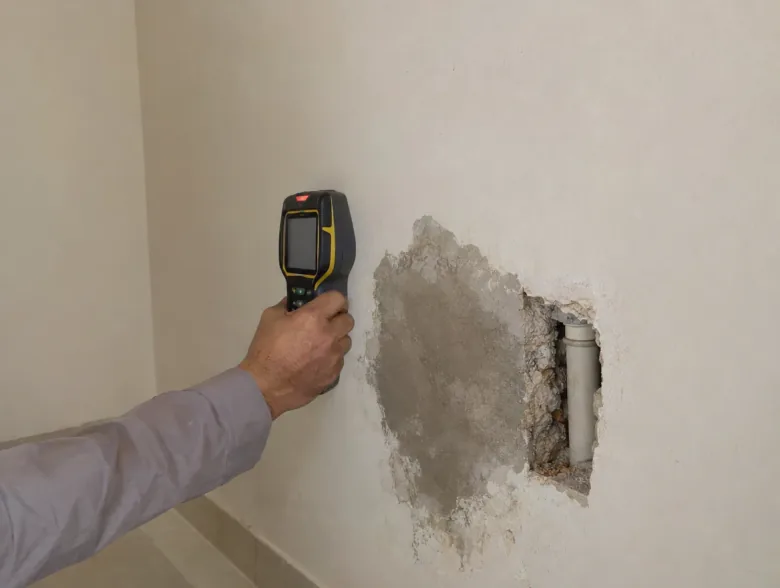
- Checking the wall with detection instruments to find the source of the damp, without breaking anything
- Telling rising damp from damp entering from outside
- Giving you a certified report after inspection with the location and cause of the damp
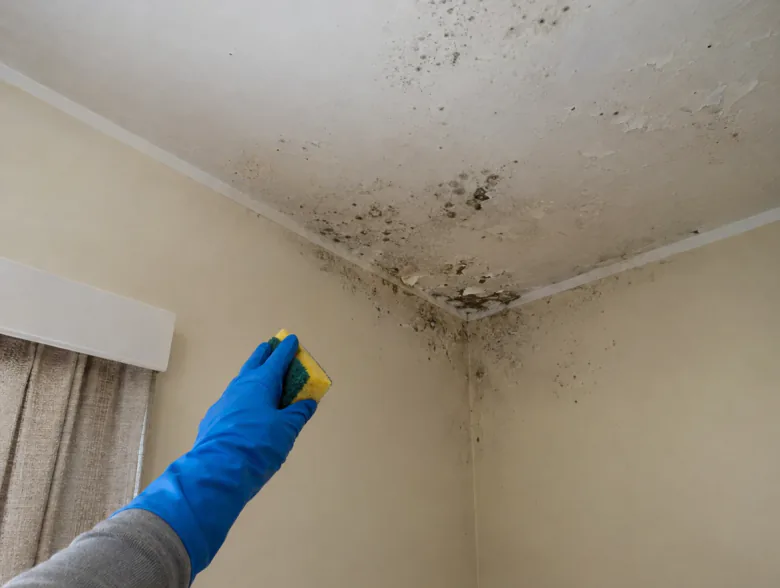
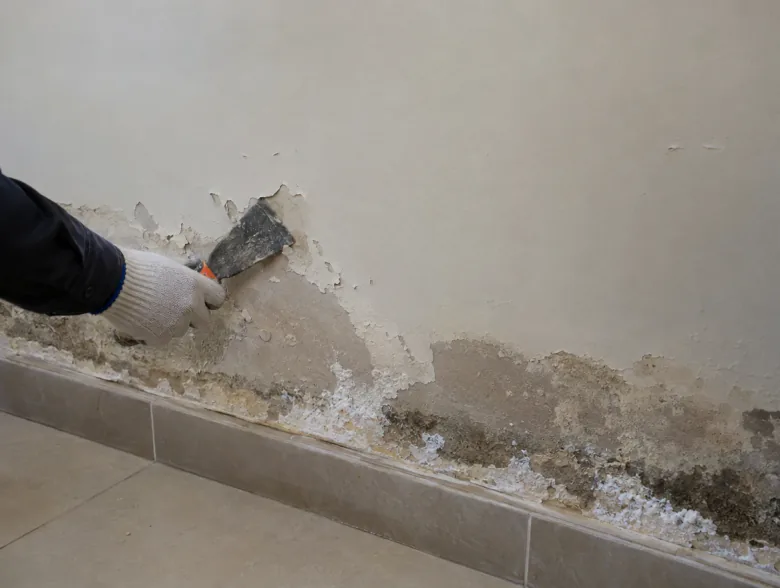
- Removing salts and damaged plaster and preparing the surface for treatment
- Applying a suitable barrier layer of epoxy or waterproofing material according to what the inspection reveals
- Treating cracks in the wall before the barrier layer is applied, because the layer needs a sound surface beneath it
From your call to a dry wall
- 1
Describe what you see
Call or message us on WhatsApp and tell us where the damp appears on the wall, whether it is at the base, on the outer face or somewhere else.
- 2
We check the wall with instruments
We pass detection instruments over the wall to tell rising damp from damp entering from outside, or from the effect of cracks in the plaster, without breaking anything.
- 3
We find the source and give you a report
After inspection you receive a certified report with the location and cause of the damp, and you know exactly what needs treatment in the wall.
- 4
We treat the wall
Treatment involves cleaning the salts, removing damaged plaster and preparing the surface, then applying a suitable barrier layer of epoxy or specialist water-repellent material, according to what the inspection reveals.
The wall needs treatment, not just paint
- We check the wall with instruments without breaking anything
- We tell rising damp from damp entering from outside
- A certified report after inspection names the cause
- We treat salts and cracks before insulating
- We take your request by phone call or WhatsApp message
The service in Al Salmaniyah First District
In a district like Al Salmaniyah First, lower floors and foundations often suffer damp and salt because the ground in Al-Ahsa is usually moist and salty. Damp shows as stains on the outer wall or salt crusts and peeling paint and plaster. The technician checks the wall inside and outside the house first, to know whether water comes from the soil or from a leak in pipes or drains. Then the right treatment is chosen: removing existing salt and damp from the surface, treating cracks, and sometimes sealing the wall from outside.
Al Salmaniyah First District is a residential district in Al-Ahsa governorate in the Eastern Province, close to Al Muhammadiyah District, Al Salmaniyah Second District and Ayn Najm District.
Careful inspection of the wall tells rising damp from the soil apart from other damage, and this decides the kind of treatment.
Our portfolio















What our customers say
- ★★★★★
شكرا على التواصل السريع
- ★★★★★
شكرا على التواصل وصلو في اسرع وقت ممكن
- ★★★★★
شركه ممتازه واشتغلنا معاهم اكثر من مره وجود عاليه ما شاء الله بارك الله فيهم واعمله
Reviews are shown as the customers wrote them, in Arabic.
Questions about Wall damp treatment in Al Salmaniyah First District
Rising damp usually appears at the base of the wall and works upward, often with white salts crumbling on the surface. Damp from outside tends to appear on walls exposed to rain or to soil on the other side, and it concentrates where the outside moisture meets the wall. Checking with instruments is how we tell them apart accurately.
Because paint covers the surface but does not stop damp coming from within the wall or from below. As long as the source is there, moisture soaks into the plaster and pushes the new layer from inside until it peels. Real treatment starts with finding the source, removing built-up salts and preparing the surface before any protective layer is applied.
Yes, over time. Salts expand inside the pores of the structure as moisture evaporates, and this expansion breaks down the plaster and gradually affects the surface layers. The longer the wall is left without treatment, the wider the damaged area and the more that needs repair. That is why the wall is treated after the salts are cleaned away, not over them.
In many cases it is enough to remove the damaged plaster, clean the salts, prepare the surface and apply a barrier layer. If the cracks are in the structure itself or the damage runs deeper, the wall may need broader treatment, which the inspection result will show. Checking with instruments reveals the extent of the damage before work begins.
Tell us where the wall is in the house, whether it is an inner or outer wall, and whether the damp appears at the base, in the middle or near the top. If you see salts, cracks or peeling, mention those too. These details help us judge what to check when we arrive.
Damp stains are dark and sometimes feel moist, while salt shows as white or grey powder on the surface and leaves a mark when rubbed. Both point to water rising from the ground, and may appear together.
Yes, the salt carried by damp crumbles and loosens plaster and paint. If you see cracks at the base of the outer wall with stains, the first inspection will show if damp is the cause.