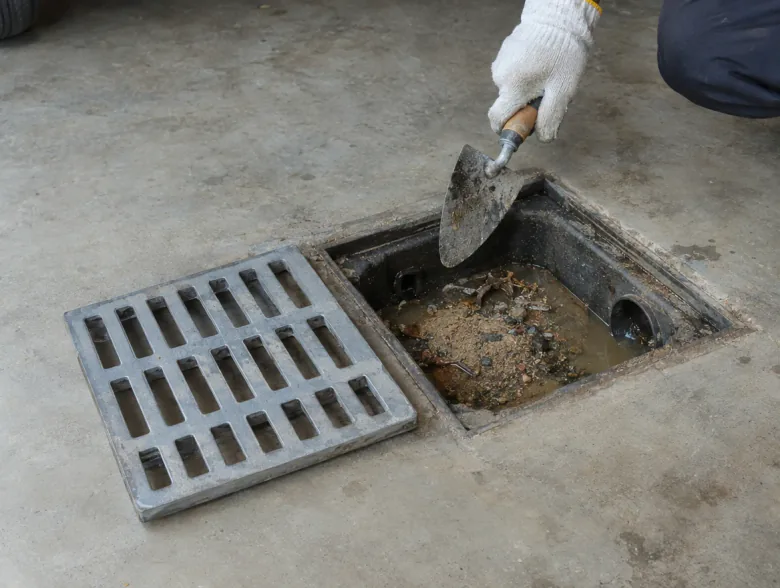
What floor-drain unblocking includes
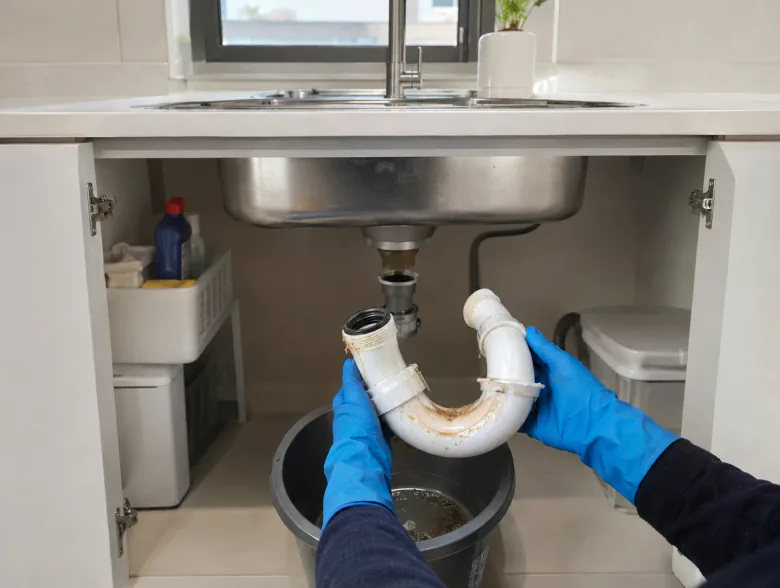
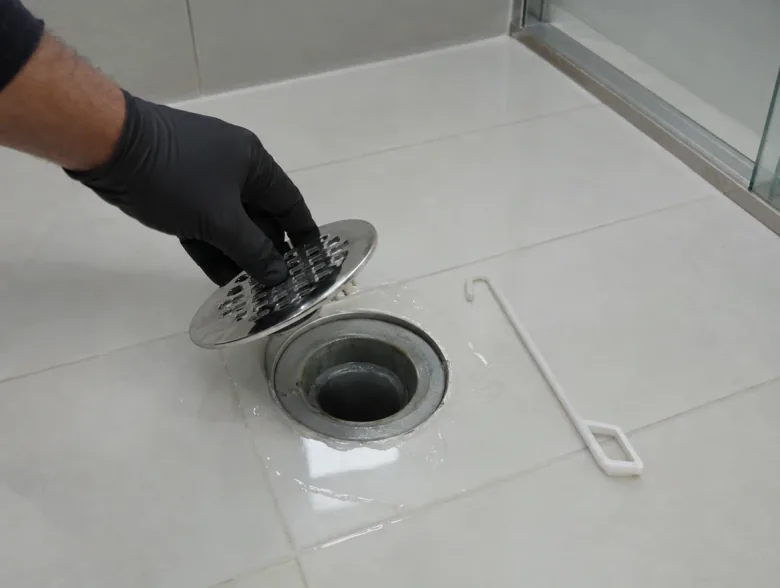
- Checking the drain cover, body and water trap to find the nature of the blockage
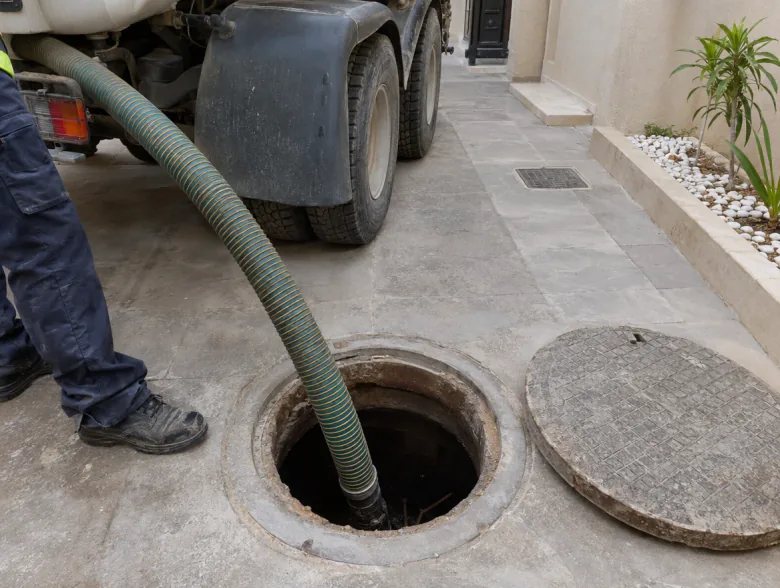
- Removing accumulated sand, hair, fluff and solid debris from inside the drain
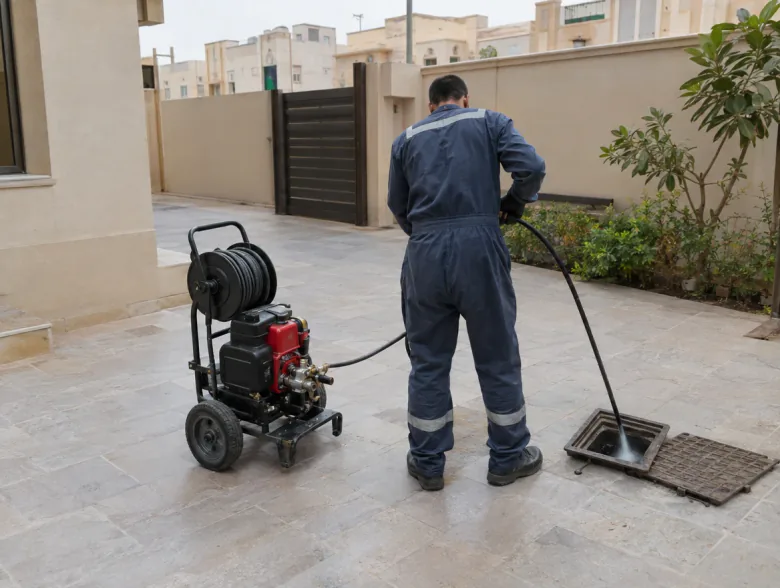
- Checking the pipe connected to the drain and clearing it if the blockage extends there
- Flushing the drain passage after clearing to confirm water moves freely
- Checking that water drains normally before closing the cover and leaving
- Answering your questions about floor-drain unblocking before the work starts
From your call to a clear drain
- 1
Tell us what you see
Call or message us on WhatsApp and tell us where the drain is, whether water drains slowly or not at all, and whether there is a smell.
- 2
Checking the drain and its connection
We lift the drain cover and check the body of the drain and the connected pipe to find where the blockage starts and what it is made of.
- 3
Clearing and flushing the drain
The job involves removing accumulated sand, hair and debris, then flushing the drain passage until water passes through without resistance.
- 4
Checking the flow
We run water after clearing and check that drainage has returned to normal before closing the cover and leaving the site.
A blocked drain is fixed, not left
- We unblock floor drains in bathrooms, kitchens, yards and garages
- We remove sand, hair and accumulated debris from the drain
- We check the connected pipe before clearing
- We flush the drain after removal to confirm the flow
- We take your request by phone call or WhatsApp message
The service in ’Uray’irah
In a home in a village like 'Uray'irah, drains link the bathroom, kitchen and yard to a network that removes water. In a village, the yard is larger and a garden may be close, so leaves, dust and small roots enter the drain more easily. The blockage may be in the drain opening itself or in a pipe under the yard. The first check asks how water flows and where it pools, then looks at the different drains to find the problem before clearing.
'Uray'irah is a village in Al-Ahsa governorate in the Eastern Province, close to UmmTali, Umm Rubay'ah and Umm al Hamam.
In small villages, sediment from the yard, garden and wells enters drains easily, especially after rare rain.
Our portfolio















What our customers say
- ★★★★★
شركه ممتاز شغلهم كويس ويعطيهم العافيه
- ★★★★★
شركه ممتازه
- ★★★★★
شكرا على التواصل وصلو في اسرع وقت ممكن
Reviews are shown as the customers wrote them, in Arabic.
Questions about Floor-drain unblocking in ’Uray’irah
Yes, usually. A slow drain means partial narrowing and the blockage can often be cleared by removing what has built up. A fully blocked drain may have a blockage in the connected pipe and needs a closer look before clearing. In both cases we start by checking the drain itself.
A smell can have more than one cause: it may come from organic residue inside the drain body, or from the water trap drying out, which allows sewer gas to rise through the pipe. A blocked or slow drain usually smells, but a smell alone does not always mean a blockage. Checking the drain tells you which it is.
Yard and garage drains take in sand, soil, leaves and sometimes cement residue, all of which settle in the drain body and the connected pipe. They block more readily than indoor drains because they are open to the air and dust. Regular clearing reduces the build-up.
In most cases yes. Clearing starts from the drain opening itself without lifting tiles. If the blockage is in the connected pipe below the drain, its position is found first before any decision is made. Opening the floor is only considered when the blockage cannot be reached from the drain opening.
Tell us which room or area the drain is in, whether water drains slowly or not at all, whether there is a smell, and whether the blockage came on suddenly or gradually. These details help us understand the nature of the blockage before we arrive.
Yes, fine roots can grow into the pipe, and soil from the garden settles with water. The first check finds whether the cause is roots, sediment or something else, because each cause needs a different approach.
If water is slow or pooling in the bathroom or kitchen, or if you hear gurgling or smell from the drain opening in the yard, the drain needs clearing. Calling early saves you bigger problems.
More services in ’Uray’irah