From your call to the finished layer
- 1
Tell us what you see
Call or message us on WhatsApp and describe what you want insulated: a roof, a wall, metal sheets or a hangar, and what you have noticed in terms of heat or damp.
- 2
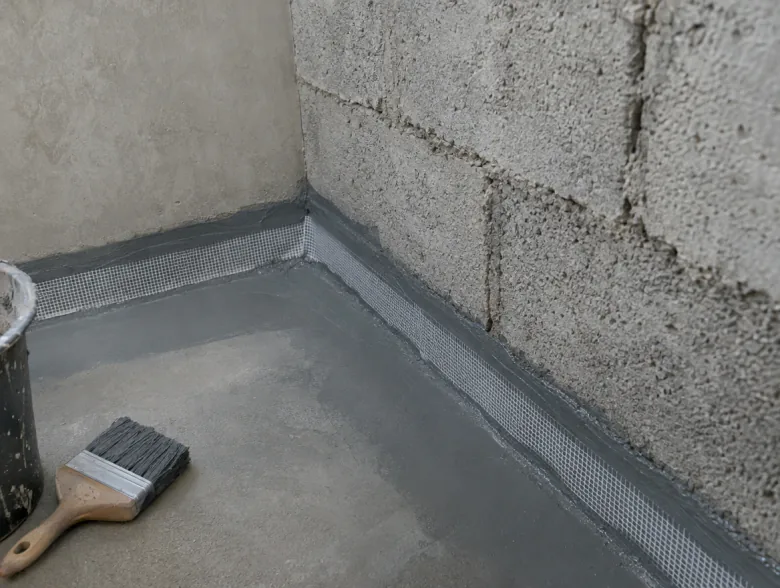
Checking the surface before spraying
Foam is not sprayed onto a wet or crumbling surface: the surface is checked first and any cracks or damaged areas are treated before the work begins.
- 3
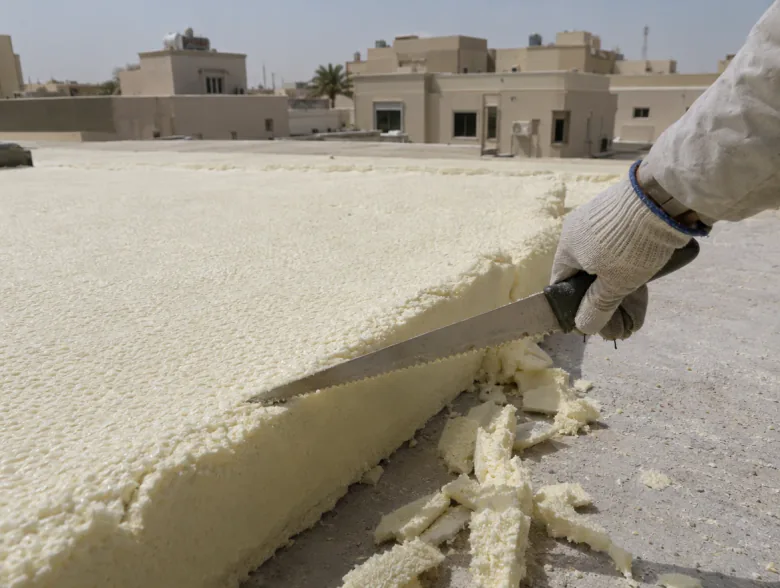
Spraying and expansion
The liquid foam is sprayed onto the prepared surface and expands to fill joints, corners and the areas around drains and the parapet without leaving any gaps.
- 4
The protective finish coat
Foam is naturally sensitive to ultraviolet light, so a protective coat is applied over it to shield the surface and prevent it breaking down over time.
Foam insulates from inside and outside at once
- A seamless layer with no joints that weaken the insulation
- Acts as a thermal insulator and a water barrier at the same time
- Suits concrete roofs, metal surfaces and outside walls
- Fills cracks, corners and areas around roof drains
- We take your request by phone call or WhatsApp message
The service in Al Mubarraz
Roofs on homes in a village like Al Mubarraz usually have flat surfaces, water tanks, stair covers and drains, each a point where water and heat enter. The moisture and salts common in Al-Ahsa soil increase pressure on these joints. Sprayed foam follows the parapet, drains and tanks without cutting, providing unified protection. Work begins with an inspection of the current surface, because any moisture or loose material under the foam will reduce its effectiveness.
Al Mubarraz is a village in Al-Ahsa governorate in the Eastern Province, close to As Sulaimaniyah District, As Saifa District and An Nasriyah District.
Areas around rooftop tanks and drains need the most care, as water gathers there first.
Our portfolio















What our customers say
- ★★★★★
شغلهم نظيف وسريعين ومحترمين الله يعطيهم العافيه
- ★★★★★
شغلهم ميه ميه يشكرو عليه
- ★★★★★
شركة ممتازة تستحق التعامل معها بشكل مستمر
Reviews are shown as the customers wrote them, in Arabic.
Questions about Foam insulation (polyurethane) in Al Mubarraz
Boards are cut and fixed, leaving gaps at joints, corners and around pipes. Liquid foam is sprayed and expands to fill those areas naturally, leaving no weak points. That is what makes foam a suitable external insulator for roofs with complex details.
It is both: its closed structure resists water and insulates against heat in a single layer. However, the protective coat over it is necessary because exposed foam breaks down in sunlight and gradually loses both properties.
Foam suits flat concrete roofs, metal sheets and corrugated panels, and exterior concrete or block walls. The common condition is that the surface must be dry and sound before spraying, otherwise the foam does not adhere properly.
Foam exposed to the sun is affected by ultraviolet light: its surface crumbles, yellows and loses its strength over time. The finish coat blocks those rays and keeps the foam solid and intact. It is part of any external foam insulation job and cannot be left out.
If the heat comes from above and you feel it on the top floor, the roof is the most likely source. If a particular room is hotter than others even though it is not directly under the roof, the outside wall facing the sun may be the cause. Both can apply at the same time.
Polyurethane foam is a thick layer that expands after spraying, insulates against heat and resists water. Polyurea is a thin hard coat sprayed to form a flexible waterproof skin without adding meaningful thermal insulation. The first suits you when you want both together; the second when you want a tough waterproof skin on the surface.
Yes, foam is sprayed under the metal roof sheets in hangars and warehouses, reducing the heat that builds up inside and treating condensation on the inner face of the sheets. The large roof area and the height make this work different from insulation in homes.
No, the surface must be dry and sound. If there is moisture under an old layer or in cracks, the surface must be cleaned and allowed to dry first, because foam depends on a healthy base.
Tell them if you feel intense heat in the top rooms, whether you see damp stains on ceilings or walls, and whether the roof has tanks, covers or protruding drains, and send a clear photo of the roof.
More services in Al Mubarraz