What polyurea waterproofing includes
- Checking the surface condition and identifying cracks and loose areas before any work
- Treating existing cracks and removing loose coatings to prepare the surface for spraying
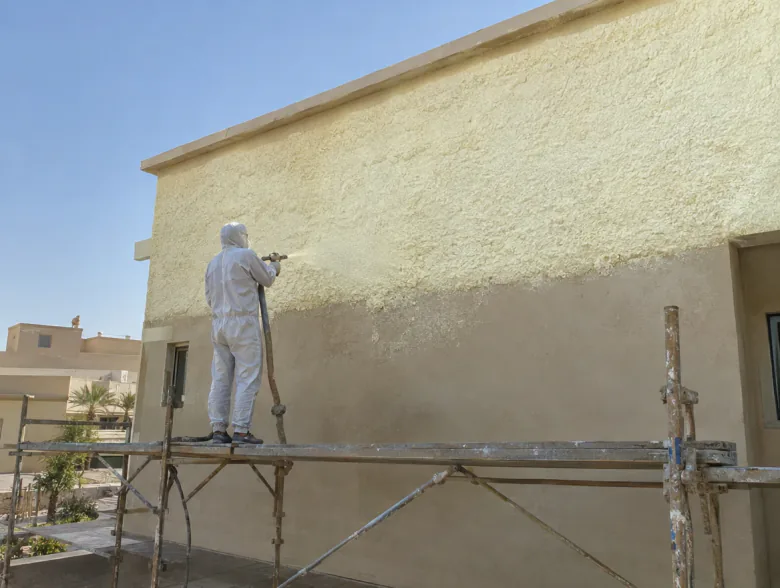
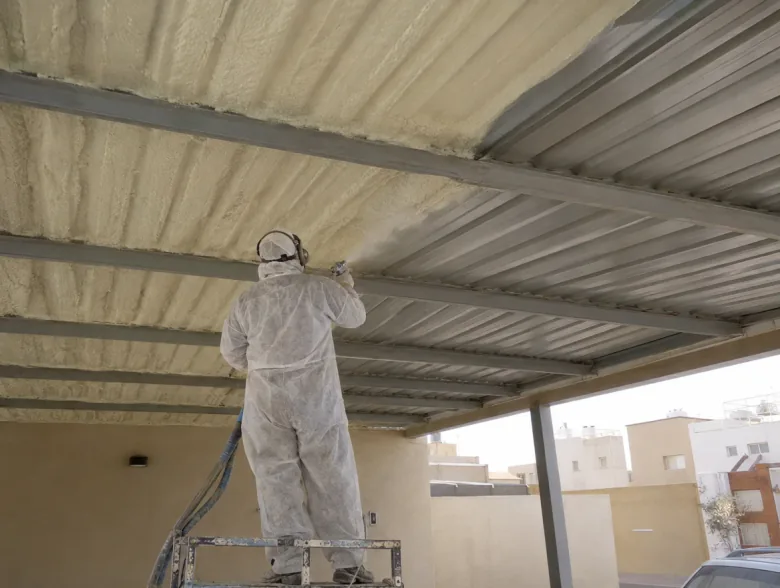
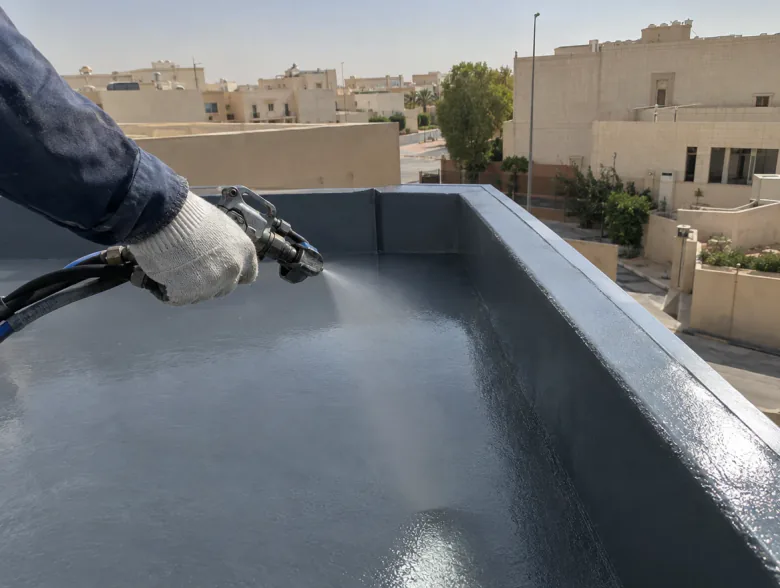
- Spraying polyurea with full coverage of corners, edges, joints and drainage outlets
- Checking the finished coat to confirm it is continuous and no areas are left exposed
- Treating flat roofs, tanks and basins with the same material according to each surface
- Answering your questions about the surface condition and the preparation it needs
From your call to a complete coat
- 1
Describe what you see
Call or message us on WhatsApp and tell us about the roof or tank you want waterproofed and what cracks or damp you can see.
- 2
Surface preparation
Loose coatings and dirt are removed and existing cracks are treated before spraying, because the material needs a clean sound surface to bond fully.
- 3
Spraying the polyurea
The material is sprayed under high pressure, reacting in the air and hardening directly on the surface to form a continuous coat over corners, edges and joints.
- 4
Checking the finished coat
Once spraying is done, the coat is checked to confirm it covers the full area and no spot is left exposed at the edges or drainage outlets.
Confidence in the material and the work
- A flexible coat that tolerates surface movement without cracking
- No seams or joints for water to enter
- Covers corners, edges and joints by direct spraying
- Suits flat roofs, tanks and complex surfaces
- We take your request by phone call or WhatsApp message
The service in Al Olaya District
In a district like Al Olaya, homes usually have complex flat roofs with parapets, multiple joints, drains and tanks. Desert humidity and salts settle on surfaces, leaving white deposits and causing gradual cracking. Water enters through these small cracks and makes damp patches in rooms. Liquid polyurea fills all joints and cracks and forms a strong waterproof barrier. Before spraying, the surface is carefully checked to ensure it is free of deep damp.
Al Olaya District is a district in Al-Ahsa governorate in the Eastern Province, close to Al Uwaimiriyah District, Al Thulaythiyah District and Ar Rawdah District.
Salt and moisture weaken existing joints, making it easy for water to enter through them after the first rain.
Our portfolio















What our customers say
- ★★★★★
شغلهم ميه ميه يشكرو عليه
- ★★★★★
ممتاز والخدمة ان شاء الله تكون قد التوقعات
- ★★★★★
شكرا على التواصل السريع
Reviews are shown as the customers wrote them, in Arabic.
Questions about Polyurea insulation in Al Olaya District
Polyurethane foam is a thick layer that expands after spraying to fill voids and insulate against heat while forming a primary water barrier, but it needs a finish coat over it. Polyurea is a thin, hard, flexible coat sprayed to form a self-contained waterproof skin, and it is often used as the finish coat over other materials.
Yes. The material is flexible, seamless and continuous, which makes it suitable for any surface in constant contact with water, such as tank walls and floors and pool basins. Spraying ensures the material reaches the internal corners that are usually the weakest point in any waterproofing.
Polyurea needs a firm clean surface to bond to. Surfaces that are very damp, crumbling or carrying old loose paint need thorough preparation first, or the coat will lift. It is also not suited to surfaces with unrepaired structural cracks, since polyurea waterproofs but does not fix structural faults.
Not usually. Polyurea is generally the outermost finish layer and it tolerates ultraviolet light and light traffic without needing a cover coat. Polyurethane foam, by contrast, degrades in sunlight if left uncovered, which is why polyurea is sometimes used as the protective coat over foam.
Tell us what type of surface you want waterproofed, whether it is a roof, a tank or a pool, and what you notice now such as damp, cracks or peeling from a previous coat. These details help us judge how much preparation is needed before spraying.
Bitumen is laid in multiple layers that take time to dry, while polyurea is sprayed and becomes a unified flexible coat at once. Joints and corners are easier with polyurea because it fills them easily and does not crack when the surface moves.
White stains are usually salts that have settled from moist air, a sign that moisture is present. The moisture itself may enter from existing cracks. Call Al Raya and describe the location and the affected area.
More services in Al Olaya District