What foam roof insulation includes
- Inspecting the roof to identify cracks, open joints and damp areas before work begins
- Treating cracks, sealing open joints and clearing drain outlets to prepare the surface for spraying
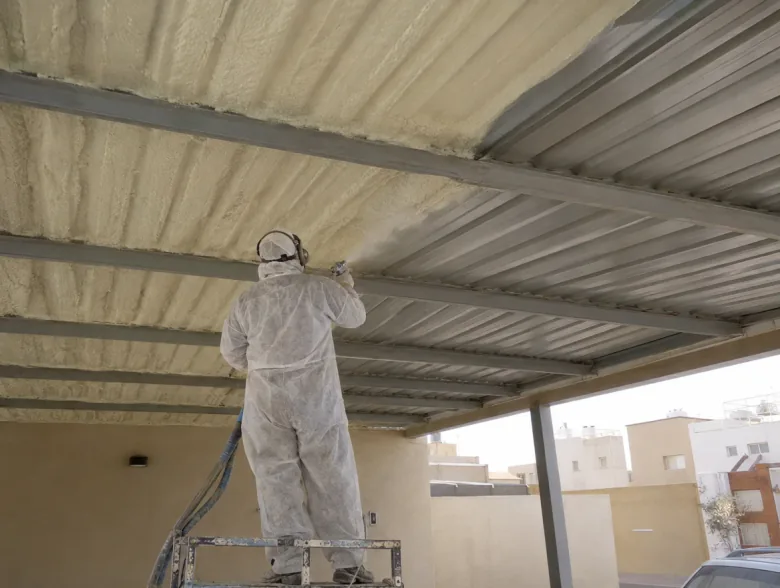
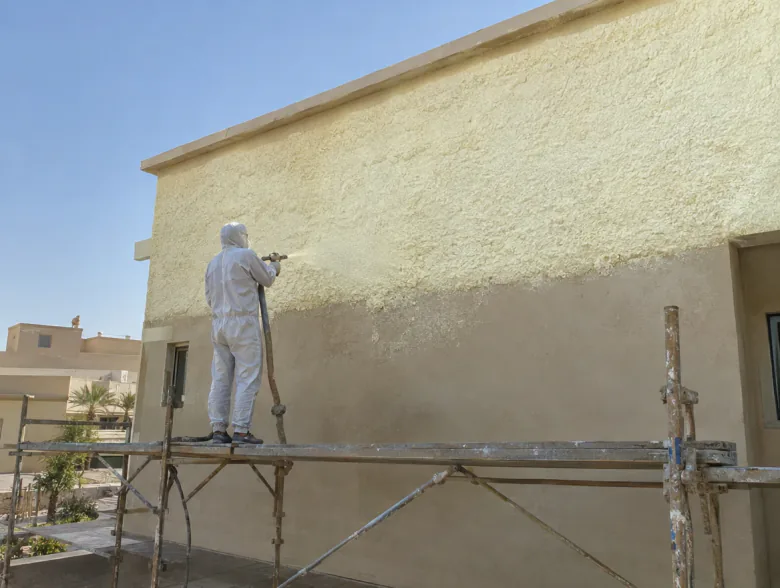
- Spraying polyurethane foam across the screed to form a seamless connected layer
- Covering the parapet and wrapping around drain pipes and passing pipes within the same layer
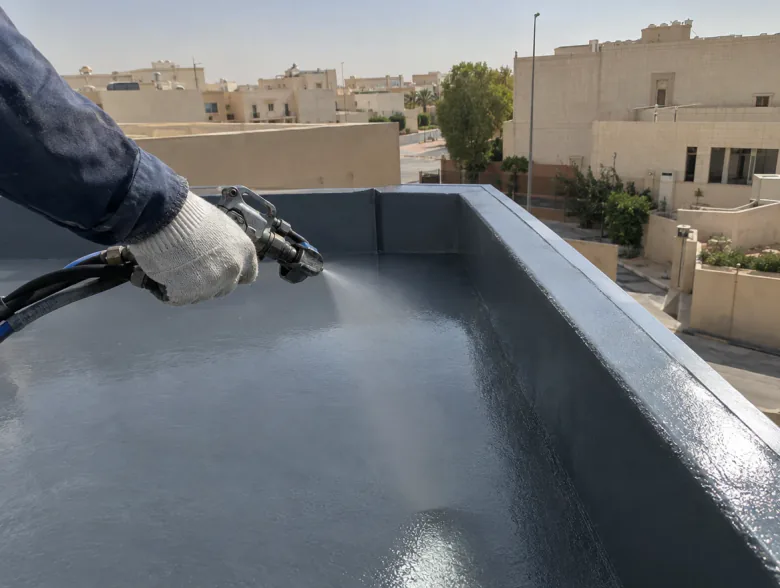
- Applying a protective coat over the foam to shield it from ultraviolet light and weather
- Answering your questions about roof foam insulation before the work starts
From your call to an insulated roof
- 1
Tell us what you see
Call or message us on WhatsApp and describe the roof: are there cracks? Do stains appear on the top-floor ceiling? Do the rooms heat up in summer?
- 2
Preparing the roof
The layer only bonds to a dry and clean surface. Cracks are treated, open joints are sealed and drains are cleared before spraying begins.
- 3
Spraying the foam across the roof
The foam is sprayed to spread across the screed, rise up the parapet and wrap around the drain outlets and pipes, leaving no seams where water can find a path.
- 4
The protective coat over the foam
Exposed foam is affected by ultraviolet light, so it is covered with a protective coat that preserves it and prevents it from breaking down over time.
Your roof is protected against two entry points, not one
- Foam covers cracks, joints and the parapet in one pass
- No seams in the layer to give water a path
- Foam is both a thermal insulator and a water barrier
- Drains and pipes are treated as part of the job
- We take your request by phone call or WhatsApp message
The service in Muraytibah
Homes in a settlement like Muraytibah usually have flat roofs, water tanks and a parapet, and may have drains or a stair cover. In summer, heat builds on the exposed roof, and when rain comes, though rare, it finds the joints and cracks around these parts. Sprayed foam clings to all shapes without cutting, sealing these gaps as one continuous layer. Before spraying, the roof is checked to be free of damp and loose material that would prevent bonding.
Muraytibah is a small settlement in Al-Ahsa governorate in the Eastern Province, close to Sudah, Al Ghuwaybah and At Taraf.
The joints around the parapet, tank and drains are the first places where water and hot air enter.
Our portfolio














What our customers say
- ★★★★★
شكراً لخدمتك الجميلة
- ★★★★★
شكرا على التواصل السريع
- ★★★★★
ممتاز والخدمة ان شاء الله تكون قد التوقعات
Reviews are shown as the customers wrote them, in Arabic.
Questions about Roof foam insulation in Muraytibah
The polyurethane foam used in roof insulation has closed cells, meaning its internal structure does not absorb water. When sprayed it forms a connected, seamless layer, and where it rises up the parapet and wraps around pipes it seals the paths that water usually follows. The protective coat on top adds a further barrier and shields the layer from ultraviolet light.
An untreated crack may keep moving as the concrete expands and contracts with changing heat. If foam is sprayed over it without treatment, concrete movement can split the layer from below. Treating the crack first stabilises the base on which the foam is built, a step that is hidden once the job is complete but is the basis of how well it holds.
The full benefit comes from a connected layer that reaches the parapet and wraps around drains and pipes, because water usually finds its way at edges and joints, not in the middle of the screed. Covering only part of the roof leaves those points exposed. The cost of the work depends on the case, so message us on WhatsApp and tell us the area and condition of your roof.
The sun strikes the exposed concrete slab directly throughout the day, and the concrete stores that heat and transfers it to the ceiling below. Other floors are protected by a floor above that absorbs some heat before it reaches the ceiling. Polyurethane foam places a thermal barrier between the sun and the concrete, reducing what the slab stores and what reaches the room below.
Tell us the approximate area of the roof, whether there are visible cracks or damp patches, and whether it has been insulated before and what condition that material is in now. If the rooms below suffer from heat or rain stains, mention that too. All these details help us understand what is needed before we visit.
Tell them if the top rooms are very hot in summer, and whether you see damp stains on the ceiling of those rooms when it rains, and send a photo of the roof showing the tank, parapet and any drains.
Foam stops water entering from the roof, so if the stains are from rain leaking from above, foam solves it. But first the roof must be inspected to confirm where the water is coming from.
More services in Muraytibah