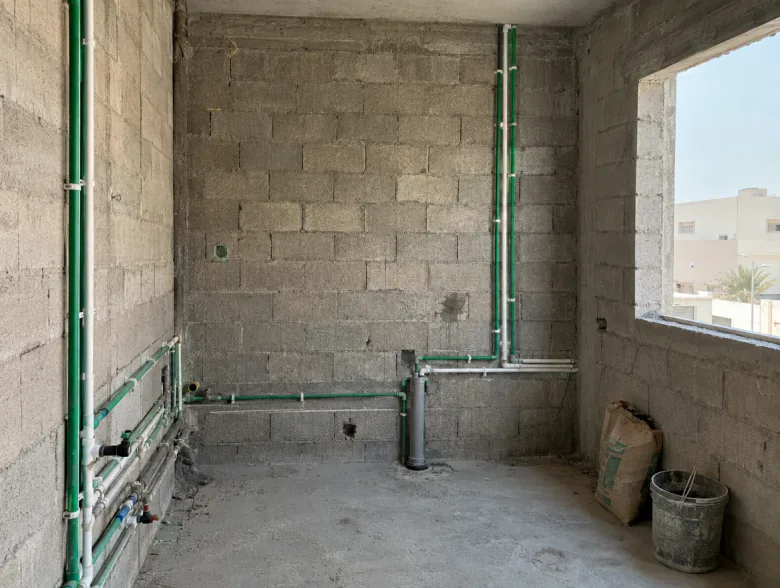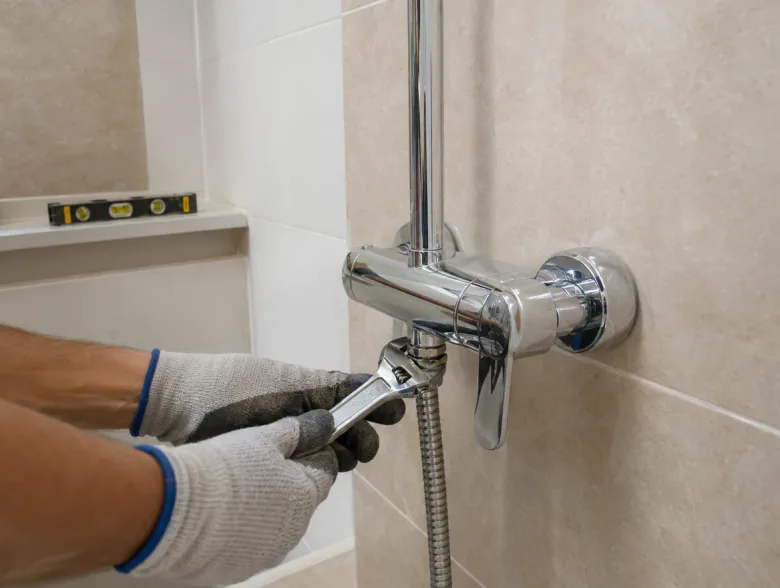
What bathroom plumbing includes
- Checking the bathroom main supply valve and the feed pipes to every fixture
- Checking the mixers and the hot and cold valves, and replacing what needs replacing
- Checking the toilet cistern, the float valve and the flush valve, and repairing their faults
- Checking the basin trap and the shower drain connections, and verifying the falls are correct
- Fitting new sanitary ware and connecting it to the existing bathroom plumbing
- Identifying the nature and location of the fault and telling the homeowner what was found and what was repaired
From your call to the repair
- 1
Tell us what you notice
Call or message us on WhatsApp and describe the fault you see in the bathroom, whether it is low pressure, a slow drain or a persistent sound.
- 2
We check the supply first
We start at the bathroom main valve, then follow the supply pipes to the basin, shower and toilet, checking the mixers and internal valves.
- 3
We move to the drain network
We check the basin trap, the shower connections and the toilet outlet, and verify that the falls are right and the joints are tight with no air or water leaking.
- 4
We repair the fault and verify the result
Once the fault is found, the necessary repairs are carried out; then we run the water and follow the pressure and the drain to make sure every connection works as it should.
A bathroom works quietly when its connections are sound
- We check the supply and the drain together, not one without the other
- We treat faults in mixers, valves and traps
- We take your request by phone call or WhatsApp message
- We find the fault before opening any connection
- Bathroom plumbing is checked in order, from supply to drain
The service in Haradh
In a town like Haradh, homes have multiple plumbing systems to distribute water and drain it. Low pressure may come from a partially empty tank, a weak valve or a partial pipe blockage. A slow drain is usually caused by salt deposits from the salty groundwater, especially in Al-Ahsa. A toilet that keeps running points to a valve fault or a leak in the fittings. There may be hidden leaks at joints or around pipes below the surface. The check starts from the water source and tank, then main pipes, branches, valves and drains.
Haradh is a town in Al-Ahsa governorate in the Eastern Province, close to Ash Shuruq, Al Ekhaa and Ar Rabie.
Salt deposits and variable pressure in town water systems require a complete check of every part of the plumbing.
Our portfolio















What our customers say
- ★★★★★
شكرا على التواصل وصلو في اسرع وقت ممكن
- ★★★★★
شكرا على التواصل السريع
- ★★★★★
شركة ممتازة تستحق التعامل معها بشكل مستمر
Reviews are shown as the customers wrote them, in Arabic.
Questions about Bathroom plumbing in Haradh
Not always. The cause may be in the flat main supply valve, in deposits blocking the shower head, or in the bathroom supply pipe itself. We check all of these in order, because each cause needs a different repair, and replacing the shower head will not help if the pipe is the problem.
In most cases the float valve in the cistern does not close fully, so water keeps entering slowly without being noticed from outside. The cause may also be the flush valve at the base of the cistern. Both are small parts, but leaving them wastes a large amount of water over time.
In most cases yes, provided the connection points match the new fixture and the existing pipes are the right size. The existing plumbing is checked first before any fitting, because connecting a new fixture to a corroded pipe or a cracked joint will cause a leak later.
The mixer is the fitting that blends hot and cold water and controls the flow at the point of use; a fault in it shows as dripping or temperature fluctuation. The valve controls whether water enters the network or is cut off; a fault in it affects pressure or prevents the water from shutting off completely.
A plumbing fault usually shows at the point of use: a dripping mixer, a slow drain or low pressure. A leak inside the wall shows as damp or cracking away from visible connections, and may need instrument detection. If there is no clear sign at the fixture itself, it is better to check the structure.
Look for damp around joints or under visible pipes, and listen for noises or drips at night when water is not in use. A direct check finds the exact location of the leak.
It may be a leak from the basin joints or from the pipes below, or it may be damp from bathing. The check tells the difference between a real leak and normal moisture based on where it is and whether it persists.