What pool leak detection includes
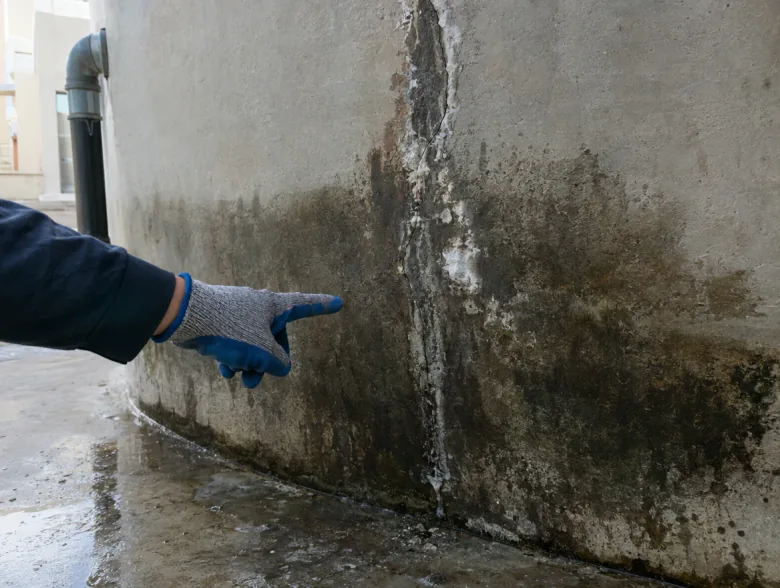
- Checking the shell walls and floor with instruments for fine cracks and tile joints that have lost their sealant
- Checking the drain, skimmer and return fittings with electronic detection instruments
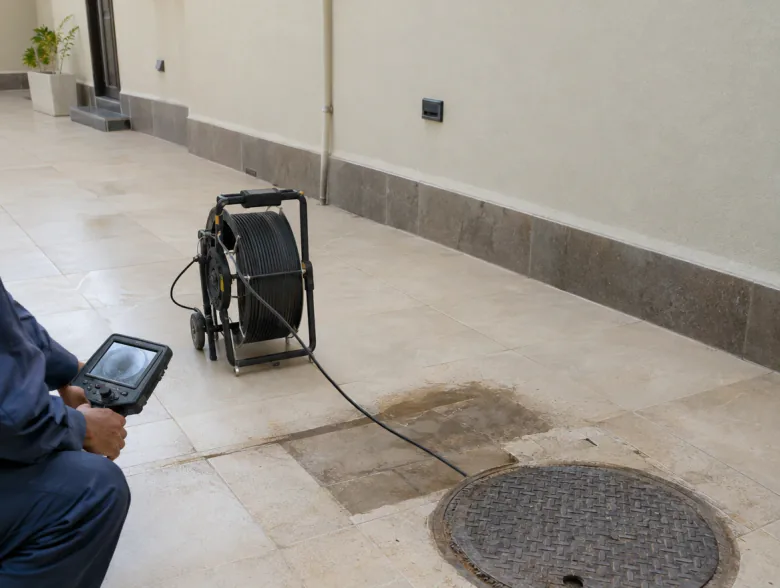
- Checking the circulation pipes between the pool and pump room without breaking anything
- Checking the pump room and its visible pipes for any water loss
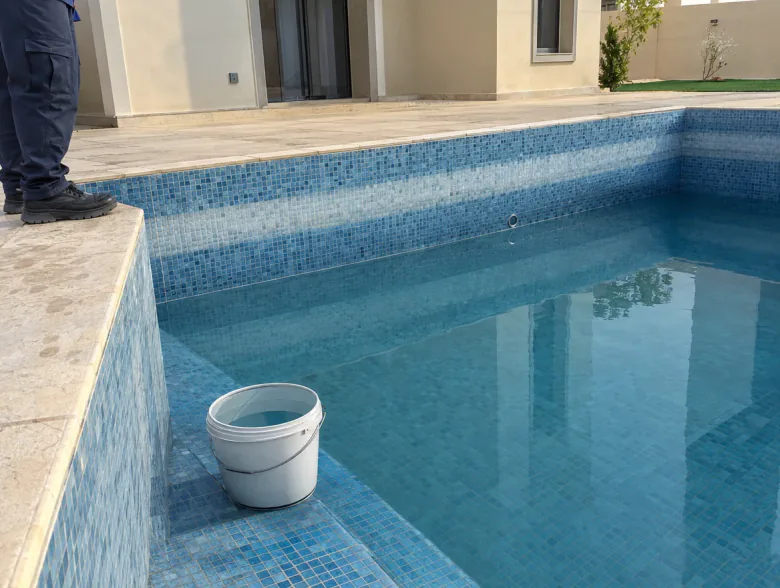
- Distinguishing evaporation loss from a real leak based on inspection findings
- Recording the pool leak's location and cause in a certified report handed over once the inspection is complete
From your call to finding the source
- 1
Tell us what you see
Call or message us on WhatsApp and describe how fast the level drops, when you first noticed it, and whether the drop stops when the pump is off.
- 2
We check the shell and joints
We check the pool walls and floor for fine cracks and tile joints that have lost their sealant, as these are common entry points for leaks.
- 3
We check fittings and pipes
We check the drain and skimmer connections, the return fittings and the pump room, then the circulation pipes running outside the shell, with electronic instruments and no breaking.
- 4
You receive a certified report
After inspection you receive the result in writing, with the leak's location and cause, and you decide the next step in treating the pool leak.
Relax, the source can be found
- We find the leak without breaking the shell
- We check cracks, joints, fittings and pipes
- We tell normal evaporation from a real leak
- Certified report after inspection states the source and cause
- We take your request by phone call or WhatsApp message
The service in Al Mubarraz
Pools in Al Mubarraz homes face strong heat and constant evaporation, which hides real leaks. The pool is checked for cracks in the walls or floor, leaks at construction joints, and leaks from supply or drain pipes. The instrument tracks escaping water without the technician breaking or cutting, then the needed work is identified: repairing a crack, sealing a joint, or treating a pipe.
Al Mubarraz is a village in Al-Ahsa governorate in the Eastern Province, close to As Sulaimaniyah District, As Saifa District and An Nasriyah District.
Hairline cracks and hidden joints in the pool floor are the hardest leak sources to find by hand.
Our portfolio















What our customers say
- ★★★★★
شغلهم ميه ميه يشكرو عليه
- ★★★★★
شكرا على التواصل السريع
- ★★★★★
شركه ممتاز شغلهم كويس ويعطيهم العافيه
Reviews are shown as the customers wrote them, in Arabic.
Questions about Pool leak detection in Al Mubarraz
Place a full bucket on a pool step, mark both levels, and leave them a full day without use. If the pool drops more than the bucket, evaporation alone does not explain the difference and a leak is likely. That is the point to call us for an inspection.
A leak usually comes from a fine crack in the shell wall or floor, a tile joint that has lost its sealant, or the drain, skimmer or return fittings. The circulation pipes between the pool and the pump room are another common source, and sometimes the pump room itself is where the water escapes. No single spot is always responsible, which is why instrument-based inspection matters.
Yes, it is a useful clue. When the level stops at a certain height, it often means the leak opening is near that height, whether it is a tile joint, a drain fitting or a wall crack. That tells us where to begin with the instruments.
In most cases, yes. Electronic detection instruments trace where the water goes outside the shell without breaking anything. Where the pipes between the pump room and the pool run, the instruments find the loss point first, so the exact spot is known before anything is opened.
Tell us roughly how fast the level drops, whether the drop continues when the pump is off or stops, whether you have noticed damp or a crack on the pool wall or around the pump room, and when the drop started. The clearer these details are, the more directly we can aim the inspection at the most likely spot from the start.
Evaporation is natural in heat, but if the water drops faster than before or you see a damp patch round the pool or under the edge, there is a leak. The technician measures the rate and uses instruments to confirm.
Say where the pool is in the yard, how far it is from the main water pipes, how long the problem has been happening, and send a photo showing the water, the edge and the ground around it.
More services in Al Mubarraz