What pool leak detection includes
- Checking the circulation pipes between the pool and pump room without breaking anything
- Checking the shell walls and floor with instruments for fine cracks and tile joints that have lost their sealant
- Checking the pump room and its visible pipes for any water loss
- Recording the pool leak's location and cause in a certified report handed over once the inspection is complete
From your call to finding the source
- 1
Tell us what you see
From Ar Rawdah District, one call or WhatsApp message at any hour is enough: tell us what you see and where it shows.
- 2
We check the shell and joints
We check the pool walls and floor for fine cracks and tile joints that have lost their sealant, as these are common entry points for leaks.
- 3
We check fittings and pipes
We check the drain and skimmer connections, the return fittings and the pump room, then the circulation pipes running outside the shell, with electronic instruments and no breaking.
- 4
You receive a certified report
After inspection you receive the result in writing, with the leak's location and cause, and you decide the next step in treating the pool leak.
Relax, the source can be found
- Certified report after inspection states the source and cause
- We reach Ar Rawdah District as we reach every city and centre of Al-Ahsa
- We find the leak without breaking the shell
- We tell normal evaporation from a real leak
The service in Ar Rawdah District
In a district like Ar Rawdah, pools differ in size, depth and material. The leak may be in the concrete shell or plastic liner, in joints between surfaces, or in buried supply pipes. Often lost water is slow and easy to overlook for weeks until obvious. Instrument detection traces water from the surface without random digging, so the exact leak location and repair type become clear.
Ar Rawdah District is a district in Al-Ahsa governorate in the Eastern Province, close to Al Olaya District, Al Uwaimiriyah District and Ladhah District.
The first sign of real leakage is a loss that exceeds natural evaporation, and instruments clarify the difference.
If you are near Ar Rawdah District, in Al Olaya District, Al Uwaimiriyah District and Ladhah District for example, the service reaches you there too.
Our portfolio
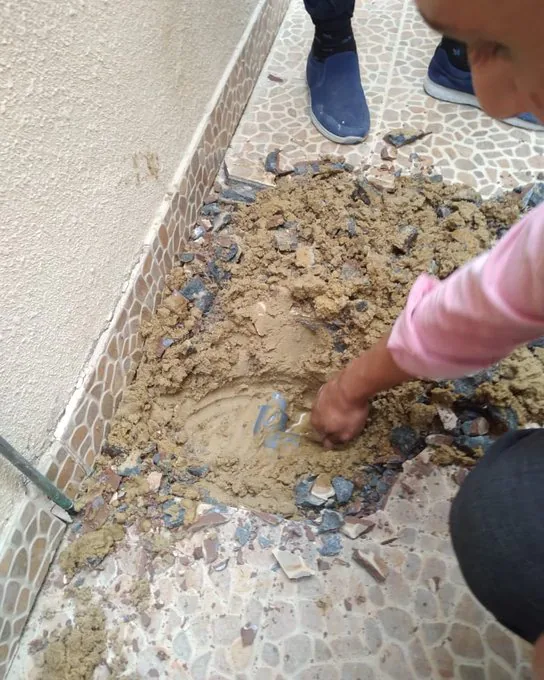
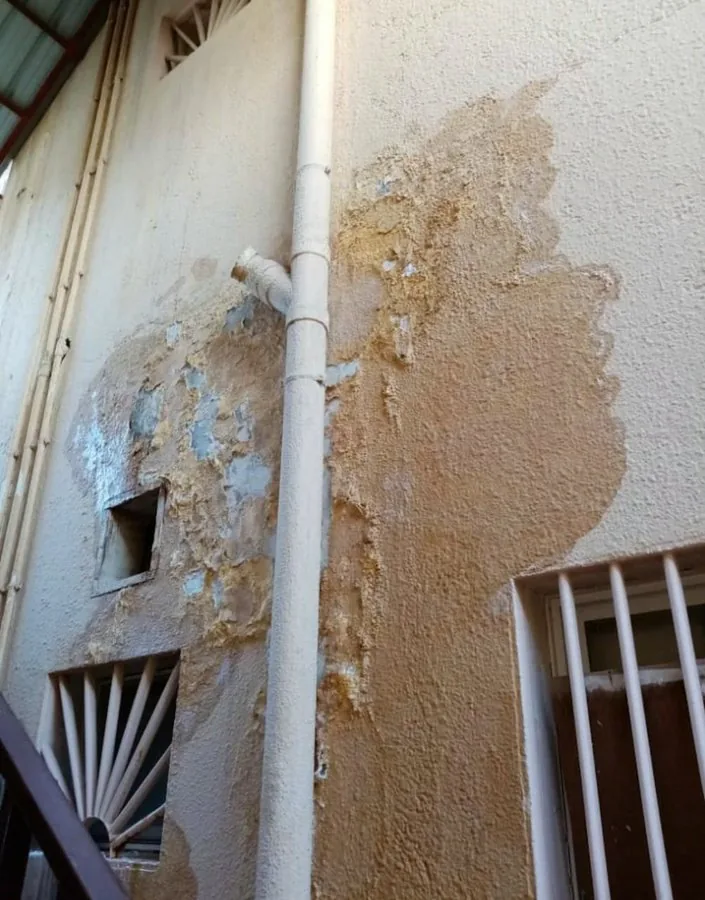
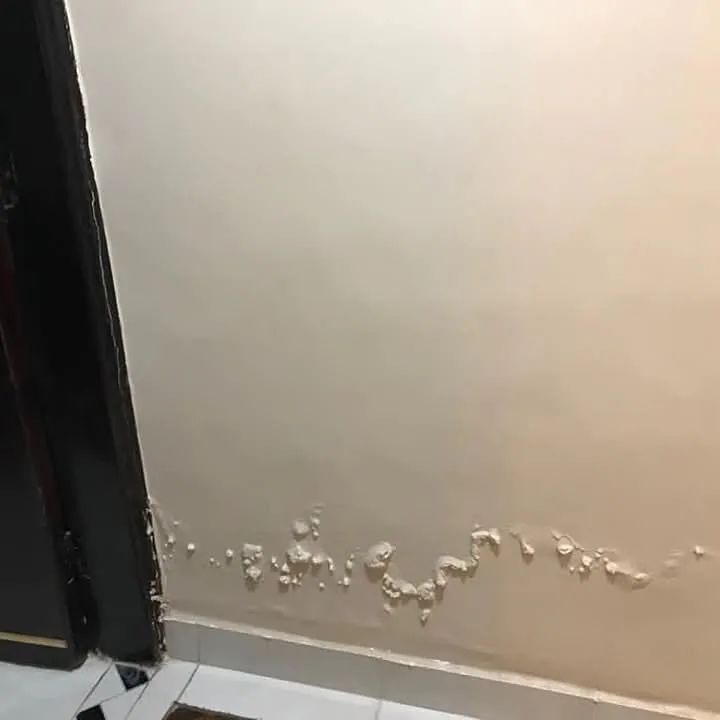
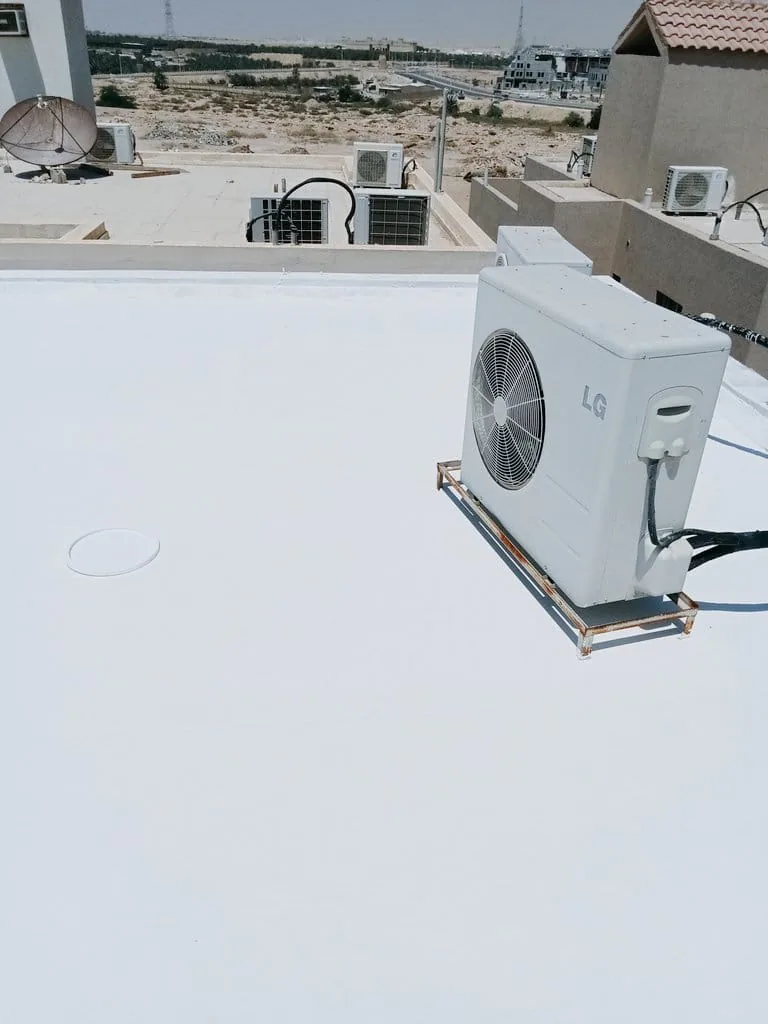
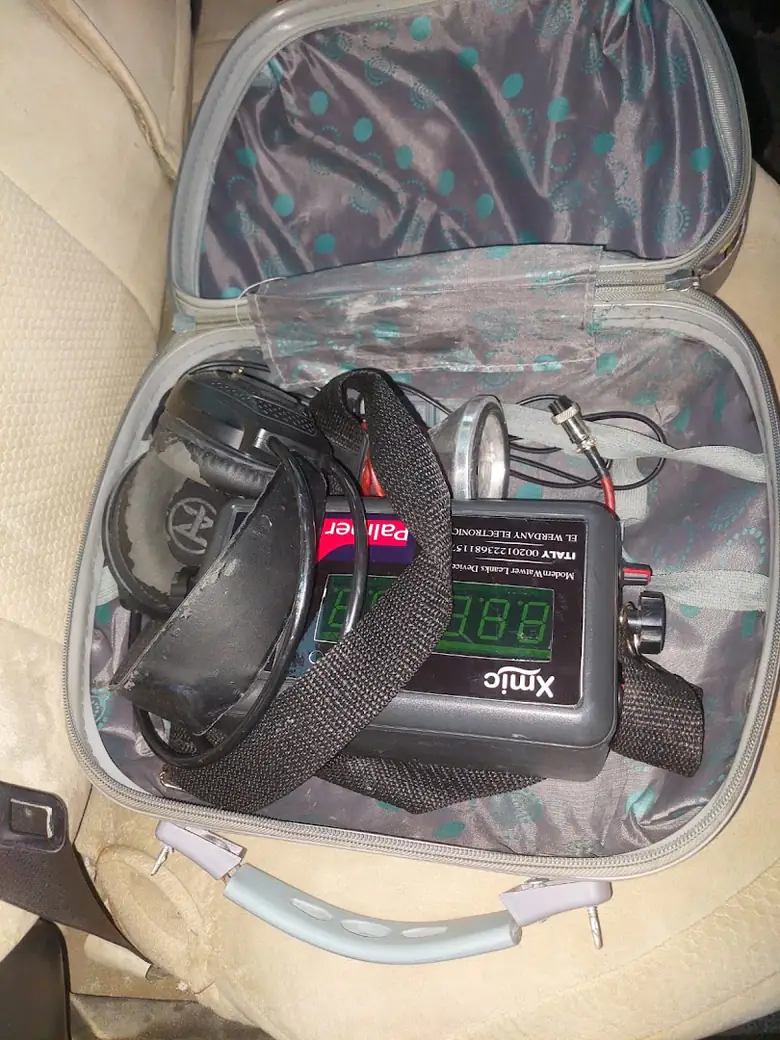
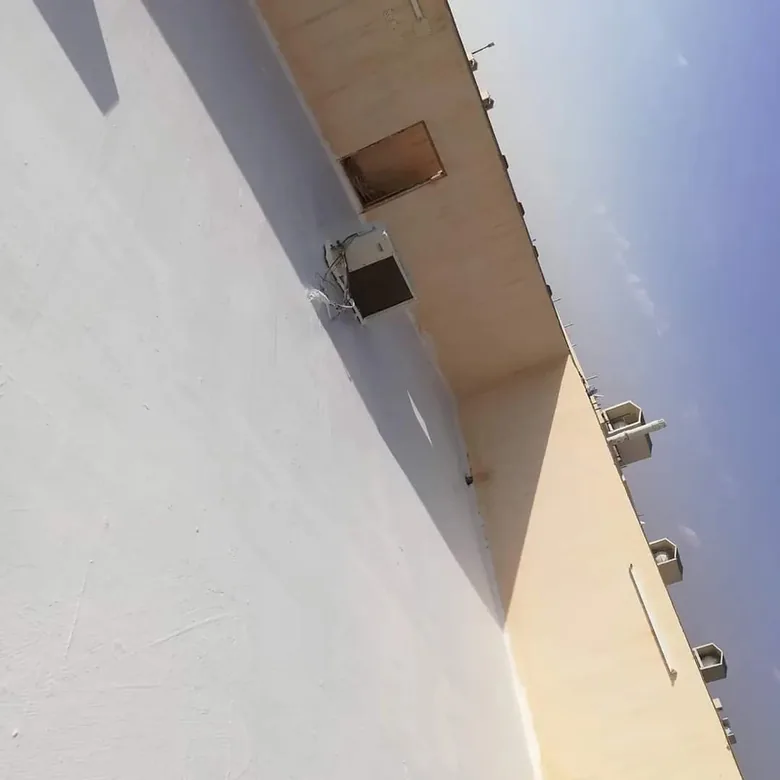
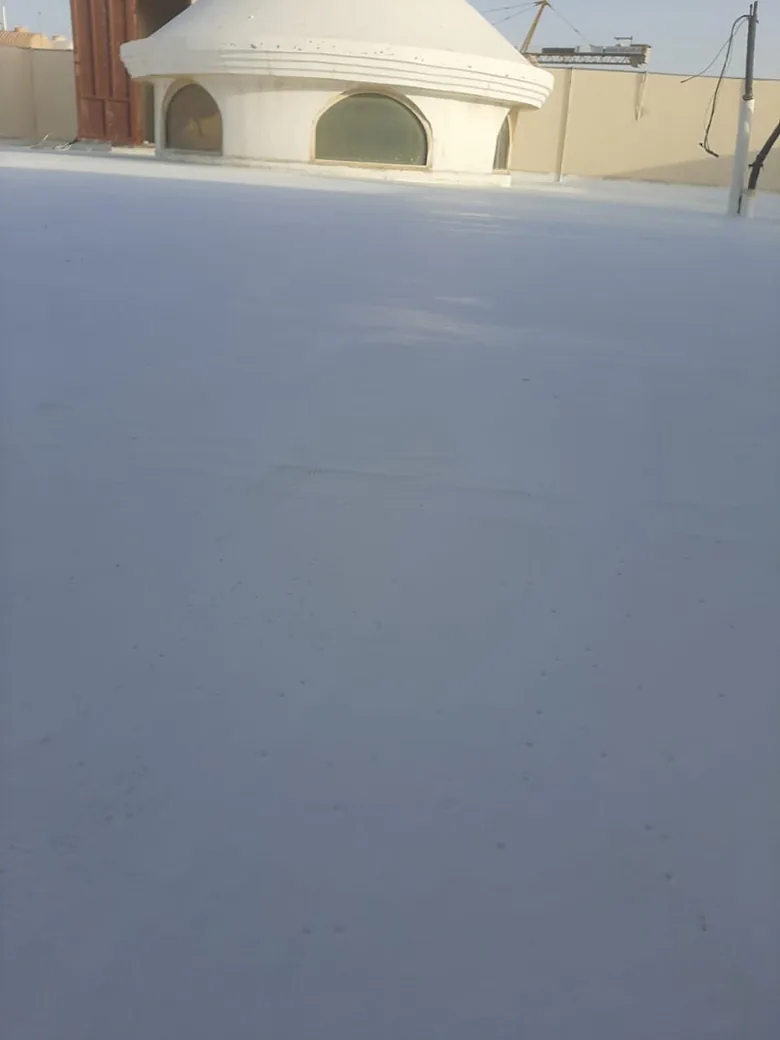
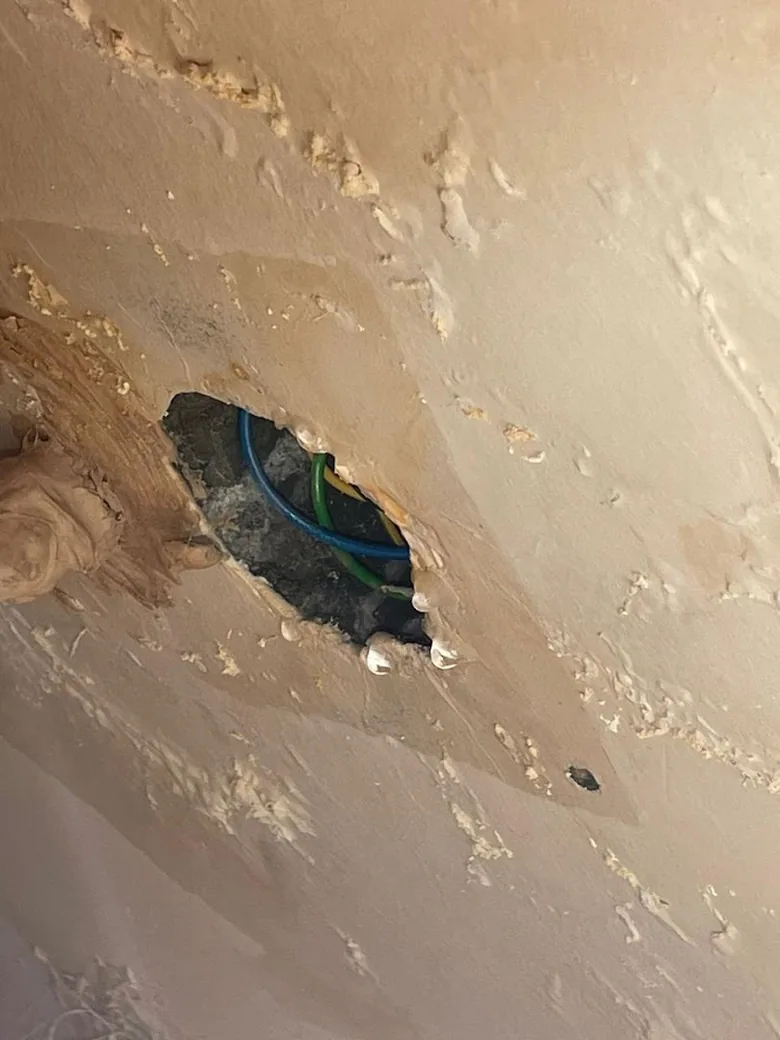
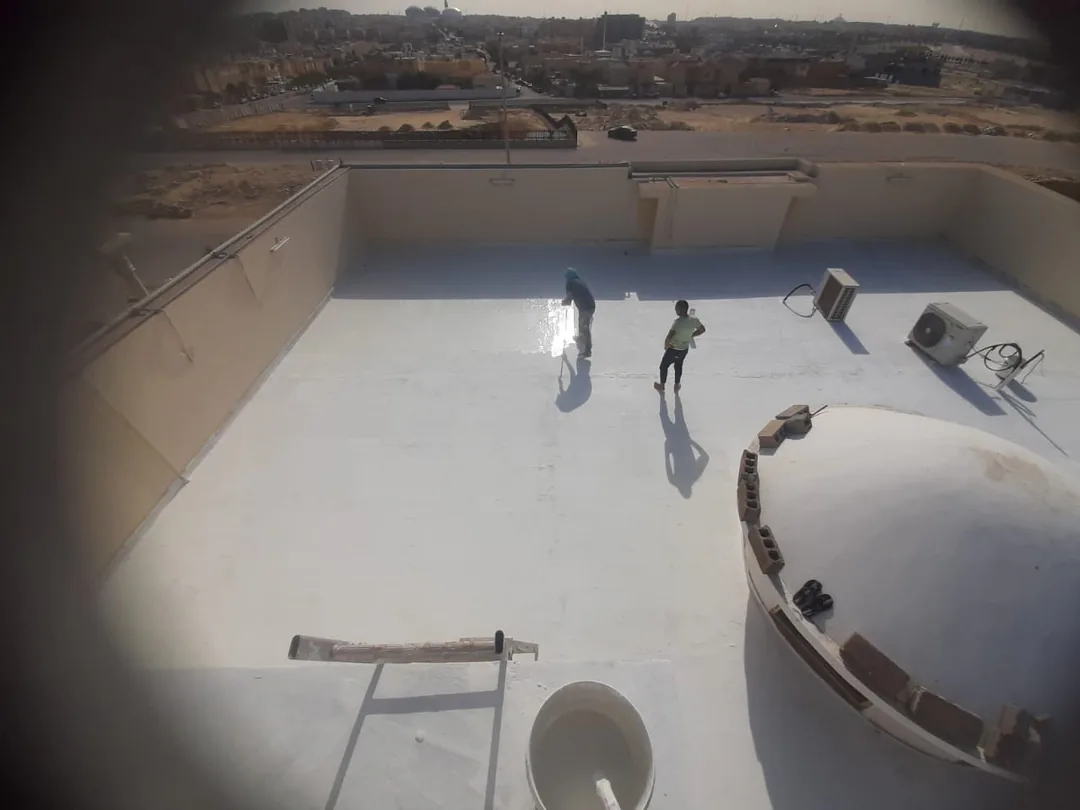
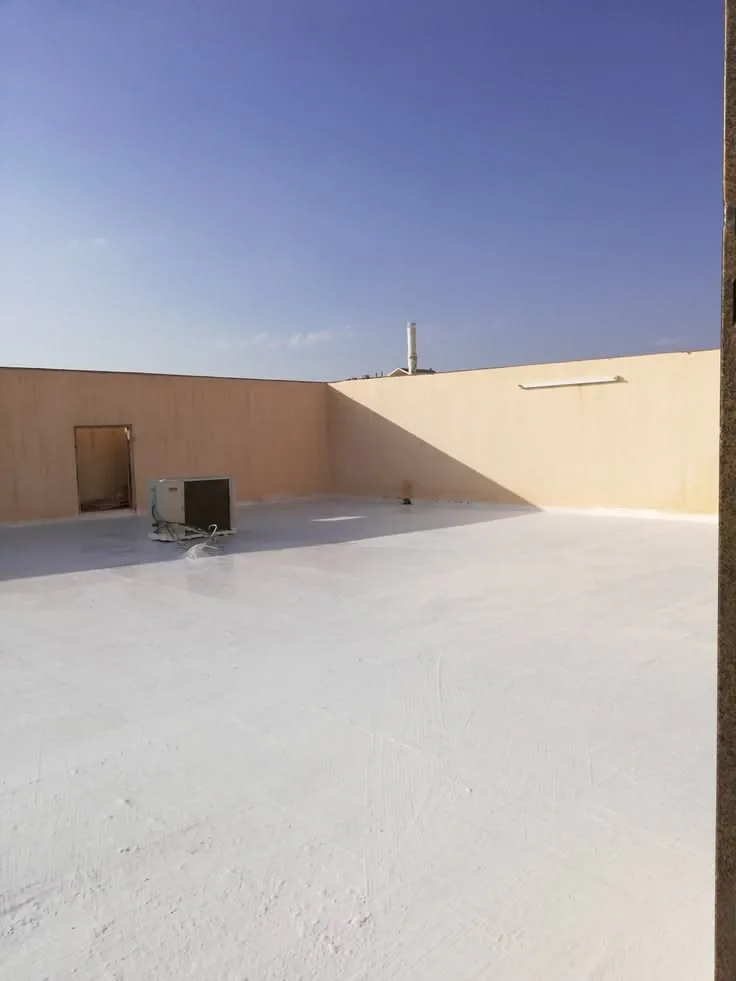
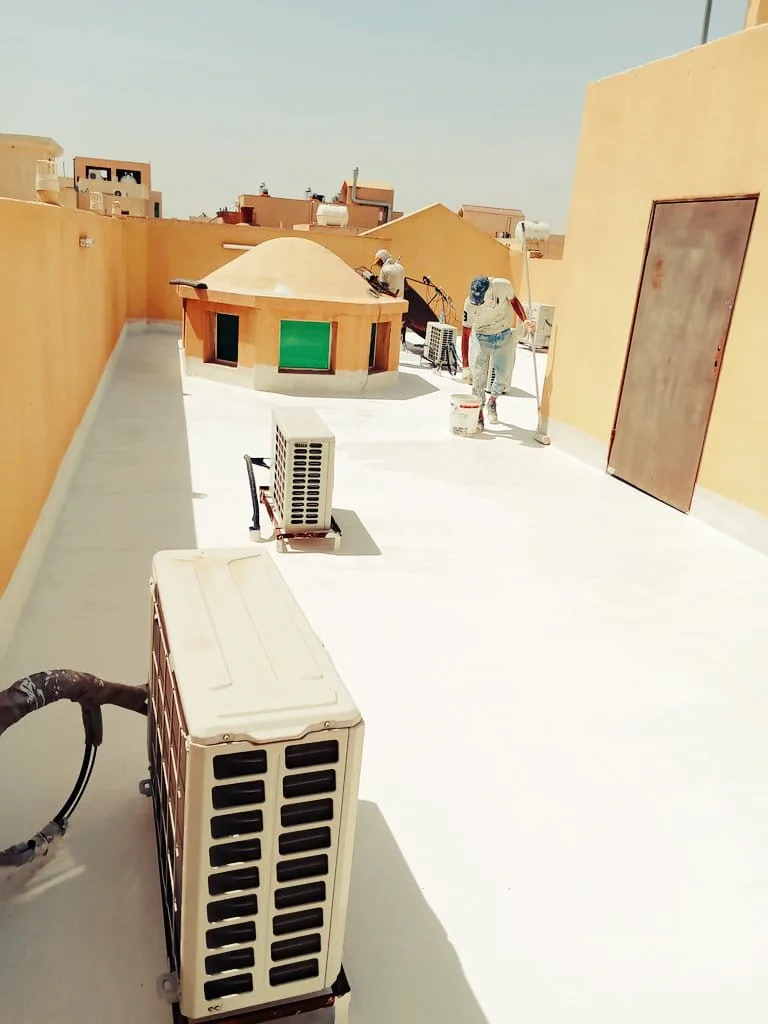
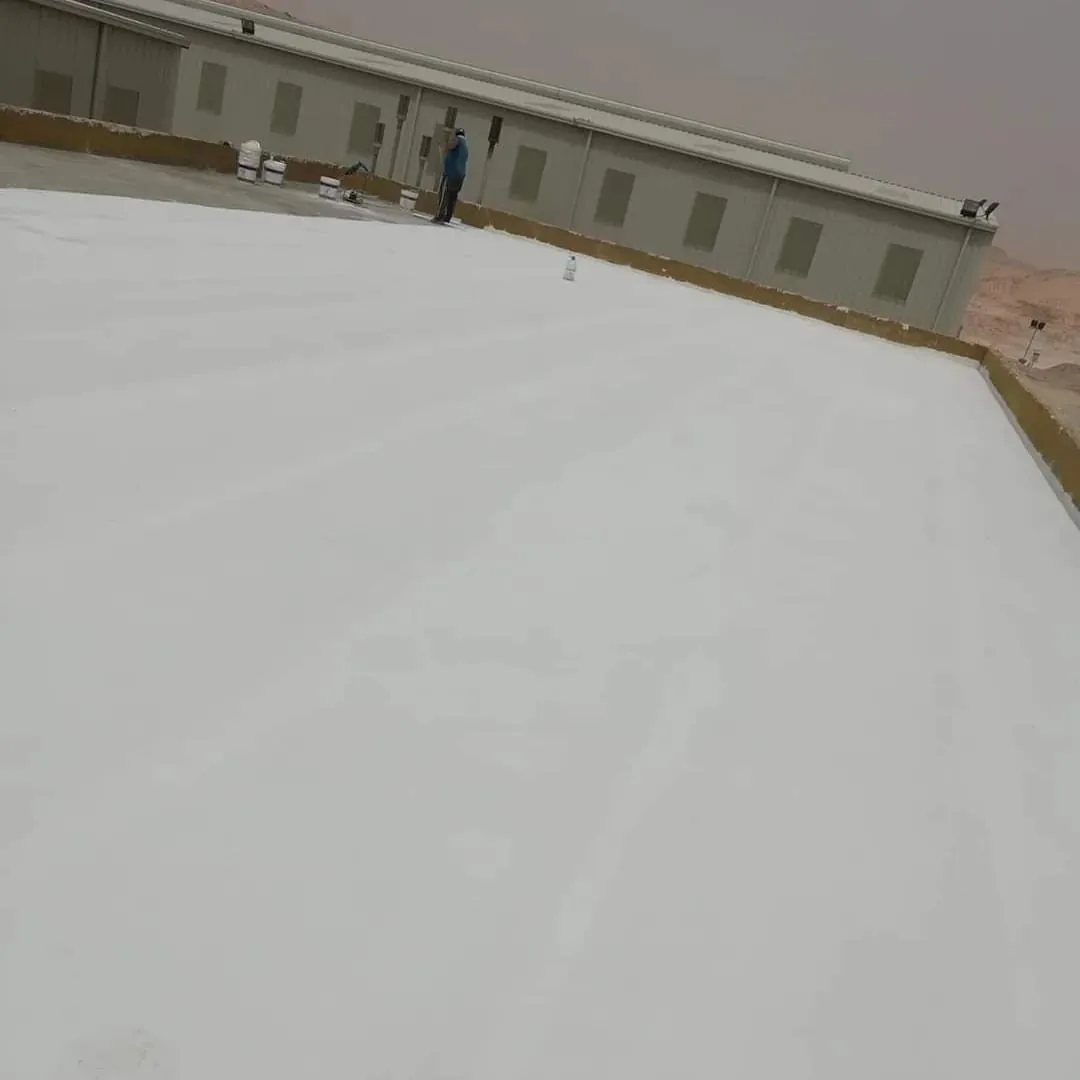
What our customers say
- ★★★★★
ممتاز والخدمة ان شاء الله تكون قد التوقعات
- ★★★★★
شركه ممتازه
- ★★★★★
شكرا على التواصل السريع
Reviews are shown as the customers wrote them, in Arabic.
Questions about Pool leak detection in Ar Rawdah District
Describe the pool size roughly and age, say how much water is lost per week approximately, and whether the liner is intact or shows visible cracks. If there are wet patches around the pool, mention them, and send a photo if you can.
The shell is checked inside and out, joints, bottom and edge, and visible and buried pipe routes. Then instruments trace lost water until the exact location is identified.
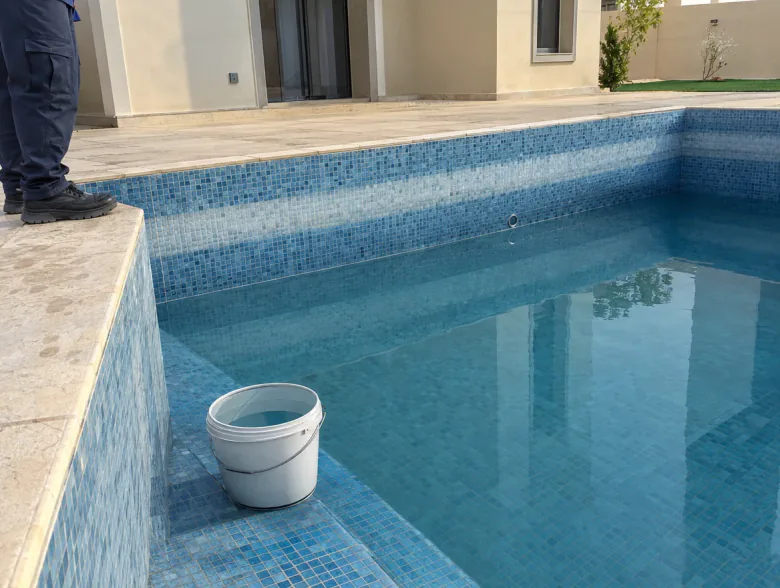
Place a full bucket on a pool step, mark both levels, and leave them a full day without use. If the pool drops more than the bucket, evaporation alone does not explain the difference and a leak is likely. That is the point to call us for an inspection.
Yes, it is a useful clue. When the level stops at a certain height, it often means the leak opening is near that height, whether it is a tile joint, a drain fitting or a wall crack. That tells us where to begin with the instruments.
Yes. Ar Rawdah District is one of our service areas in Al-Ahsa, together with Al Olaya District, Al Uwaimiriyah District and Ladhah District.
A leak usually comes from a fine crack in the shell wall or floor, a tile joint that has lost its sealant, or the drain, skimmer or return fittings. The circulation pipes between the pool and the pump room are another common source, and sometimes the pump room itself is where the water escapes. No single spot is always responsible, which is why instrument-based inspection matters.
More services in Ar Rawdah District
Pool leak detection in nearby areas