From your call to a treated roof
- 1
Tell us what you see
Call or message us on WhatsApp and tell us what you notice: a damp patch, peeling paint, heat on the top floor, or cracks you can see on the roof.
- 2
We inspect the roof
We read the condition of the existing layer and locate the cracks, joints, drains and the base of the parapet, as each is a potential entry point for water or heat.
- 3
We prepare the surface
A layer will not hold on an unprepared surface. Preparation includes treating cracks, cleaning the drains and levelling low spots before any waterproofing material is applied.
- 4
We apply the right system
We choose from bitumen rolls, epoxy coating or sprayed polyurethane foam according to what the inspection reveals, and we give the joints and edges the care they need.
What makes the difference in this work
- We read the roof before choosing the waterproofing material
- We treat cracks, joints and roof drains
- Three systems: bitumen, epoxy and polyurethane foam
- We take your request by phone call or WhatsApp message
- Cost depends on the roof's condition and you find out by contacting us
The service in As Sunaidah District
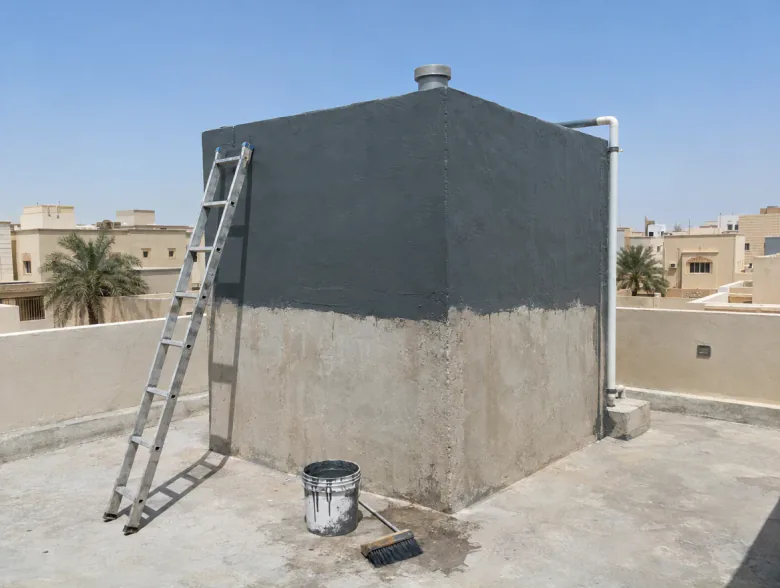
Flat roofs in a district like As Sunaidah face rare but heavy rains, and water pools at joints, the parapet and drains. Roofs often carry tanks and stair covers, each a potential leak point. Waterproofing starts with checking the roof to find where water enters, then the area is cleaned and prepared before the water-resistant layers are applied. A sound, dry surface is essential.
As Sunaidah District is a district in Al-Ahsa governorate in the Eastern Province, close to Munifah District, Ar Rafiah District and Al Marbidia District.
Water enters first at joints and corners, so the inspection focuses on these areas before anywhere else.
Our portfolio














What our customers say
- ★★★★★
شغلهم نظيف وسريعين ومحترمين الله يعطيهم العافيه
- ★★★★★
شركه ممتاز شغلهم كويس ويعطيهم العافيه
- ★★★★★
شركة ممتازة تستحق التعامل معها بشكل مستمر
Reviews are shown as the customers wrote them, in Arabic.
Questions about Roof waterproofing in As Sunaidah District
It depends on the condition of the old layer. If it is intact and bonded to the surface it may serve as a base. If it is cracked, blistered or loose, removing or treating it first is what allows the new layer to hold. Applying a layer over an unprepared surface brings the problem back.
The most common entry points are hairline cracks in the concrete, the joints where the roof meets the parapet, and around the base of drains, pipes and air-conditioner stands. The smooth middle of the roof is less exposed than these edges and joints, so they deserve special care during waterproofing.
Waterproofing stops water getting in through cracks and joints. Heat insulation reduces how much heat passes down into the rooms below the roof. A roof may need one or both, and waterproofing is often treated first because damp under a heat-insulating layer weakens it. We inspect the roof to decide what it actually needs.
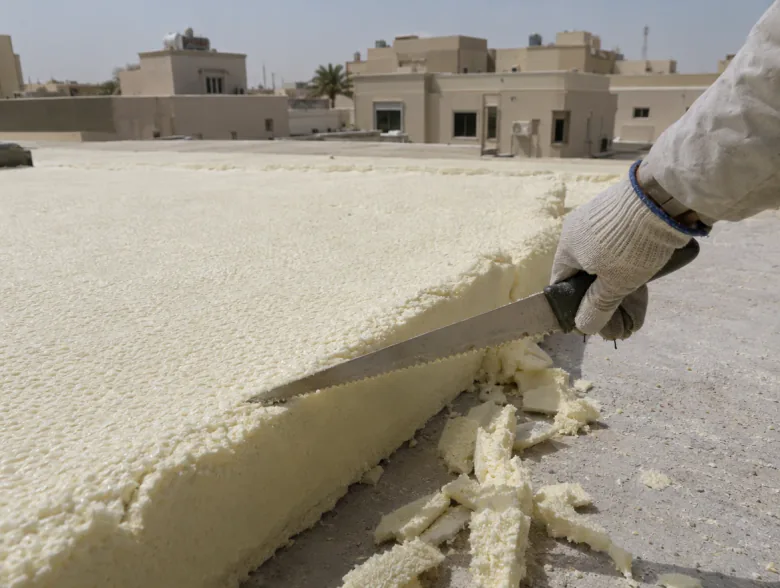
Three main systems: bitumen rolls, which are rubber-like membranes laid in overlapping strips and sealed at edges and joints; epoxy, a resin coating that hardens into a water-resistant layer; and polyurethane foam, sprayed on and expanding to cover the surface including small details. Choosing between them depends on the roof's condition and the nature of the problem.
They are two separate problems but can sometimes be treated together. Some waterproofing materials add a modest amount of heat insulation, but a roof that suffers serious heat often needs a dedicated heat-insulating layer alongside the waterproofing. We inspect the roof and decide what is enough and what needs adding.
Water travels sideways through the concrete before it drops, so the stain appears away from where it entered. Searching only at the ceiling does not reveal the source. The right inspection starts at the roof and at the known weak points such as joints and drains, not at the ceiling stain.
Tell us where the damp appears inside or what you see on the roof: cracks, blisters or an old layer. If the problem is heat, tell us which floor you live on and whether you notice a difference between rooms. The clearer your description, the easier it is to decide what the roof needs.
If you see damp stains on the ceiling of upper rooms or smell mould in corners, the roof needs checking. Visible cracks and joints in the roof surface are also a sign treatment is needed.
Mention exactly where damp stains appear in the house, whether the leak happened right after rain, and what tanks or fixtures are on the roof, and send a photo of the roof or stains on WhatsApp.
More services in As Sunaidah District