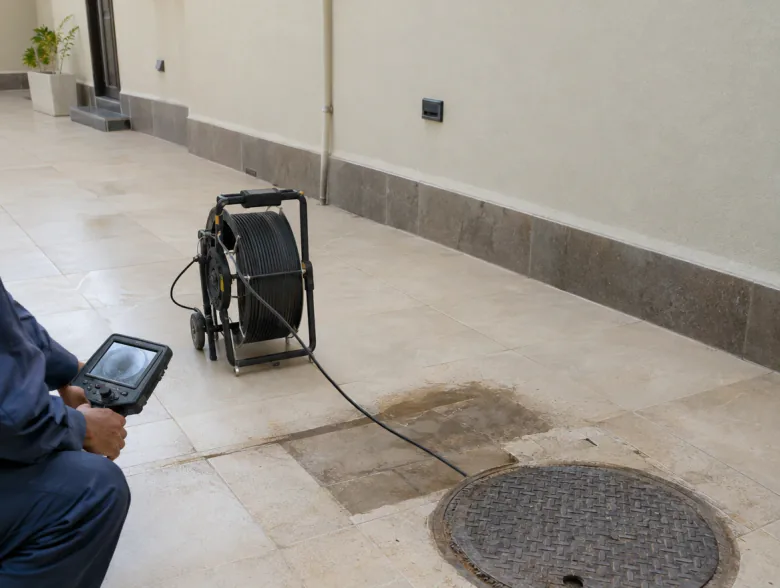
What sewage and drain leak detection includes
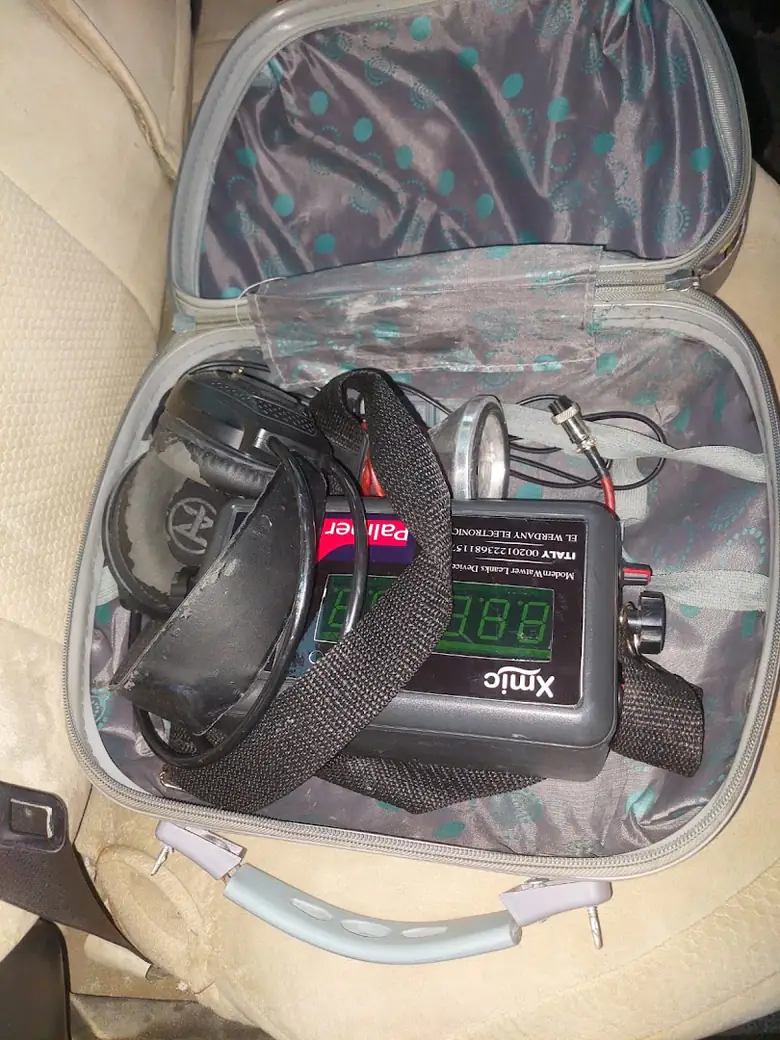
- Checking the indoor drain pipes with detection instruments, without lifting tiles or breaking walls
- Checking the joints between pipes and tracing where a loose seal or a crack lies
- Checking the soil and floor around the septic chamber for hidden damp
- Telling a drain pipe leak from a blockage on the basis of instrument readings
From your call to the report
- 1
Tell us what you see and smell
From Umm Rubay’ah, one call or WhatsApp message at any hour is enough: tell us what you see and where it shows.
- 2
We check with instruments, no breaking
We pass detection instruments along the drain pipe route, at the joints and at the inspection chambers, tracing hidden damp under the floor or behind the wall.
- 3
We pinpoint the leak and its cause
We tell a crack in the pipe body from a loose joint or a crack in the inspection chamber wall, because each needs a different repair.
- 4
You receive a certified report
After inspection you get the result in writing, with the leak location and cause, so you know exactly what needs repair before anything is opened.
Inspection gives you an answer, not a guess
- We tell a crack from a loose joint or a chamber wall fracture
- We reach Umm Rubay’ah as we reach every city and centre of Al-Ahsa
- We trace hidden damp under the floor and behind the wall
- We find the sewage leak without breaking anything
The service in Umm Rubay’ah
In a village like Umm Rubay'ah, homes rely on sewage pipes that carry water from the kitchen and bathroom to a pit or public drain. Problems usually show as damp around the foundations or on floors, with bad smells especially in hot weather. The first check with instruments traces the pipe route and pinpoints the exact spot of the leak, whether in the pipe itself or at its joints. The technician then decides on the right repair steps.
Umm Rubay'ah is a village in Al-Ahsa governorate in the Eastern Province, close to Umm al Hamam, UmmTali and 'Uray'irah.
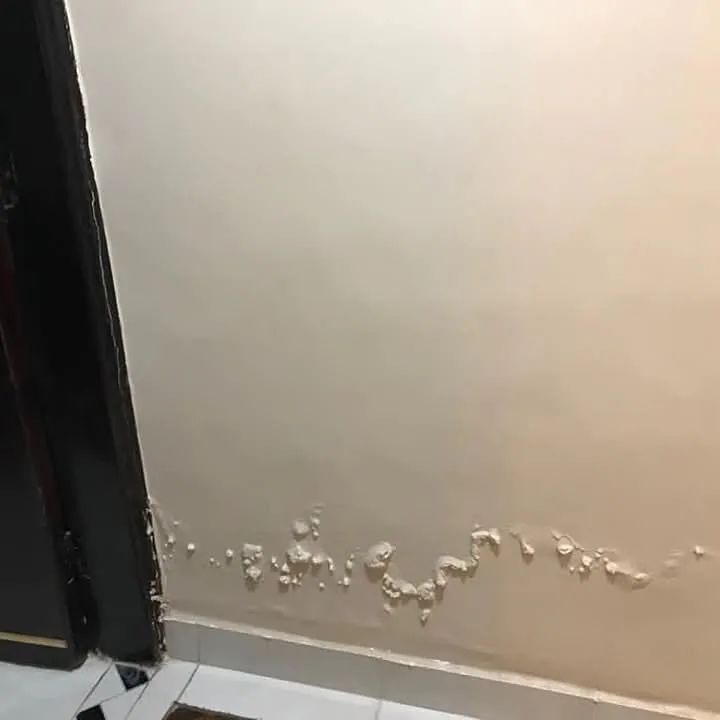
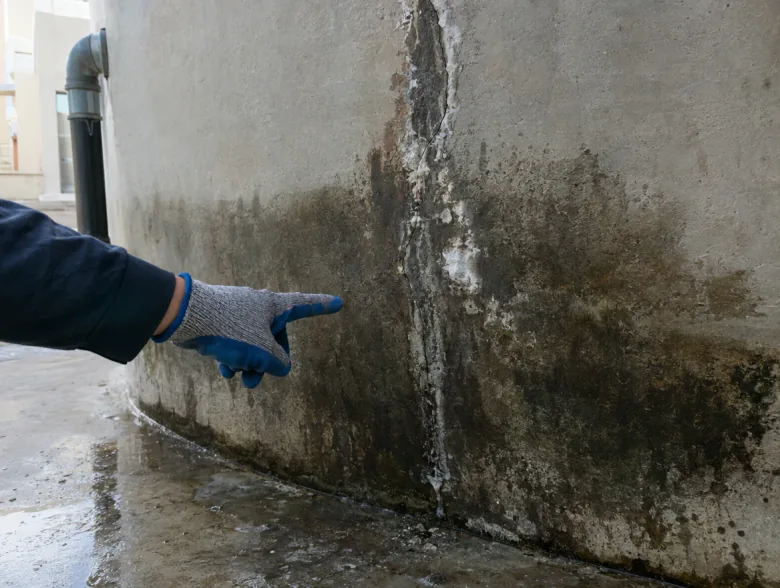
In pipes under floors and foundations, damp and bad smells are the first sign of a leak that needs precise detection.
If you are near Umm Rubay’ah, in Umm al Hamam, UmmTali and ’Uray’irah for example, the service reaches you there too.
Our portfolio
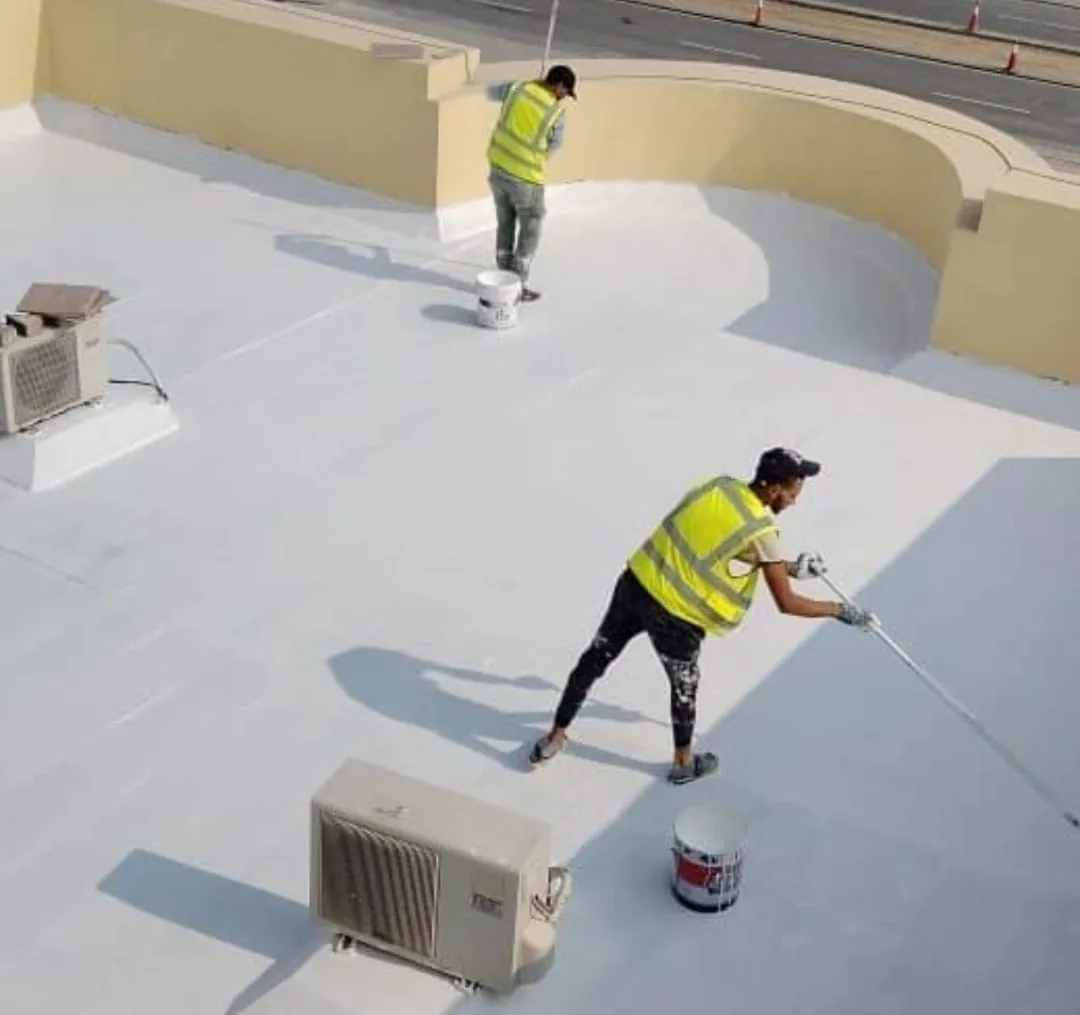
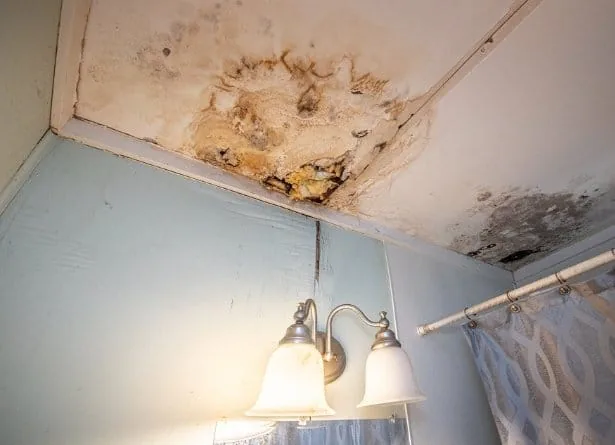
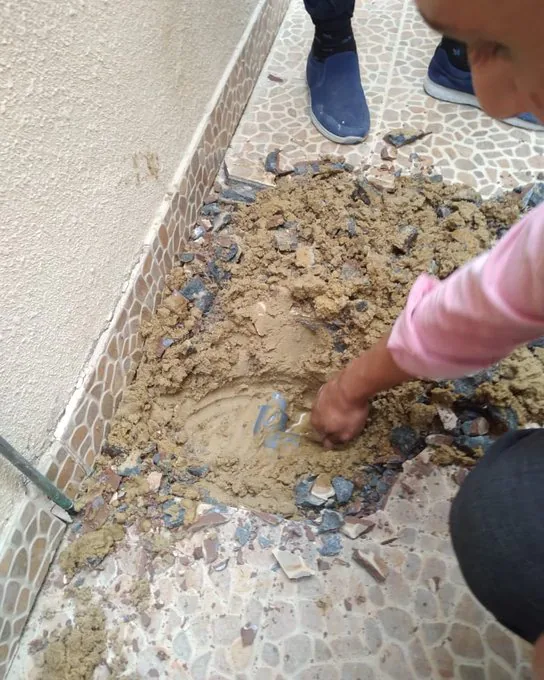
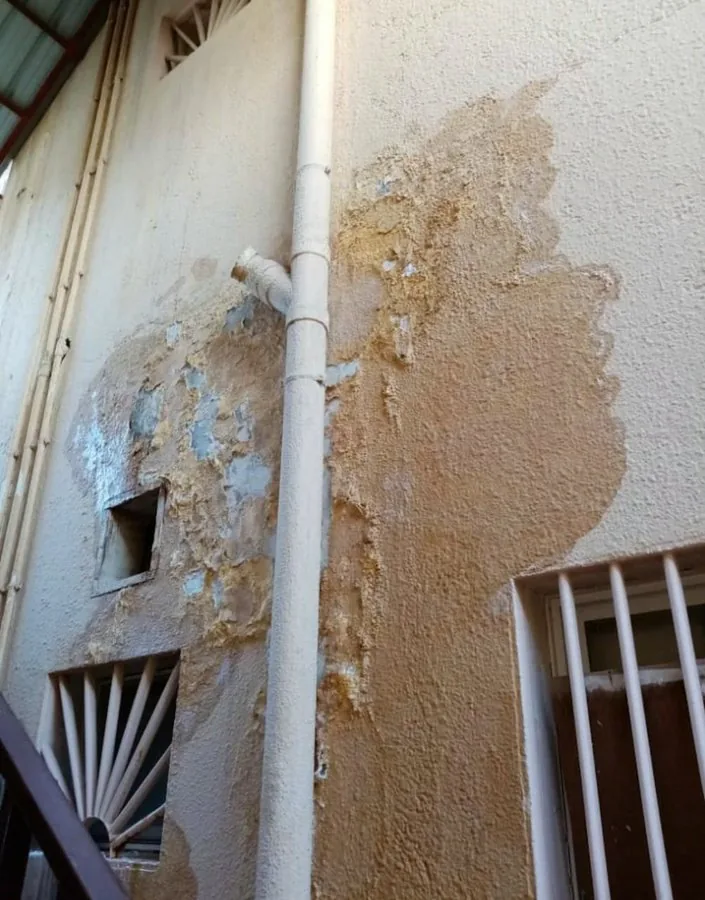
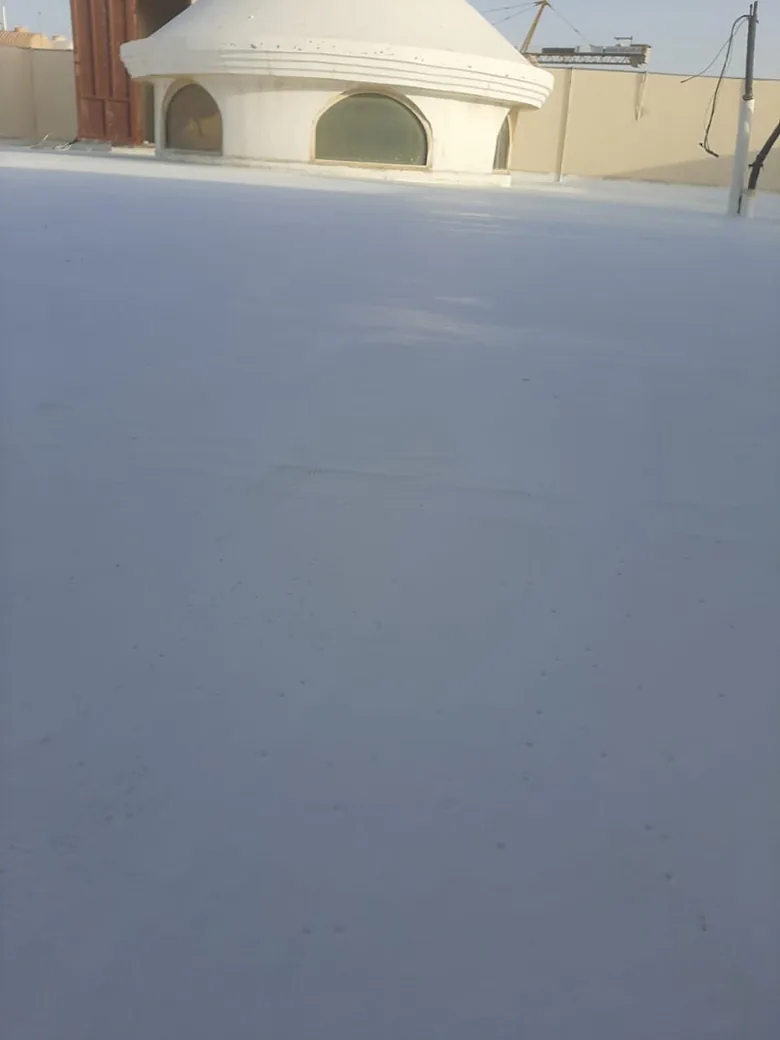
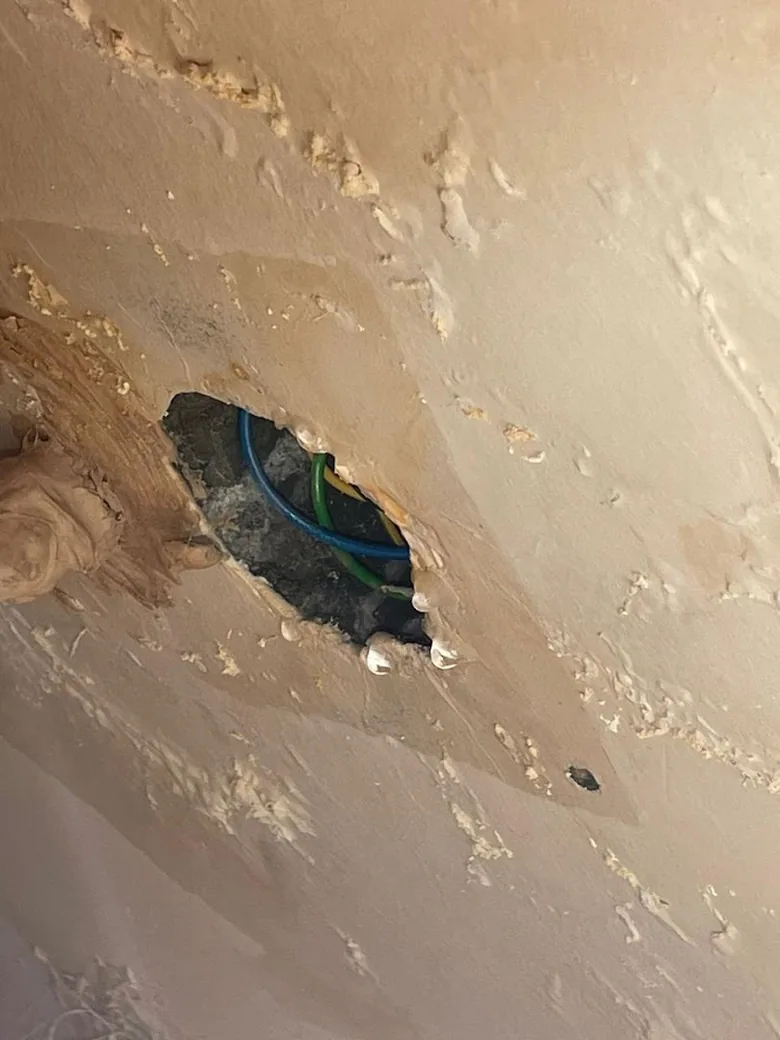
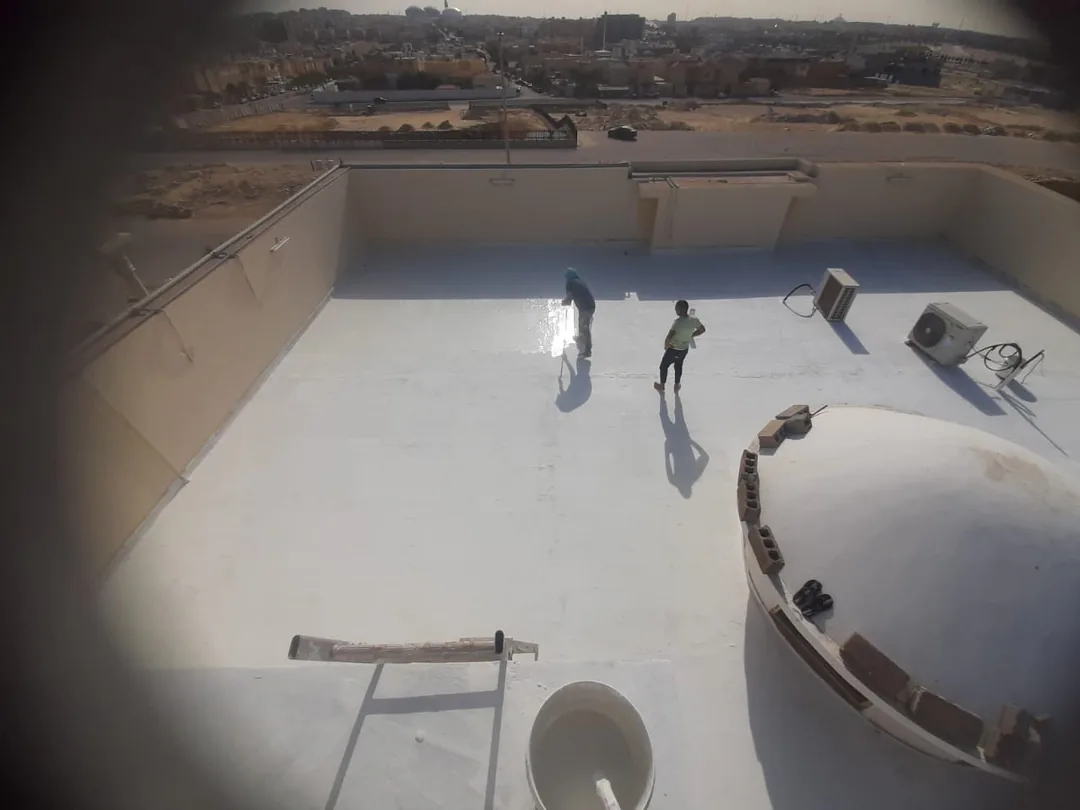
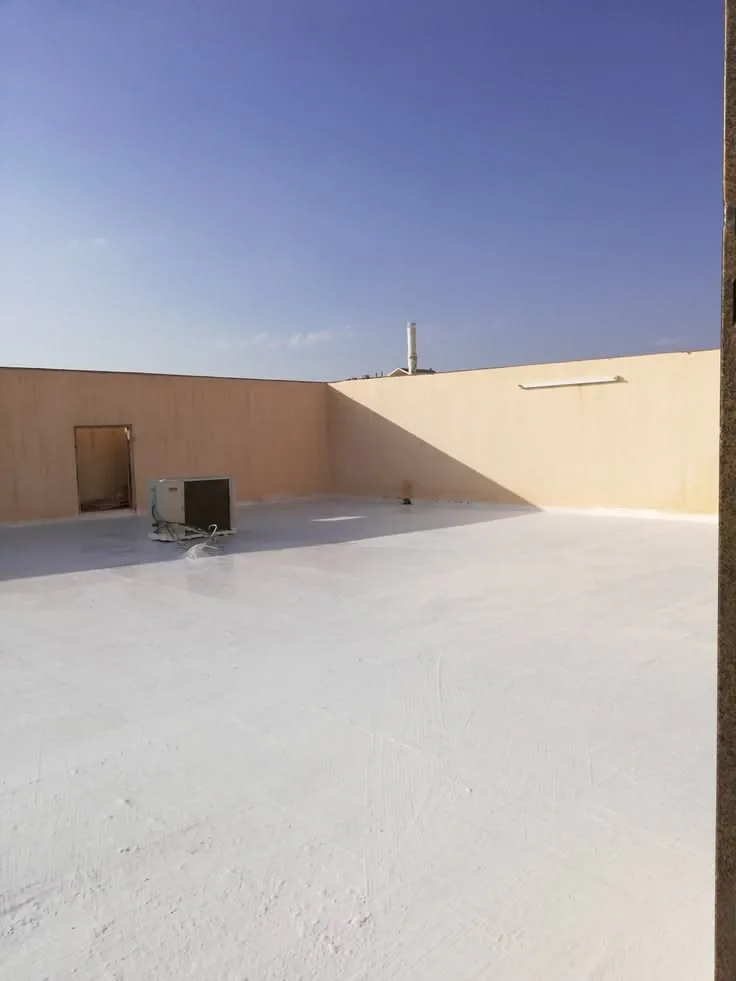
What our customers say
- ★★★★★
شكراً لخدمتك الجميلة
- ★★★★★
شغلهم كويس وناس ممتازه في اسرع وقت
- ★★★★★
شركه ممتاز شغلهم كويس ويعطيهم العافيه
Reviews are shown as the customers wrote them, in Arabic.
Questions about Sewage & drain leak detection in Umm Rubay’ah
If the damp comes with a bad smell that keeps returning, or appears on the foundation and floor even in dry seasons, it is likely from a sewage leak. Instrument detection confirms it.
Describe the exact location of the damp and smell, whether the problem is near the bathroom, kitchen or foundations, how long it has been there, and send a photo on WhatsApp if you can.
If moisture stays on the chamber walls after emptying, it usually means the crack lets water in from outside, not out, or that the surrounding soil is so saturated it feeds the chamber continuously.
A blockage makes water back up or drain slowly, and the sign disappears once the pipe is cleared. A leak leaves damp and smell even when water drains freely, and often shows in the nearby wall or floor with no drainage problem at all.
Tell us exactly where the smell or the damp appears, whether the ground or floor sinks anywhere, whether the inspection chamber is wet or unusually full, and whether drainage is slow or running normally. These details help us plan the inspection before we arrive.
Yes. Umm Rubay’ah is one of our service areas in Al-Ahsa, together with Umm al Hamam, UmmTali and ’Uray’irah.
More services in Umm Rubay’ah
Sewage & drain leak detection in nearby areas