
What instrument-based leak detection includes
- Scanning the suspect area with a thermal camera to map temperature differences that indicate moisture
- Checking surfaces, walls and ceilings with electronic instruments to measure conductivity and follow the water path
- Reading moisture content in materials with a moisture meter to define the boundaries of the affected zone
- Telling an actual leak apart from condensation and moisture from a different source
- Pinpointing the original entry point, not just the visible mark on the surface
- Documenting the result in a certified report after inspection, stating the position and the cause
From your call to the report
- 1
Tell us what you see
Call or message us on WhatsApp and describe what you see: where it is, when it appeared, and whether it is spreading or changing.
- 2
We scan with camera and instruments
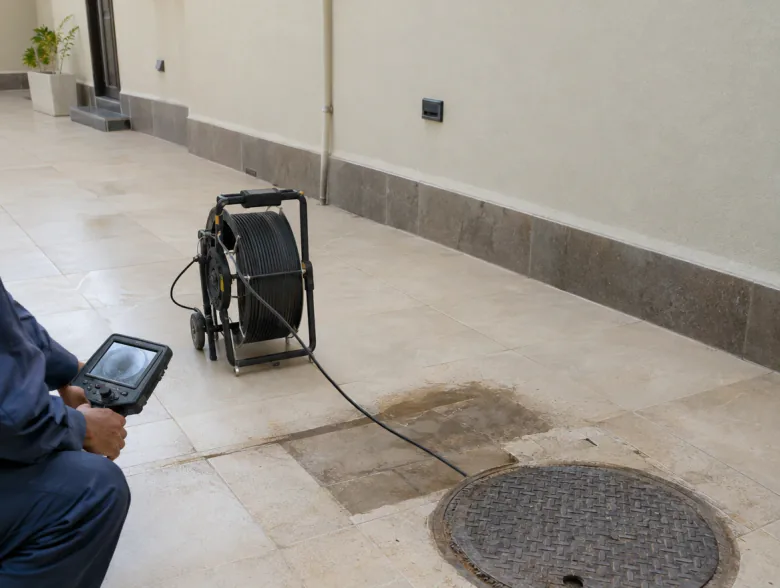
The thermal camera shows the temperature difference between dry and wet areas, and the electronic instruments measure conductivity and follow the water path under the surface.
- 3
We identify the source and cause
We tell a pipe leak from a joint leak or condensation apart, because each needs a different repair, and confusing them causes the fix to fail.
- 4
You receive a certified report
After inspection you receive the result in writing with the leak's location and cause, and you decide the next step based on clear information.
No guessing, no breaking
- Detection with no breaking, using precise instruments
- The thermal camera spots moisture before it spreads
- We tell a leak from condensation with measurable evidence
- Certified report after inspection documents the source and cause
- We take your request by phone call or WhatsApp message
The service in Al-Hofuf
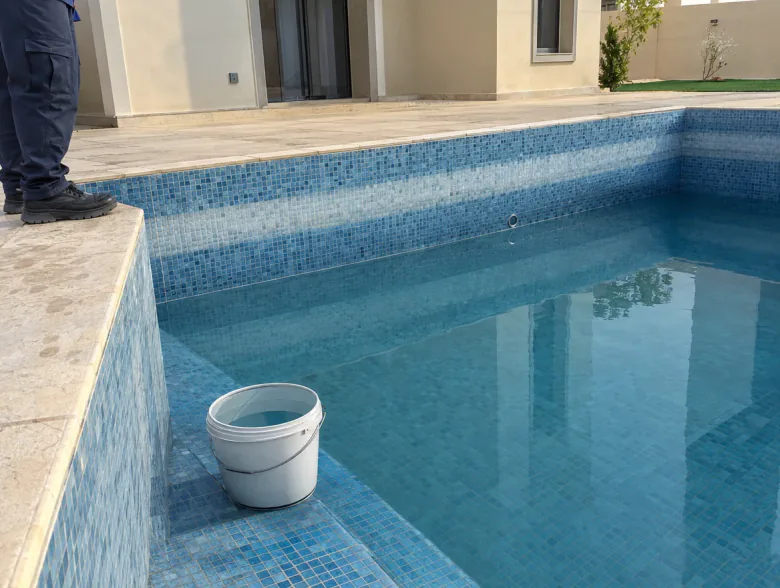
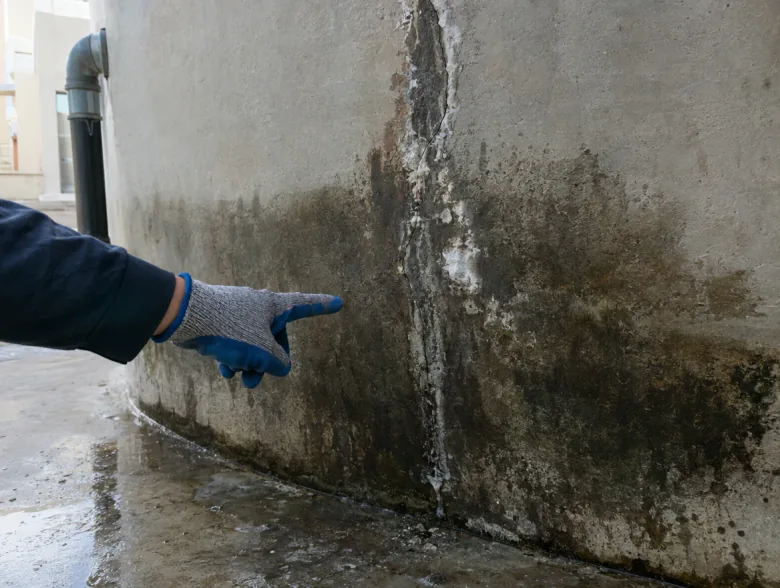
In a city like Al-Hofuf, homes have complex pipe networks and rooftop and ground-level tanks, and a small leak may not be visible directly but its effect shows on the ceiling or wall later. The search begins by examining where the damp stain or dampness appears, using the thermal camera to measure temperature differences that reveal water, and electronic instruments to trace pipes and sources under floors and walls. The action plan is decided only after the leak location is found precisely.
Al-Hofuf is a city in Al-Ahsa governorate in the Eastern Province, close to Al Shagaibiyah District, Historical Center Hafuf District and As Salhiyah District.
The thermal camera detects water through layers because it cools or heats differently from the dry material around it.
Our portfolio














What our customers say
- ★★★★★
شكراً لخدمتك الجميلة
- ★★★★★
شغلهم كويس وناس ممتازه في اسرع وقت
- ★★★★★
شركه ممتازه واشتغلنا معاهم اكثر من مره وجود عاليه ما شاء الله بارك الله فيهم واعمله
Reviews are shown as the customers wrote them, in Arabic.
Questions about Thermal-camera & electronic leak detection in Al-Hofuf
The thermal camera maps the temperature difference that moisture causes at a surface, showing the wet area as cooler or warmer than its surroundings. It does not penetrate thick surfaces and cannot define the full path or size of a leak on its own, which is why it is used with other instruments to confirm the result.
In most cases yes. The electronic instruments measure moisture from the wall's outer surface and follow the water path without breaking it open. In rare cases direct access may be needed, but that comes after the exact position is known, not before.
An electronic detector senses the change in electrical conductivity that water causes in or under a material, and suits tracking a leak across a wide area. A moisture meter reads how much water a specific material such as concrete or plaster has absorbed, and is useful for mapping the exact boundaries of a damp zone.
Not always. The camera locates suspect areas quickly and is a valuable starting point, but the thermal signal may point to where moisture has spread, not to where it entered. Combining it with electronic instruments and a moisture meter gives a more accurate picture.
The report states the leak's position as found by the instruments, the likely cause, and the area affected by moisture. This lets any specialist who comes next start from the right place without repeating the inspection from scratch.
The thermal camera and electronic check pinpoint exactly where the water comes from, whether from a rooftop tank, an underground pipe or a joint in the wall, before any area is opened.
Say exactly where the damp patch or dampness is, whether the water is new or old, whether there is a musty smell, and send a photo of the spot on WhatsApp.
More services in Al-Hofuf
Thermal-camera & electronic leak detection in nearby areas
