Thermal-camera & electronic leak detection in Al Muhammadiyah District
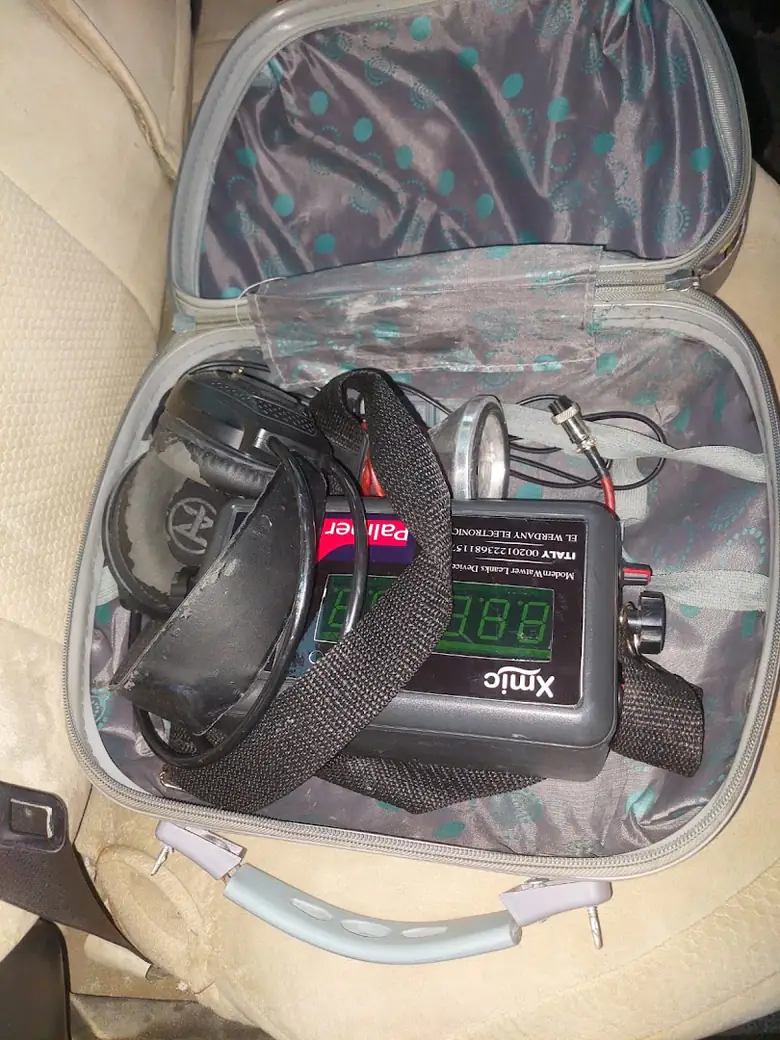
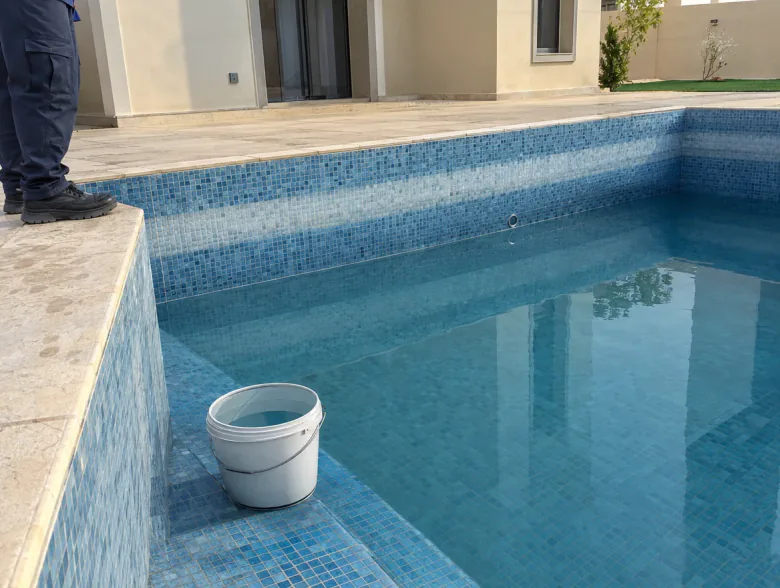
Thermal-camera and electronic leak detection in Al Muhammadiyah District reveals the source of the leak without damaging surfaces or structure. Advanced instruments trace water through pipes, joints and tanks, giving you a clear picture before any repair work.
What instrument-based leak detection includes
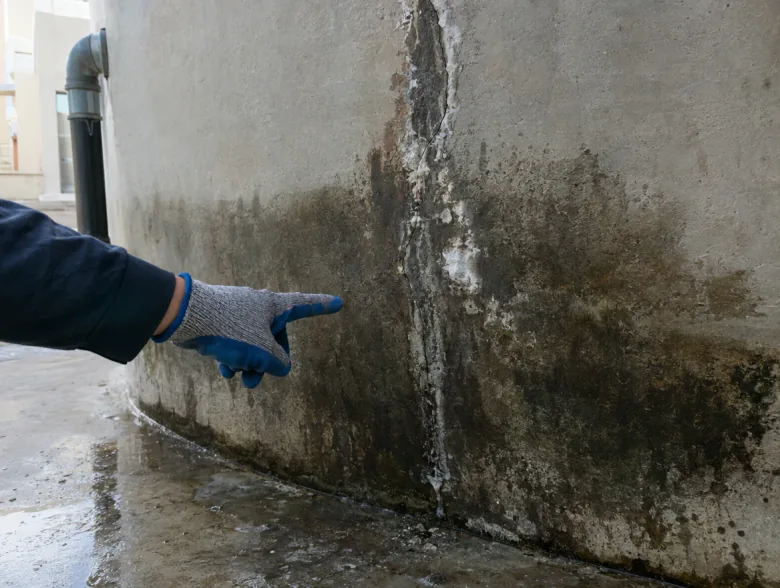
- Pinpointing the original entry point, not just the visible mark on the surface
- Telling an actual leak apart from condensation and moisture from a different source
- Reading moisture content in materials with a moisture meter to define the boundaries of the affected zone
- Checking surfaces, walls and ceilings with electronic instruments to measure conductivity and follow the water path
From your call to the report
- 1
Tell us what you see
Call or WhatsApp us from Al Muhammadiyah District at any hour and describe what you see and where.
- 2
We scan with camera and instruments
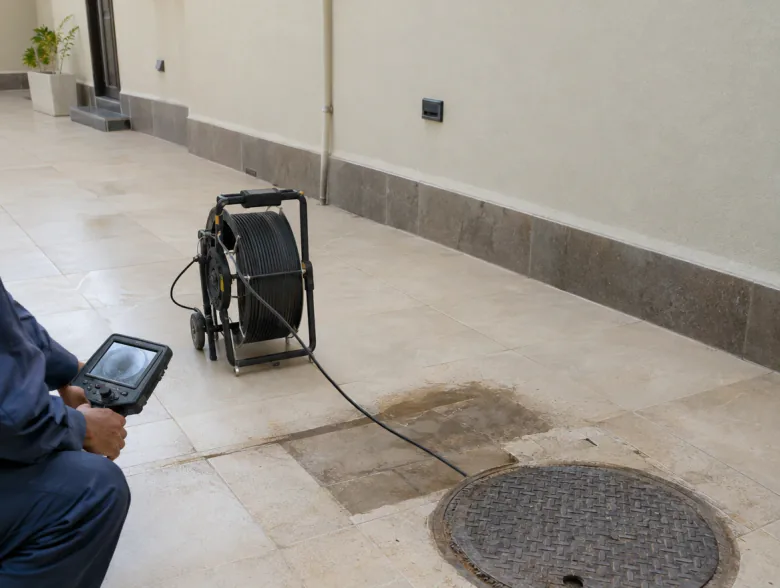
The thermal camera shows the temperature difference between dry and wet areas, and the electronic instruments measure conductivity and follow the water path under the surface.
- 3
We identify the source and cause
We tell a pipe leak from a joint leak or condensation apart, because each needs a different repair, and confusing them causes the fix to fail.
- 4
You receive a certified report
After inspection you receive the result in writing with the leak's location and cause, and you decide the next step based on clear information.
No guessing, no breaking
- Certified report after inspection documents the source and cause
- We take your request by phone call or WhatsApp message
- We tell a leak from condensation with measurable evidence
- We serve Al Muhammadiyah District and the cities and centres of Al-Ahsa around it
The service in Al Muhammadiyah District
In a district like Al Muhammadiyah, tracing a leak takes much longer if you start by digging and opening everywhere. Electronic instruments speed this up by measuring moisture in walls and pipes, and the thermal camera maps temperature across the surface. The technician checks likely places: joints between pipes and walls, the tank base, and parapet and drain edges on the roof. Then the device traces the water's path to pinpoint the exact location.
Al Muhammadiyah District is a district in Al-Ahsa governorate in the Eastern Province, close to Al Salmaniyah First District, Al Muallimeen District and Ar Rafiah District.
Joints and seams in pipes and tanks are the first places the electronic instrument checks, as they are the most common leak sources.
We also provide thermal-camera & electronic leak detection in the areas near Al Muhammadiyah District, including Al Salmaniyah First District, Al Muallimeen District and Ar Rafiah District.
Our portfolio
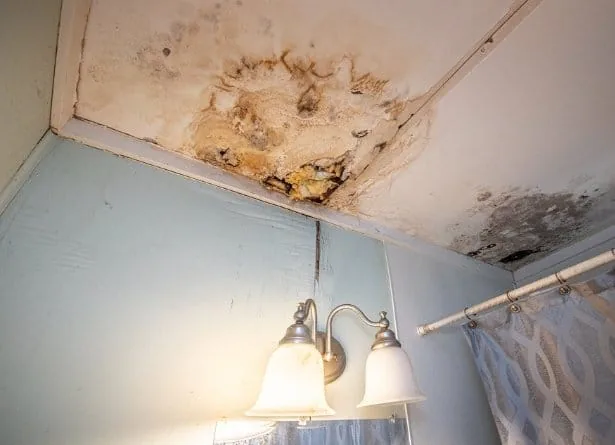
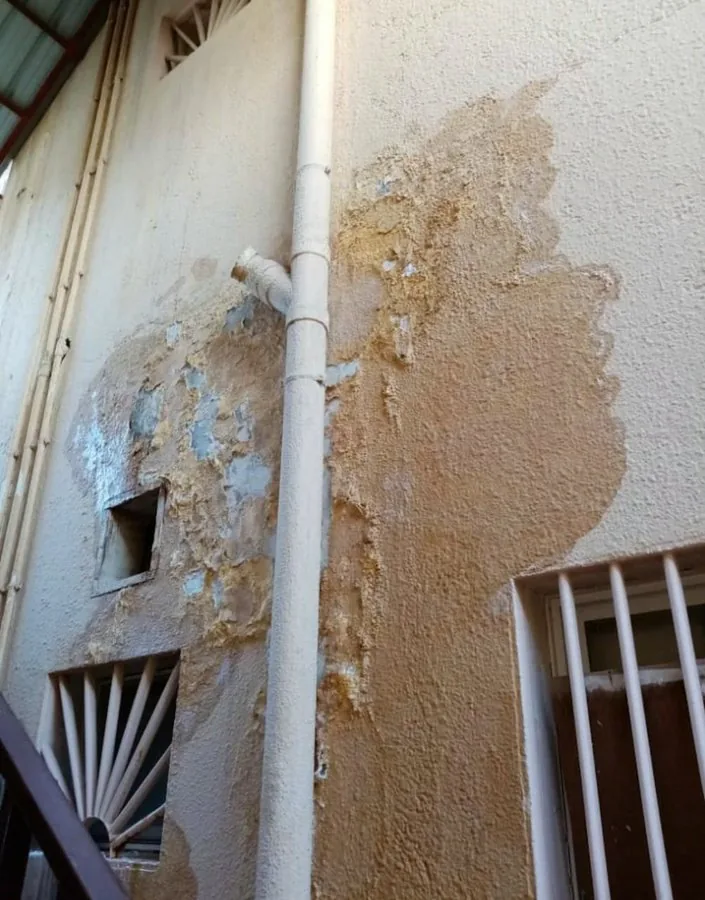
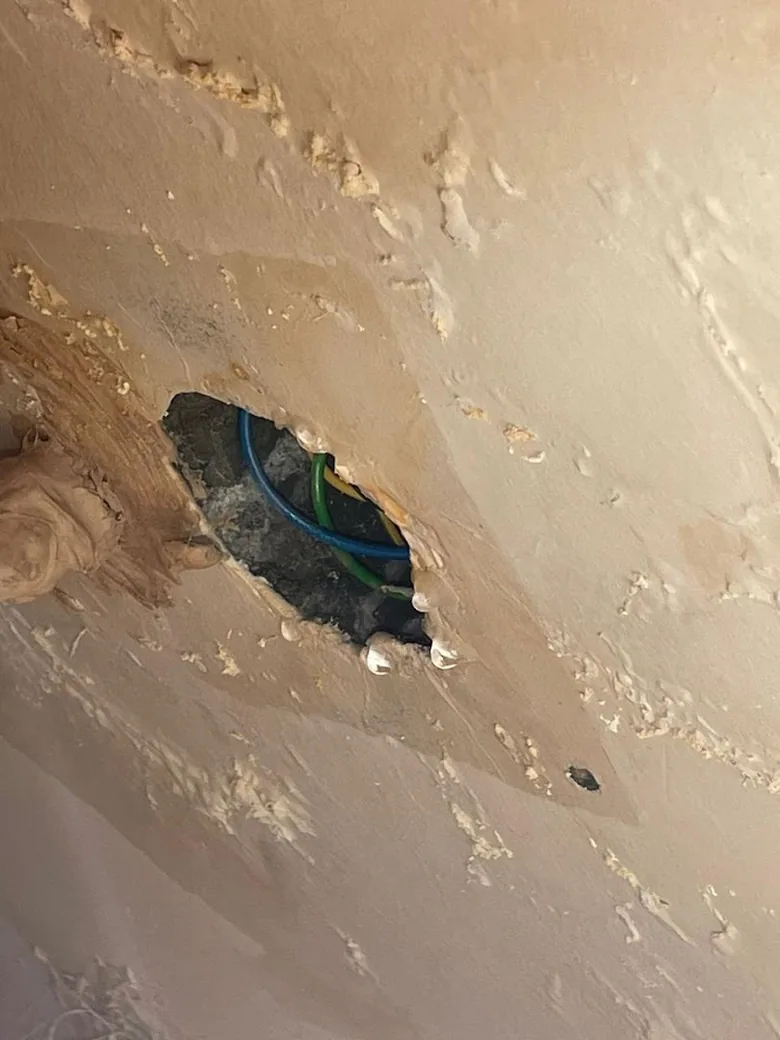
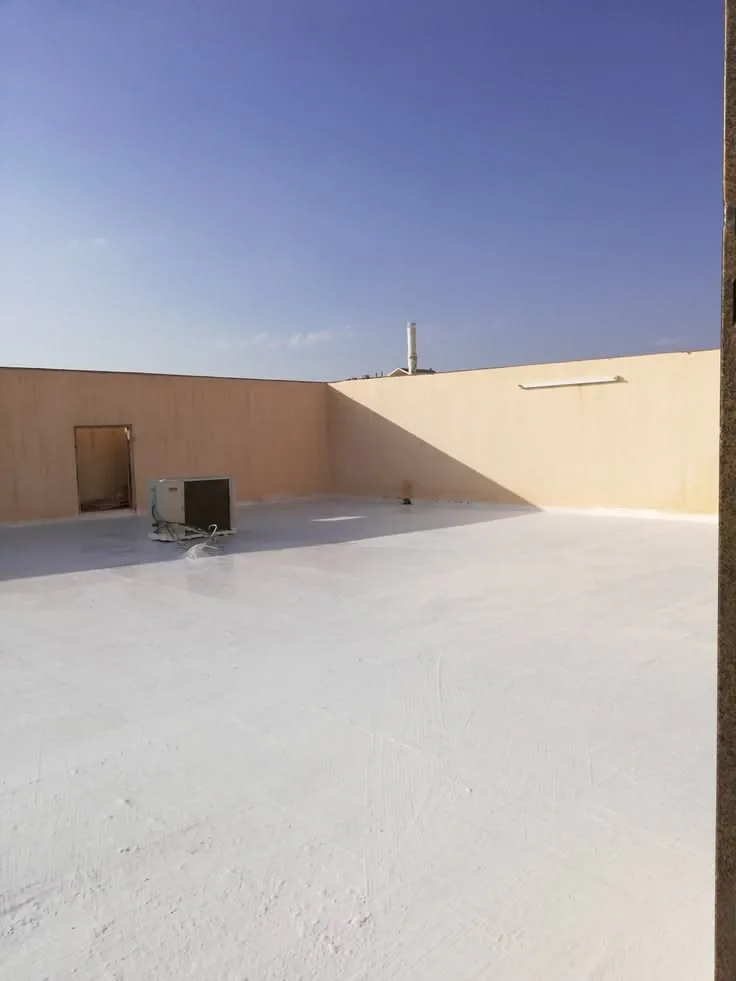
What our customers say
- ★★★★★
شغلهم كويس وناس ممتازه في اسرع وقت
- ★★★★★
شغلهم ميه ميه يشكرو عليه
- ★★★★★
شركه ممتاز شغلهم كويس ويعطيهم العافيه
Reviews are shown as the customers wrote them, in Arabic.
Questions about Thermal-camera & electronic leak detection in Al Muhammadiyah District
Not necessarily. Water may come from above, but it could be from a horizontal pipe in the wall or seepage from the foundation. Electronic instruments and the thermal camera distinguish between these cases and show the true water location.
The technician uses more than one device: the thermal camera to see temperature differences, an electronic instrument that measures moisture in walls and pipes, and perhaps another that hears flowing water. Which device is used depends on the type of leak and your home's pipes.
Call or WhatsApp us at any hour, tell us where you are in Al Muhammadiyah District and what you see, and we arrange the next step with you.
The thermal camera maps the temperature difference that moisture causes at a surface, showing the wet area as cooler or warmer than its surroundings. It does not penetrate thick surfaces and cannot define the full path or size of a leak on its own, which is why it is used with other instruments to confirm the result.
Not always. The camera locates suspect areas quickly and is a valuable starting point, but the thermal signal may point to where moisture has spread, not to where it entered. Combining it with electronic instruments and a moisture meter gives a more accurate picture.
An electronic detector senses the change in electrical conductivity that water causes in or under a material, and suits tracking a leak across a wide area. A moisture meter reads how much water a specific material such as concrete or plaster has absorbed, and is useful for mapping the exact boundaries of a damp zone.
More services in Al Muhammadiyah District
Thermal-camera & electronic leak detection in nearby areas