What instrument-based leak detection includes
- Telling an actual leak apart from condensation and moisture from a different source
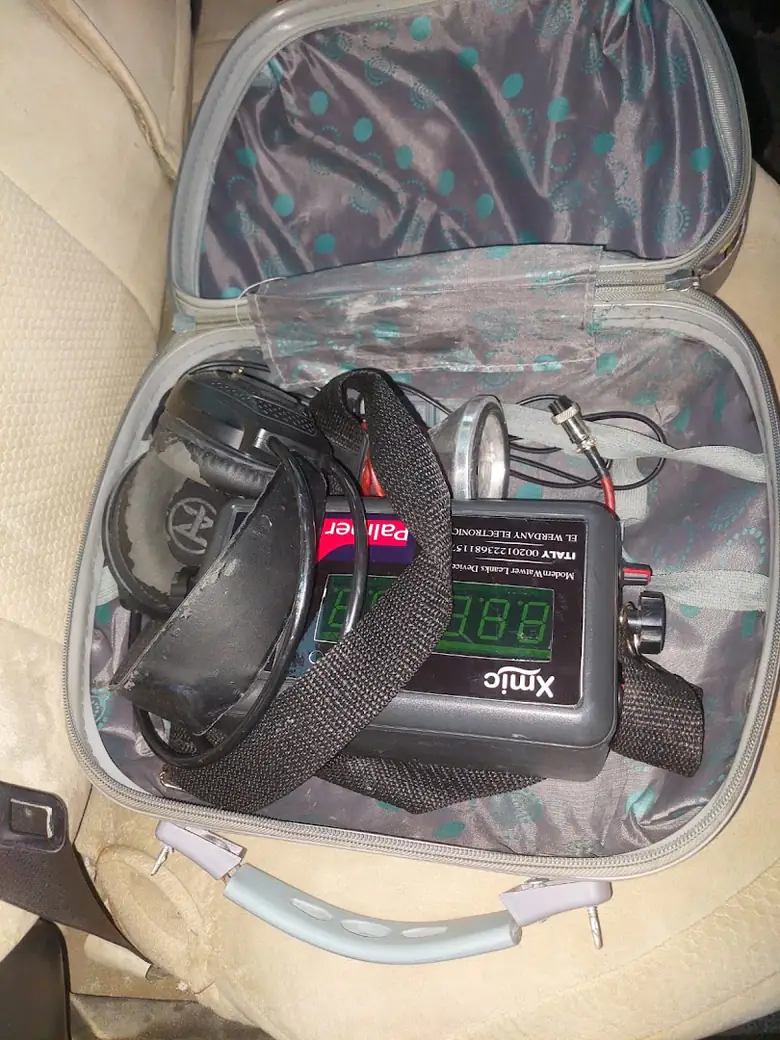
- Checking surfaces, walls and ceilings with electronic instruments to measure conductivity and follow the water path
- Scanning the suspect area with a thermal camera to map temperature differences that indicate moisture
- Documenting the result in a certified report after inspection, stating the position and the cause
From your call to the report
- 1
Tell us what you see
From Al ’Uthmaniyah, one call or WhatsApp message at any hour is enough: tell us what you see and where it shows.
- 2
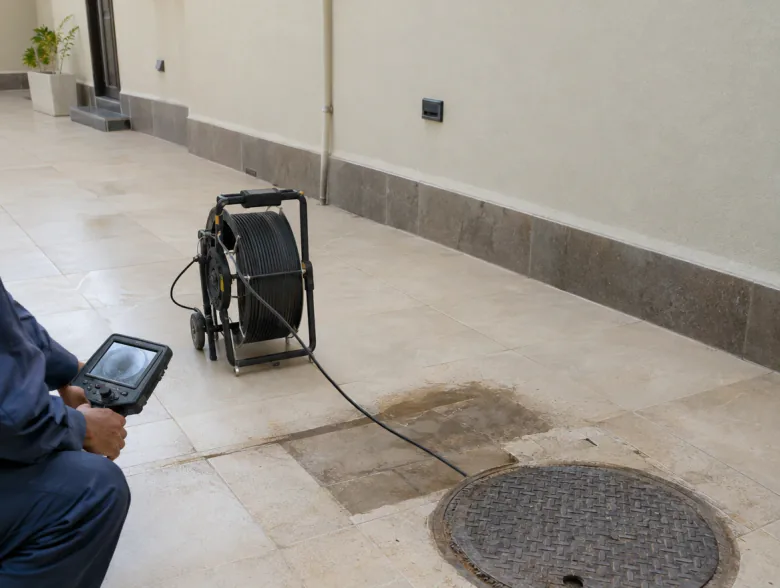
We scan with camera and instruments
The thermal camera shows the temperature difference between dry and wet areas, and the electronic instruments measure conductivity and follow the water path under the surface.
- 3
We identify the source and cause
We tell a pipe leak from a joint leak or condensation apart, because each needs a different repair, and confusing them causes the fix to fail.
- 4
You receive a certified report
After inspection you receive the result in writing with the leak's location and cause, and you decide the next step based on clear information.
No guessing, no breaking
- Detection with no breaking, using precise instruments
- We reach Al ’Uthmaniyah as we reach every city and centre of Al-Ahsa
- The thermal camera spots moisture before it spreads
- Certified report after inspection documents the source and cause
The service in Al ’Uthmaniyah
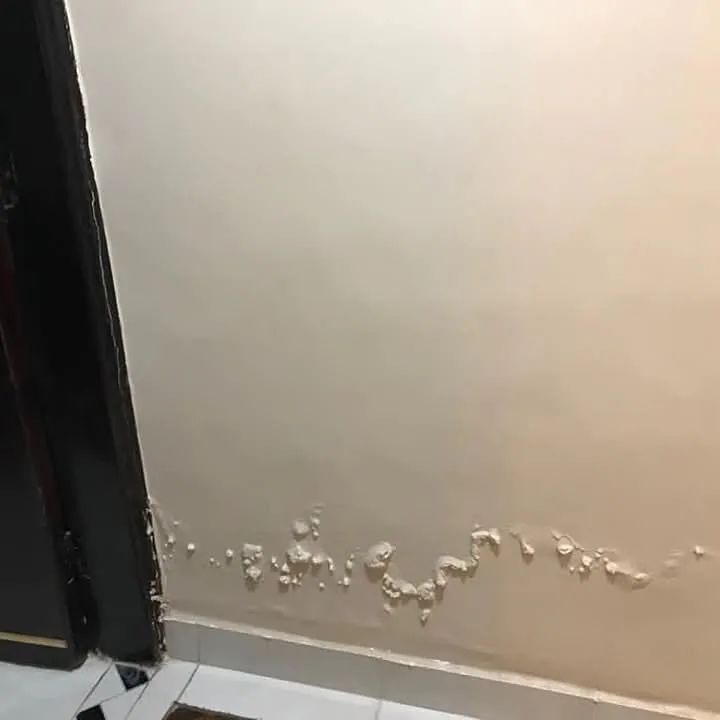
In a small settlement like Al 'Uthmaniyah, each home usually has its own foundation, a flat roof and a water tank, and damp and salt often appear in lower walls from natural salty groundwater in Al-Ahsa. But a leaking tank or pipe shows the same signs. The thermal camera records temperature differences on the surface, and electronic instruments measure moisture in layers. The first check tells natural damp from an actual leak.
Al 'Uthmaniyah is a small settlement in Al-Ahsa governorate in the Eastern Province, close to Udhailiyah, Al Matar District and Imam Muhammed Ibn Saud Islamic University District.
In separate settlements a leak may be from an isolated tank or a separate foundation, and thermal and electronic instruments pinpoint the exact location.
If you are near Al ’Uthmaniyah, in Udhailiyah, Al Matar District and Imam Muhammed Ibn Saud Islamic University District for example, the service reaches you there too.
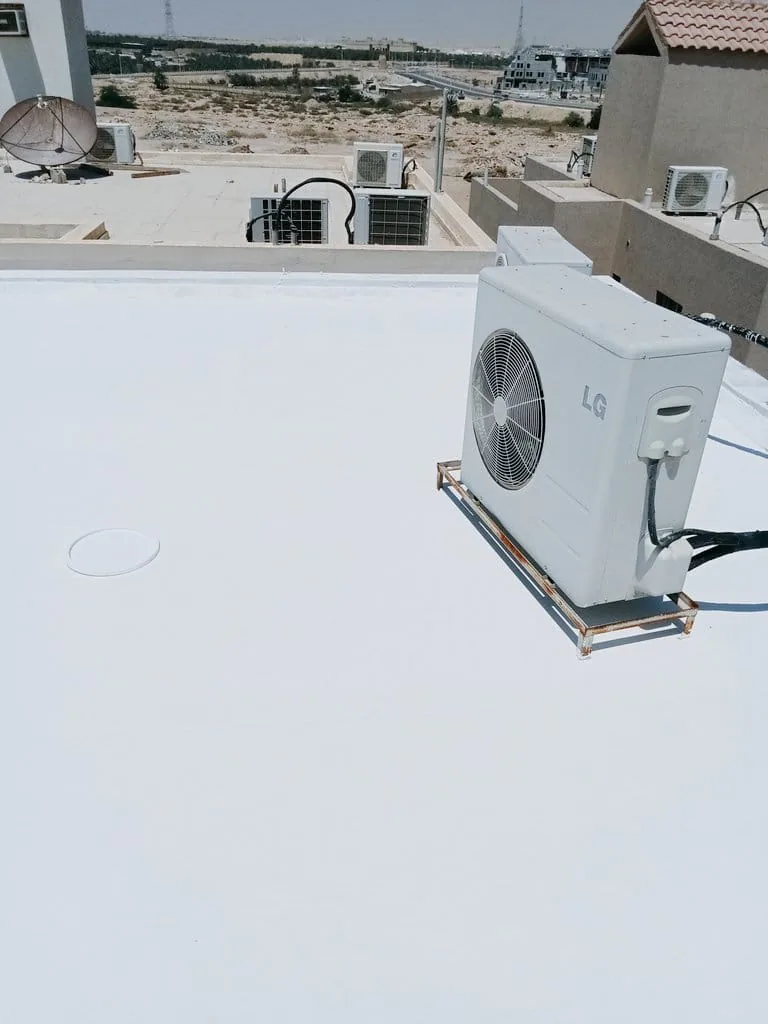
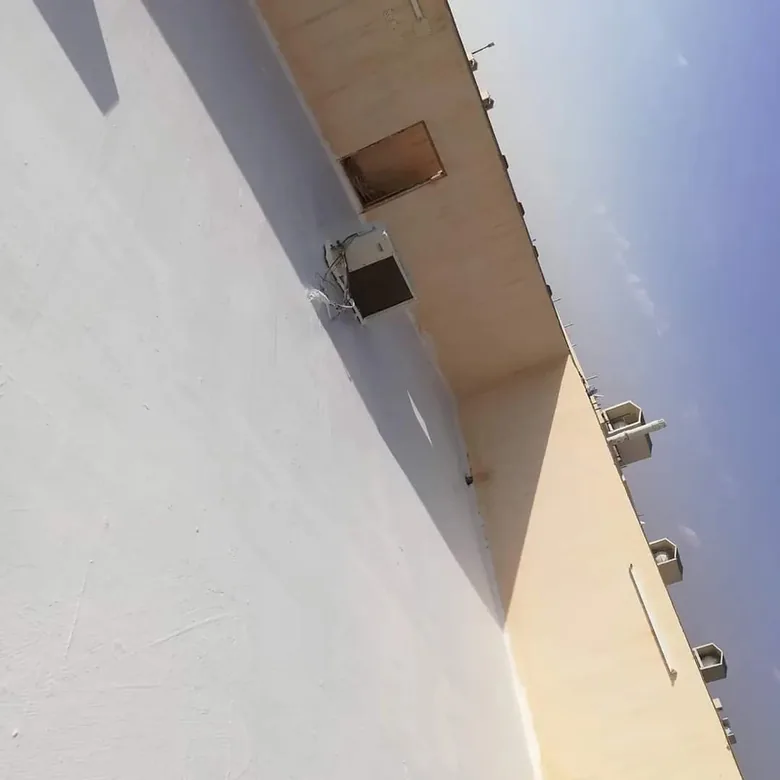
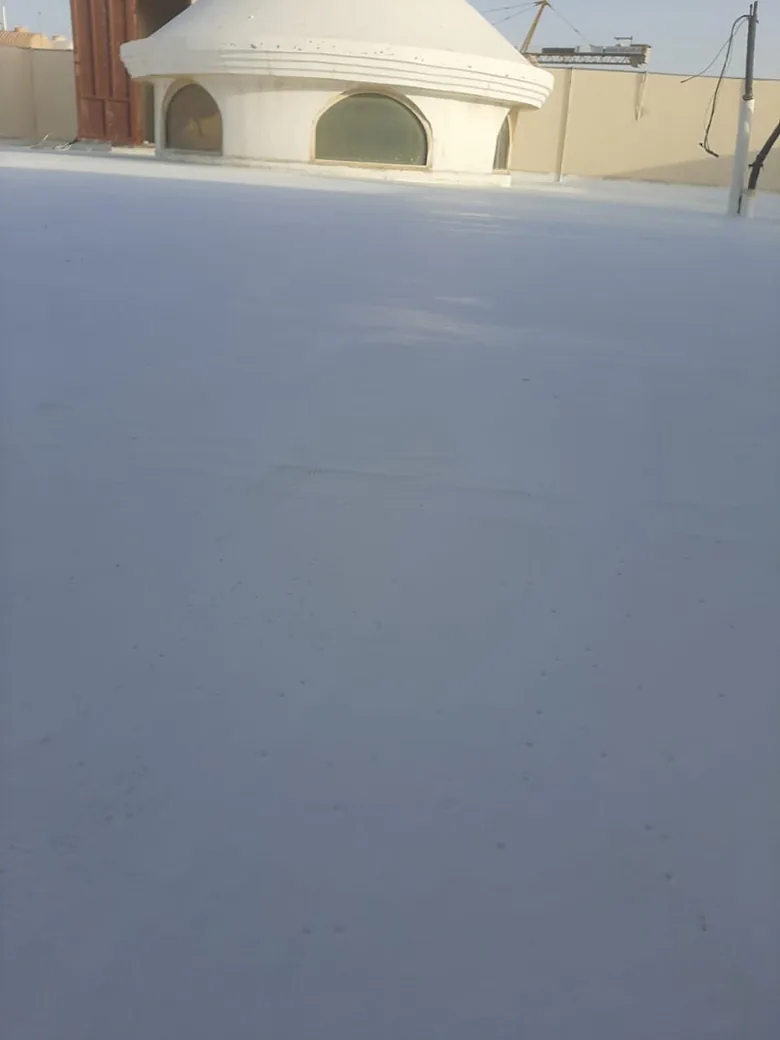
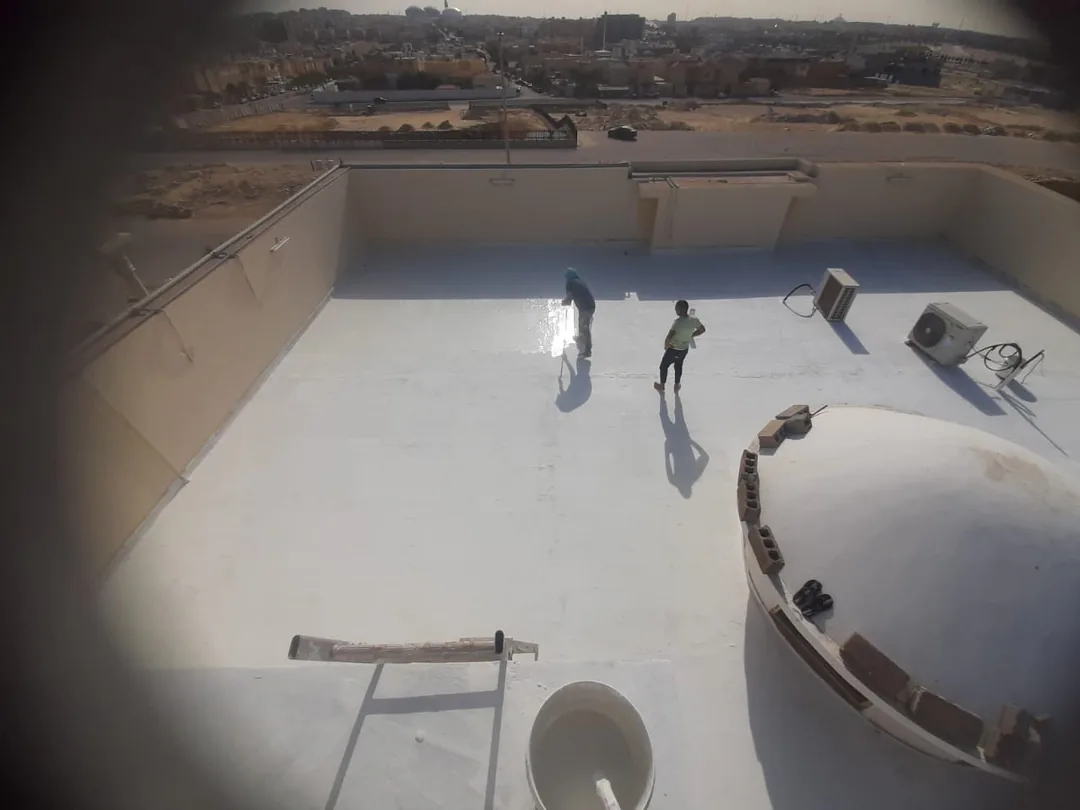
Our portfolio
What our customers say
- ★★★★★
شكراً لخدمتك الجميلة
- ★★★★★
شكرا على التواصل وصلو في اسرع وقت ممكن
- ★★★★★
شغلهم نظيف وسريعين ومحترمين الله يعطيهم العافيه
Reviews are shown as the customers wrote them, in Arabic.
Questions about Thermal-camera & electronic leak detection in Al ’Uthmaniyah
Damp and salt from groundwater are common in Al-Ahsa, but if one patch is wetter than others or beside the water tank, it may be a leak. Electronic instruments measure the difference between general moisture and a spot that is unusually hot or very wet.
Say whether the tank is metal or concrete, whether water sprays around its base or at the top opening, and whether the foundation under it is damp, and send a clear photo of the tank and the ground around it.
In most cases yes. The electronic instruments measure moisture from the wall's outer surface and follow the water path without breaking it open. In rare cases direct access may be needed, but that comes after the exact position is known, not before.
Not always. The camera locates suspect areas quickly and is a valuable starting point, but the thermal signal may point to where moisture has spread, not to where it entered. Combining it with electronic instruments and a moisture meter gives a more accurate picture.
Yes. Al ’Uthmaniyah is one of our service areas in Al-Ahsa, together with Udhailiyah, Al Matar District and Imam Muhammed Ibn Saud Islamic University District.
The thermal camera maps the temperature difference that moisture causes at a surface, showing the wet area as cooler or warmer than its surroundings. It does not penetrate thick surfaces and cannot define the full path or size of a leak on its own, which is why it is used with other instruments to confirm the result.
More services in Al ’Uthmaniyah
Thermal-camera & electronic leak detection in nearby areas