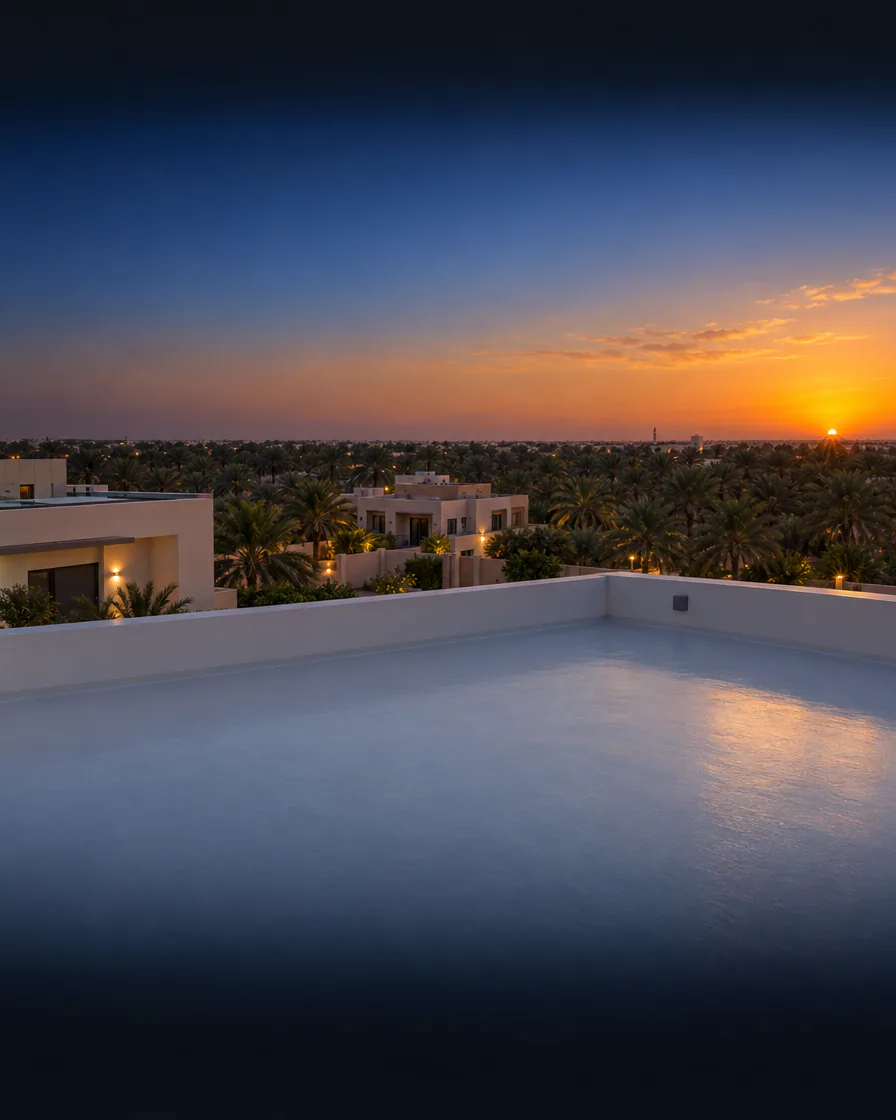
Thermal-camera & electronic leak detection in Hajr District
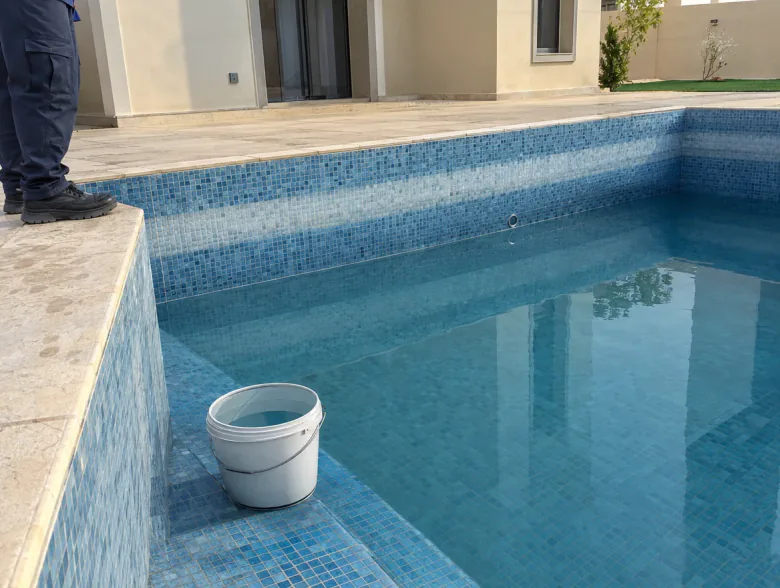
Thermal-camera and electronic leak detection in Hajr District pinpoints the water source without breaking walls or opening roofs. The instruments trace water through networks, tanks, pipes, ceilings and walls to find where it actually escapes.
What instrument-based leak detection includes
- Pinpointing the original entry point, not just the visible mark on the surface
- Telling an actual leak apart from condensation and moisture from a different source
- Scanning the suspect area with a thermal camera to map temperature differences that indicate moisture
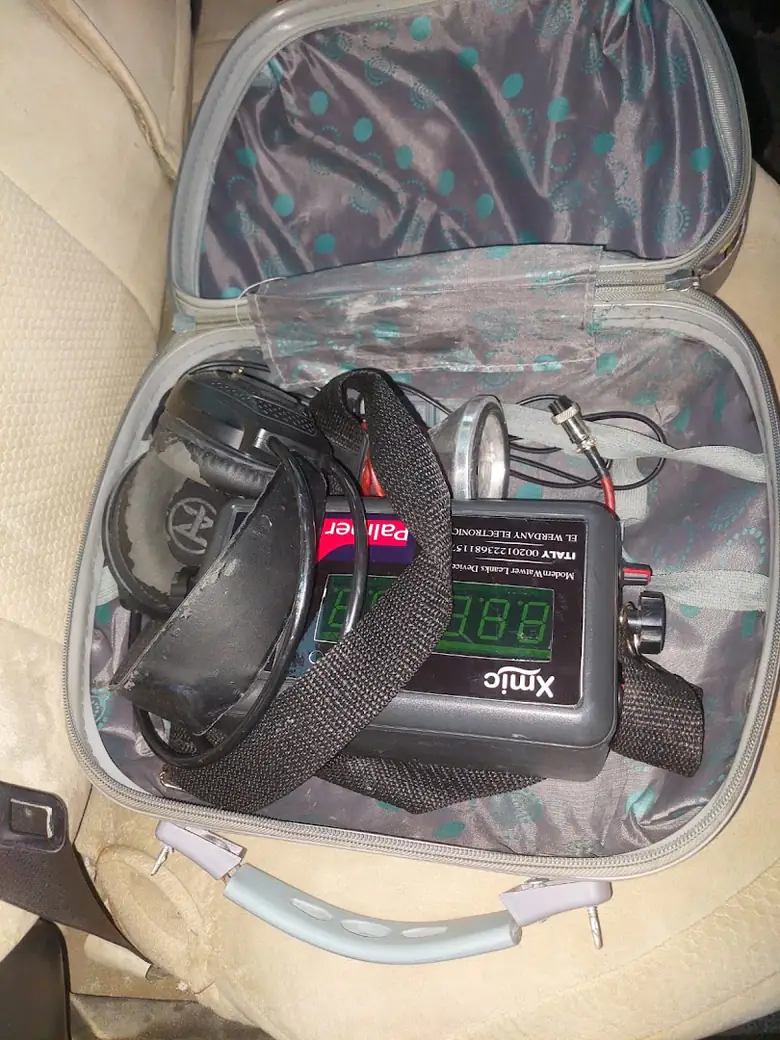
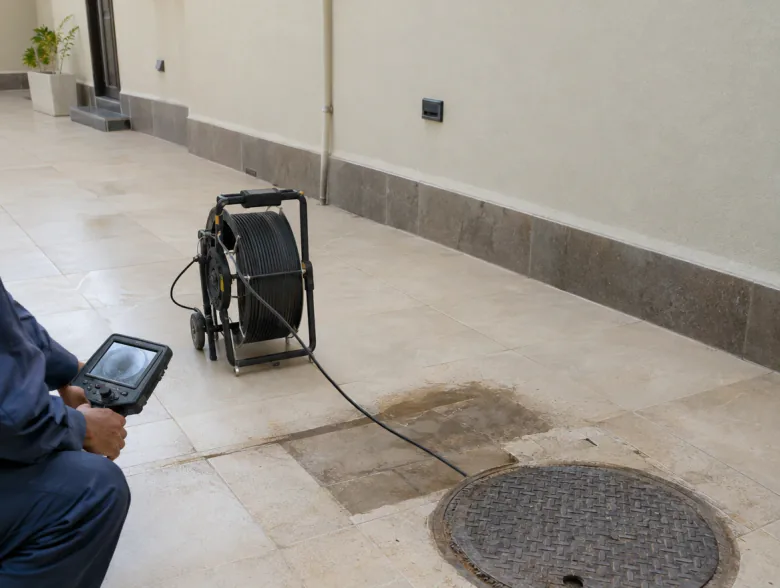
- Checking surfaces, walls and ceilings with electronic instruments to measure conductivity and follow the water path
From your call to the report
- 1
Tell us what you see
Call or WhatsApp us from Hajr District at any hour and describe what you see and where.
- 2
We scan with camera and instruments
The thermal camera shows the temperature difference between dry and wet areas, and the electronic instruments measure conductivity and follow the water path under the surface.
- 3
We identify the source and cause
We tell a pipe leak from a joint leak or condensation apart, because each needs a different repair, and confusing them causes the fix to fail.
- 4
You receive a certified report
After inspection you receive the result in writing with the leak's location and cause, and you decide the next step based on clear information.
No guessing, no breaking
- Detection with no breaking, using precise instruments
- Certified report after inspection documents the source and cause
- The thermal camera spots moisture before it spreads
- We serve Hajr District and the cities and centres of Al-Ahsa around it
The service in Hajr District
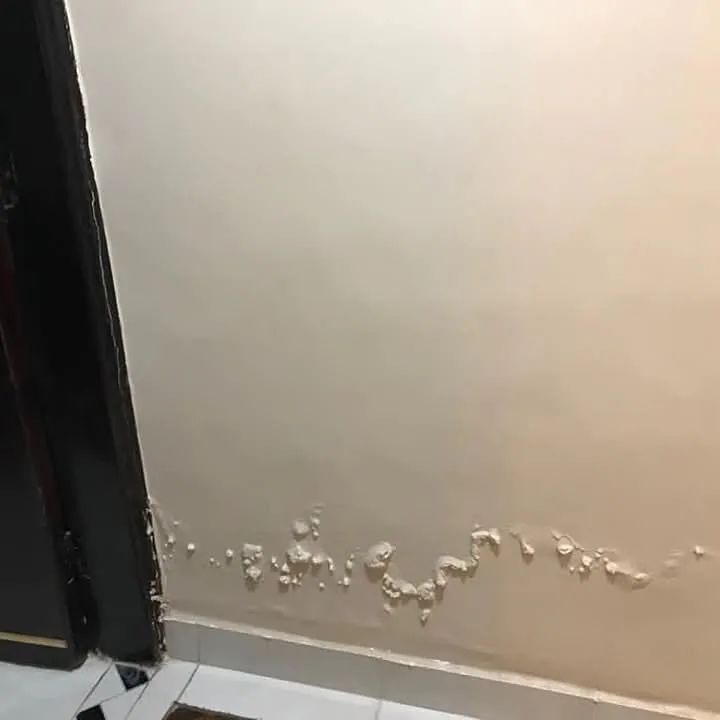
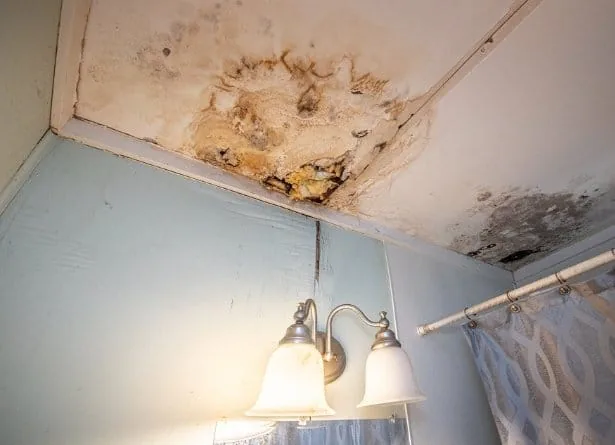
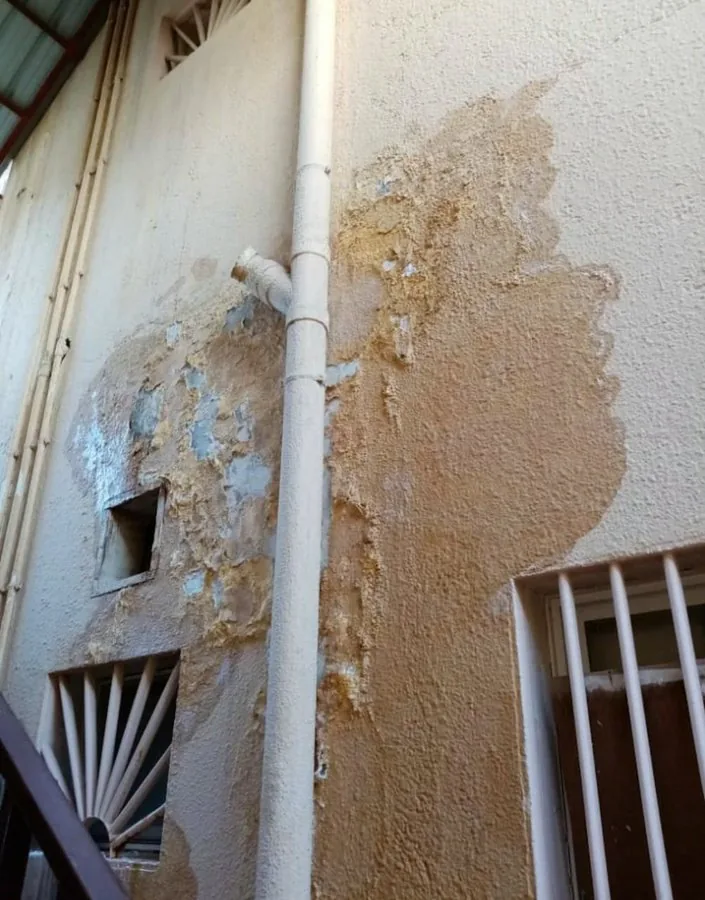
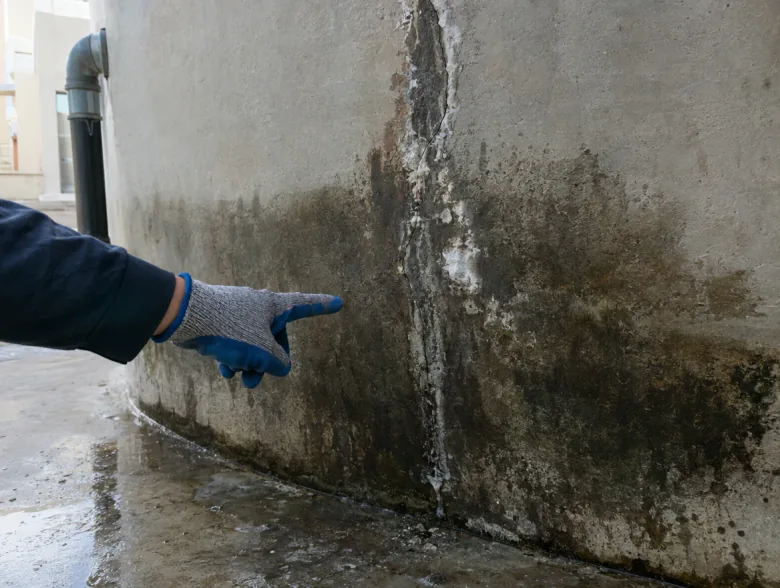
Homes in a district like Hajr usually have complex water systems with pipes in walls and ceilings, rooftop tanks and drains, and a leak often shows far from its actual source. When you see a damp patch on a ceiling or wall, the leak may be in a pipe above it, below it or beside it. The thermal camera detects the difference between cold water and a dry surface, and electronic instruments trace signals in the pipes. The first check maps the problem before any work starts.
Hajr District is in Al-Ahsa governorate in the Eastern Province, close to King Faisal University 3rd, Al Hizam Al Akhdar District and Al Doha District.
In residential areas, thermal detection starts from visible ceilings and walls, because stains there point to the water's actual path.
We also provide thermal-camera & electronic leak detection in the areas near Hajr District, including King Faisal University 3rd, Al Hizam Al Akhdar District and Al Doha District.
Our portfolio
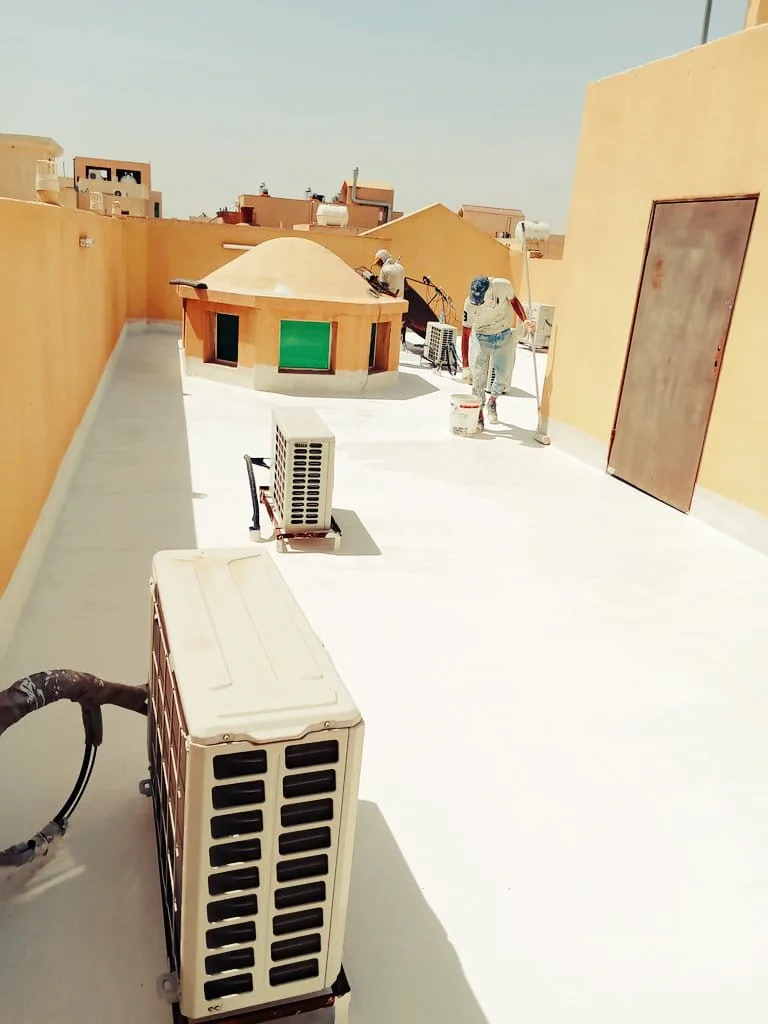
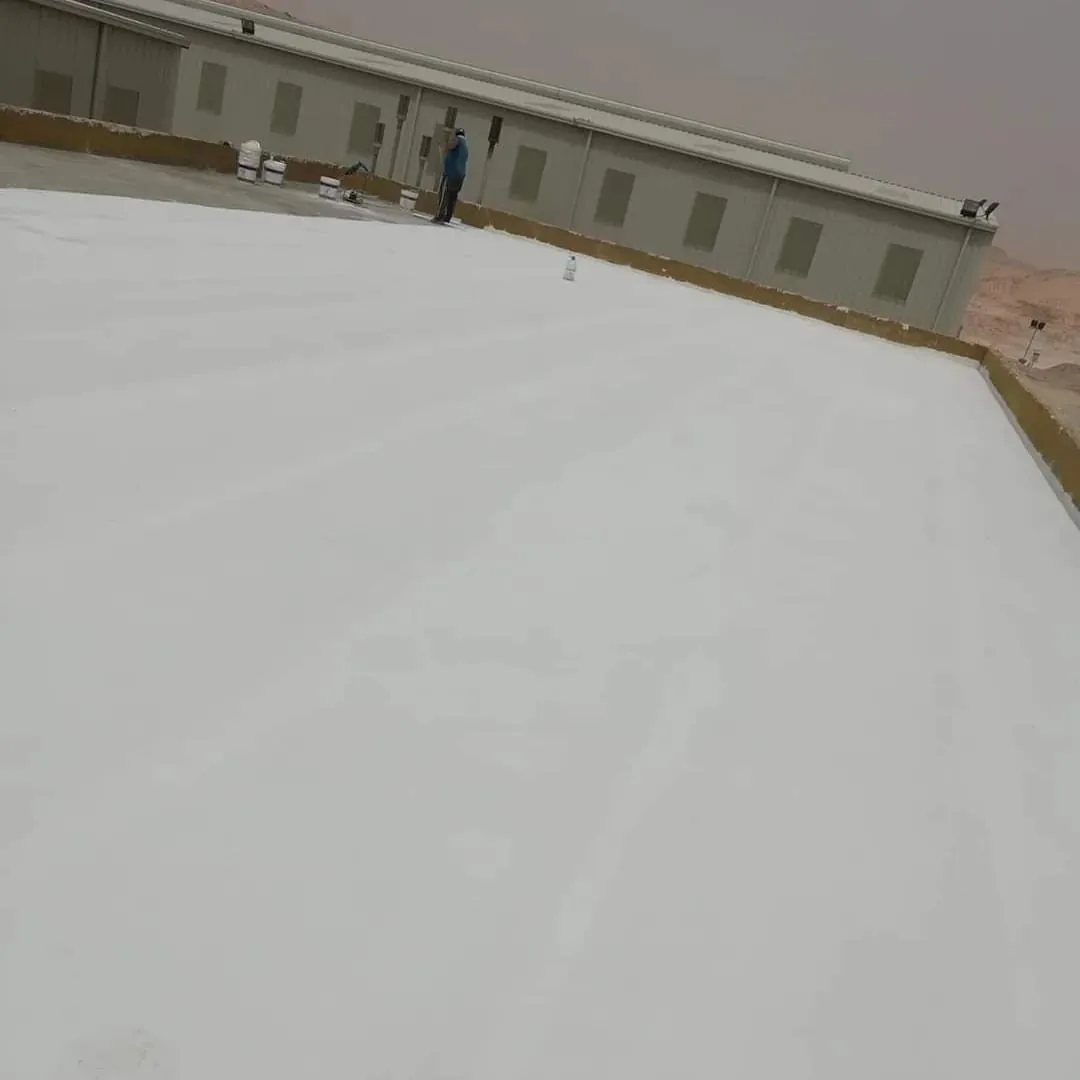
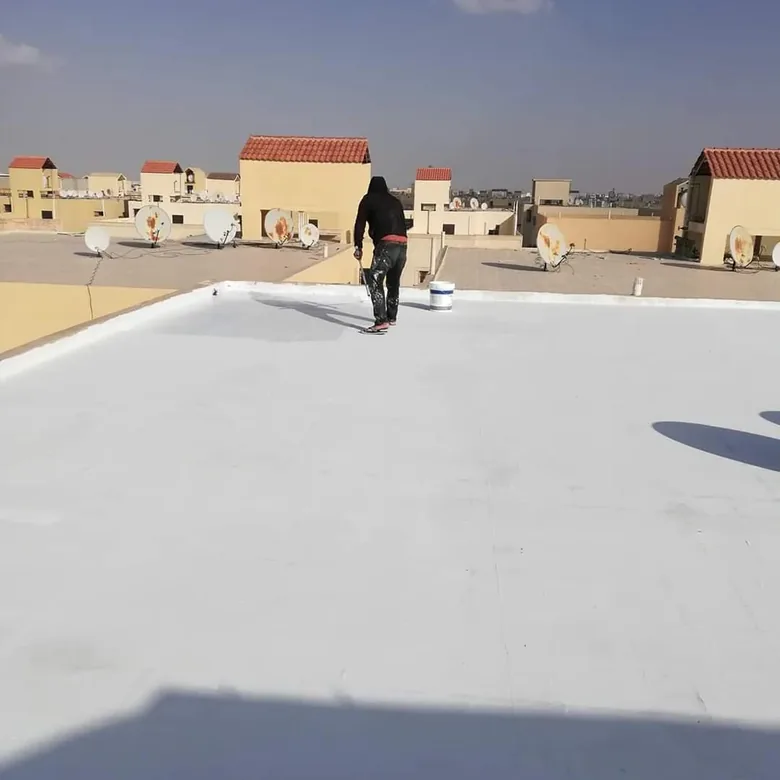
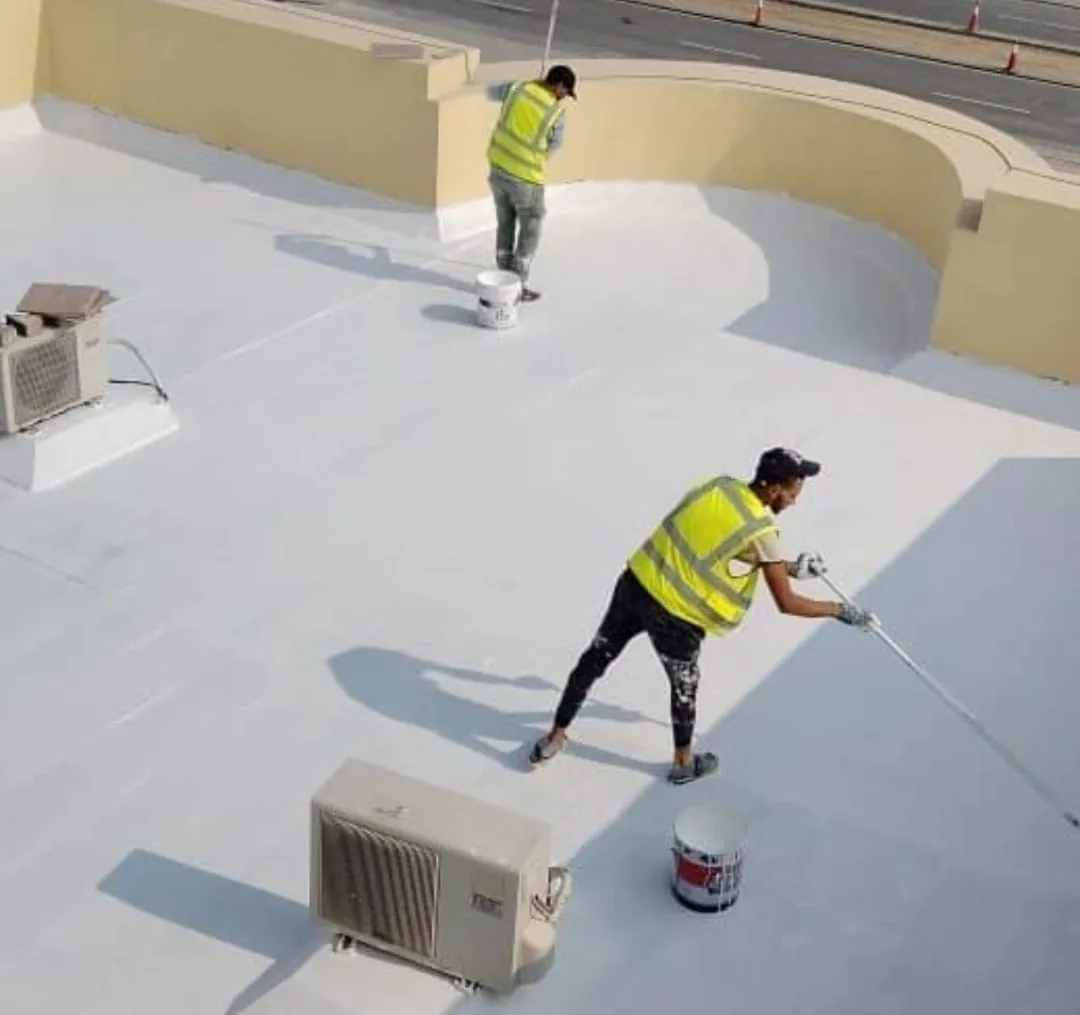
What our customers say
- ★★★★★
ممتاز والخدمة ان شاء الله تكون قد التوقعات
- ★★★★★
شكراً لخدمتك الجميلة
- ★★★★★
شغلهم نظيف وسريعين ومحترمين الله يعطيهم العافيه
Reviews are shown as the customers wrote them, in Arabic.
Questions about Thermal-camera & electronic leak detection in Hajr District
Yes, cold water in a pipe leaves a thermal signature on the wall's outer surface, and the camera reads this difference and traces it along the wall to pinpoint the leak.
Tell them exactly where the wet patches are, their shape and size, whether the roof has a tank or drains nearby, whether the problem shows after rain or all the time, and send a photo on WhatsApp if you can.
Call or WhatsApp us at any hour, tell us where you are in Hajr District and what you see, and we arrange the next step with you.
Not always. The camera locates suspect areas quickly and is a valuable starting point, but the thermal signal may point to where moisture has spread, not to where it entered. Combining it with electronic instruments and a moisture meter gives a more accurate picture.
The report states the leak's position as found by the instruments, the likely cause, and the area affected by moisture. This lets any specialist who comes next start from the right place without repeating the inspection from scratch.
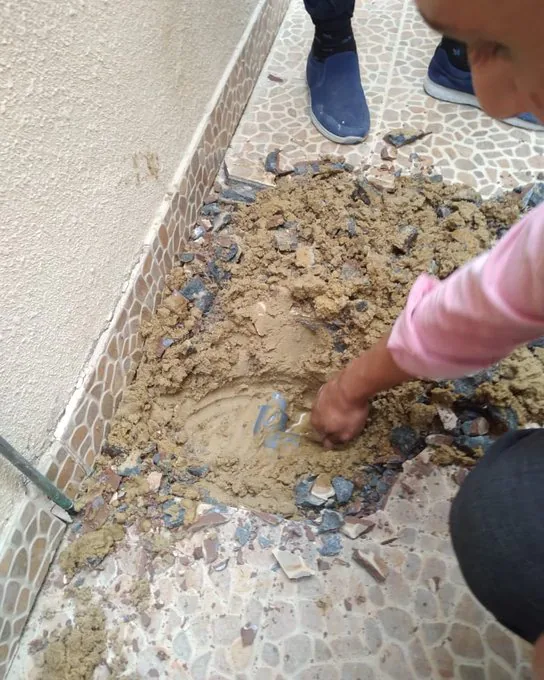
In most cases yes. The electronic instruments measure moisture from the wall's outer surface and follow the water path without breaking it open. In rare cases direct access may be needed, but that comes after the exact position is known, not before.
More services in Hajr District
Thermal-camera & electronic leak detection in nearby areas