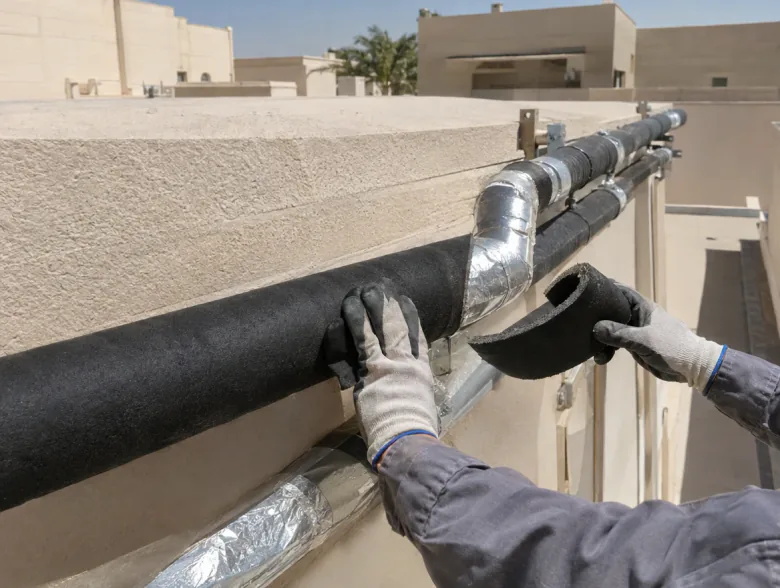
What water pipe insulation includes
- Checking cold and hot water pipes and assessing their exposure to heat or condensation
- Preparing the pipe surface and treating any open joint before fitting the insulation
- Fitting the right insulation on roof pipes exposed to the sun
- Insulating hot-water pipes to reduce heat loss before water reaches the tap
- Securing joints, bends and ends so no open spot is left to break the insulation
- Answering your questions about pipe insulation before the work starts
From your call to insulated pipes
- 1
Tell us what you notice
Call or message us on WhatsApp and describe where the pipes are and what you notice: water arriving warm, sweating on the pipes, or pipes exposed on the roof.
- 2
We check the pipes and their position
We see the pipes on the roof or inside the building, and we assess how exposed they are to sun and heat, and which insulation suits each position.
- 3
Preparing the pipes before insulation
Preparing the pipe surface is a key part of the job; any exposed joint or damaged spot is dealt with before the wrap goes on, so no moisture is sealed in underneath.
- 4
Fitting and securing the insulation
The pipe is wrapped with the right insulating material, and the joints and ends are secured so no spot is left open that would let heat transfer through again.
Insulation solves a real pipe problem
- Protects cold-water pipes from heating up on the roof
- Reduces heat loss in hot-water pipes
- Prevents condensation on cold pipes in winter
- We treat roof pipes and internal pipes
- We take your request by phone call or WhatsApp message
The service in Al Kilabiyah
In a town like Al Kilabiyah, homes have complex pipe networks: hot water lines from the boiler or tank, cold water lines, drain lines, each running different paths across roofs and walls. In the hot summer, cold water warms before it reaches the tap, and hot water cools and energy is lost. The technician traces the pipes and what heat or cold they face, cleans the surface around them, then selects insulation material that fits the position, temperature and moisture.
Al Kilabiyah is a town in Al-Ahsa governorate in the Eastern Province.
When inspecting pipes, the first thing noted is whether there are water droplets around the pipe, as this signals a leak that would spoil the insulation.
Our portfolio















What our customers say
- ★★★★★
شركة ممتازة تستحق التعامل معها بشكل مستمر
- ★★★★★
شكراً لخدمتك الجميلة
- ★★★★★
شركه ممتازه واشتغلنا معاهم اكثر من مره وجود عاليه ما شاء الله بارك الله فيهم واعمله
Reviews are shown as the customers wrote them, in Arabic.
Questions about Pipe insulation in Al Kilabiyah
Cold-water pipes need insulation that stops surrounding heat from warming the water inside, which matters most for roof pipes in summer. Hot-water pipes need insulation that holds the heat inside the pipe and reduces what is lost before the water reaches the tap. The problem is different in each case, and the right material depends on the position and the purpose.
In most cases the reason is pipes that run across the roof or in an exposed position without insulation. Metal and plastic pipes absorb heat and raise the temperature of the water inside them quickly in summer heat. Insulating these pipes cuts off that heat transfer to the water.
Yes, over time. Water droplets that form on a cold pipe collect and drip onto the nearby wall or ceiling, causing damp patches that have nothing to do with an actual pipe leak. Insulation stops the condensation because it keeps the pipe surface from getting cold enough to cause moisture in the air to condense.
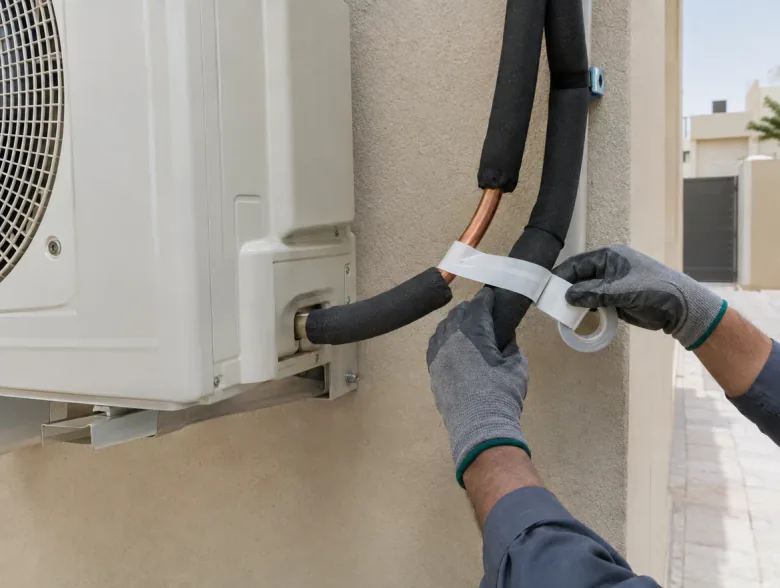
Common materials include cylindrical foam sleeves that slide onto the pipe, and insulating wraps that are wound around it and secured. The choice of material depends on the pipe's position and whether it is exposed to sun, inside a wall or in a damp place. In all cases the material must cover the joints and bends, because any open spot breaks the insulation.
Tell us where the pipes you want insulated are, and what you notice: cold water arriving warm, condensation on the pipes, or pipes exposed on the roof with no cover. If you know the pipe material, metal or plastic, tell us that too. These details help us decide what suits your situation before we visit.
Pipe insulation reduces heat loss from hot water, so warmth reaches the tap instead of being lost, saving the energy used to heat water. Cold water also stays cold longer, so water is not wasted.
Different materials suit different positions: foam rolls for roof pipes, flexible materials for pipes inside walls and tight corners. The technician chooses material that does not trap moisture and does not damage the pipe.
More services in Al Kilabiyah