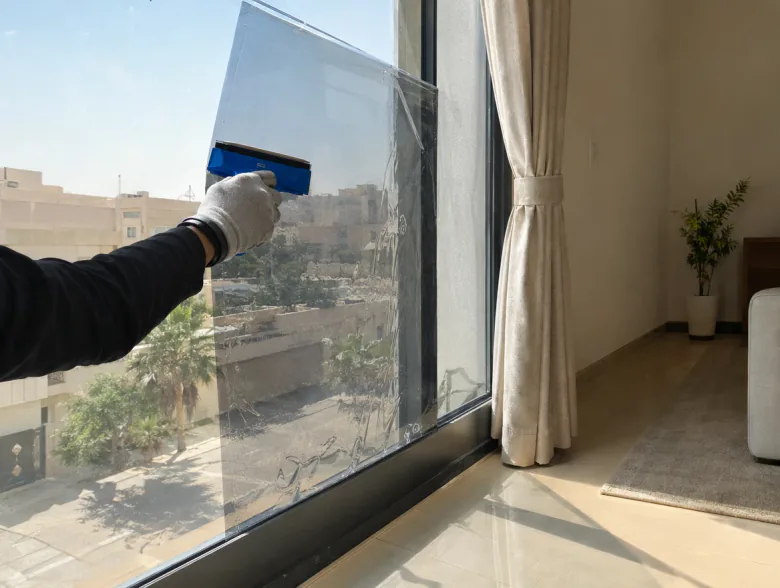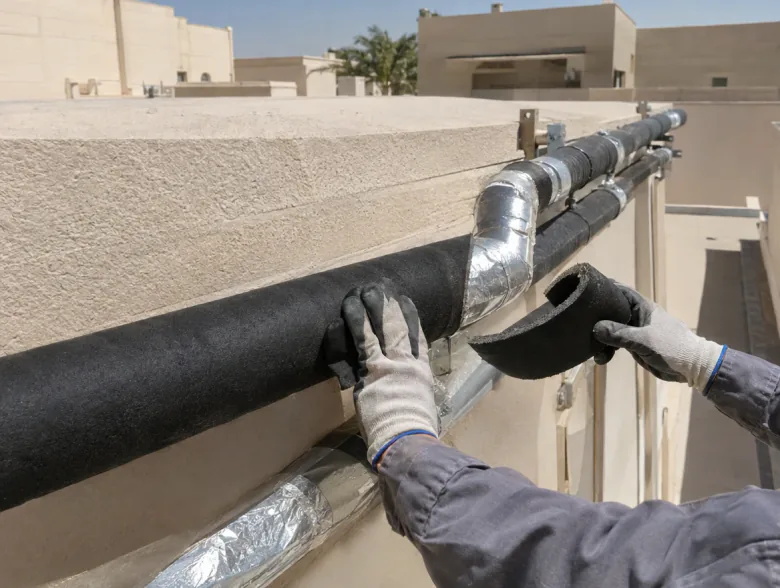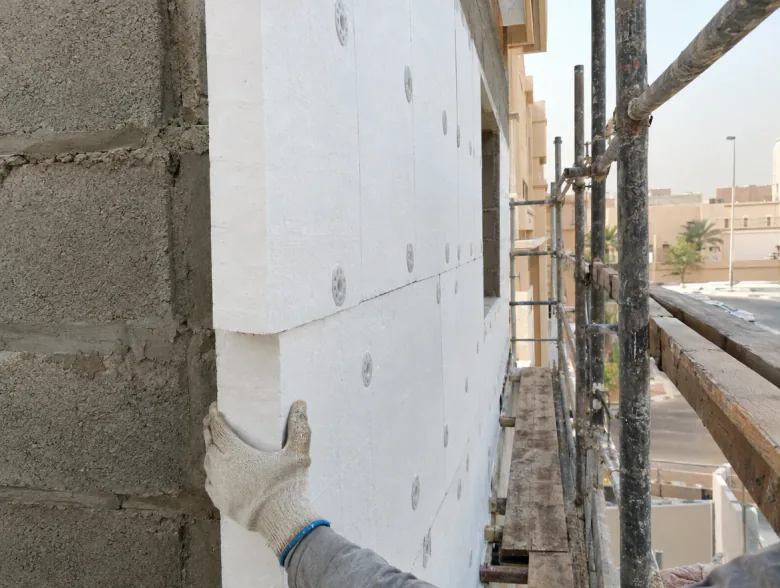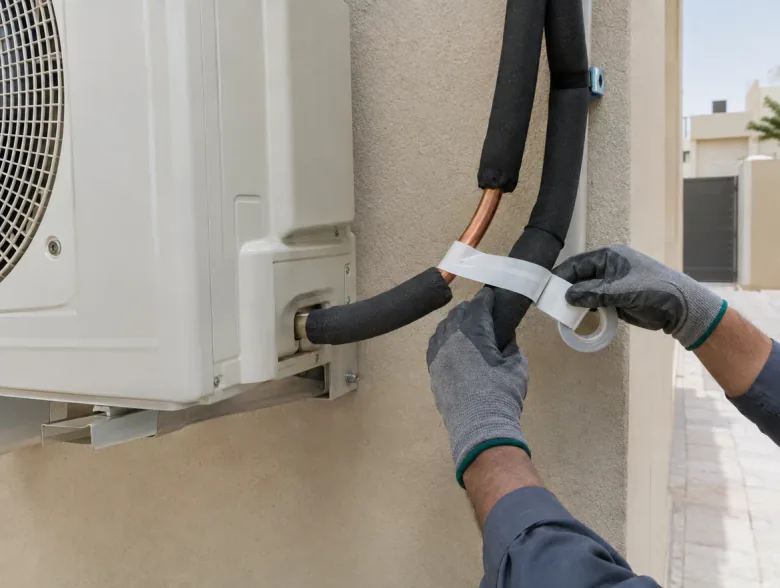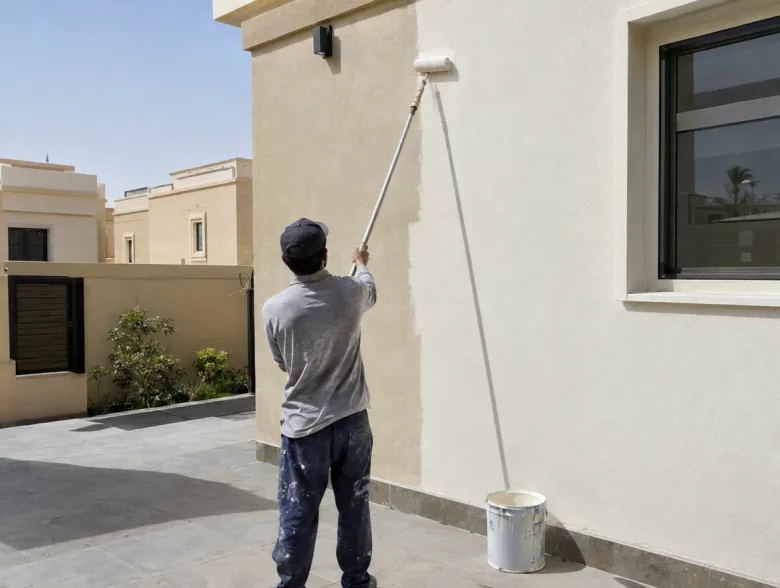
What the thermal insulating paint service includes
- Inspecting the outside wall and identifying the area that needs the insulating coat
- Preparing the surface by removing anything flaking or crumbling before application
- Treating small cracks in the wall so the insulating layer bonds properly
- Applying the thermal insulating paint evenly across the outside wall area
- Covering the sides and edges through which heat passes into the wall
- Advising you if your case needs more complete insulation than the coat alone
From your call to the finished coat
- 1
Tell us what you notice
Call or message us on WhatsApp and describe the wall that troubles you, which direction it faces, and whether the room behind it is unusually hot.
- 2
We check the wall and its condition
We look at the surface condition and the wall itself, because an insulating coat needs a clean surface free of cracks and damp before it is applied.
- 3
We prepare the surface
Preparation includes removing anything flaking or crumbling and treating small cracks, so the coat bonds to the wall properly.
- 4
We apply the insulating coat
We apply the insulating layer to the outside wall once the surface is ready, covering the area evenly.
No building work, no boards, no finishing trades
- Applied like paint, with no demolition or building work
- Suits existing outside walls in renovation
- Reduces heat in a sun-facing wall
- We prepare the surface before applying so the insulating layer bonds well
- We take your request by phone call or WhatsApp message
The service in Ash Shuqayq
In a district like Ash Shuqayq, outside walls face intense heat, especially those in direct sun. The insulating paint is applied to a dry, clean surface after removing salts, damp and loose paint. Walls often show salt and damp marks from the climate and salty groundwater in the area, and these are treated before painting. Fine cracks in the wall surface can let moisture through from behind, so the technician checks and treats them to ensure the insulating paint works well.
Ash Shuqayq is a district in Al-Ahsa governorate in the Eastern Province, close to Al Mutayrifi, Al Qurayn and Julayjilah.
The wall surface is checked for cracks, salts and damp before the insulating paint is applied.
Our portfolio















What our customers say
- ★★★★★
شغلهم كويس وناس ممتازه في اسرع وقت
- ★★★★★
شكرا على التواصل السريع
- ★★★★★
شركه ممتازه
Reviews are shown as the customers wrote them, in Arabic.
Questions about Thermal insulating paint in Ash Shuqayq
It gives a clearer result on thin outside walls facing the sun directly, such as west- and south-facing walls. A thick wall that stores heat deep inside benefits less from it and may need additional insulation boards for a stronger result.
Applying it from the outside is more effective because it intercepts the heat before it enters the wall. Applying from the inside slows the transfer from the wall into the room but does not stop the wall from heating up in the first place, so the difference is smaller.
It can be applied to roofs, but a roof faces intense heat and long direct sun exposure, which makes foam or thicker materials a more suitable choice for the roof in most cases. Thermal insulating paint suits outside walls and light renovation better.
Damp and cracks prevent the coat from bonding properly and reduce its benefit. So the job involves treating the cracks and preparing the surface before application. Applying the coat to a surface that is not ready weakens what the insulating layer delivers.
Tell us which wall troubles you and which direction it faces, whether you feel the heat in the room behind it or on the wall surface itself, and whether there are visible cracks or damp. The clearer your description, the more accurately we can assess what the wall needs.
If the wall is damp, the paint will not stick firmly and may flake. So the wall is dried first, cleaned of salts and damp, moisture sources are treated, and then the insulating paint is applied to a sound, dry surface.
No, the technician will inspect the wall and decide what needs cleaning and treatment. Tell him about any salt or damp stains you see, which walls get hotter than others, and send a photo of the wall if you can.
More services in Ash Shuqayq