Water leak detection in Al Salmaniyah First District
Water leak detection in Al Salmaniyah First District starts with careful checks for cracks and joints in foundations and lower walls. Al Raya uses instruments to find where the leak is without breaking or digging, because dampness and salts threaten the home from below.
From your call to a certified report
- 1
Describe what you see
Call or message us on WhatsApp and tell us where the stain or smell is, or about the bill change, so we know where to begin the inspection.
- 2
We inspect with instruments
We pass detection instruments over the walls, floors, ceiling and network lines, tracing hidden moisture without breaking anything.
- 3
We identify the source and cause
We tell a supply-line leak from a drain leak, rising damp or a surface leak, because each calls for a different treatment.
- 4
You receive the detection report
After inspection you receive a certified report stating the leak's location and cause, so you decide your next step with clear information.
The source can be found precisely
- We find the leak without breaking a wall or lifting a tile
- Certified report after inspection states location and cause
- We check networks, tanks, bathrooms, kitchens and roofs
- We tell the sources apart before any repair
- We take your request by phone call or WhatsApp message
The service in Al Salmaniyah First District
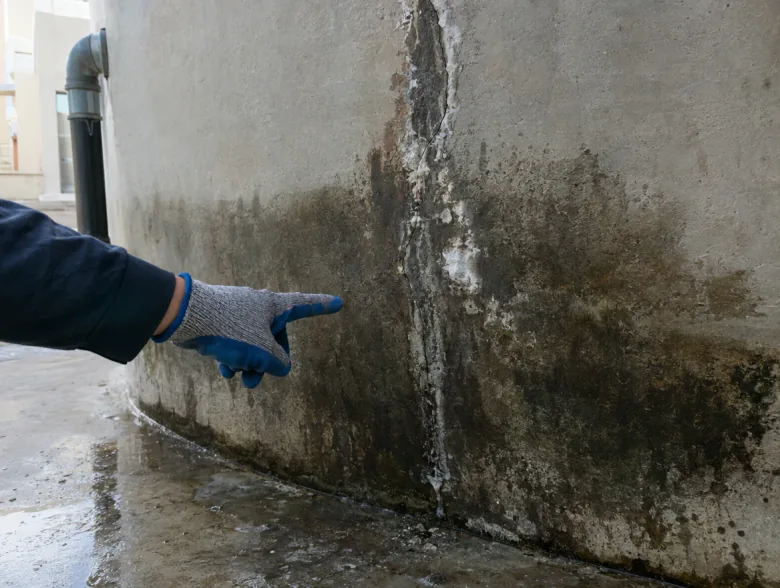
In a district like Al Salmaniyah First, damp marks usually show on lower walls and foundations, because water from the mains or from wet soil around the home finds its way in. The leak may be in underground pipes, at a tank base, or in foundation joints. The first check looks at where the wet stains and cracks are and where the pipes and tanks sit, then instruments pinpoint the leak precisely. Careful checking ensures no walls or tiles are broken.
Al Salmaniyah First District is a district in Al-Ahsa governorate in the Eastern Province, close to Al Muhammadiyah District, Al Salmaniyah Second District and Ayn Najm District.
Water gathers at foundations and joints before small cracks, so the search starts there.
Our portfolio














What our customers say
- ★★★★★
شغلهم نظيف وسريعين ومحترمين الله يعطيهم العافيه
- ★★★★★
شركه ممتازه واشتغلنا معاهم اكثر من مره وجود عاليه ما شاء الله بارك الله فيهم واعمله
- ★★★★★
شركة ممتازة تستحق التعامل معها بشكل مستمر
Reviews are shown as the customers wrote them, in Arabic.
Questions about Water leak detection in Al Salmaniyah First District
A rising bill can come from a hidden pipe leak inside a wall or under a floor, from a faulty tank float or from changed usage habits. An actual pipe leak usually shows as the meter turning after all taps are closed. Instrument inspection tells these causes apart.
Close every tap in the house completely and watch the meter indicator for a few minutes. If it moves, water is leaving somewhere. If it stops, consumption is the cause. This simple step is enough to confirm a leak before you ask for an inspection.
They often start at supply-line joints inside walls or under floors, at floor joints in bathrooms and kitchens, and at tank inlets and outlets. Roofs and parapets are added to this when the leak is linked to rainwater.
A detection report states the precise location of the leak and its cause, whether a broken joint, a crack in a bathroom floor or a fault in a supply line. This lets the owner decide on repair clearly, or present the document to a relevant party.
In most cases yes. Water sometimes leaks in an enclosed space behind tiles or inside a wall and does not reach the surface, but it dampens the materials and produces a smell. Instrument inspection finds hidden moisture before it surfaces and causes greater damage.
Condensation usually appears on cold surfaces during humid periods and clears when the air dries. A leak returns in the same spot regardless of the weather and often leaves a lasting mark on the wall or ceiling. If the mark stays after dry days, it is a leak.
Tell us where the mark is in the house, whether it is on the ceiling, wall or floor, when you first noticed it, whether the bill has risen and whether the mark changes after rain. The clearer your description, the faster the source is found.
Say where you see damp marks or salt stains on the walls, whether below a window or beside a door or in a corner, and whether the wall feels cold or warm, and send a photo on WhatsApp if you can.
It may be a leak from underground water pipes or from damp soil around the home, or from a tank base if present. The initial check determines the source precisely before any repair.
More services in Al Salmaniyah First District