Leak detection with waterproofing in Al ’Umran
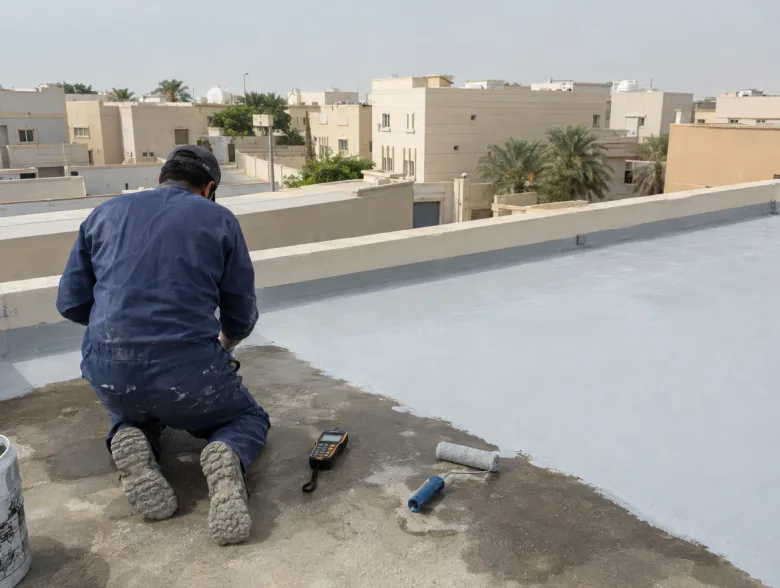
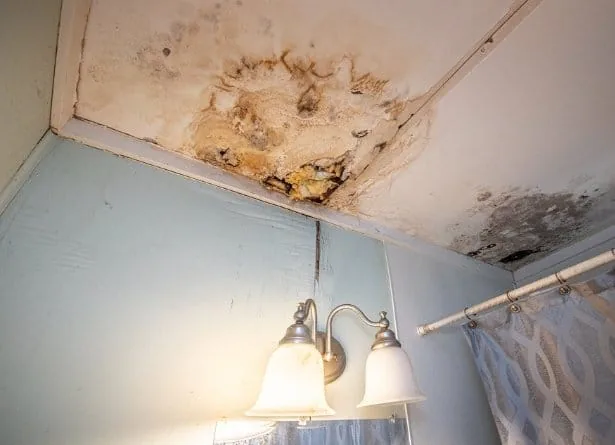
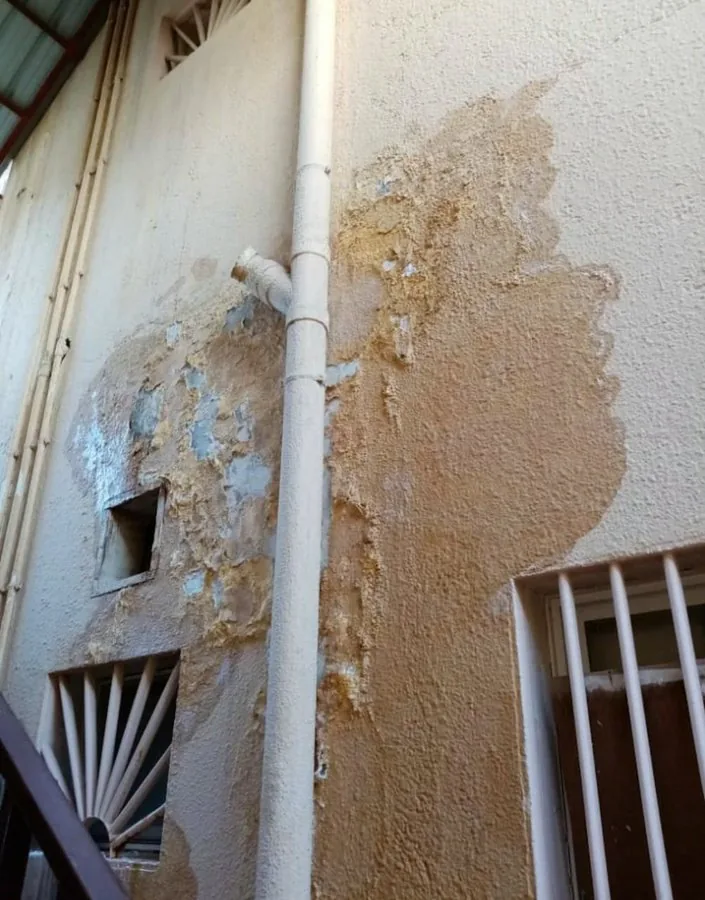
Leak detection with waterproofing in Al 'Umran starts with a damp patch on a wall or ceiling. Al Raya traces the leak source with instruments and no breaking, then waterproofs the affected surface so water does not return from the same place.
What leak detection with waterproofing includes
- Sealing joints, edges and drains, as these are the most common water entry points
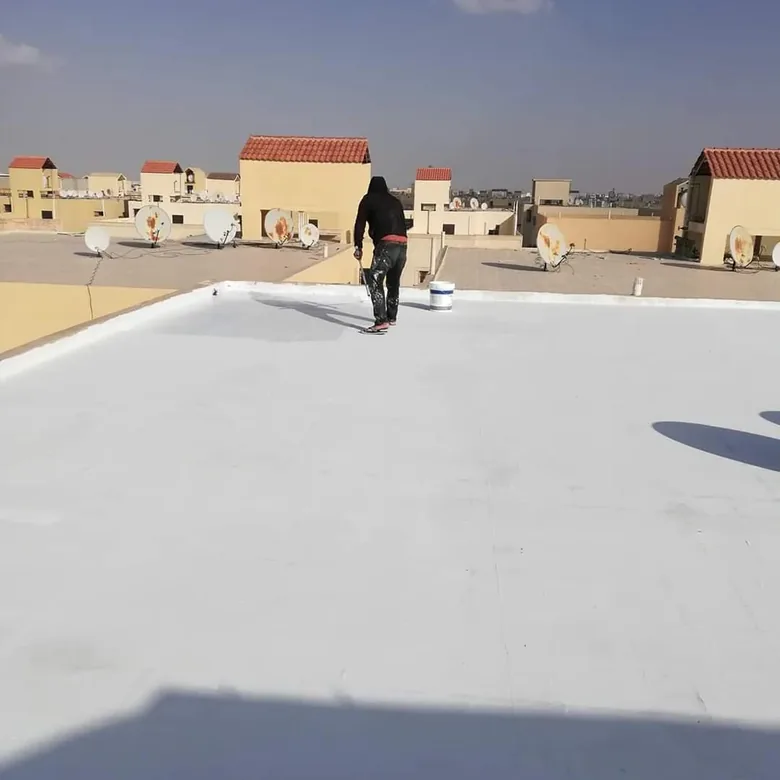
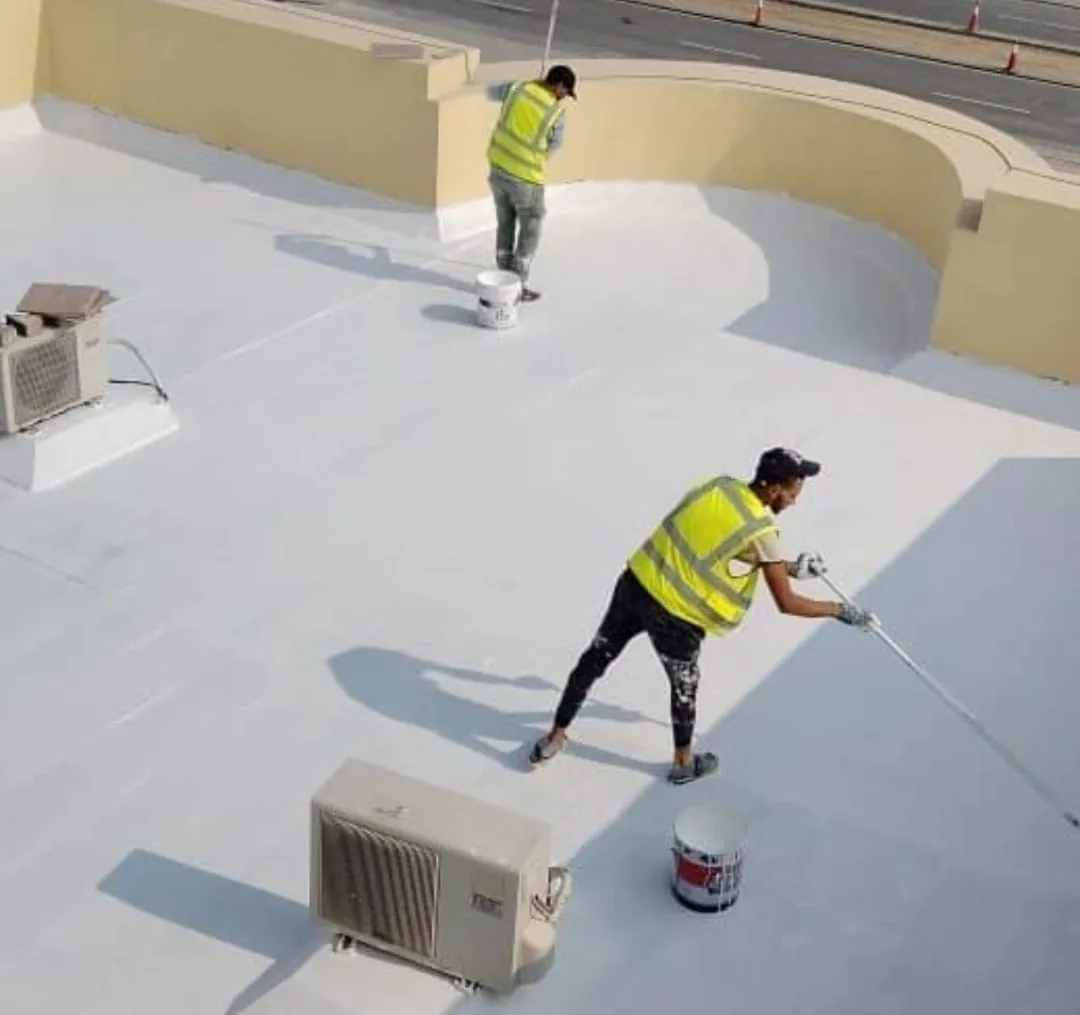
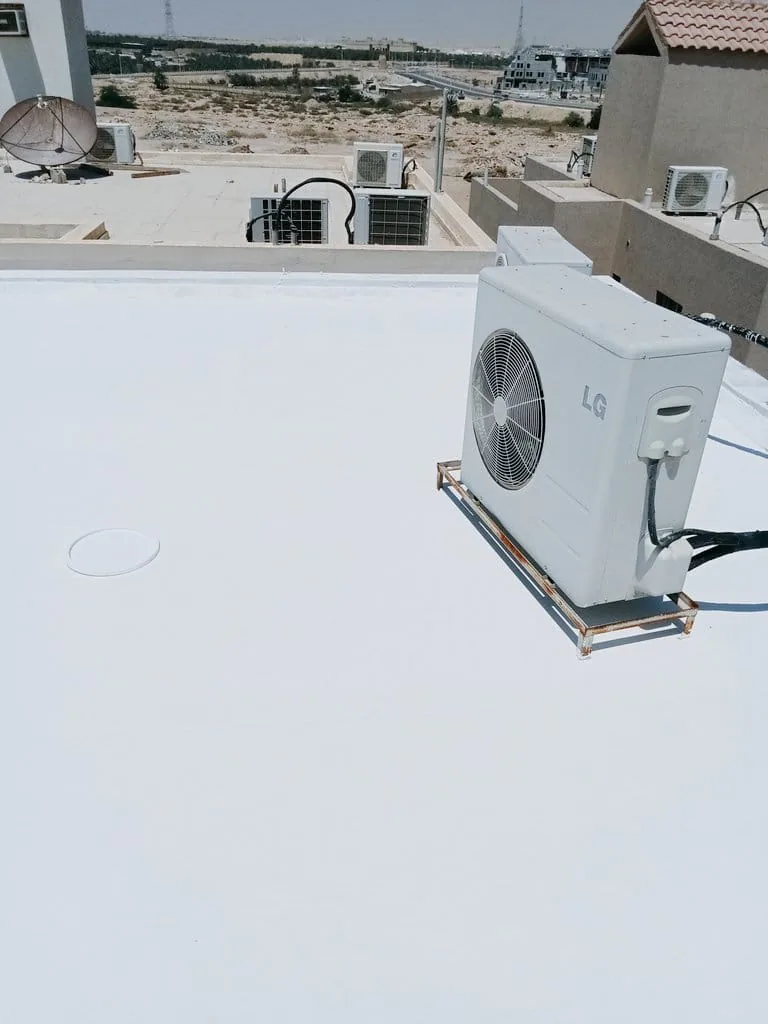
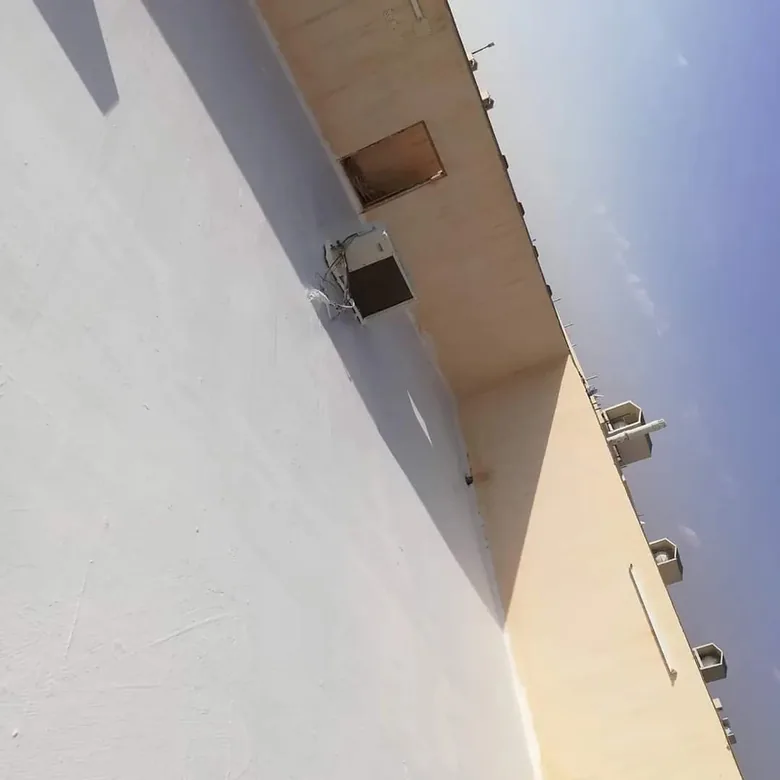
- Applying the appropriate waterproof layer, whether polyurethane foam, epoxy or bitumen rolls
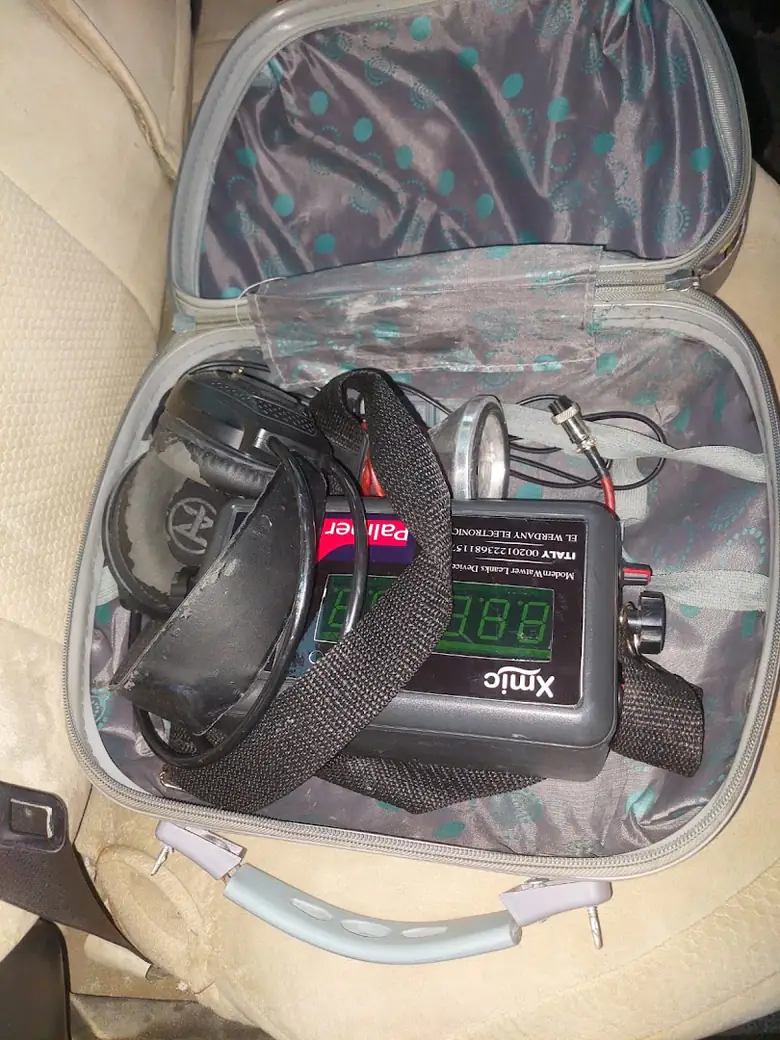
- Inspecting the suspect surface with detection instruments to locate the leak and its cause
- A certified report after inspection stating the leak's location and cause
From your call to the sealed surface
- 1
Tell us what you see
WhatsApp or call us, mention that you are in Al ’Umran and describe the problem as you see it.
- 2
We inspect the surface with instruments
We pass detection instruments over the suspect surface, locate the leak and its cause without breaking anything, and give you a certified report after inspection.
- 3
We prepare the surface for sealing
A waterproof layer does not hold on a damp or cracked surface without preparation. The job involves removing damaged material, treating cracks and levelling before any layer is applied.
- 4
We apply the waterproof layer
Once the surface is ready, the appropriate waterproof layer is applied, whether polyurethane foam, epoxy or bitumen rolls, with careful sealing of joints, edges and drains.
Finding the leak first protects your investment
- Certified report after inspection
- We take your request by phone call or WhatsApp message
- We take requests from Al ’Umran 24 hours, 7 days
- We locate the leak before any work begins
The service in Al ’Umran
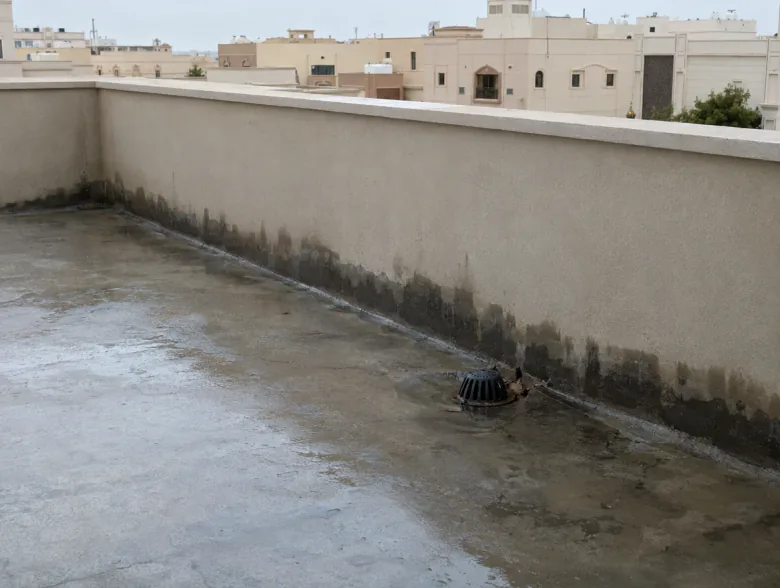
Homes in a district like Al 'Umran usually have bathrooms, kitchens and rooftop tanks, each a possible leak source. Fine cracks and joints around pipes and walls, and weak seals on the tank base, let water seep slowly into the layers below. The technician inspects the site first to trace the water path and find the entry point, then chooses the right waterproofing method: epoxy for fine cracks, bitumen or foam for larger surfaces.
Al 'Umran is a district in Al-Ahsa governorate in the Eastern Province, close to Al Haoutah, Ar Rumailah and Tuwaythir.
Most leaks in a district like this come from bathrooms and kitchens, where pipes and joints are most exposed to moisture.
The service is not limited to Al ’Umran: we also reach Al Haoutah, Ar Rumailah and Tuwaythir nearby.
Our portfolio
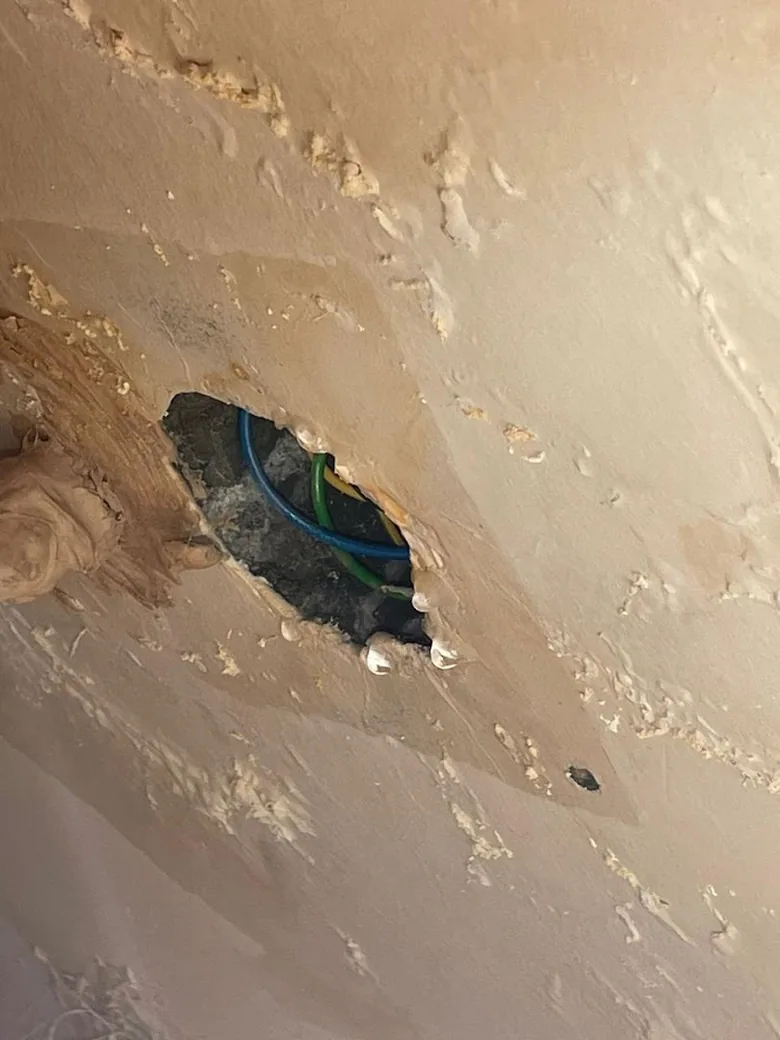
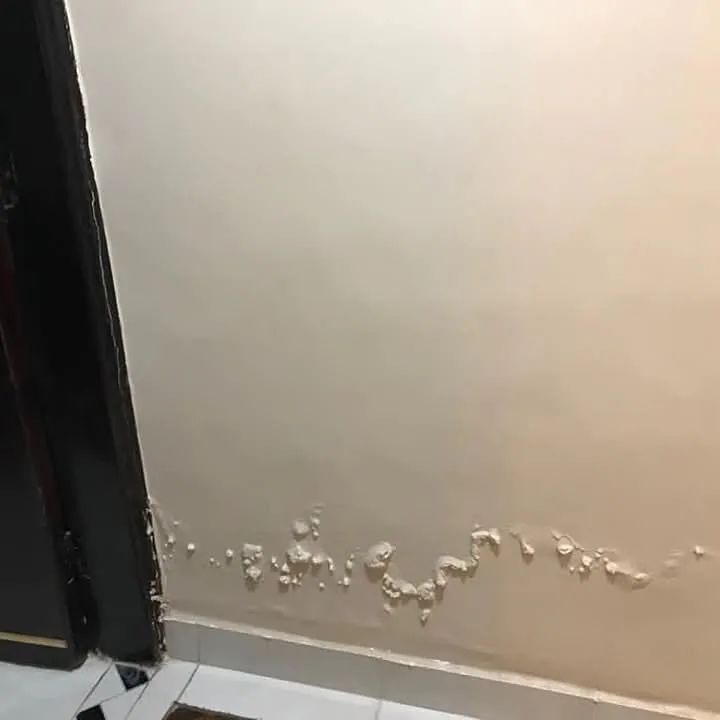
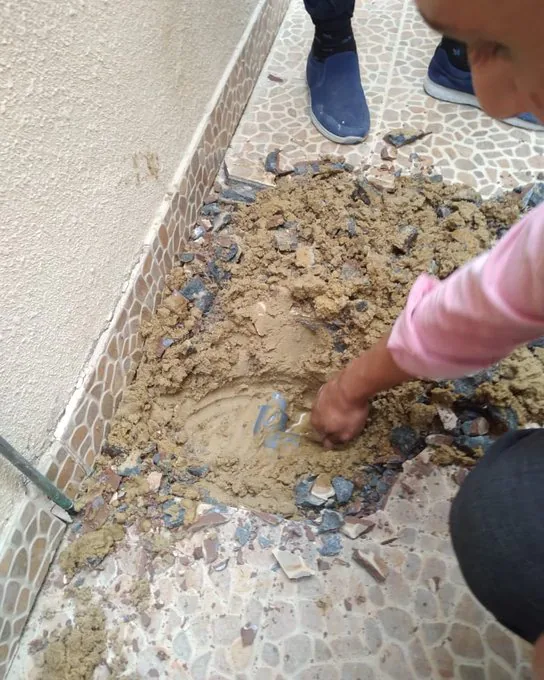
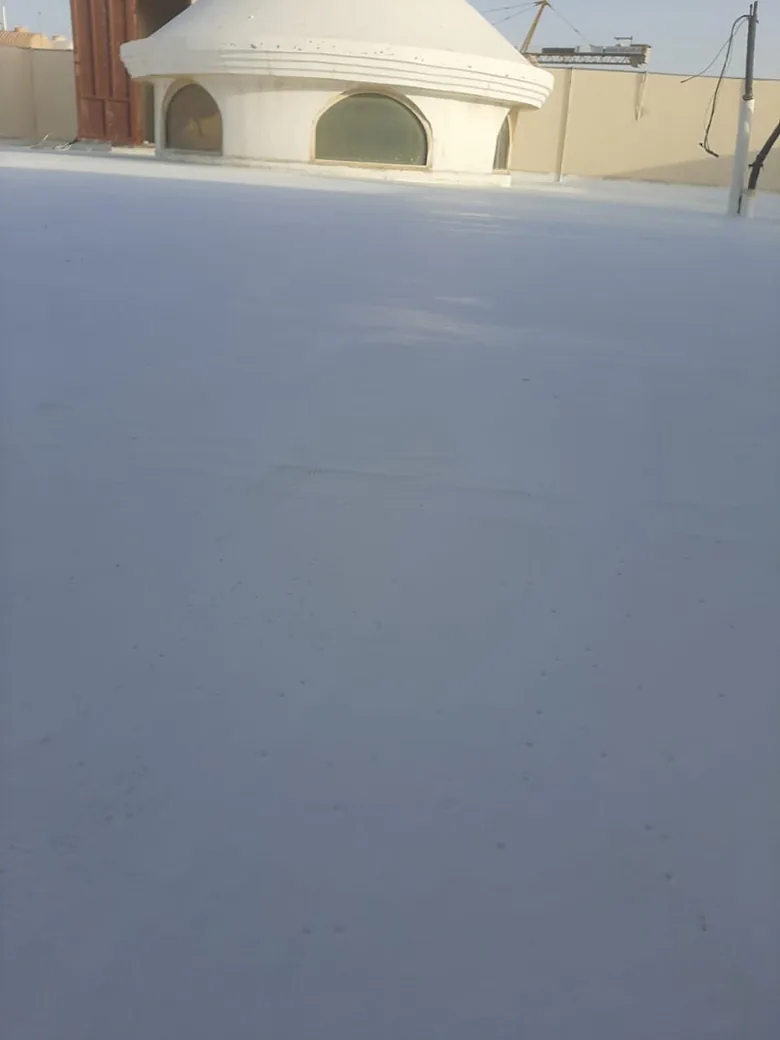
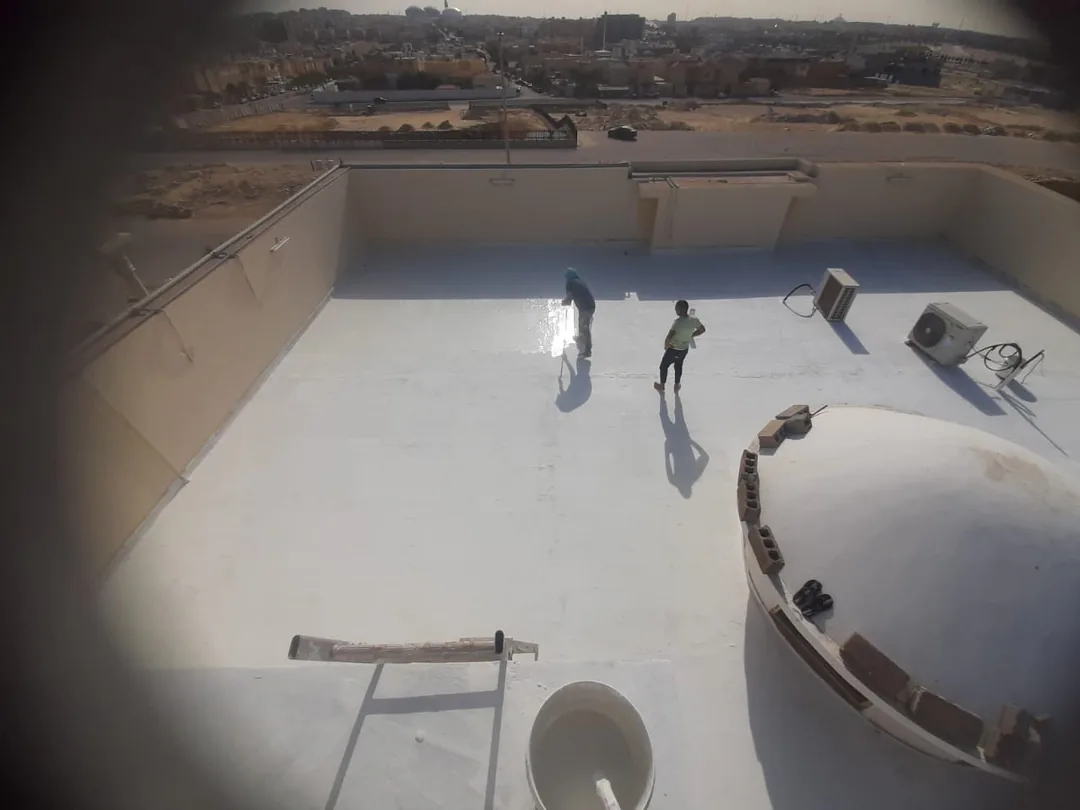
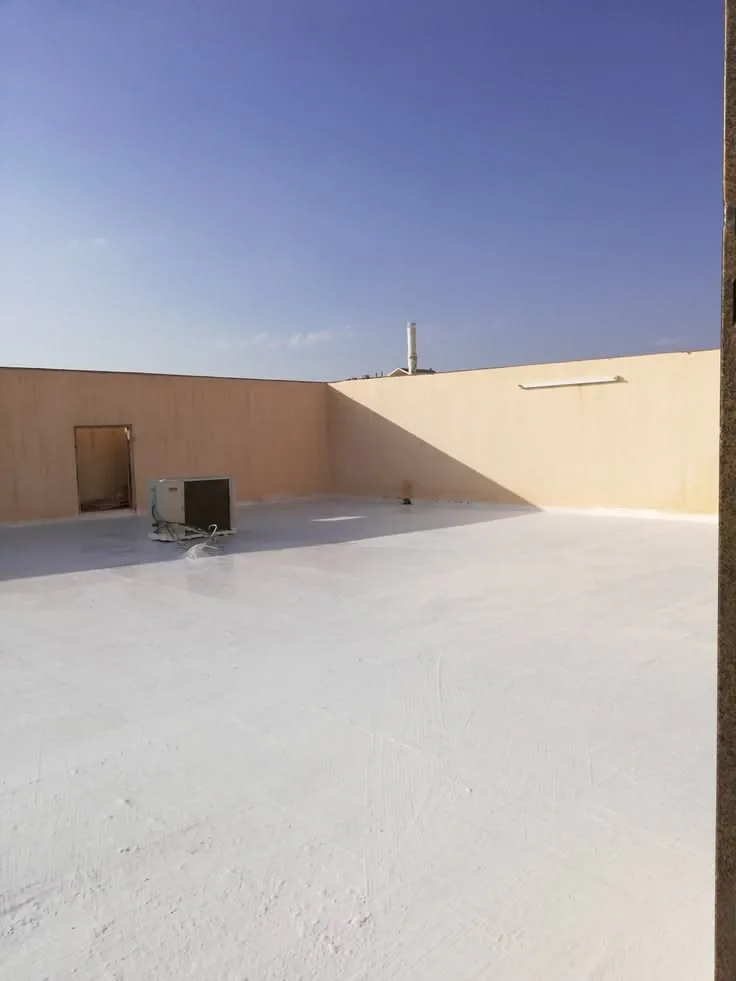
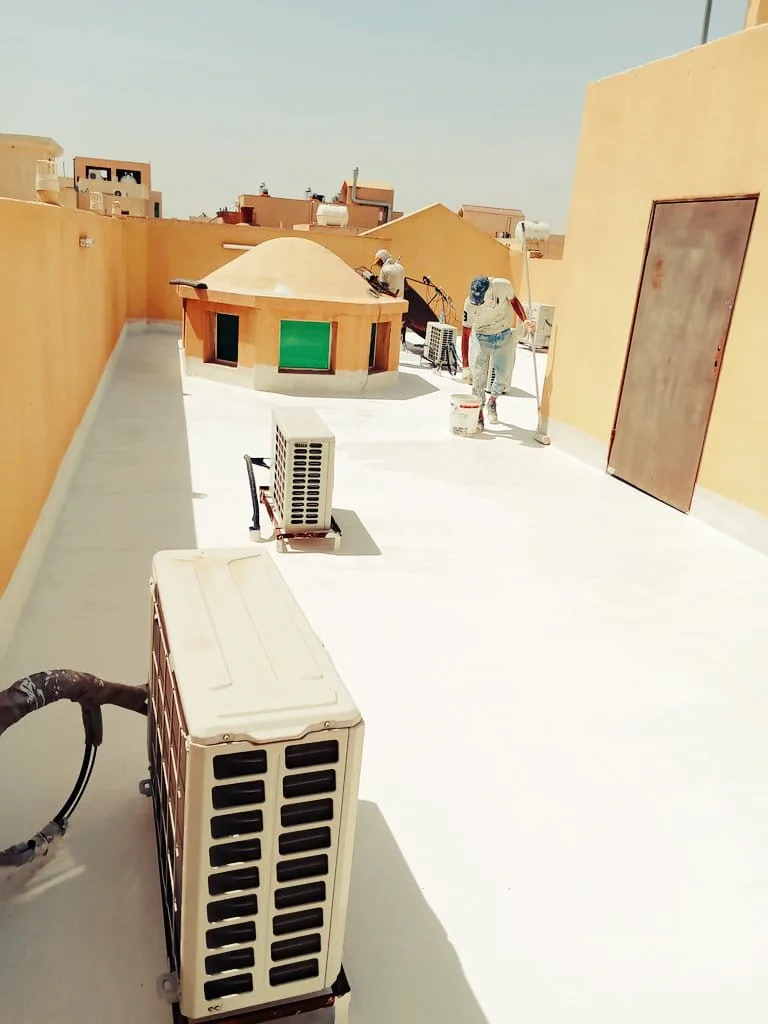
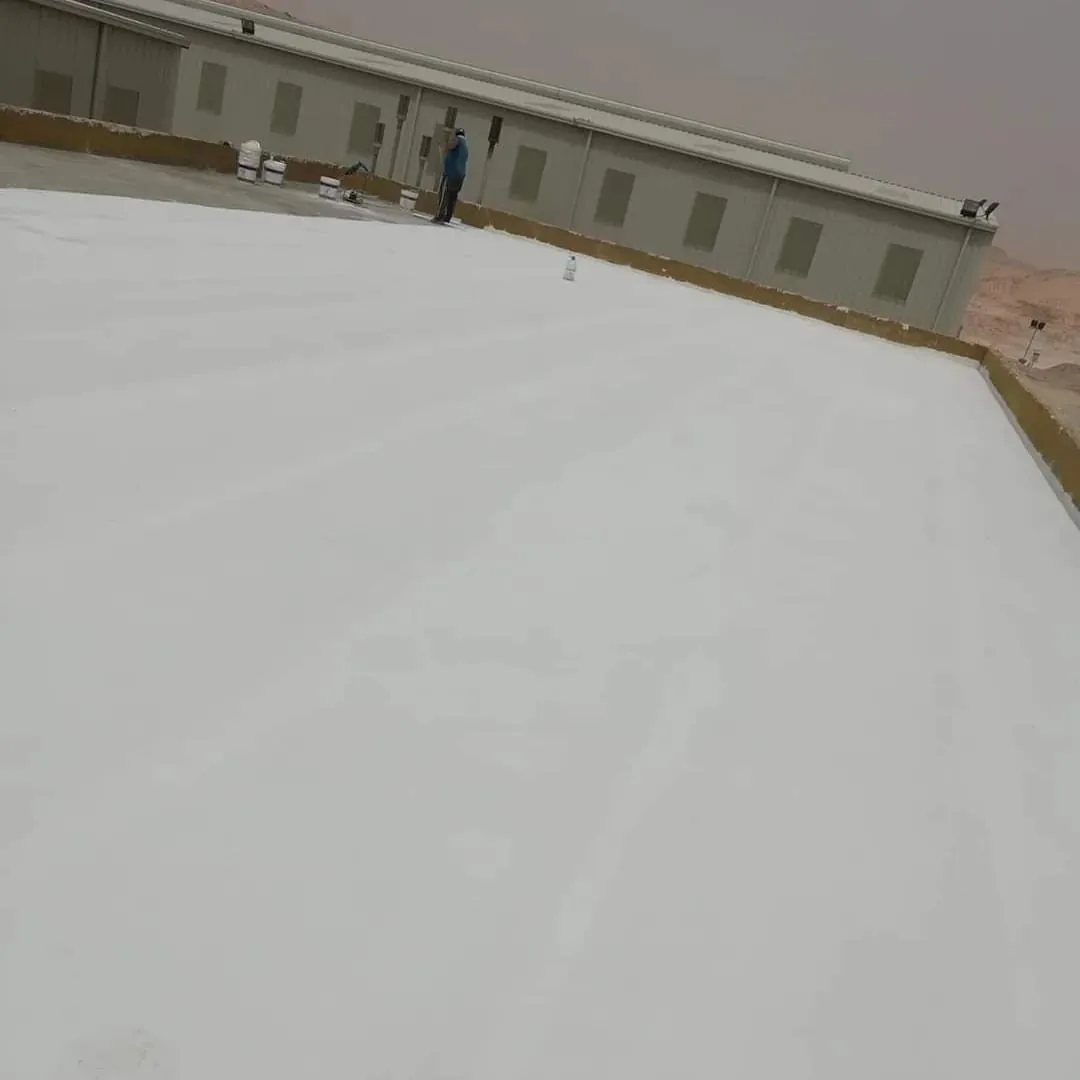
What our customers say
- ★★★★★
شركه ممتاز شغلهم كويس ويعطيهم العافيه
- ★★★★★
شركه ممتازه واشتغلنا معاهم اكثر من مره وجود عاليه ما شاء الله بارك الله فيهم واعمله
- ★★★★★
شكراً لخدمتك الجميلة
Reviews are shown as the customers wrote them, in Arabic.
Questions about Leak detection with waterproofing in Al ’Umran
Tell them exactly where the patch is, which room or what pipes it is near, and whether the damp is spreading or stable. Send a photo on WhatsApp if you can; this helps the technician predict the leak path.
Yes, Al Raya uses detection instruments to trace the water path through layers without cutting or drilling, so it finds the source precisely and starts waterproofing from the right point.
Yes. We work 24 hours, 7 days, so call us from Al ’Umran or message us on WhatsApp at any hour.
Polyurethane foam is a sprayed foam layer that expands and closes fine gaps and cracks. Epoxy is a resin poured or brushed on and hardened to form a non-porous surface. Bitumen rolls are membrane sheets laid and bonded to the surface. Each has familiar uses in the trade, and the choice depends on the nature of the surface and the location of the leak.
Technically, the damaged area can be treated on its own. But if the old waterproof layer has lost its flexibility across the whole surface, treating only part leaves weak points nearby. Inspection determines how much of the surface needs treatment. The decision to extend or limit the work is built on what inspection shows, not on a prior estimate.
Tell us where the damp or stain appears, whether it is on a ceiling, a floor or a wall, and whether it grows after rain or after bathroom or kitchen use. If waterproofing was applied there before, mention that too. These details help us decide what to inspect first.
Leak detection with waterproofing in nearby areas