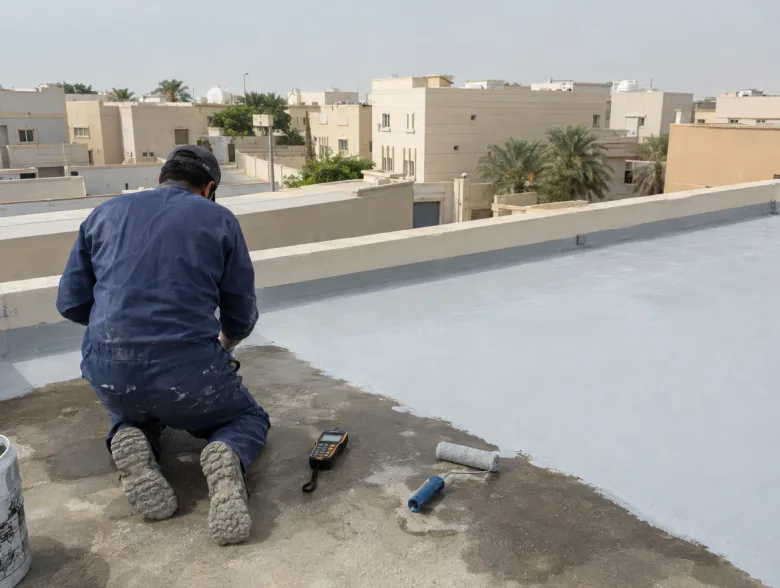
Leak detection with waterproofing in Hajr District
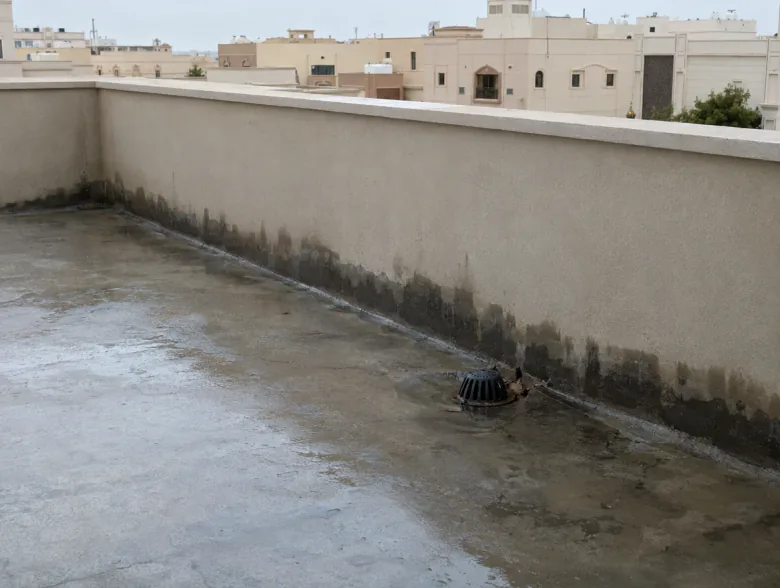
Leak detection with waterproofing in Hajr District tackles damp and wet patches before they worsen. Al Raya's technicians use precise equipment to identify the water source without breaking, then waterproof the spot with material protecting walls and ceilings from the leak returning.
What leak detection with waterproofing includes
- A certified report after inspection stating the leak's location and cause
- Sealing joints, edges and drains, as these are the most common water entry points
- Preparing the surface by removing damaged material and treating cracks before the layer goes on
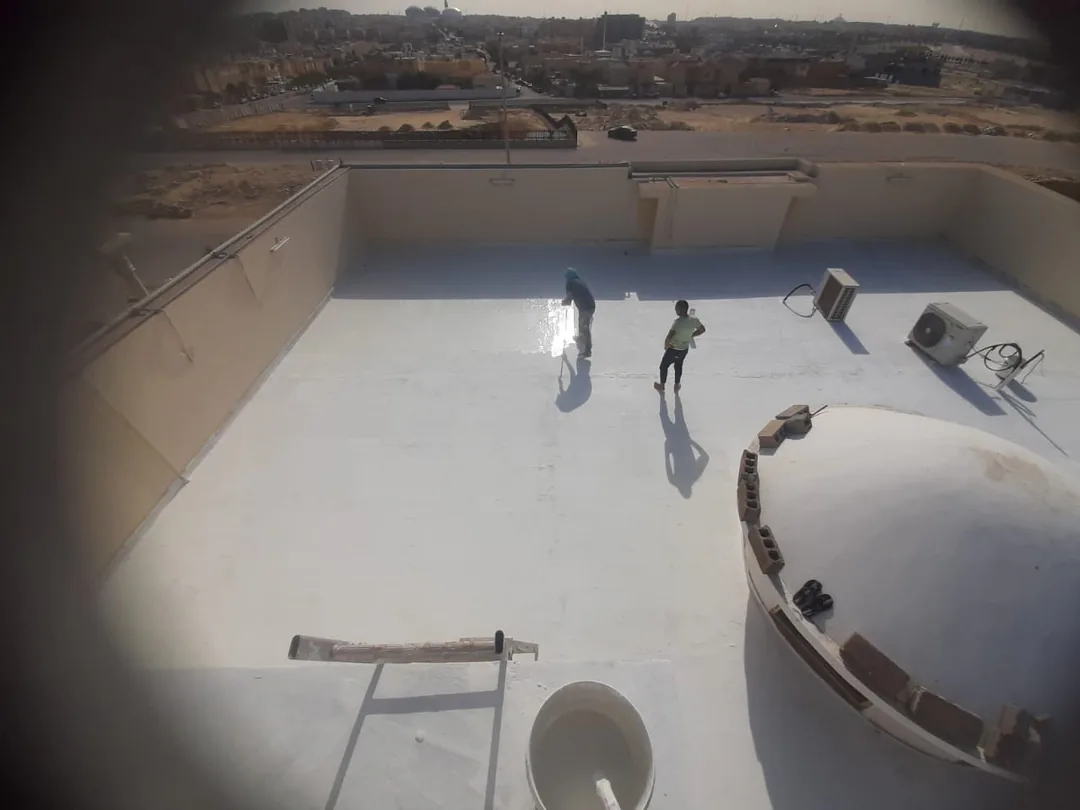
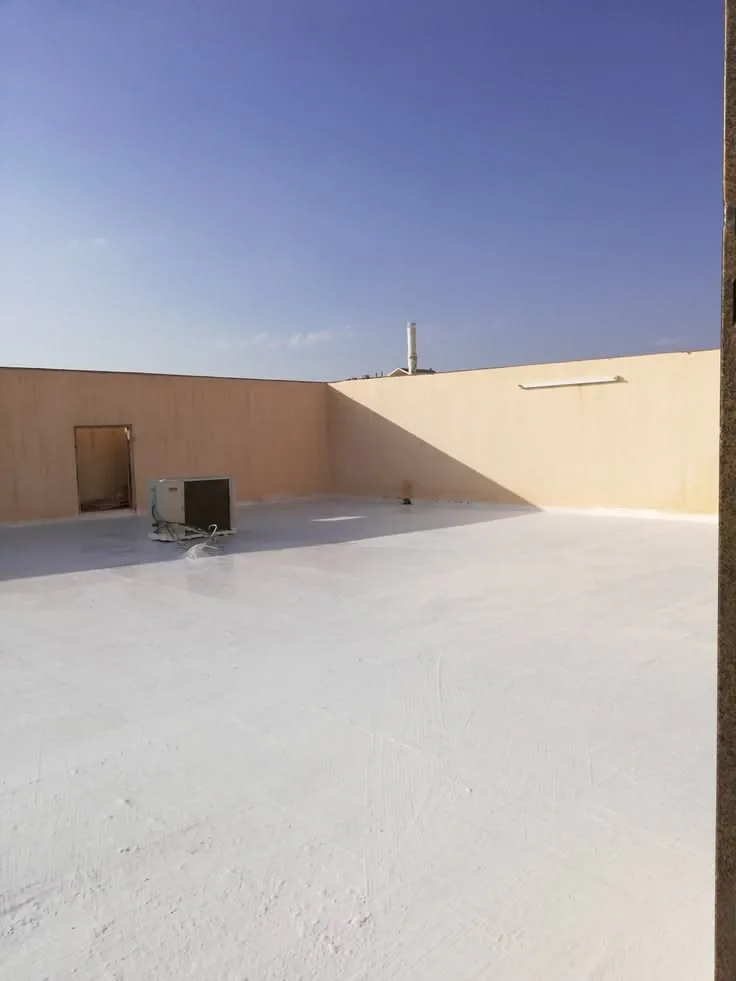
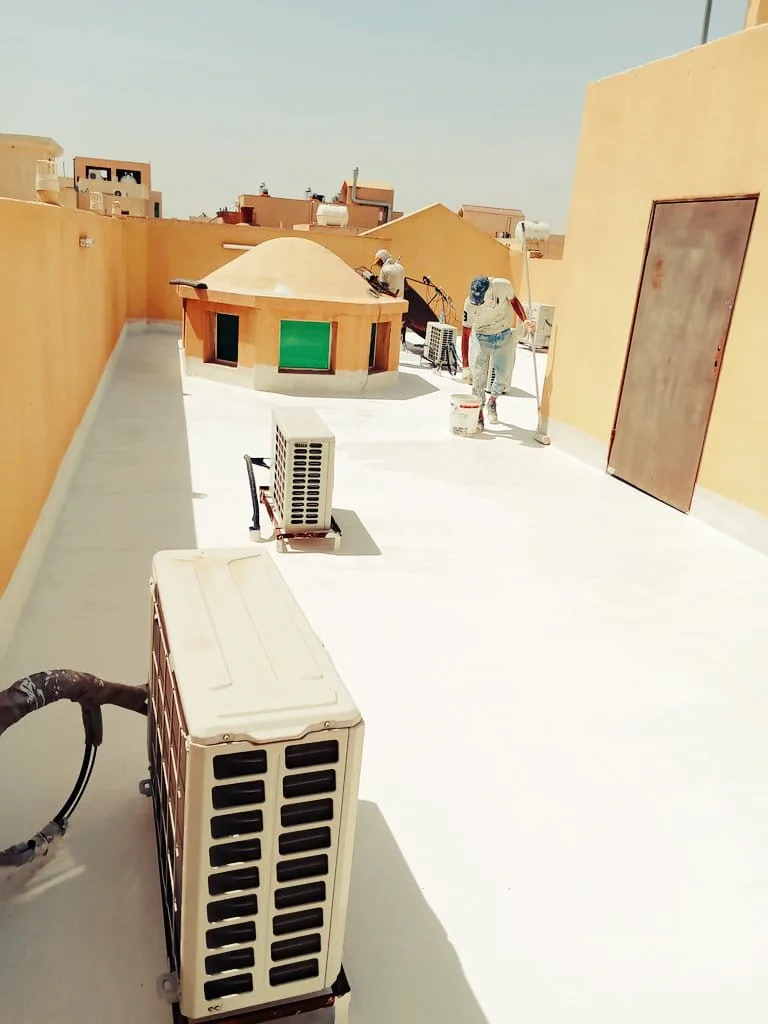
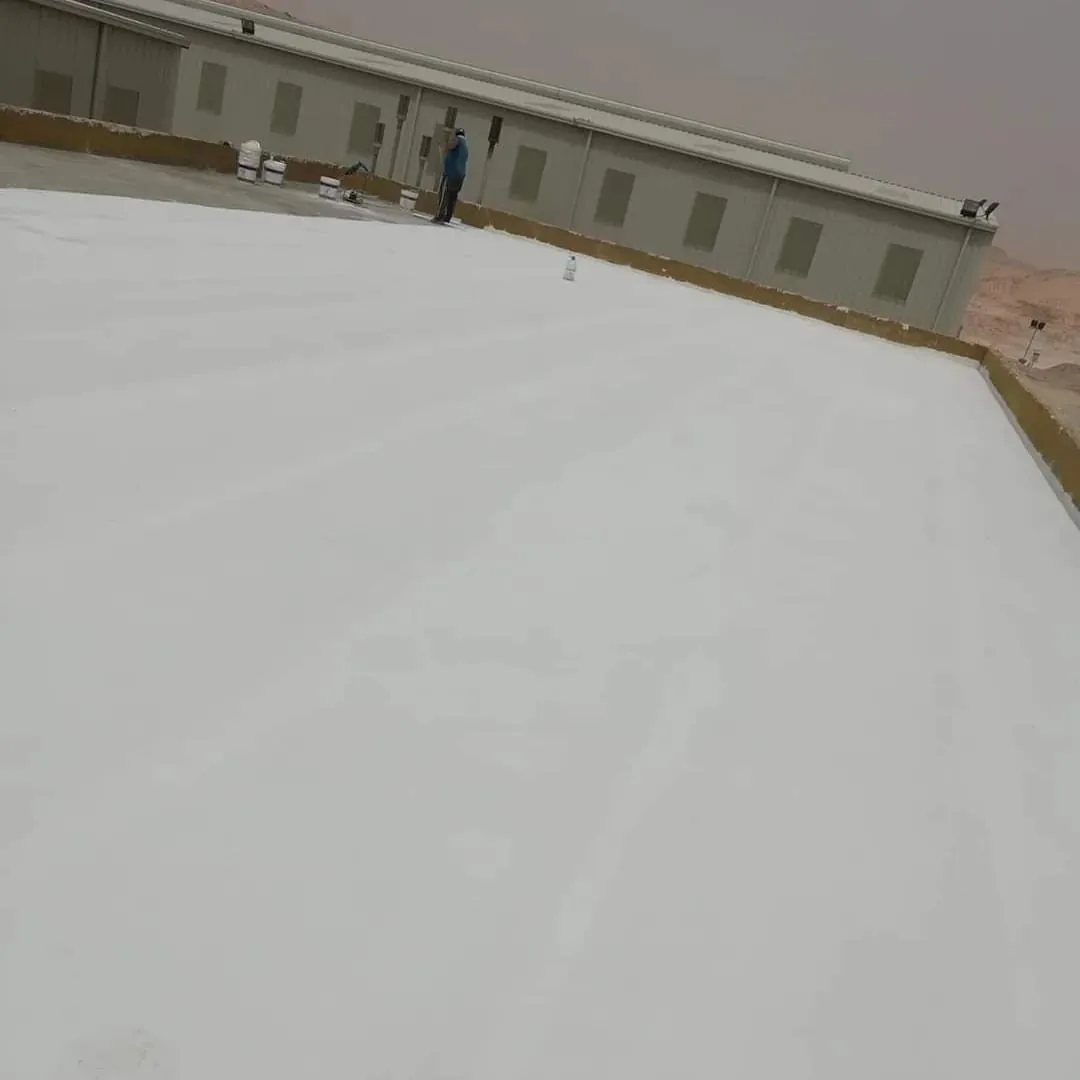
- Covering roof slabs, concrete surfaces, tank walls and bathroom floors
From your call to the sealed surface
- 1
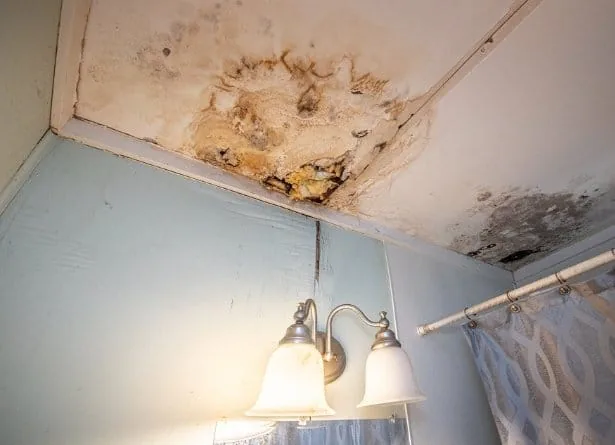
Tell us what you see
From Hajr District, one call or WhatsApp message at any hour is enough: tell us what you see and where it shows.
- 2
We inspect the surface with instruments
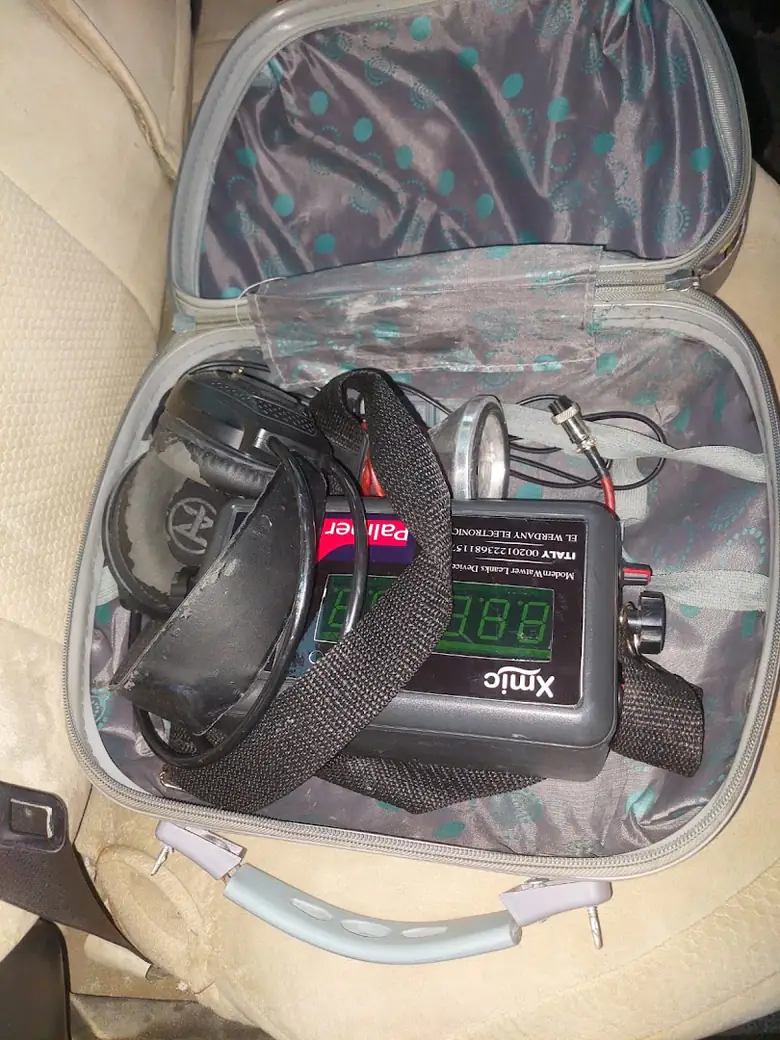
We pass detection instruments over the suspect surface, locate the leak and its cause without breaking anything, and give you a certified report after inspection.
- 3
We prepare the surface for sealing
A waterproof layer does not hold on a damp or cracked surface without preparation. The job involves removing damaged material, treating cracks and levelling before any layer is applied.
- 4
We apply the waterproof layer
Once the surface is ready, the appropriate waterproof layer is applied, whether polyurethane foam, epoxy or bitumen rolls, with careful sealing of joints, edges and drains.
Finding the leak first protects your investment
- Certified report after inspection
- We reach Hajr District as we reach every city and centre of Al-Ahsa
- We locate the leak before any work begins
- We prepare the surface before applying the layer
The service in Hajr District
In a district like Hajr, homes contain pipes, tanks and roofs, and fine cracks in concrete and joints between bricks may allow water in. Foundations and lower walls in Al-Ahsa often suffer from damp and salts because groundwater is close to the surface. Wet patches may appear in the bathroom or kitchen or even on outside surfaces, and increase in winter when it rains or after a tank leaks. Detection starts with a careful check of the damp spot to identify the water source, then the area is cleaned and waterproofed with epoxy or bitumen to stop the leak.
Hajr District is a residential district in Al-Ahsa governorate in the Eastern Province, close to King Faisal University 3rd District, Al Hizam Al Akhdar District and Al Doha District.
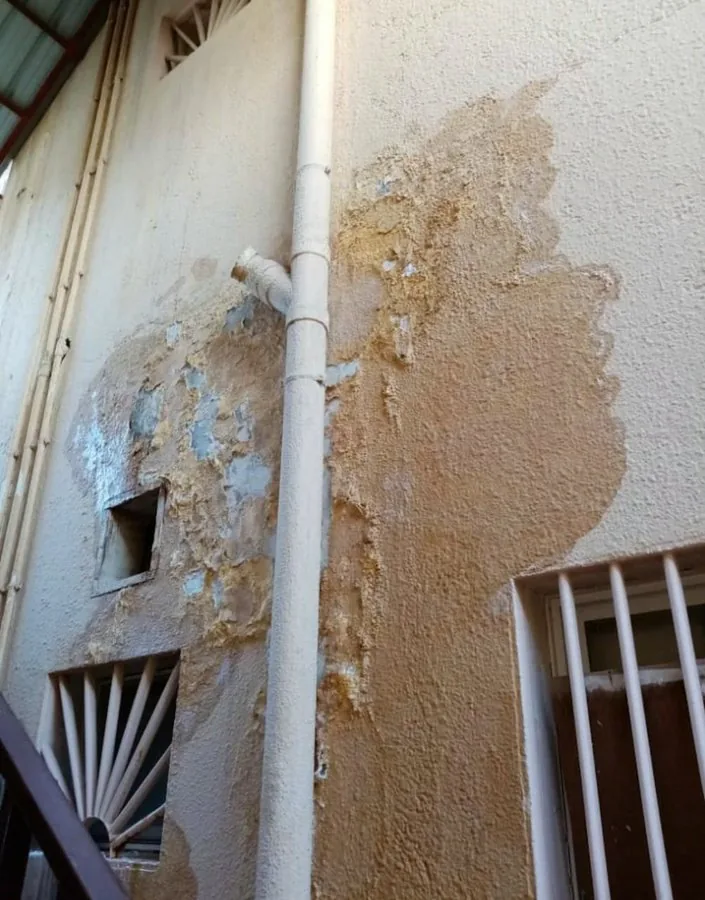
Water usually penetrates walls from the foundation and lower joints, as these areas are most exposed to damp and salts.
If you are near Hajr District, in King Faisal University 3rd, Al Hizam Al Akhdar District and Al Doha District for example, the service reaches you there too.
Our portfolio
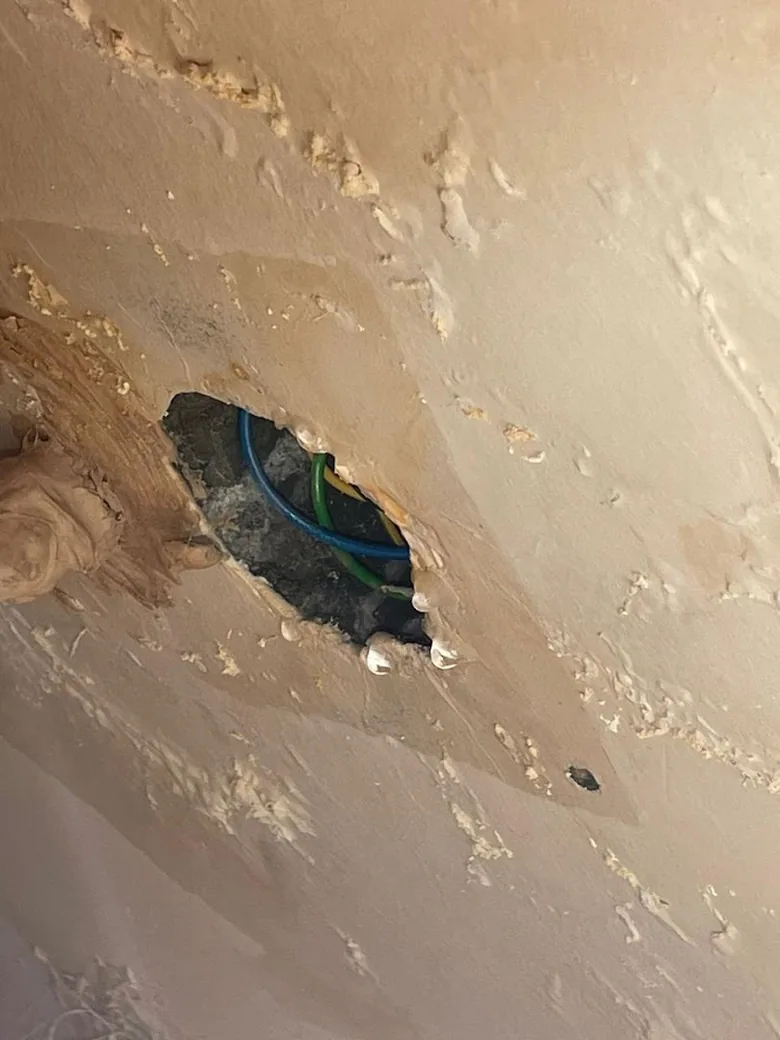
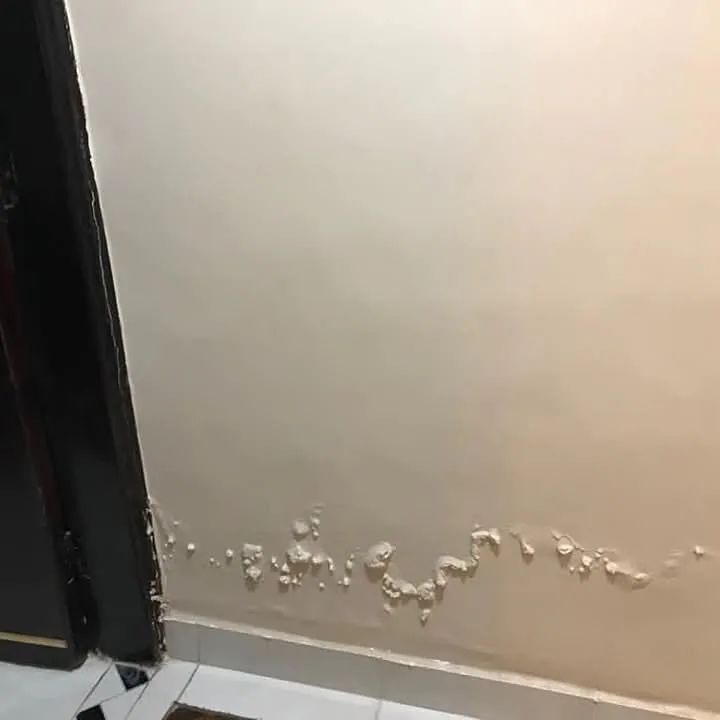
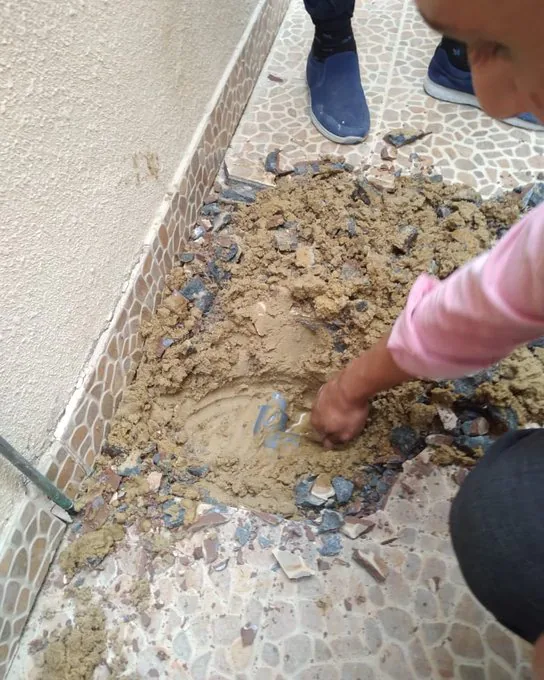
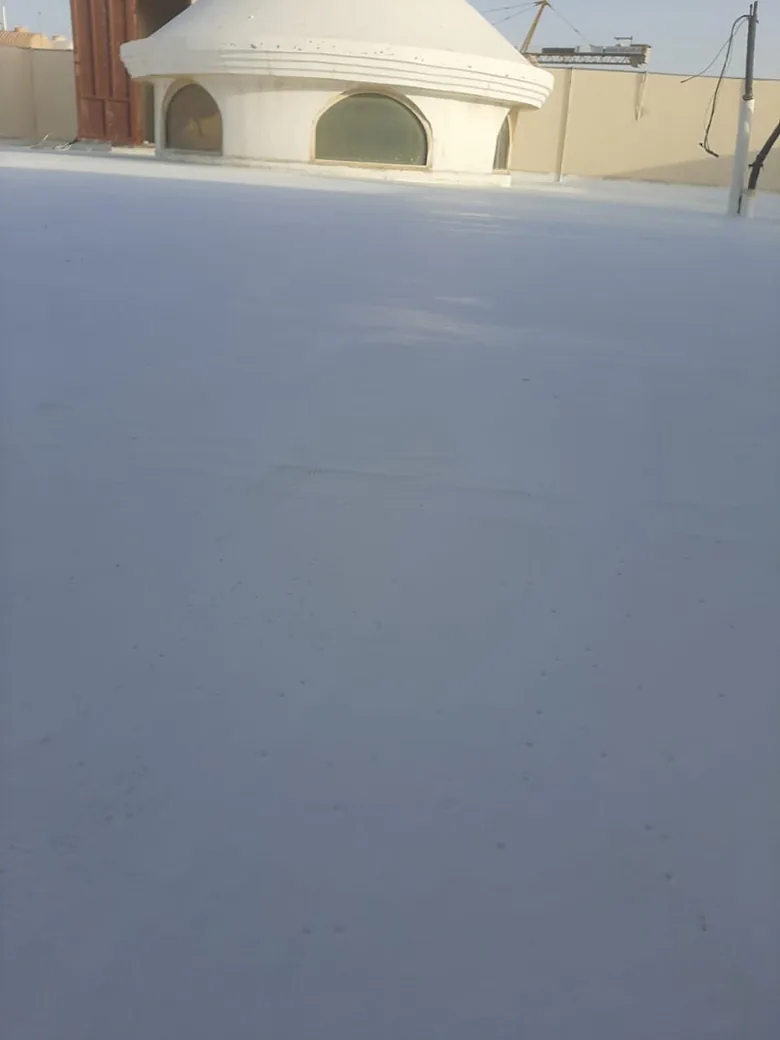
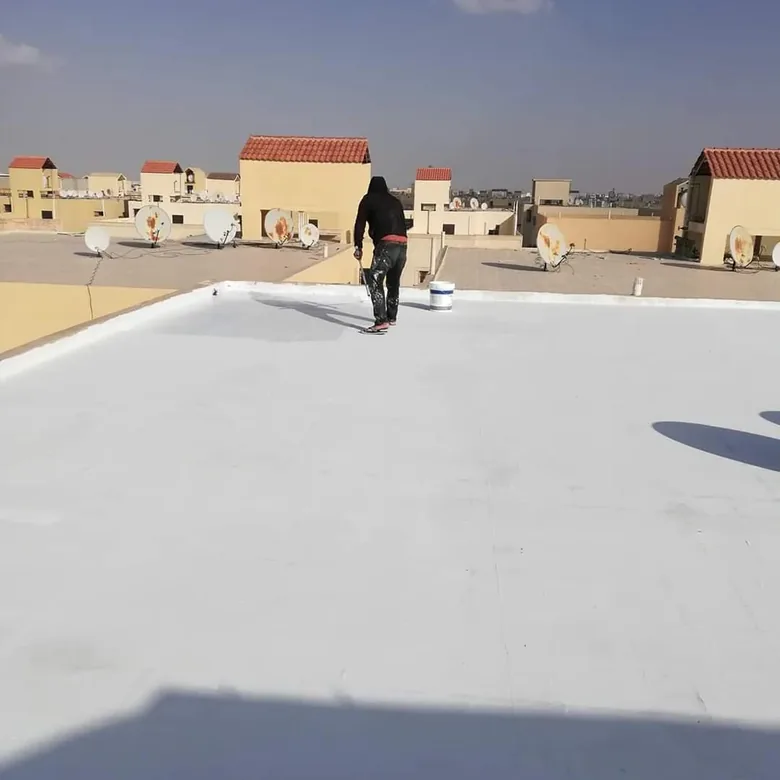
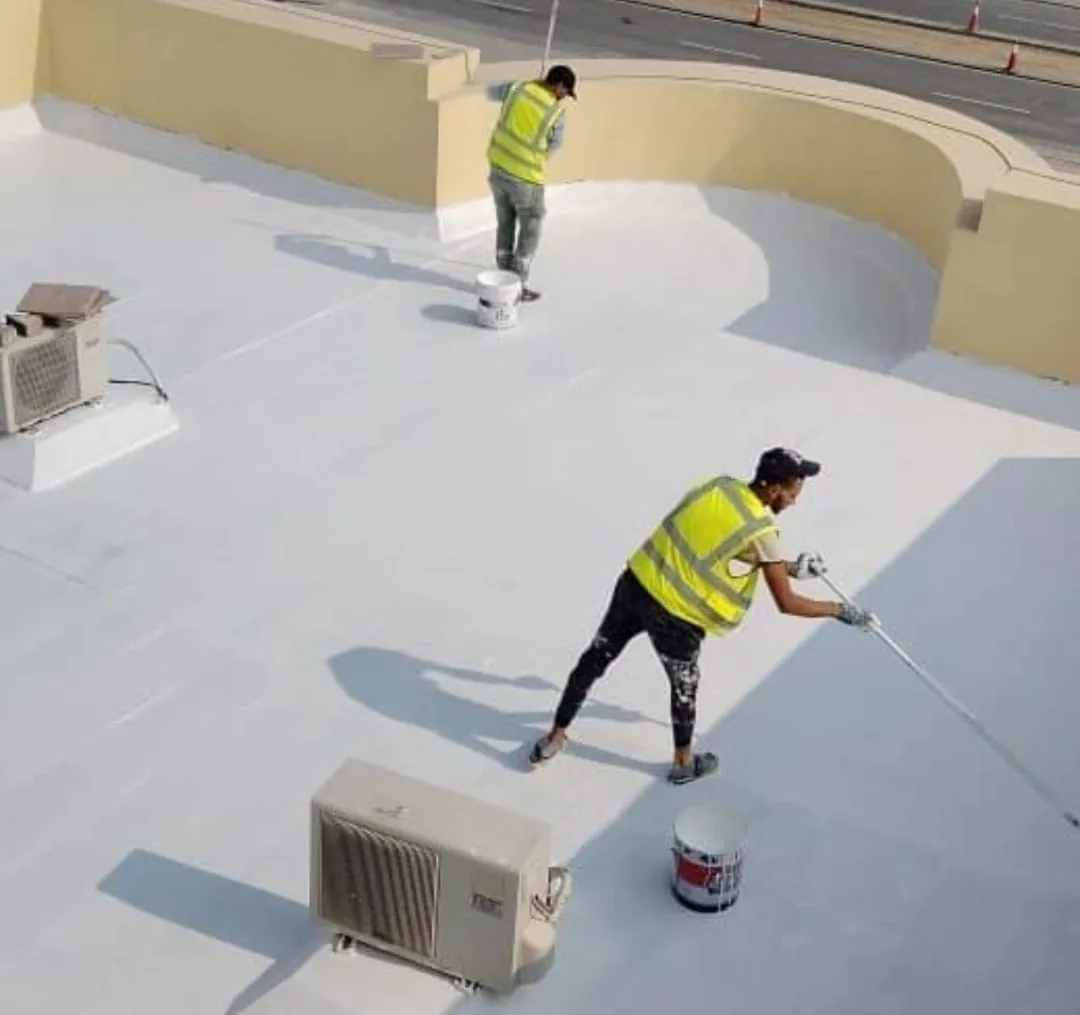
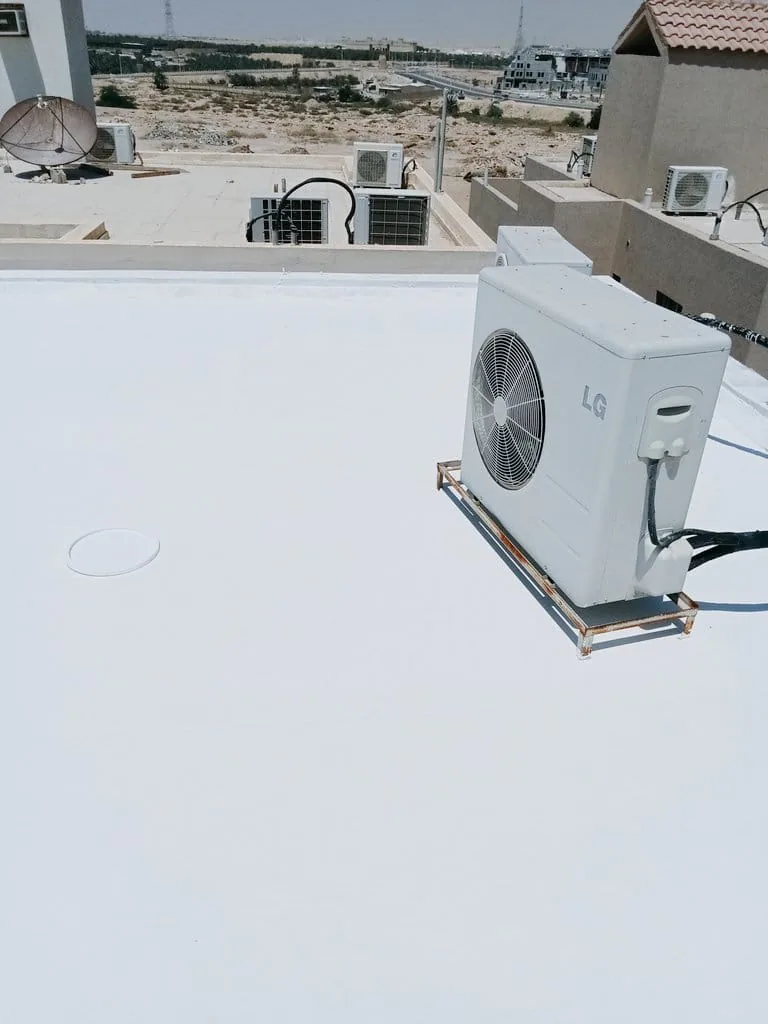
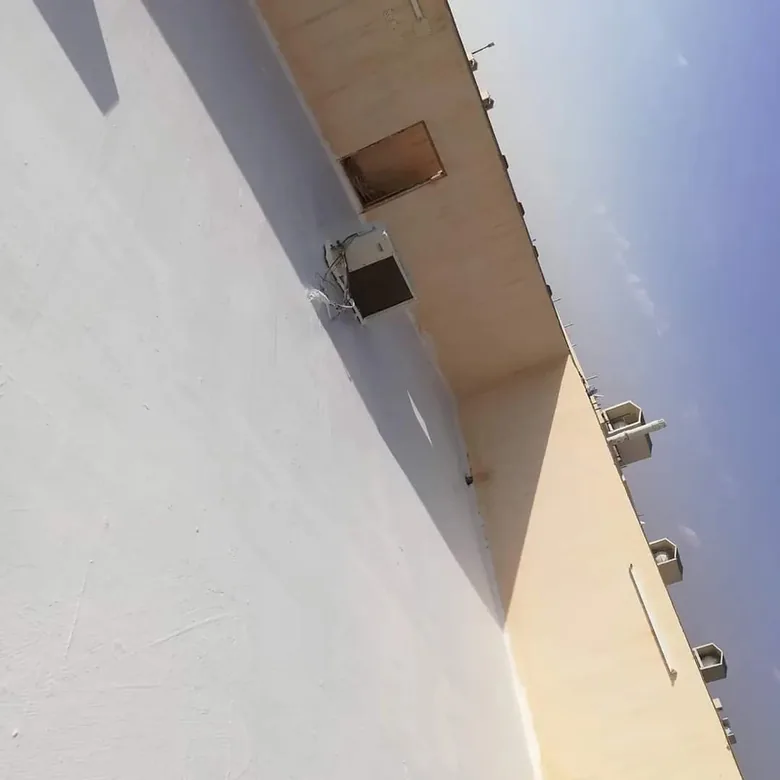
What our customers say
- ★★★★★
شركة ممتازة تستحق التعامل معها بشكل مستمر
- ★★★★★
شركه ممتازه
- ★★★★★
شكراً لخدمتك الجميلة
Reviews are shown as the customers wrote them, in Arabic.
Questions about Leak detection with waterproofing in Hajr District
Damp may come from the foundation if groundwater is near or soil is saturated with moisture, or from above if there is a leak from a tank, pipe or roof. The check pinpoints its source precisely.
Specify the exact location of the damp or patch, in which room, whether it is on a wall, ceiling or floor, and whether it appears constantly or after rain or water use. Share a clear photo on WhatsApp.
A waterproof layer does not bond well to a damp, cracked or crumbling surface. Applied directly, voids form underneath and allow water to pass along the layer or beneath it. Preparation means removing damaged material, treating cracks, drying the surface as far as possible and levelling it so the layer bonds and does its job.
Yes. Hajr District is one of our service areas in Al-Ahsa, together with King Faisal University 3rd, Al Hizam Al Akhdar District and Al Doha District.
Technically, the damaged area can be treated on its own. But if the old waterproof layer has lost its flexibility across the whole surface, treating only part leaves weak points nearby. Inspection determines how much of the surface needs treatment. The decision to extend or limit the work is built on what inspection shows, not on a prior estimate.
Tell us where the damp or stain appears, whether it is on a ceiling, a floor or a wall, and whether it grows after rain or after bathroom or kitchen use. If waterproofing was applied there before, mention that too. These details help us decide what to inspect first.
Leak detection with waterproofing in nearby areas