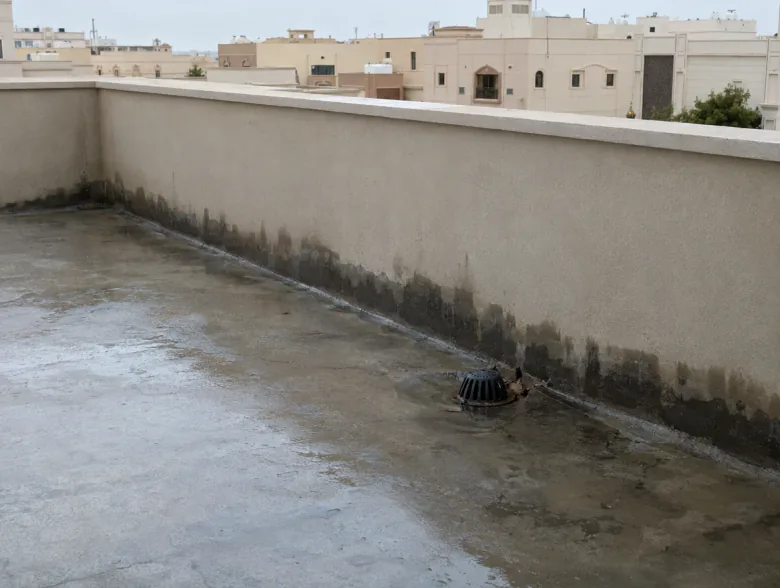
What rainwater leak detection includes
- Checking around window and external door frames for possible entry points
- Telling rainwater traces apart from pipe leak traces in the same area
- Writing down the water entry point and its cause in a certified report after inspection
- Tracing the moisture path inside the ceiling or wall with a thermal camera
From your call to finding the entry
- 1
Describe what you see
From Al Majidiyah District, one call or WhatsApp message at any hour is enough: tell us what you see and where it shows.
- 2
We inspect the outer shell
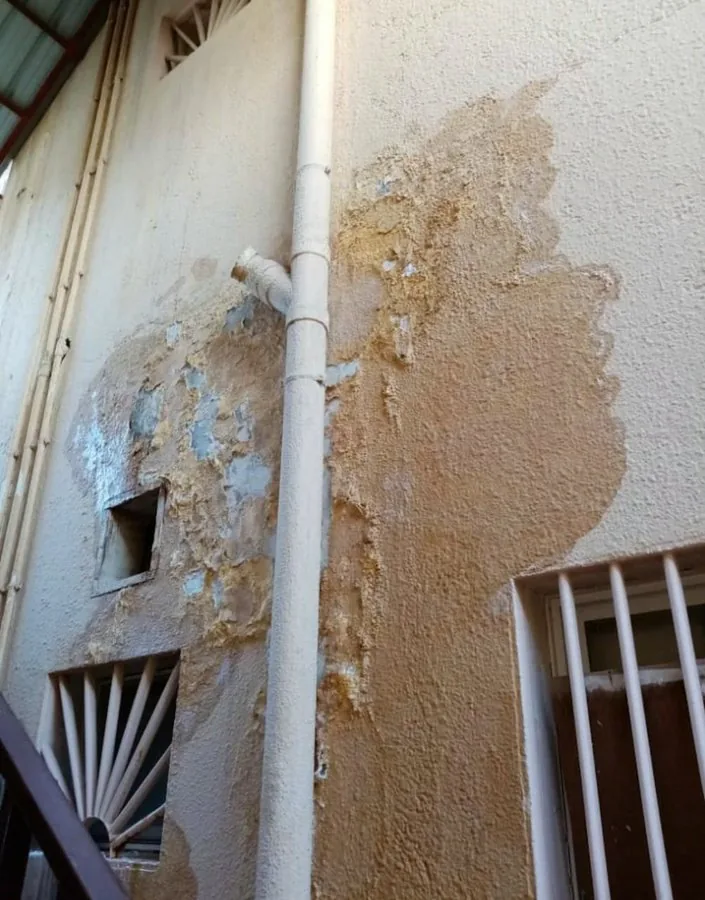
We check the roof edge, the parapet, window joints, AC pipe outlets and roof drains, as these are the places rain water most often uses to get in.
- 3
We trace the water path with instruments
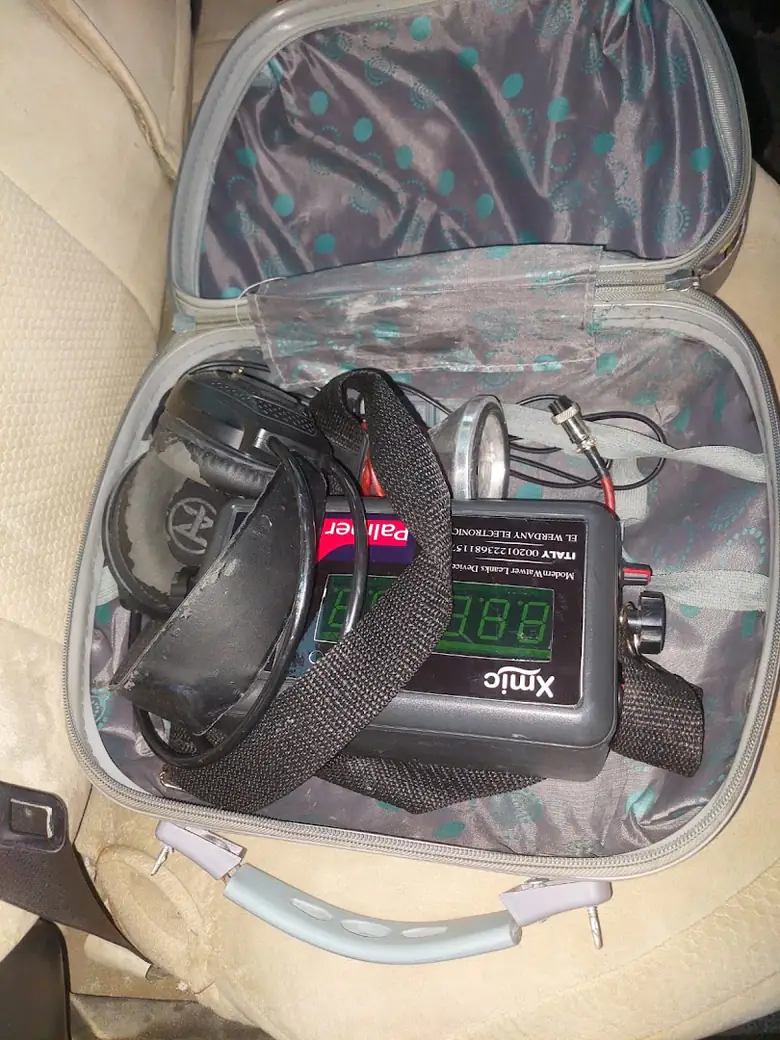
We use a thermal camera and electronic detectors to follow the moisture trail from the stain you see back to the real entry point.
- 4
You receive a certified report
After inspection you receive a certified report stating the entry point's location and cause, so you decide the next step with clear information.
The stain has a source and it can be found
- We trace the water from the stain back to the real entry point
- We reach Al Majidiyah District as we reach every city and centre of Al-Ahsa
- Certified report after inspection states the location and cause
- We take your request by phone call or WhatsApp message
The service in Al Majidiyah District
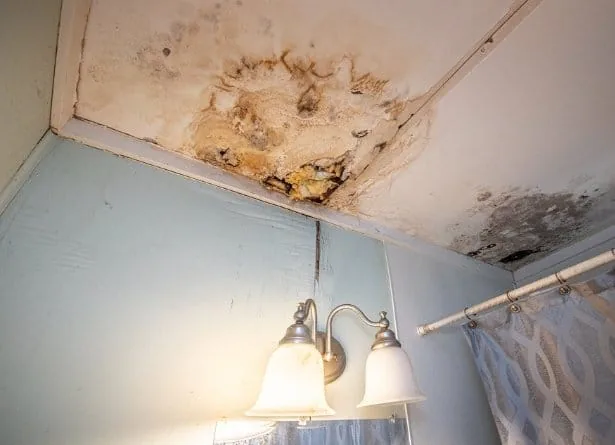
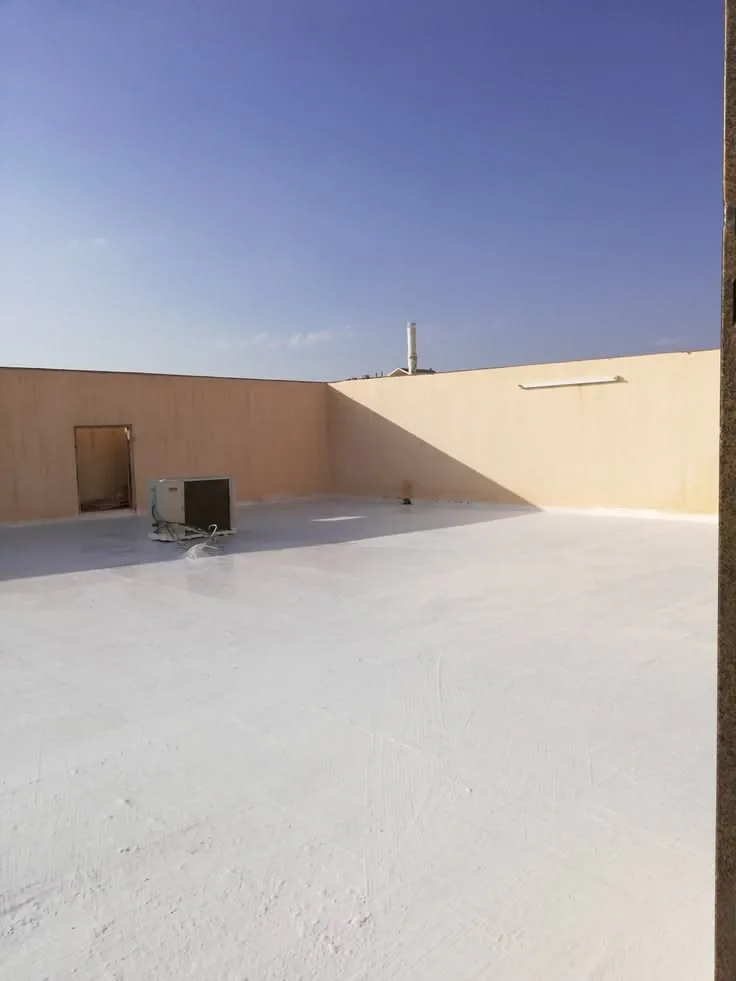
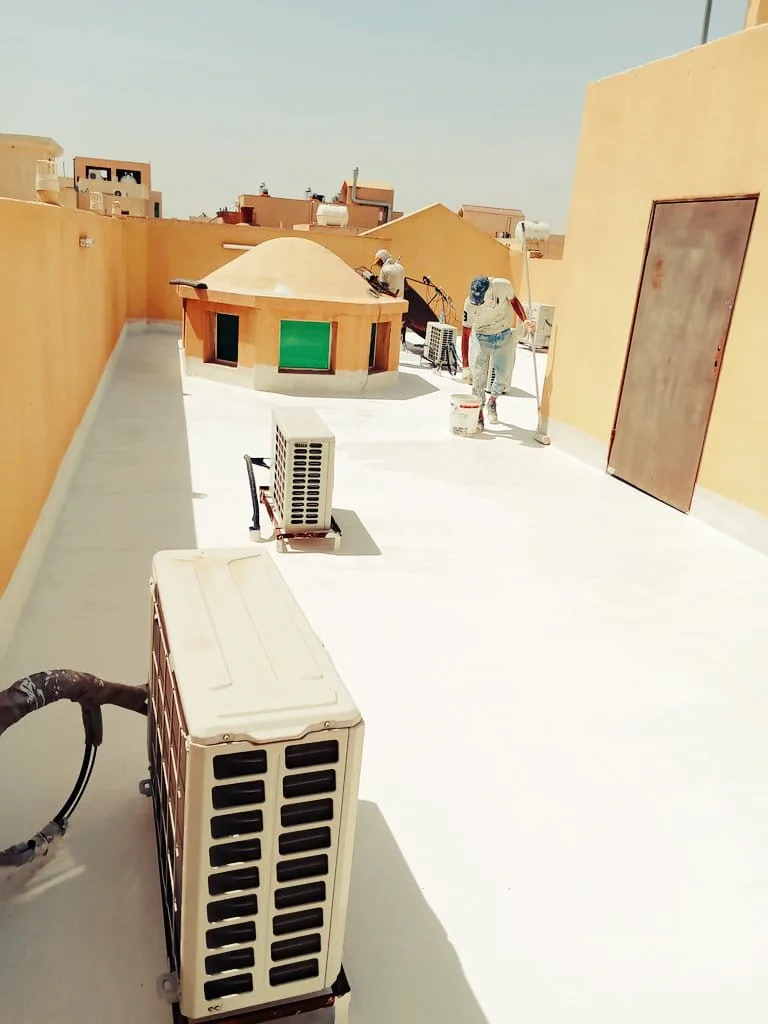
Homes in a district like Al Majidiyah typically have flat roofs with a parapet, tanks, a stair cover and drainage pipes, each corner a possible water entry point. When rain comes to Al-Ahsa, though rare, it comes hard and finds fine cracks in joints and corners. You cannot see where water enters because it may travel under the roof before reaching the ceiling. Instrument inspection identifies the actual water path under the surface, focusing work on the real location without opening the whole roof.
Al Majidiyah District is a district in Al-Ahsa governorate in the Eastern Province, close to Ar Rabwah District, Al Badriyah District and Al Muhandisin District.
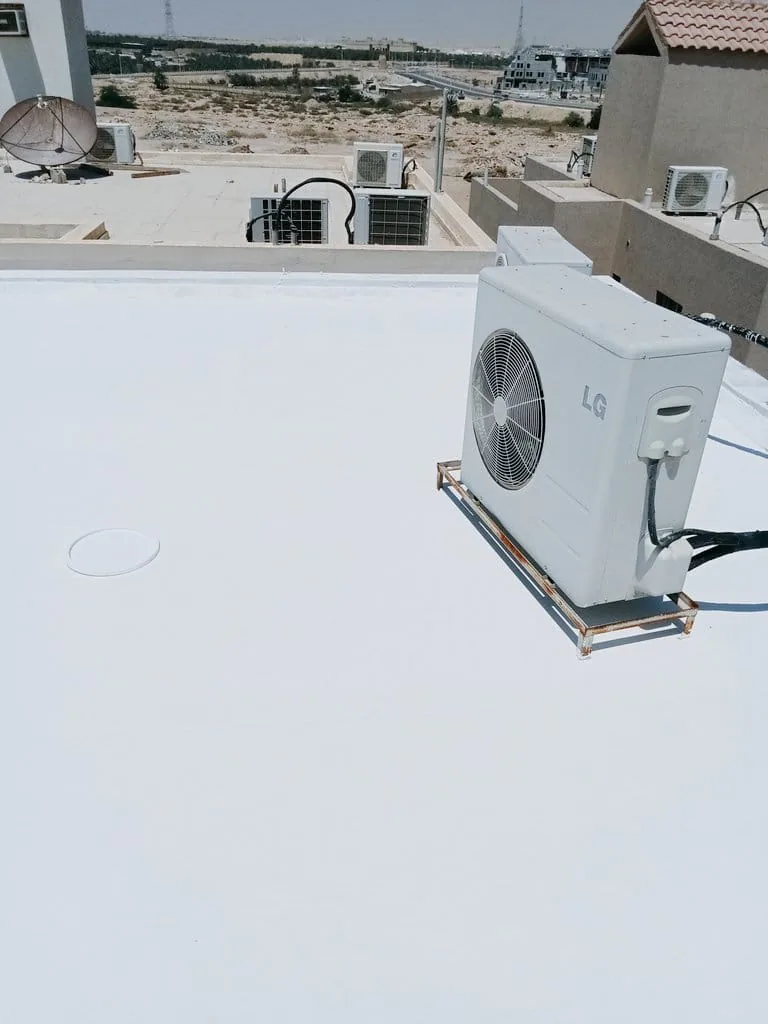
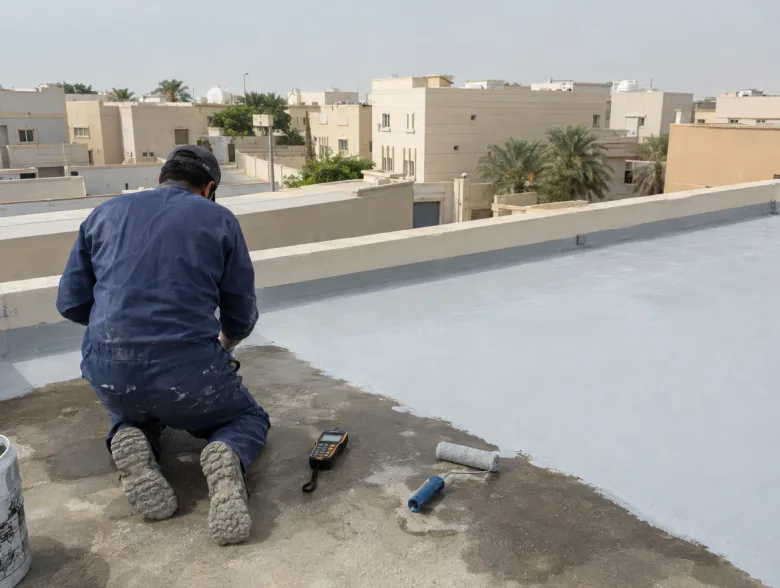
Cracks along the parapet edge and joints between tanks and roof are the first places to check when searching for a leak.
If you are near Al Majidiyah District, in Ar Rabwah District, Al Badriyah District and Al Muhandisin District for example, the service reaches you there too.
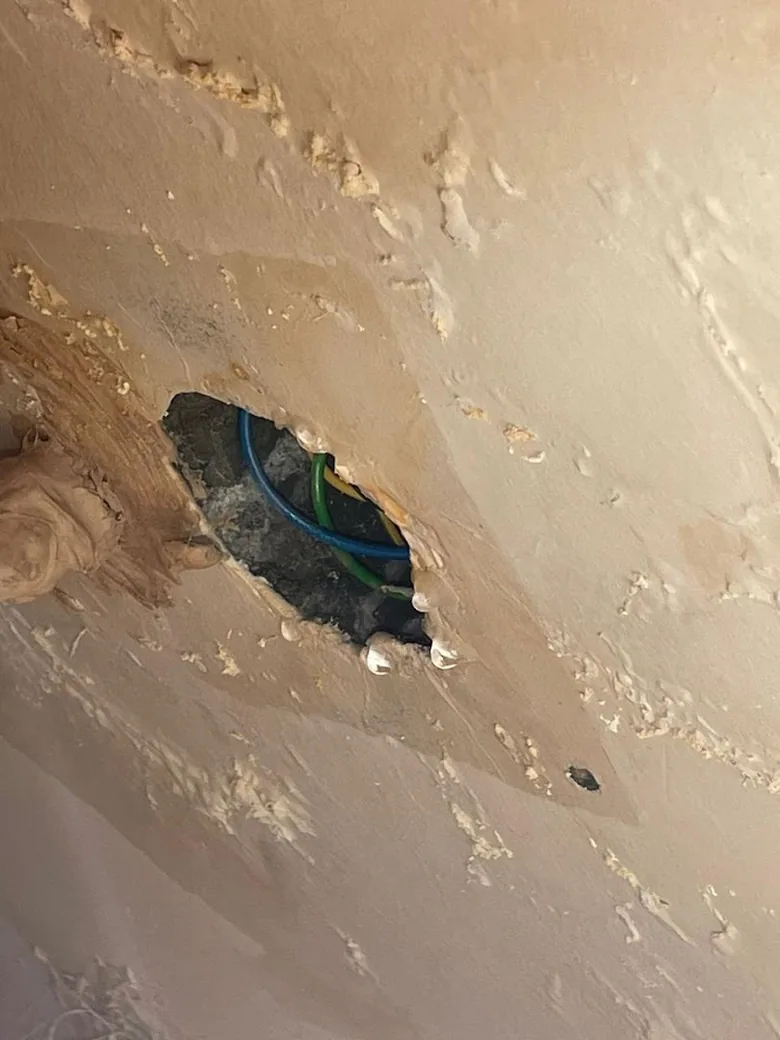
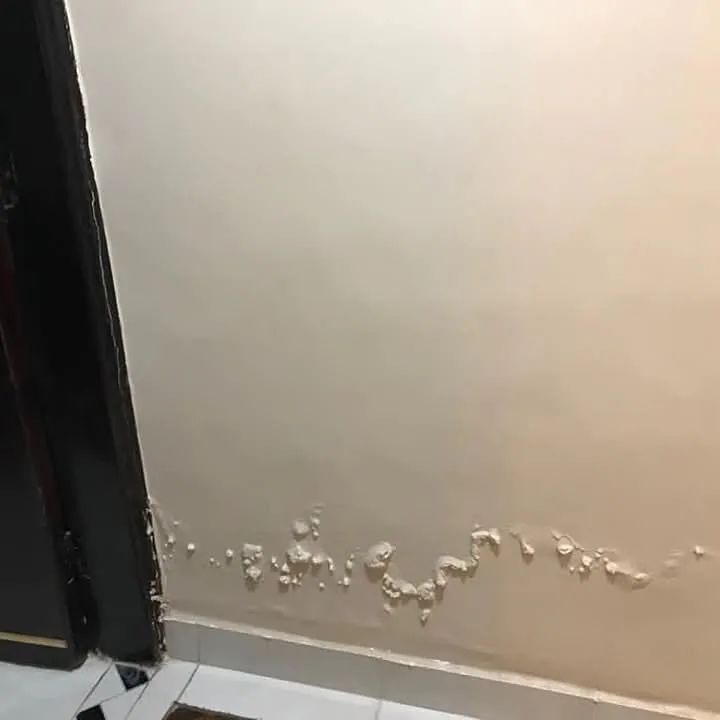
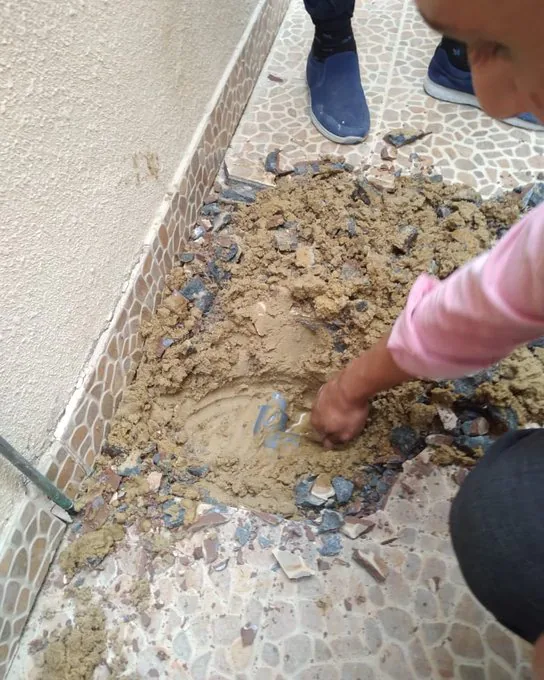
Our portfolio
What our customers say
- ★★★★★
شكراً لخدمتك الجميلة
- ★★★★★
شركة ممتازة تستحق التعامل معها بشكل مستمر
- ★★★★★
شغلهم كويس وناس ممتازه في اسرع وقت
Reviews are shown as the customers wrote them, in Arabic.
Questions about Rainwater leak detection in Al Majidiyah District
Not necessarily. Water can travel under the roof and drip far from the entry point. Instruments trace the actual water path under the surface to find the real entry.
Confirm that stains appear right after rain, not from water use in the room, and try to recall any odd features on the roof like cracks, paint patches or greasy spots. A clear photo of the roof on WhatsApp helps a lot.
Yes, a thermal camera and electronic detectors pick up stored moisture inside walls and ceilings even after the visible surface dries, and this shows the water's path. Inspection is possible at any time and does not need rain to be falling.
Yes. Al Majidiyah District is one of our service areas in Al-Ahsa, together with Ar Rabwah District, Al Badriyah District and Al Muhandisin District.
It usually enters at the roof edge and parapet joints, around window and external door frames, or where AC pipes and roof drains pass through if the seal around them weakens. Cracks in outer walls are another entry point that is often overlooked.
When water enters at the roof edge or parapet it does not fall straight down. It travels sideways across the slab or inside the concrete until it finds a path down. So the stain may be in the middle of the ceiling while the entry is at the edge or a joint.
Rainwater leak detection in nearby areas