What rainwater leak detection includes
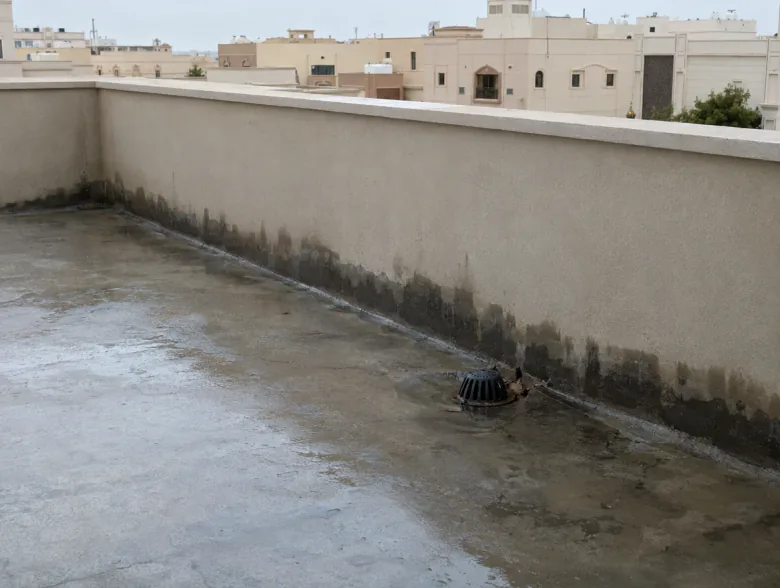
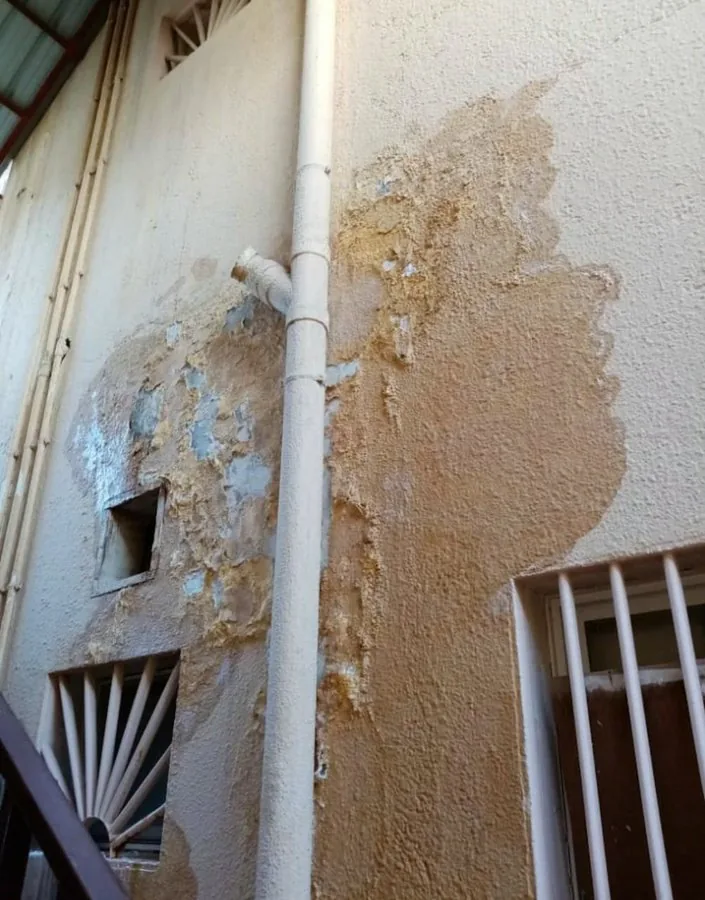
- Checking AC pipe outlets and roof drain surrounds for weakened seals
- Writing down the water entry point and its cause in a certified report after inspection
- Telling rainwater traces apart from pipe leak traces in the same area
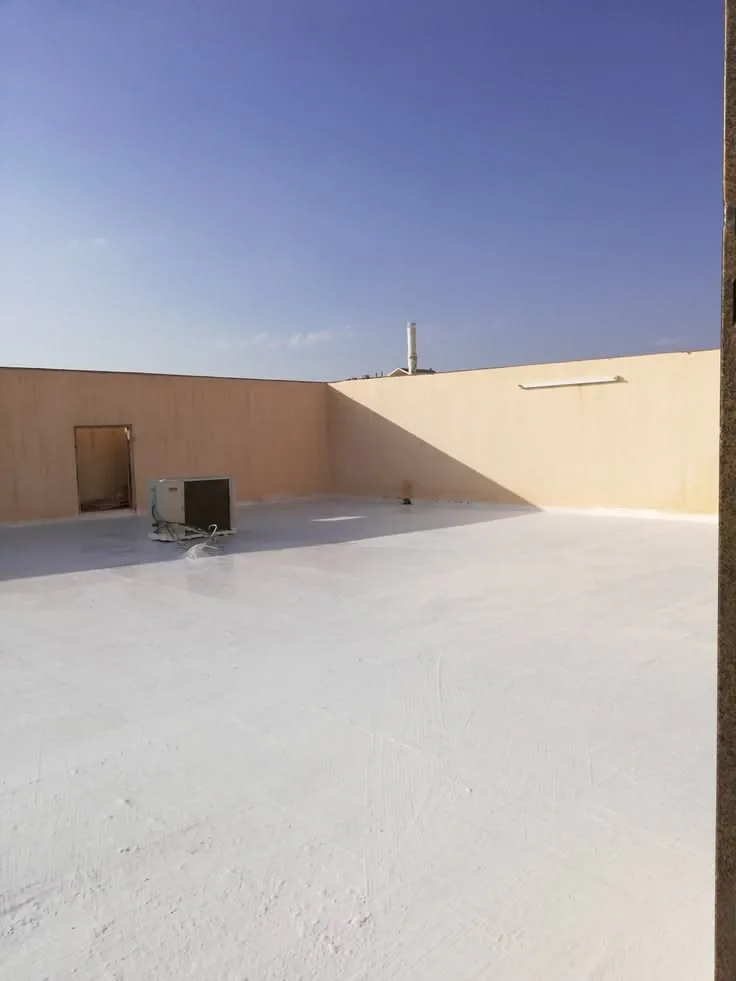
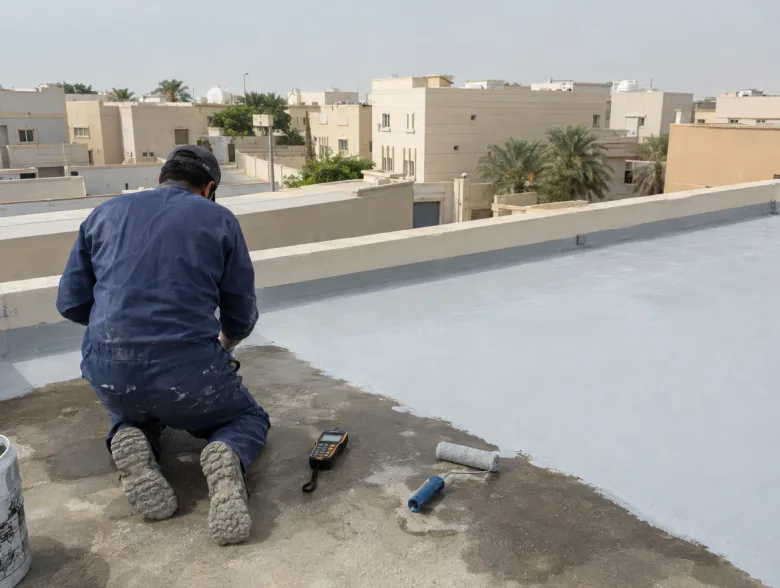
- Checking the roof edge, the parapet and the joints between them with instruments
From your call to finding the entry
- 1
Describe what you see
Tell us where you are in Ar Rafiah District and what you notice, by phone or WhatsApp at any hour.
- 2
We inspect the outer shell
We check the roof edge, the parapet, window joints, AC pipe outlets and roof drains, as these are the places rain water most often uses to get in.
- 3
We trace the water path with instruments
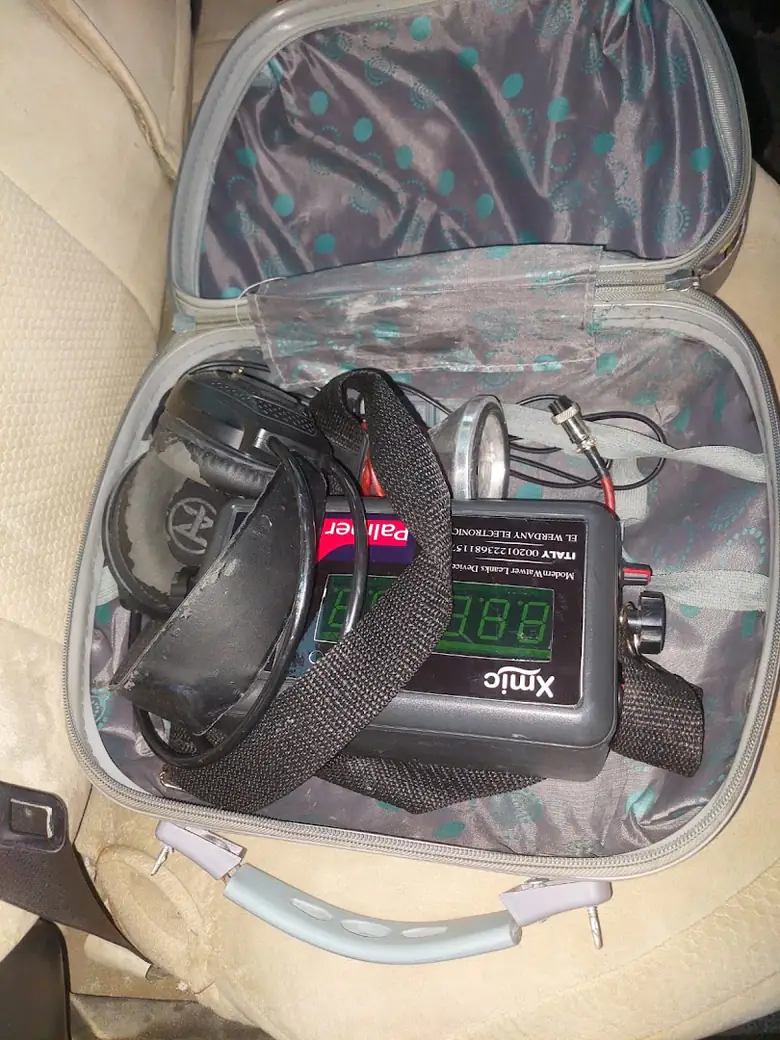
We use a thermal camera and electronic detectors to follow the moisture trail from the stain you see back to the real entry point.
- 4
You receive a certified report
After inspection you receive a certified report stating the entry point's location and cause, so you decide the next step with clear information.
The stain has a source and it can be found
- Your request from Ar Rafiah District reaches us by phone or WhatsApp
- We trace the water from the stain back to the real entry point
- We tell a rainwater leak from a pipe leak before we begin
- We take your request by phone call or WhatsApp message
The service in Ar Rafiah District
In a residential district like Ar Rafiah, the roofs and upper walls of homes face rainwater, and water often enters through ceiling joints, cracks in the top-floor walls, or around rooftop tanks. Detection begins with a visual check to pinpoint the stain direction and affected room, then instruments are used to trace the water path to its first entry point, whether from the roof or external structures. The key is finding the entry point precisely before any repair.
Ar Rafiah District is a residential area in Al-Ahsa governorate in the Eastern Province, close to Al Wasitah District, As Sunaidah District and Al Muallimeen District.
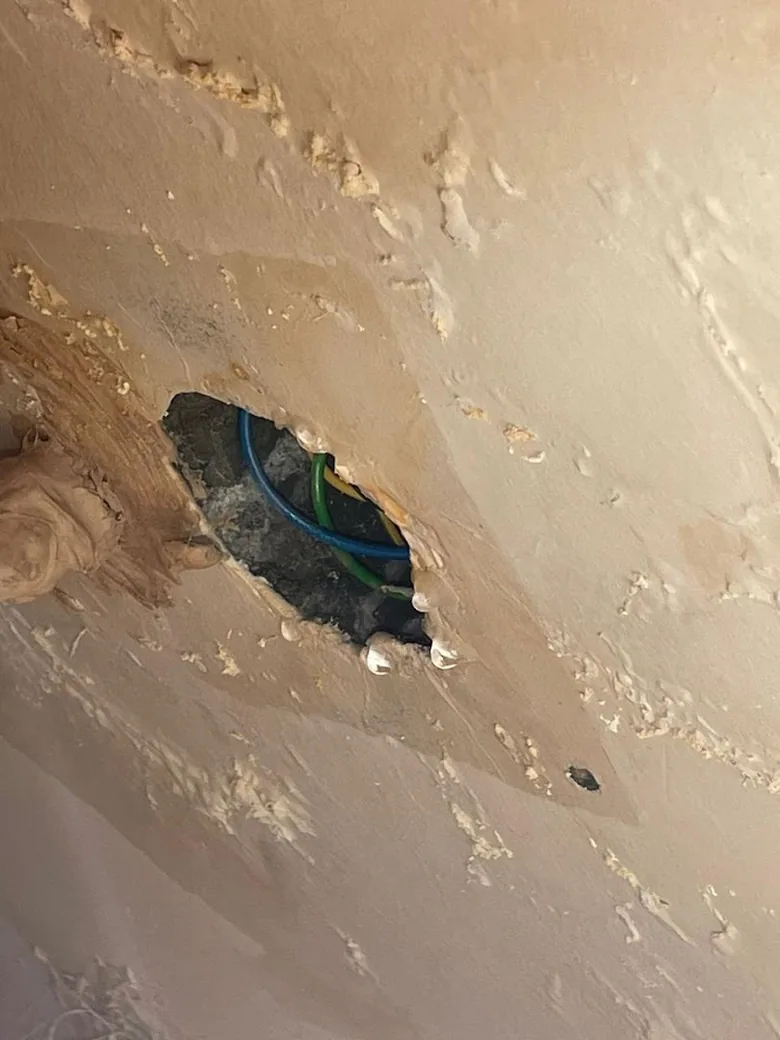
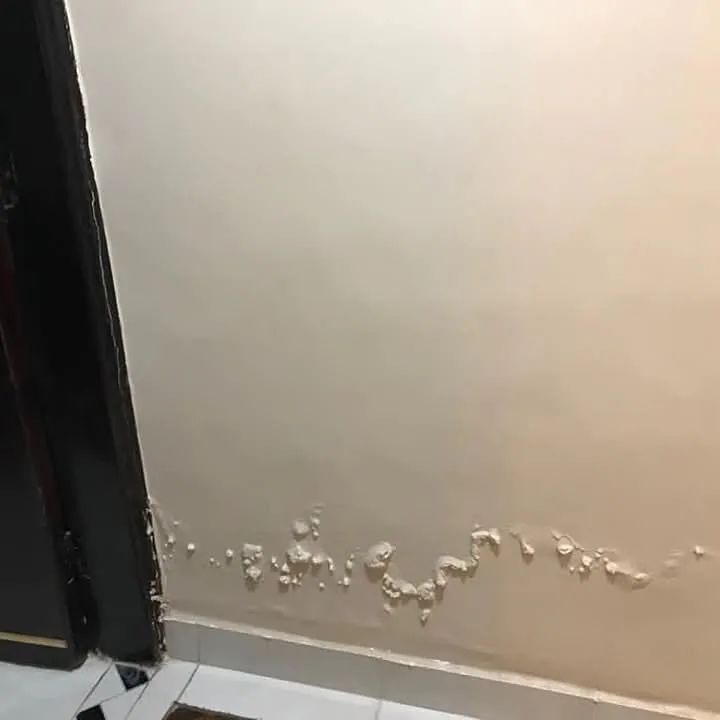
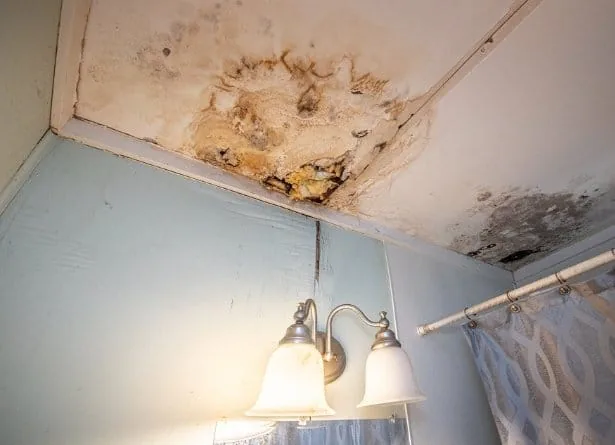
Water entry through joints and cracks is the first thing checked when examining where a stain has appeared.
From Ar Rafiah District we also serve the neighbouring areas, such as Al Wasitah District, As Sunaidah District and Al Muallimeen District.
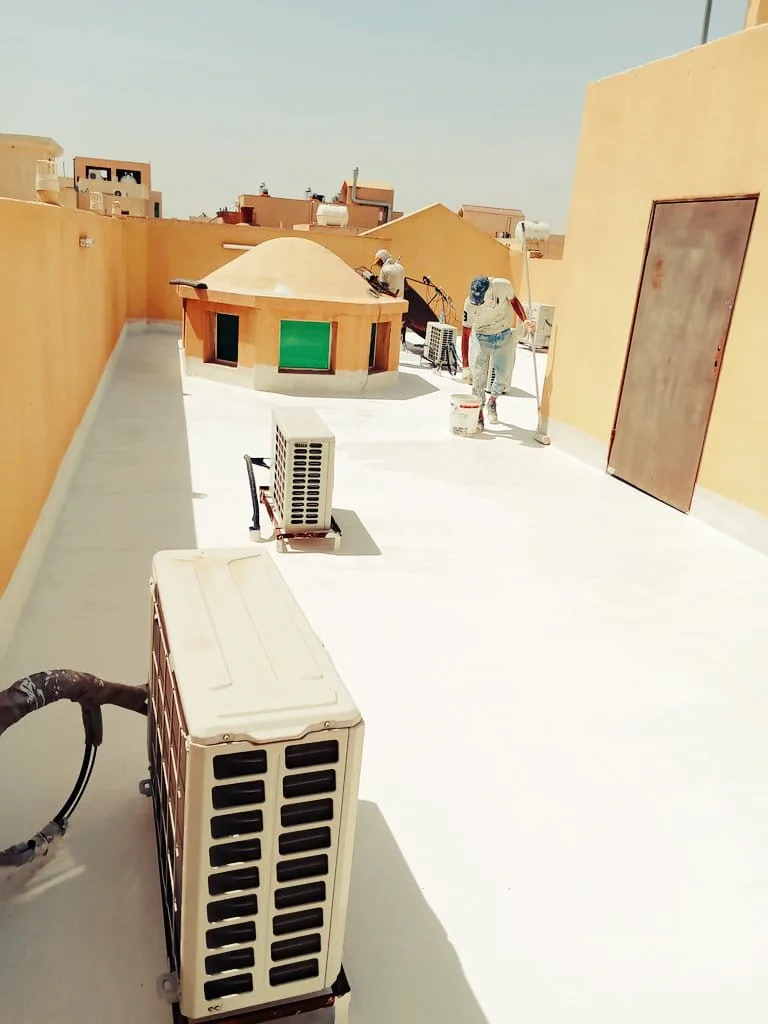
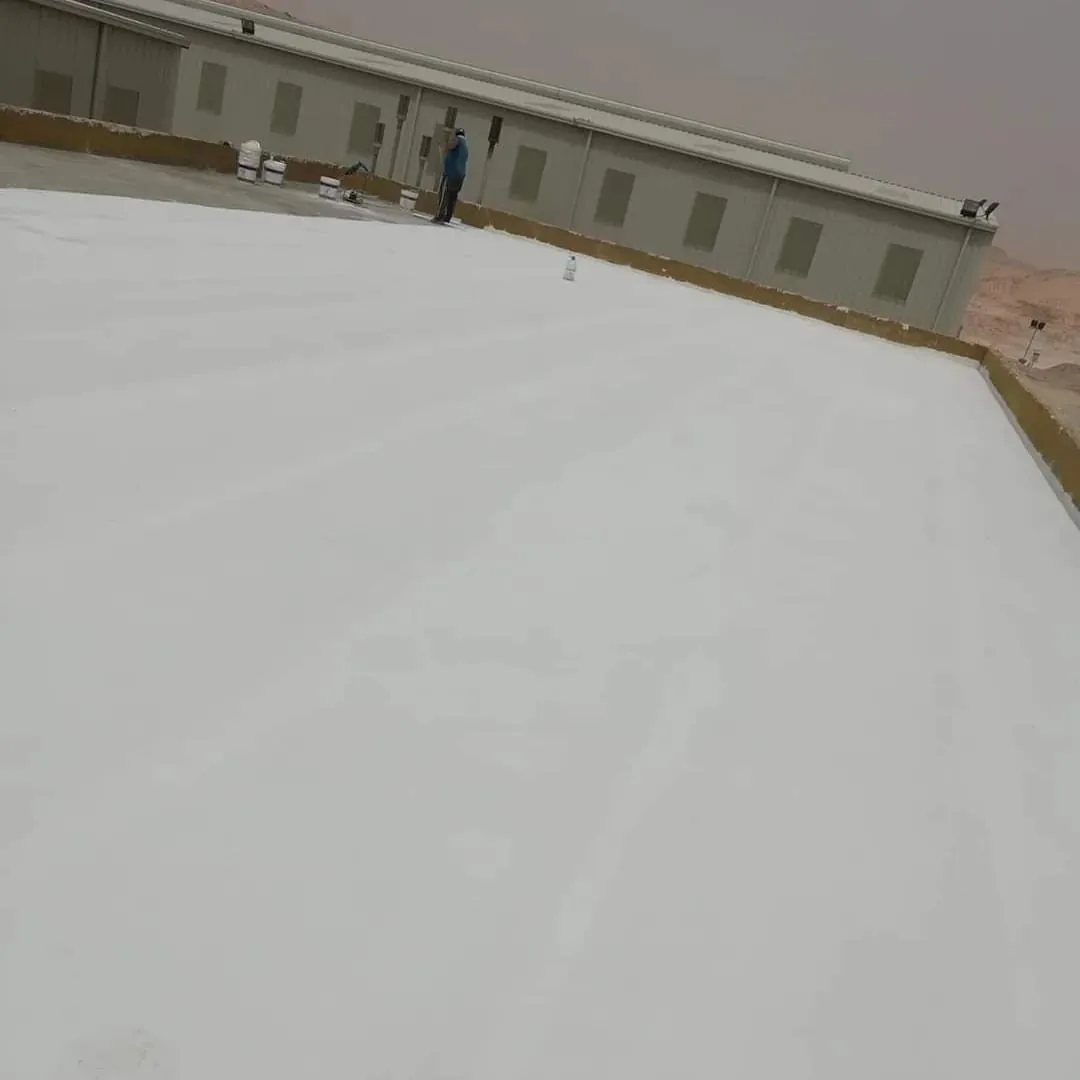
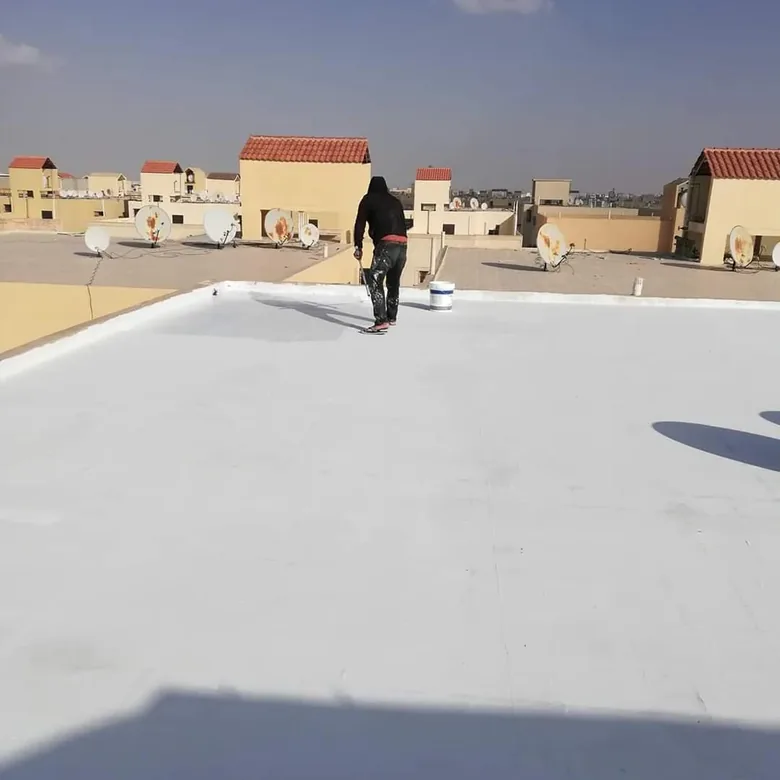
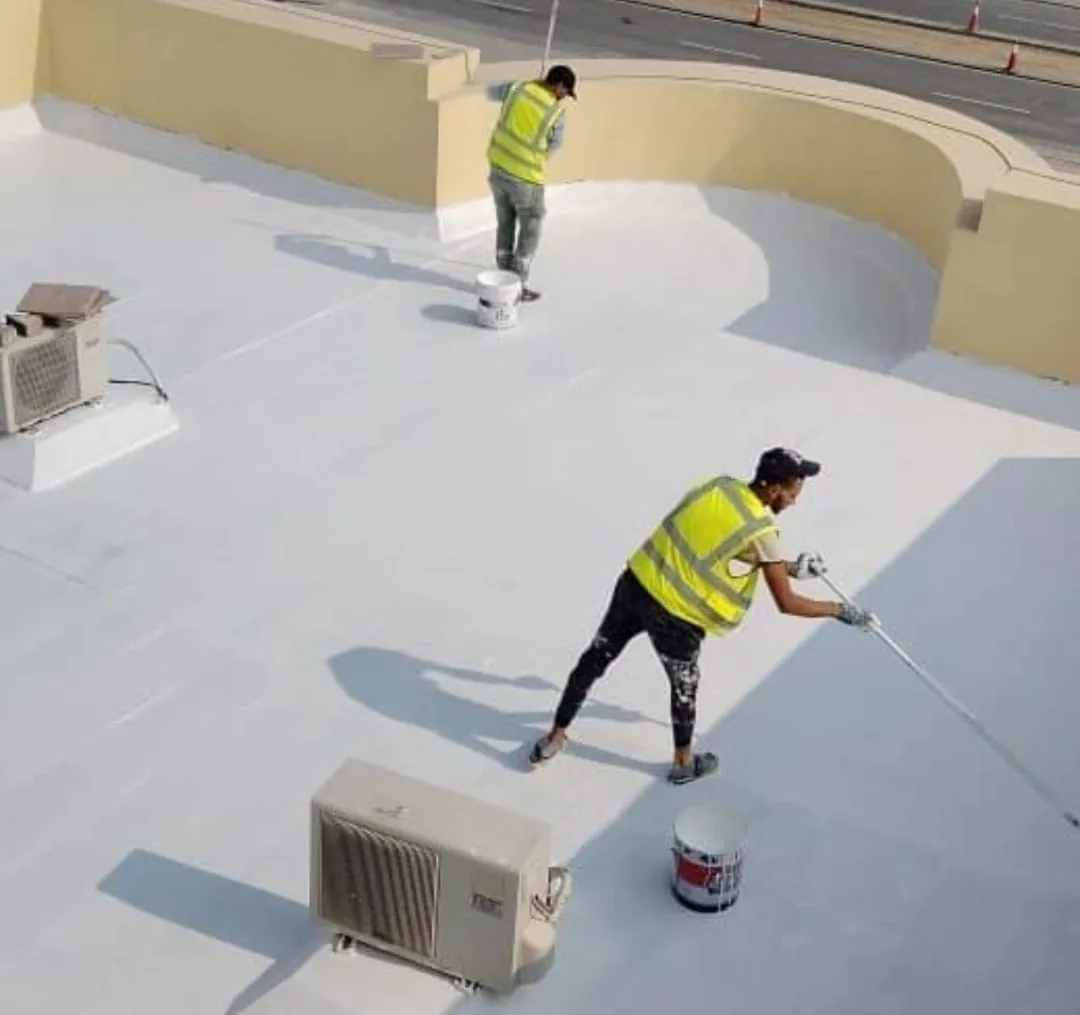
Our portfolio
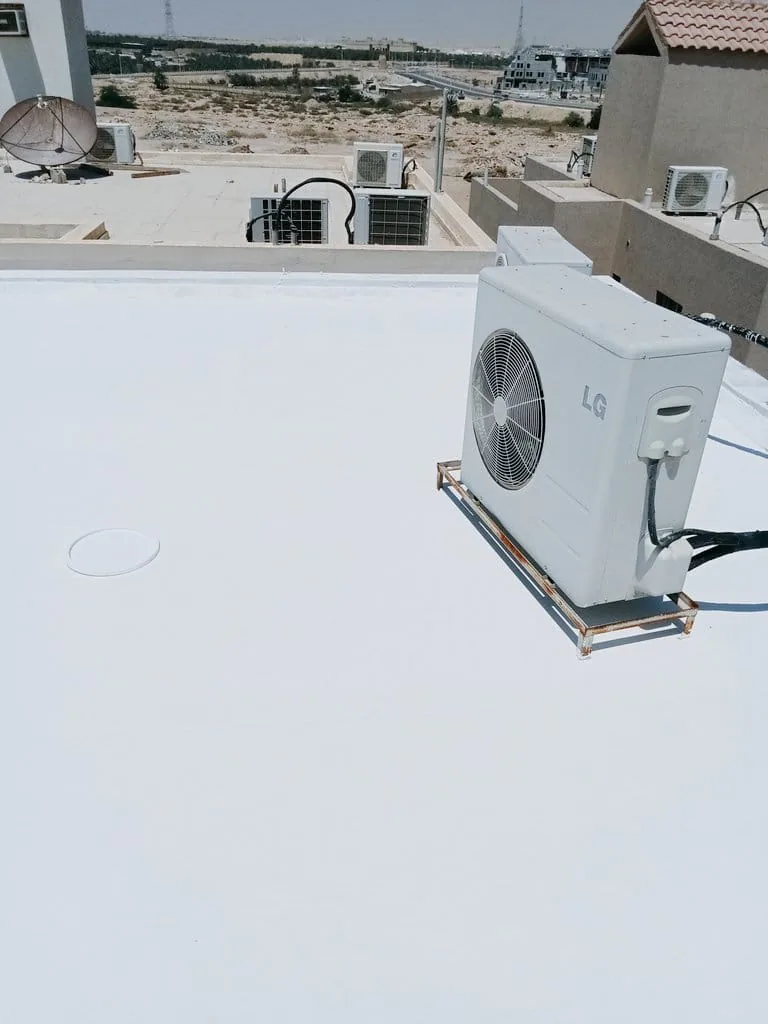
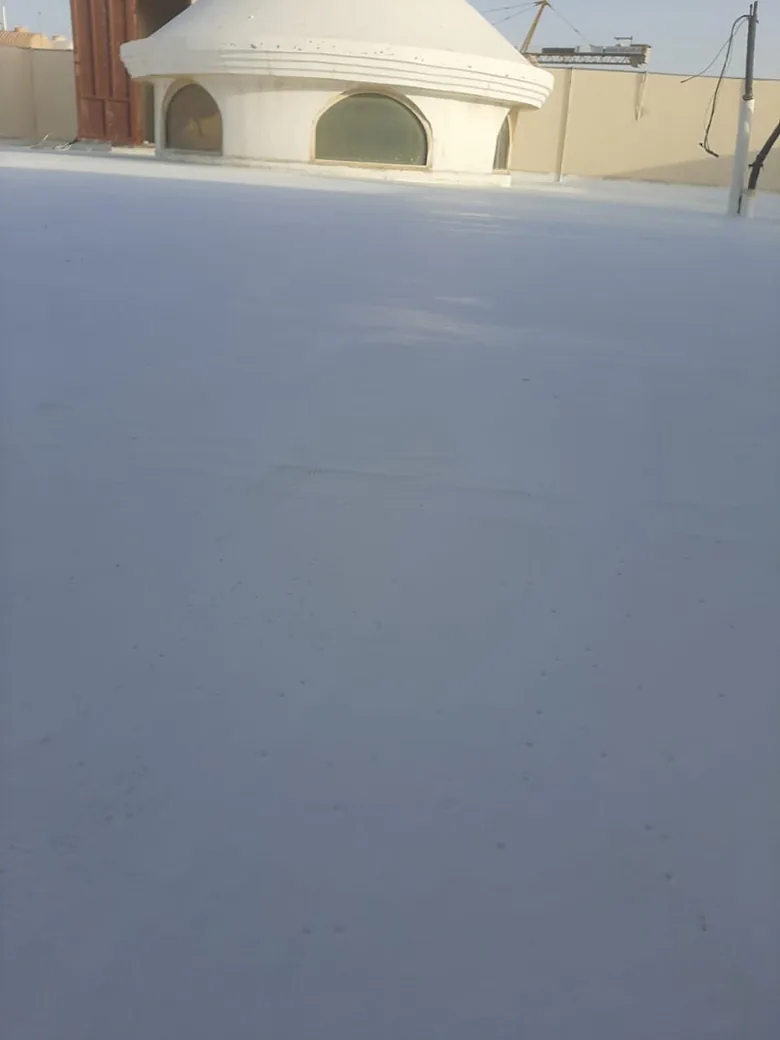
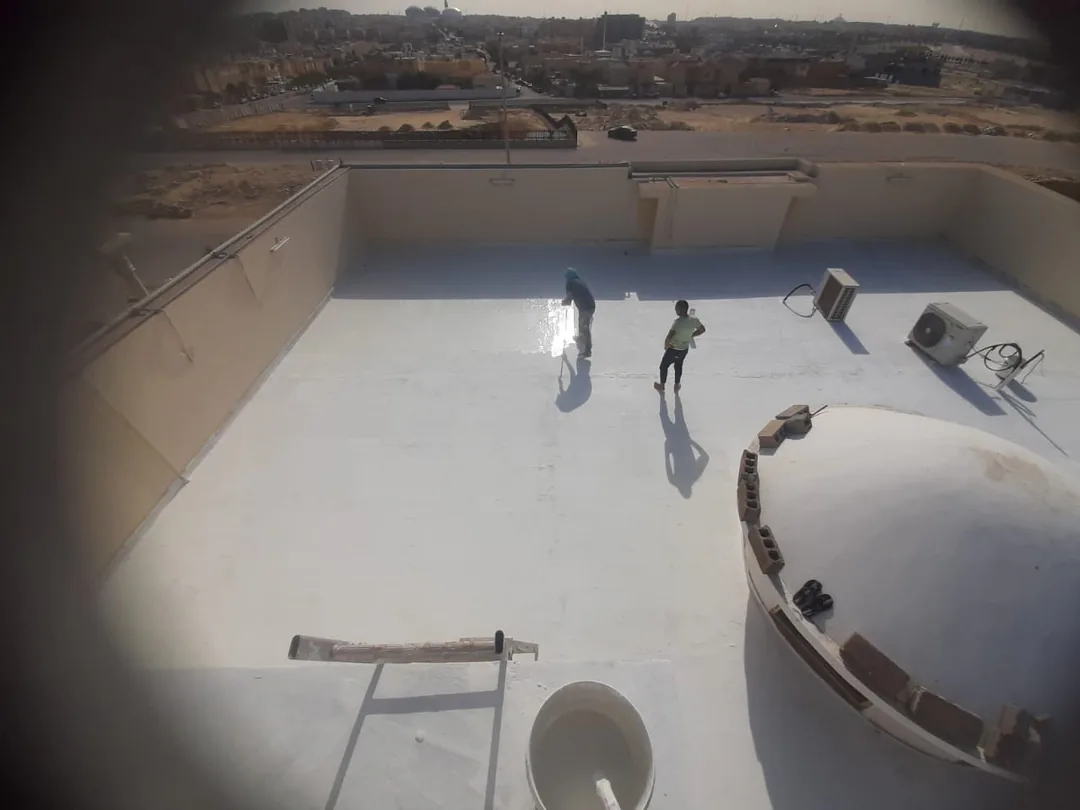
What our customers say
- ★★★★★
شركه ممتاز شغلهم كويس ويعطيهم العافيه
- ★★★★★
شركة ممتازة تستحق التعامل معها بشكل مستمر
- ★★★★★
شغلهم نظيف وسريعين ومحترمين الله يعطيهم العافيه
Reviews are shown as the customers wrote them, in Arabic.
Questions about Rainwater leak detection in Ar Rafiah District
If a stain appears right after rain and in one spot on the ceiling, it is likely a leak. It may fade quickly in dry weather, or stay damp if the wall beneath holds moisture. Instrument inspection confirms the water source.
Say which room has the stain and on which wall or ceiling, when you noticed it relative to rain, whether there are stains elsewhere in the home, and send a clear photo of the spot on WhatsApp.
If the stain appears or grows after rain and stops growing in dry weather, the source is most likely external. A pipe leak does not stop in dry weather and continues whatever the conditions. Instrument inspection is what confirms the type.
Yes. We provide rainwater leak detection in Ar Rafiah District, and we also reach Al Wasitah District, As Sunaidah District and Al Muallimeen District, and every city and centre of Al-Ahsa.
When water enters at the roof edge or parapet it does not fall straight down. It travels sideways across the slab or inside the concrete until it finds a path down. So the stain may be in the middle of the ceiling while the entry is at the edge or a joint.
Yes, a thermal camera and electronic detectors pick up stored moisture inside walls and ceilings even after the visible surface dries, and this shows the water's path. Inspection is possible at any time and does not need rain to be falling.
Rainwater leak detection in nearby areas