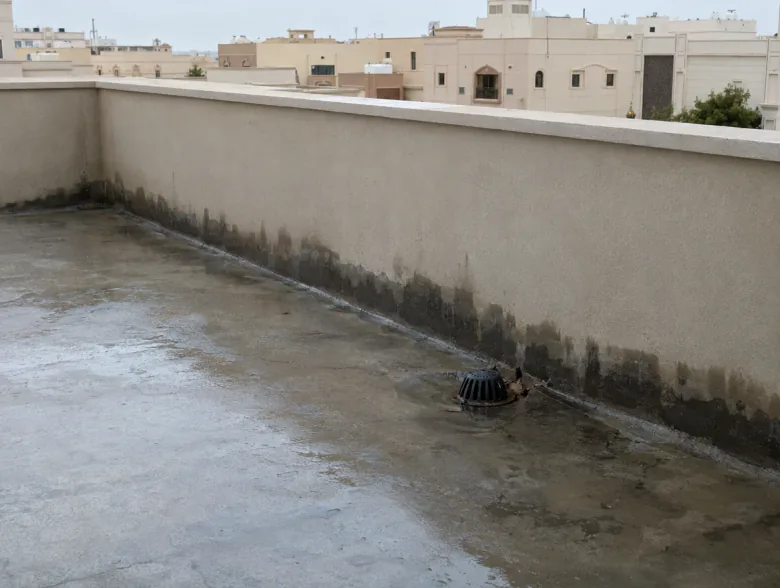
What rainwater leak detection includes
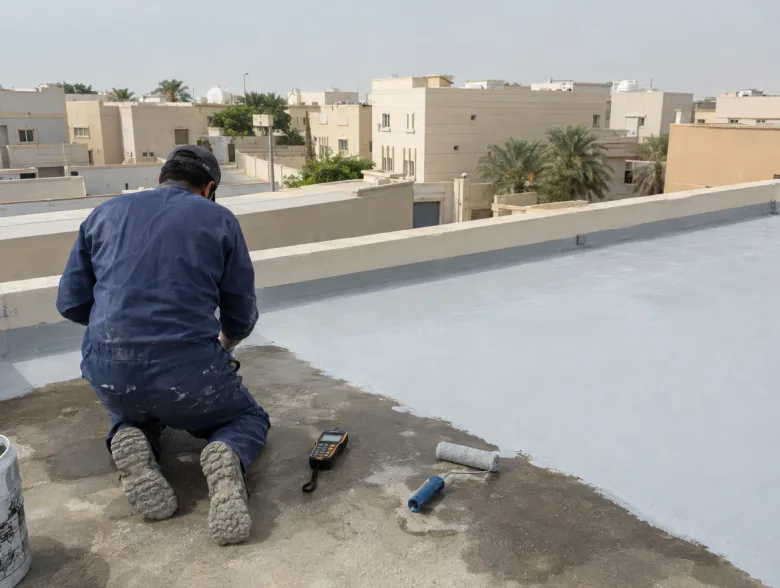
- Checking the roof edge, the parapet and the joints between them with instruments
- Telling rainwater traces apart from pipe leak traces in the same area
- Writing down the water entry point and its cause in a certified report after inspection
- Checking around window and external door frames for possible entry points
From your call to finding the entry
- 1
Describe what you see
From As Sulaimaniyah District, one call or WhatsApp message at any hour is enough: tell us what you see and where it shows.
- 2
We inspect the outer shell
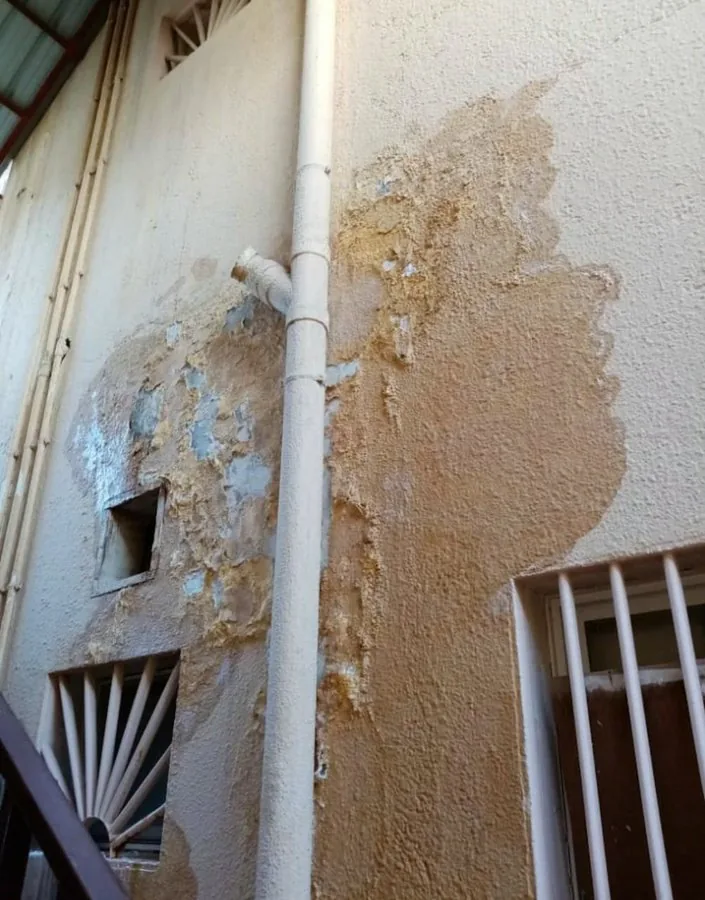
We check the roof edge, the parapet, window joints, AC pipe outlets and roof drains, as these are the places rain water most often uses to get in.
- 3
We trace the water path with instruments
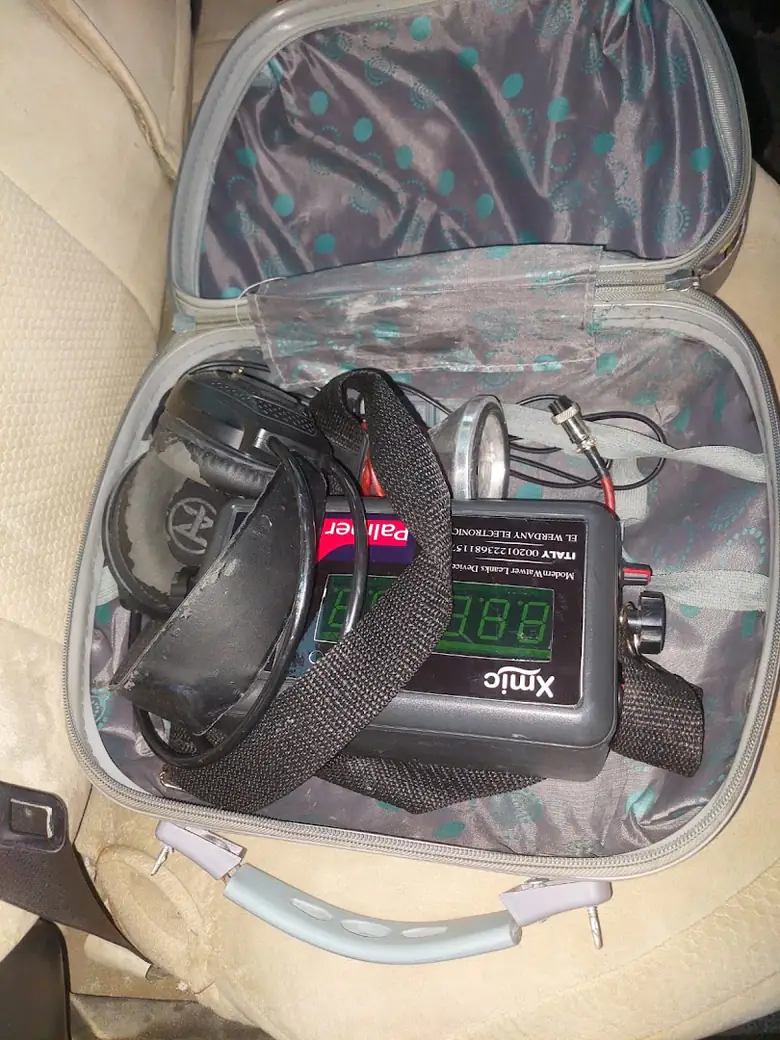
We use a thermal camera and electronic detectors to follow the moisture trail from the stain you see back to the real entry point.
- 4
You receive a certified report
After inspection you receive a certified report stating the entry point's location and cause, so you decide the next step with clear information.
The stain has a source and it can be found
- Certified report after inspection states the location and cause
- We reach As Sulaimaniyah District as we reach every city and centre of Al-Ahsa
- We tell a rainwater leak from a pipe leak before we begin
- We inspect without breaking the wall or ceiling
The service in As Sulaimaniyah District
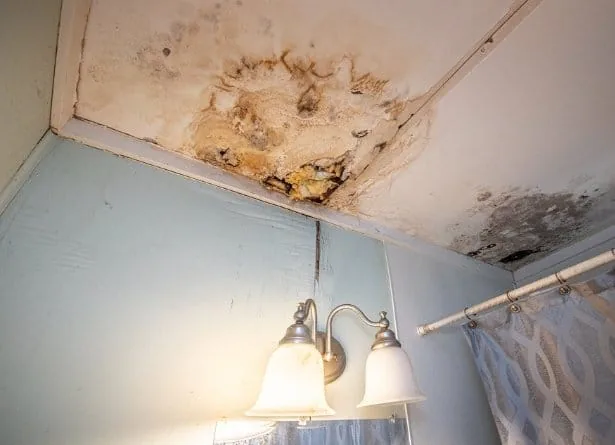
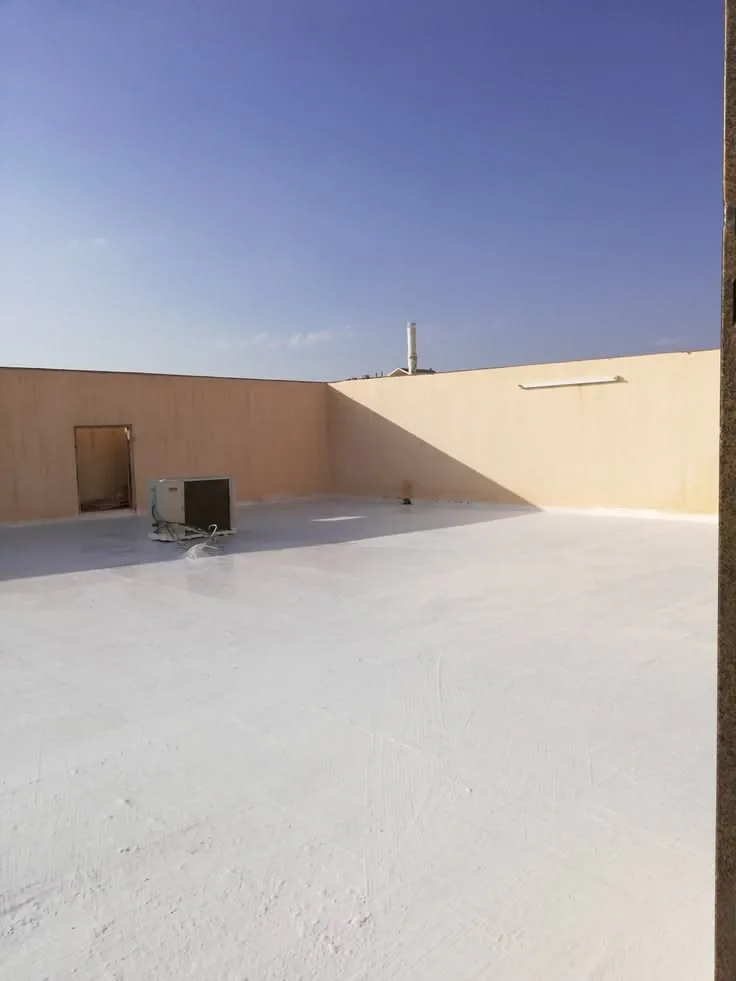
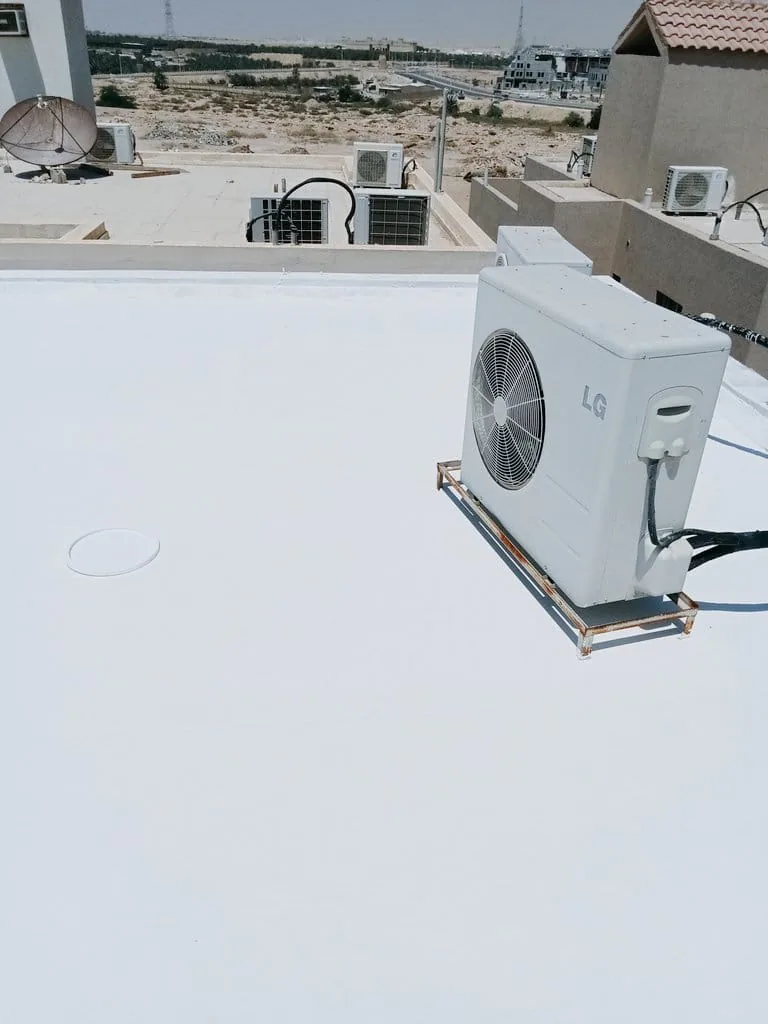
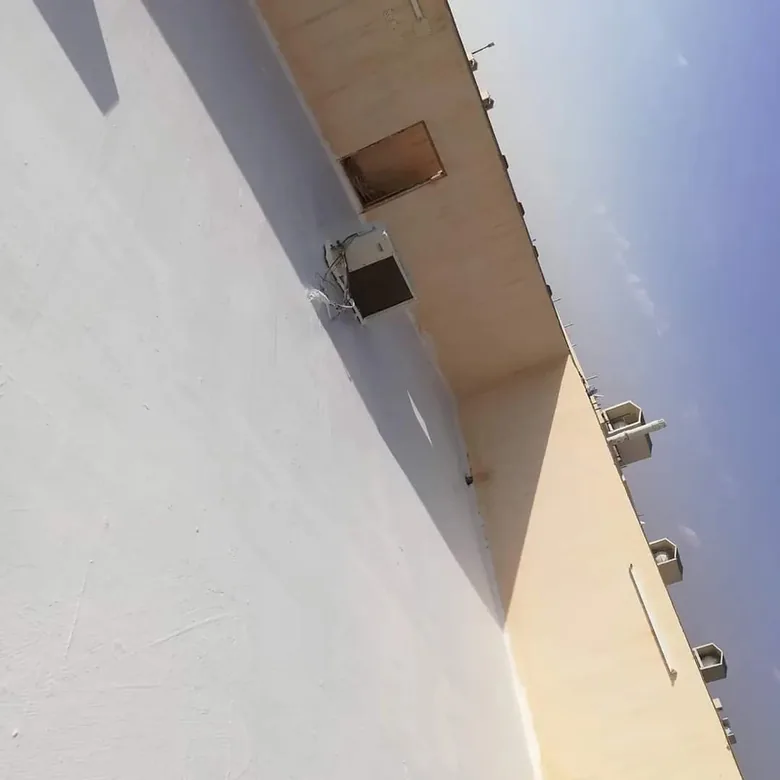
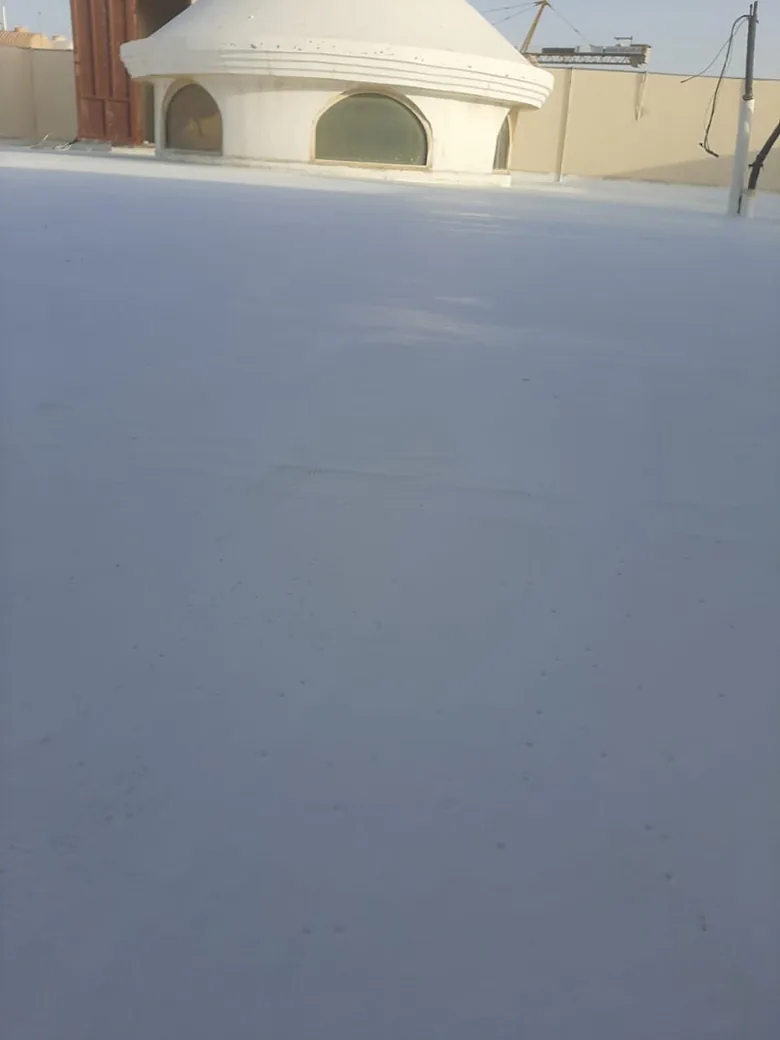
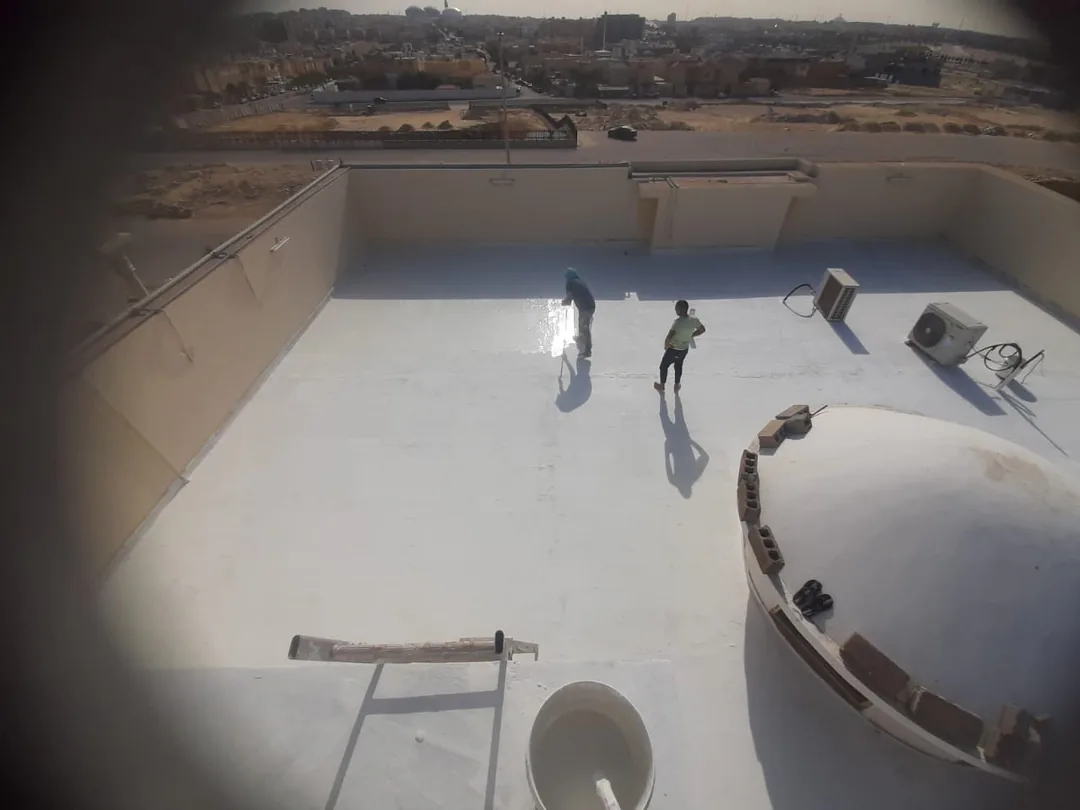
In a district like As Sulaimaniyah, homes and villas usually have flat roofs with parapets, drains and water tanks. When rain falls hard, water finds weak paths through worn joints, fine cracks and loose seals. A damp stain on the ceiling may not point directly to the water source, because water travels horizontally under the layers before it drips through. Inspection starts with checking the full roof and noting suspicious spots, then technicians use instruments to trace the actual path and find the responsible crack.
As Sulaimaniyah District is a district in Al-Ahsa governorate in the Eastern Province, close to An Nasriyah District, Ayn Musa District and Historical Center Hafuf District.
The first places technicians check are the joints around the parapet, drains and tanks, because water pools around these spots.
If you are near As Sulaimaniyah District, in An Nasriyah District, Ayn Musa District and Historical Center Hafuf District for example, the service reaches you there too.
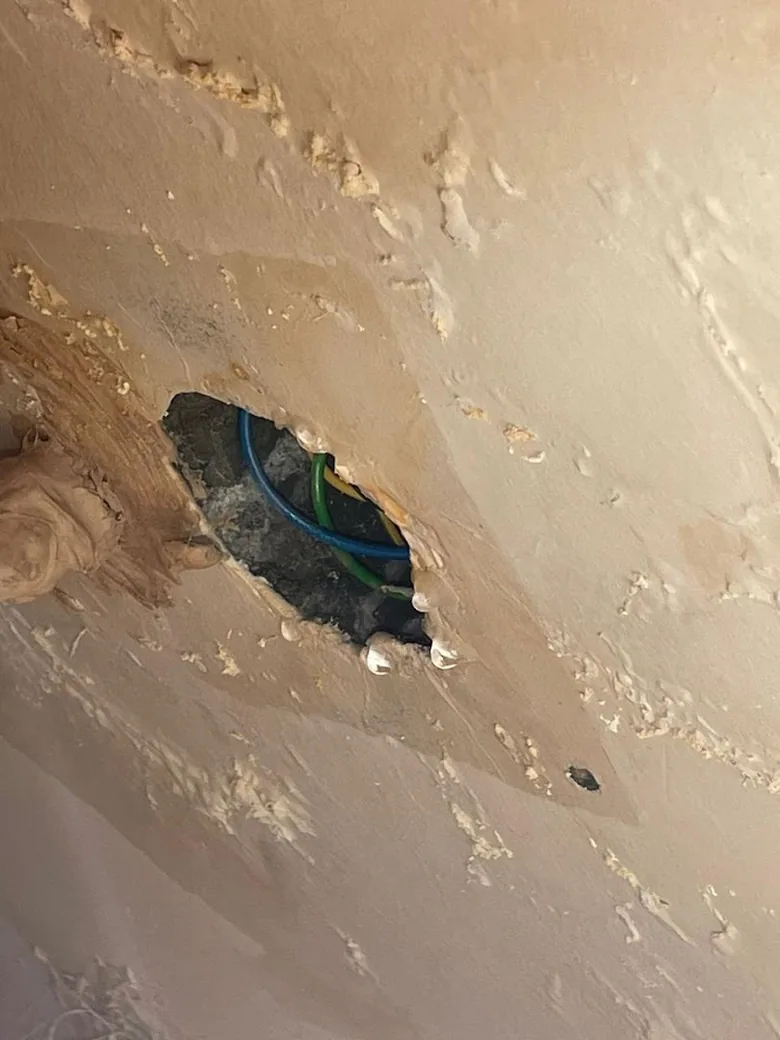
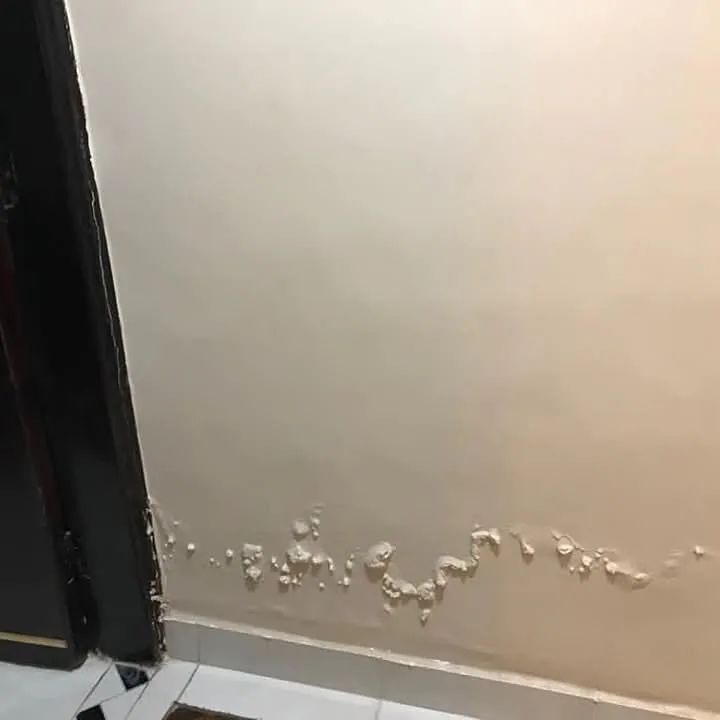
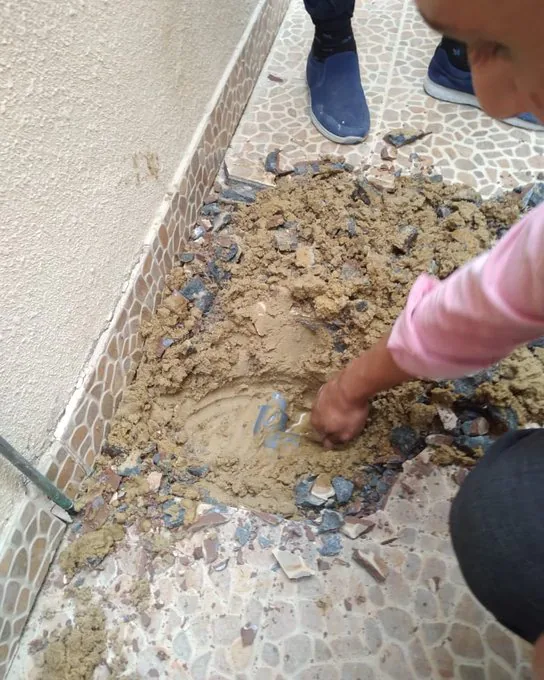
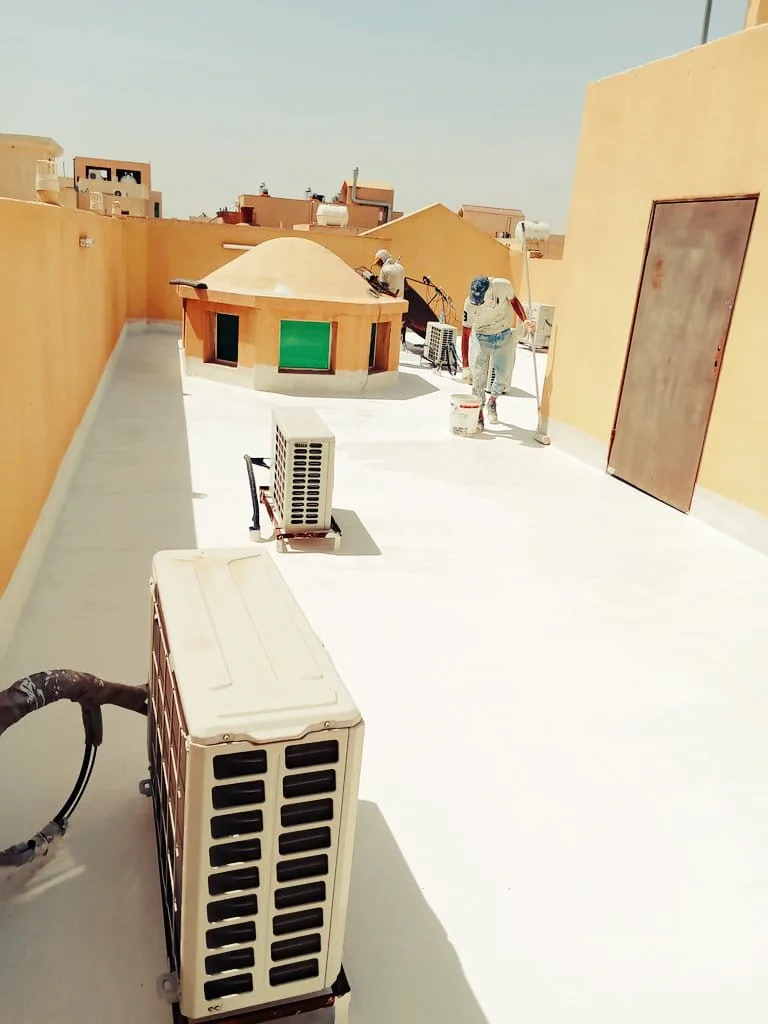
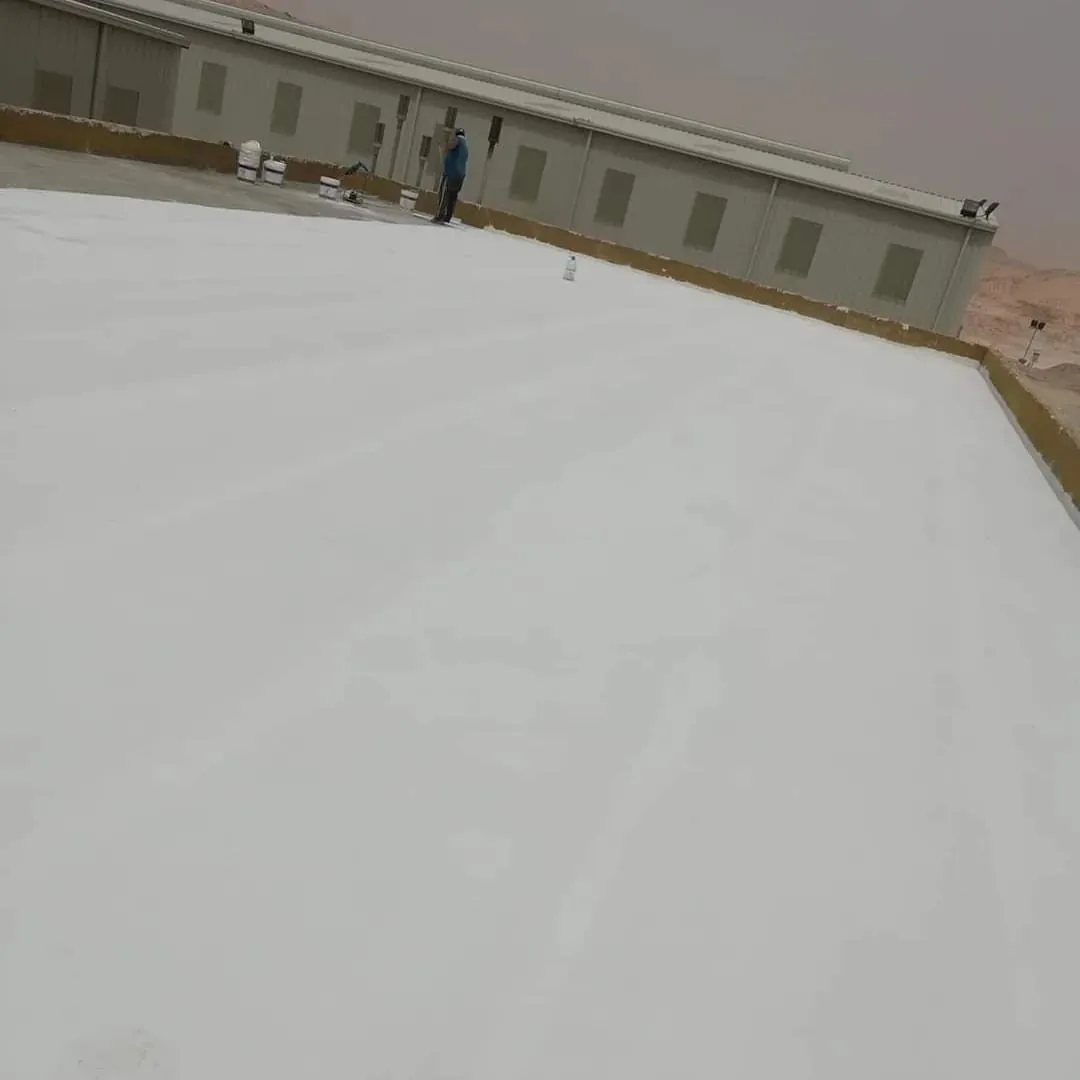
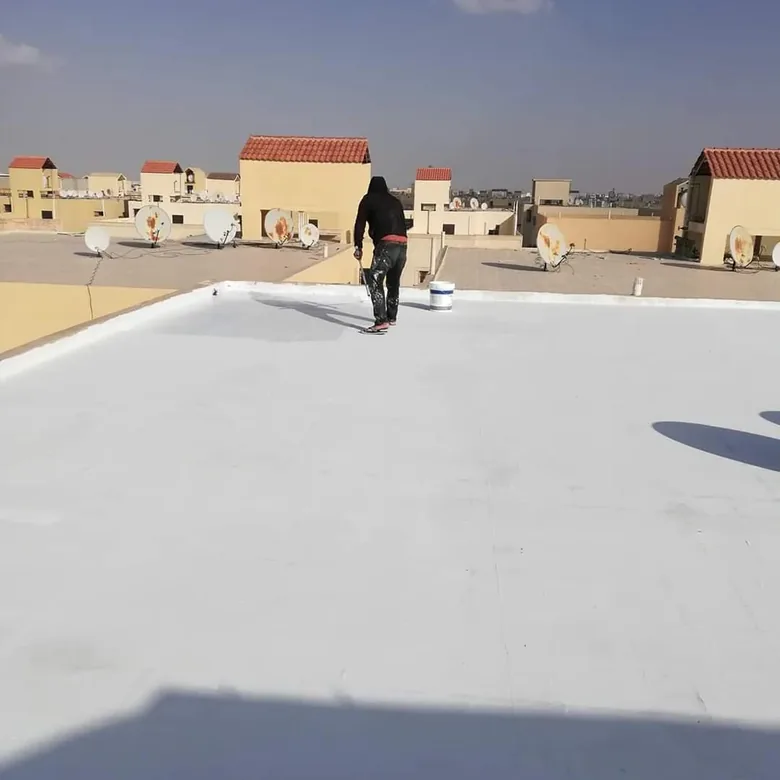
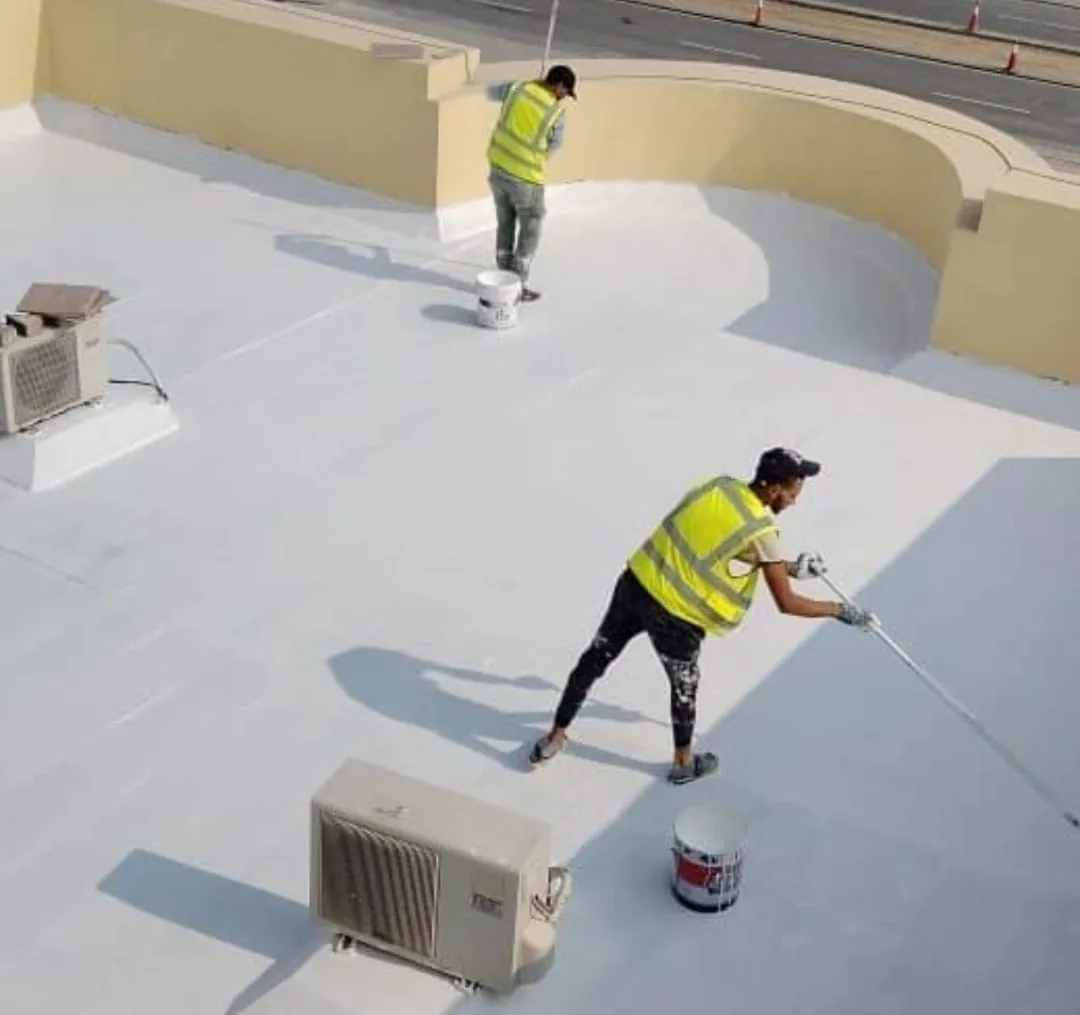
Our portfolio
What our customers say
- ★★★★★
شغلهم ميه ميه يشكرو عليه
- ★★★★★
شركة ممتازة تستحق التعامل معها بشكل مستمر
- ★★★★★
شكرا على التواصل السريع
Reviews are shown as the customers wrote them, in Arabic.
Questions about Rainwater leak detection in As Sulaimaniyah District
It usually means there is a crack or joint in the roof allowing water in. Moisture may affect walls and furniture, so the leak source should be found and repaired before damage worsens.
Yes, instruments trace the water from its entry point, not from the visible stain. This saves time and pinpoints the true location without random checking or damage.
It usually enters at the roof edge and parapet joints, around window and external door frames, or where AC pipes and roof drains pass through if the seal around them weakens. Cracks in outer walls are another entry point that is often overlooked.
Yes. As Sulaimaniyah District is one of our service areas in Al-Ahsa, together with An Nasriyah District, Ayn Musa District and Historical Center Hafuf District.
If the stain appears or grows after rain and stops growing in dry weather, the source is most likely external. A pipe leak does not stop in dry weather and continues whatever the conditions. Instrument inspection is what confirms the type.
When water enters at the roof edge or parapet it does not fall straight down. It travels sideways across the slab or inside the concrete until it finds a path down. So the stain may be in the middle of the ceiling while the entry is at the edge or a joint.
Rainwater leak detection in nearby areas