What rainwater leak detection includes
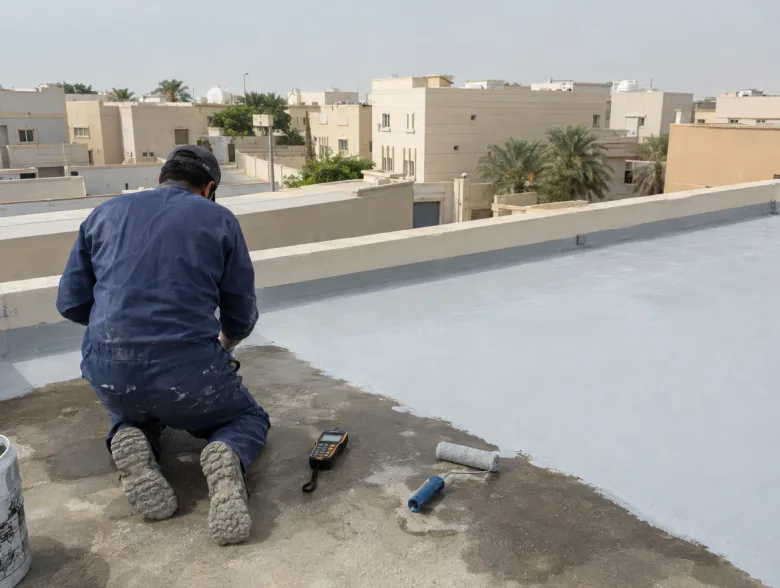
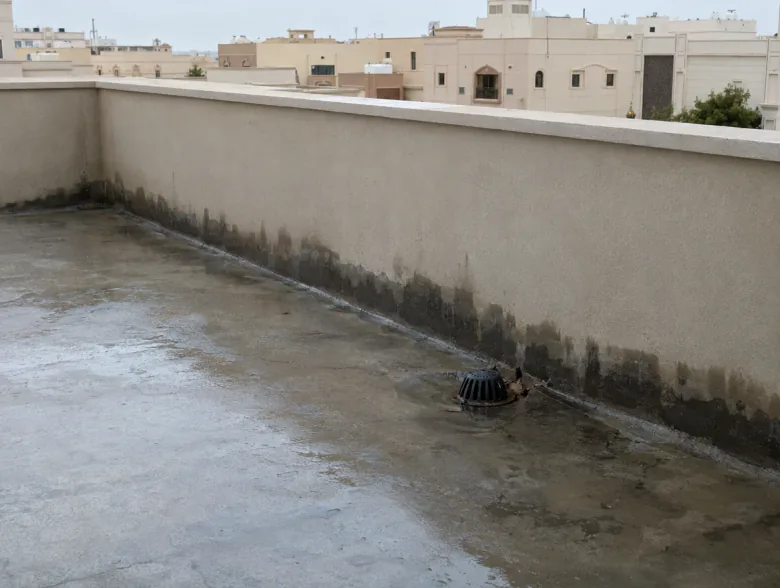
- Checking the roof edge, the parapet and the joints between them with instruments
- Checking around window and external door frames for possible entry points
- Checking AC pipe outlets and roof drain surrounds for weakened seals
- Tracing the moisture path inside the ceiling or wall with a thermal camera
- Telling rainwater traces apart from pipe leak traces in the same area
- Writing down the water entry point and its cause in a certified report after inspection
From your call to finding the entry
- 1
Describe what you see
Call or message us on WhatsApp and tell us where the stain is and whether it shows only after rain or at other times too.
- 2
We inspect the outer shell
We check the roof edge, the parapet, window joints, AC pipe outlets and roof drains, as these are the places rain water most often uses to get in.
- 3
We trace the water path with instruments
We use a thermal camera and electronic detectors to follow the moisture trail from the stain you see back to the real entry point.
- 4
You receive a certified report
After inspection you receive a certified report stating the entry point's location and cause, so you decide the next step with clear information.
The stain has a source and it can be found
- We tell a rainwater leak from a pipe leak before we begin
- We trace the water from the stain back to the real entry point
- We inspect without breaking the wall or ceiling
- Certified report after inspection states the location and cause
- We take your request by phone call or WhatsApp message
The service in Ash Shuqayq
Flat roofs in a district like Ash Shuqayq usually have a parapet and multiple joints around tanks, pipes and drains. Each joint is a potential weak point when exposed to sun, wind and rare but intense rain. Detection starts with a full check of the roof from outside, then study of inside areas where damp patches appear. Advanced tools are then used to pinpoint the entry location exactly, without drilling or breaking any part of the structure. The information you get helps you understand the problem and choose the right solution.
Ash Shuqayq is a district in Al-Ahsa governorate in the Eastern Province, close to Al Mutayrifi, Al Qurayn and Julayjilah.
Inspection focuses especially on joints, edges and corners, because water pools and leaks from these areas faster than elsewhere.
Our portfolio















What our customers say
- ★★★★★
شكرا على التواصل السريع
- ★★★★★
شغلهم ميه ميه يشكرو عليه
- ★★★★★
شركه ممتازه
Reviews are shown as the customers wrote them, in Arabic.
Questions about Rainwater leak detection in Ash Shuqayq
If the stain appears or grows after rain and stops growing in dry weather, the source is most likely external. A pipe leak does not stop in dry weather and continues whatever the conditions. Instrument inspection is what confirms the type.
It usually enters at the roof edge and parapet joints, around window and external door frames, or where AC pipes and roof drains pass through if the seal around them weakens. Cracks in outer walls are another entry point that is often overlooked.
When water enters at the roof edge or parapet it does not fall straight down. It travels sideways across the slab or inside the concrete until it finds a path down. So the stain may be in the middle of the ceiling while the entry is at the edge or a joint.
Yes, a thermal camera and electronic detectors pick up stored moisture inside walls and ceilings even after the visible surface dries, and this shows the water's path. Inspection is possible at any time and does not need rain to be falling.
Tell us where the stain is, whether on the ceiling, wall or corner, which floor it is on, and whether it shows only after rain or at other times. Any detail about when it started or whether it is spreading helps us plan the right check.
A stain from a roof leak appears right after rain and stays in one spot. If the patch is widespread, branched, or appeared after using water, it may come from pipes. Describe the location and shape to Al Raya when you call.
No, detection causes no damage or loud noise. You only need to allow access to the roof and rooms with stains, and open doors for the specialist equipment.