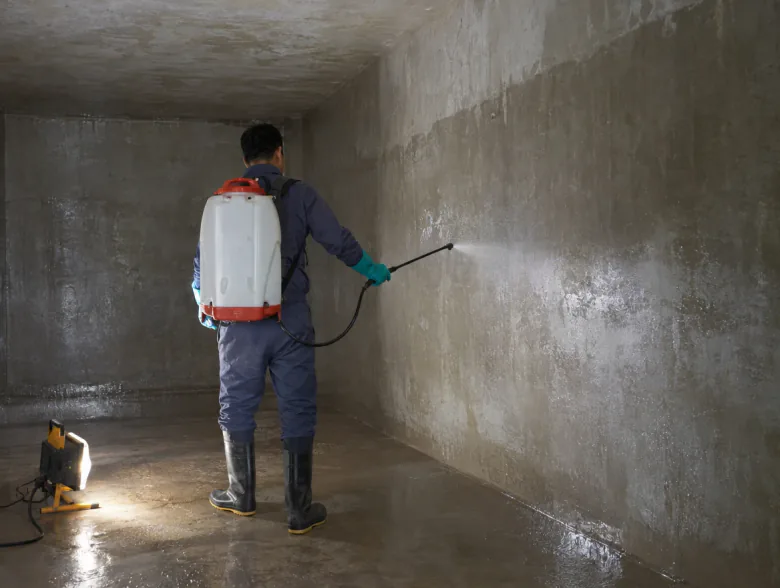
What tank sanitising includes
- Checking the internal condition of the tank before starting to confirm cleaning is complete
- Applying the sanitising solution to the inner walls and base of the tank
- Treating the tank lid and the inlet and outlet connections with the same solution
- Leaving the agent for the time needed to treat germs clinging to the surface
- Rinsing the tank fully to remove all trace of the solution before refilling
- Returning the tank to use after confirming no trace of the sanitising agent remains
From your call to refilling
- 1
Tell us about the tank
Call or message us on WhatsApp and tell us about your tank type, what you notice in the water, and whether it was cleaned recently.
- 2
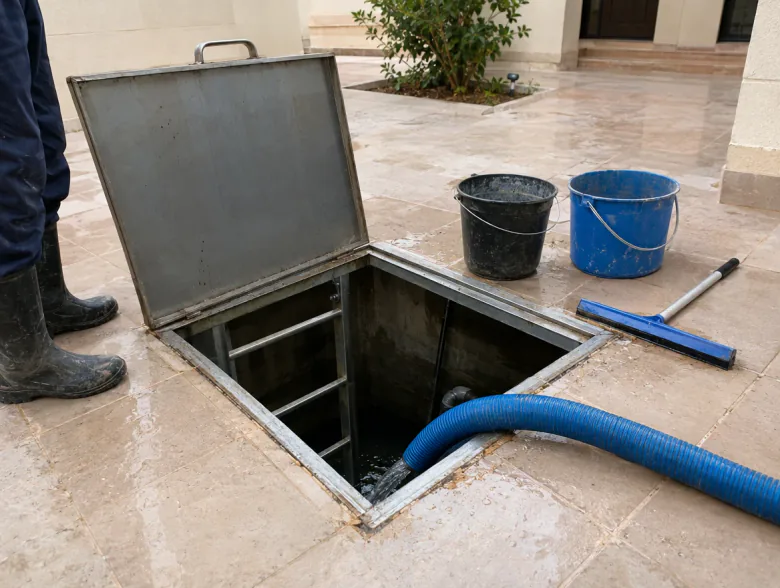
Emptying and cleaning the tank
Before sanitising the tank must be fully clean and free of sediment, as the sanitising agent cannot work on a surface covered by a layer of dirt.
- 3
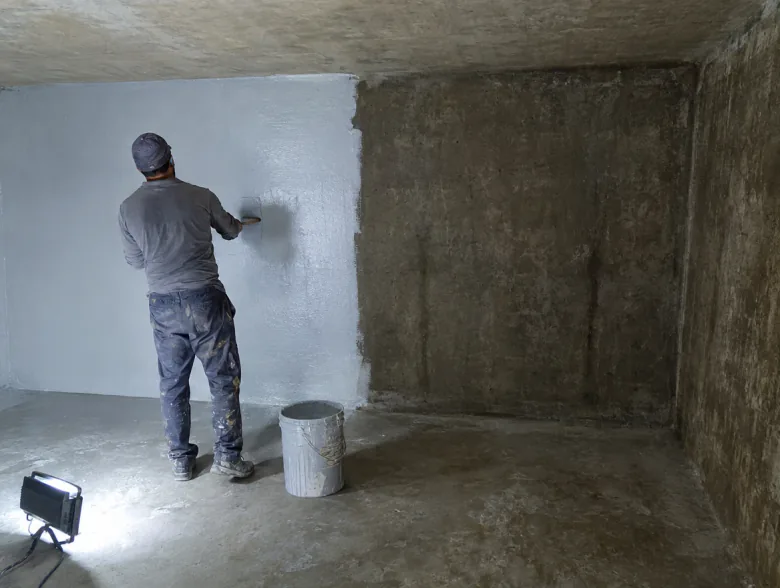
Treating the inner surface
The sanitising solution is applied to the walls, base and lid of the tank and left long enough for it to act on the germs clinging to the surface.
- 4
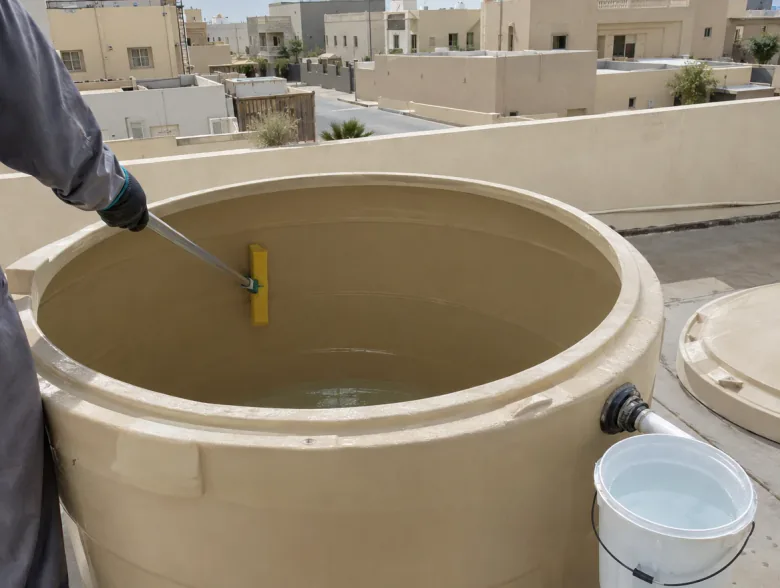
Rinsing and refilling
Once sanitising is done the tank is rinsed thoroughly to remove any trace of the solution, then refilled and returned to use.
What to know before starting
- Sanitising completes the clean, it does not replace it
- A sanitising agent cannot work on a dirty surface
- We treat the walls, the base and the lid
- We take your request by phone call or WhatsApp message
- Cost depends on the tank's condition and size
The service in UmmTali
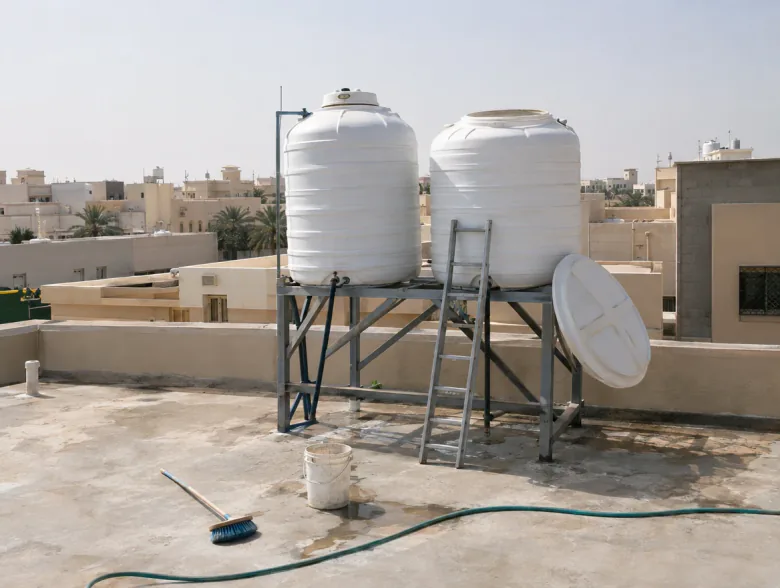
In a village like UmmTali, homes usually rely on roof or ground tanks to store water, and these tanks collect sediment from the water and pipes over time. After mechanical cleaning removes the visible sediment, bacteria and salts remain on the walls and base, and that is where sanitising comes in. The tank is inspected first to see the amount of sediment and contamination, then cleaned with water and pressure, and finally all inner surfaces are treated with drinking-safe sanitising agents.
UmmTali is a village in Al-Ahsa governorate in the Eastern Province, close to 'Uray'irah, Umm al Hamam and Umm Rubay'ah.
Sediment builds up at the tank base before the walls, because heavy particles settle first when water is still.
Our portfolio















What our customers say
- ★★★★★
شكراً لخدمتك الجميلة
- ★★★★★
شغلهم ميه ميه يشكرو عليه
- ★★★★★
شركة ممتازة تستحق التعامل معها بشكل مستمر
Reviews are shown as the customers wrote them, in Arabic.
Questions about Tank sanitising in UmmTali
Cleaning removes visible sediment, algae and dirt from the walls and base. Sanitising follows it and treats the bacteria and germs that cling to the surface after rinsing. The two steps are different, and the second cannot replace the first or come before it.
Not necessarily every time, but sanitising is advisable when the water still smells or looks different after cleaning, when a long time has passed since the last sanitising, or when algae growth was found inside. In these cases cleaning alone does not fully treat the tank.
While the sanitising solution is applied and during the treatment period water from the tank should not be used. After rinsing and refilling the water returns to normal use. It helps to let the household know in advance so they can prepare for a short break in supply.
If the smell comes from bacteria or algae on the tank walls, sanitising after cleaning treats the source. But if it comes from elsewhere, such as the pipes or the water source itself, sanitising alone will not remove it. That is why describing the smell and when it appears helps when you call us.
The principle is the same in both cases: the inner surface is cleaned first, then treated with the sanitising solution and rinsed well. The difference is in how the inner walls are reached and in the size and shape of the tank. This affects how the job is done but not what sanitising is for.
Sanitising is needed when the water looks cloudy, or has an odd smell or taste, or after a long time without use. The first inspection determines whether sanitising is necessary now.
Tell them the tank size and location (roof or ground), when it was last sanitised, and if the water looks cloudy or has an odd smell or taste. Send a photo of the tank on WhatsApp if you can.
More services in UmmTali