What ground tank leak detection includes
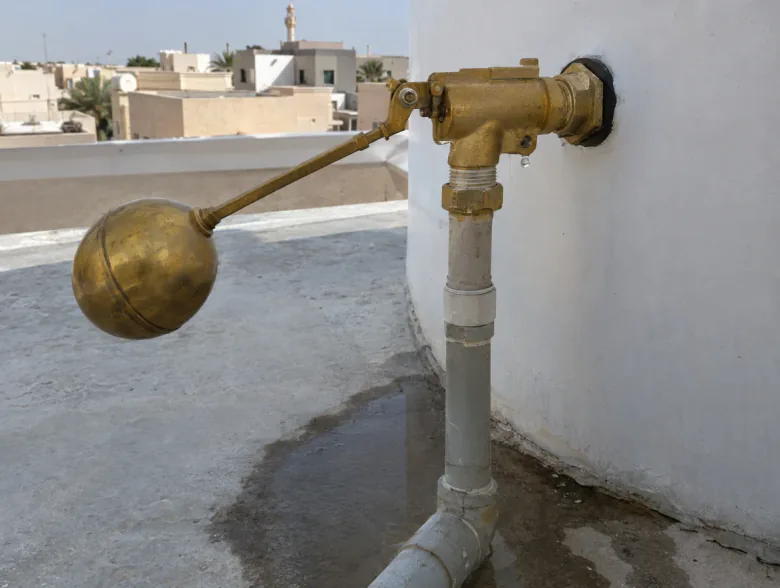
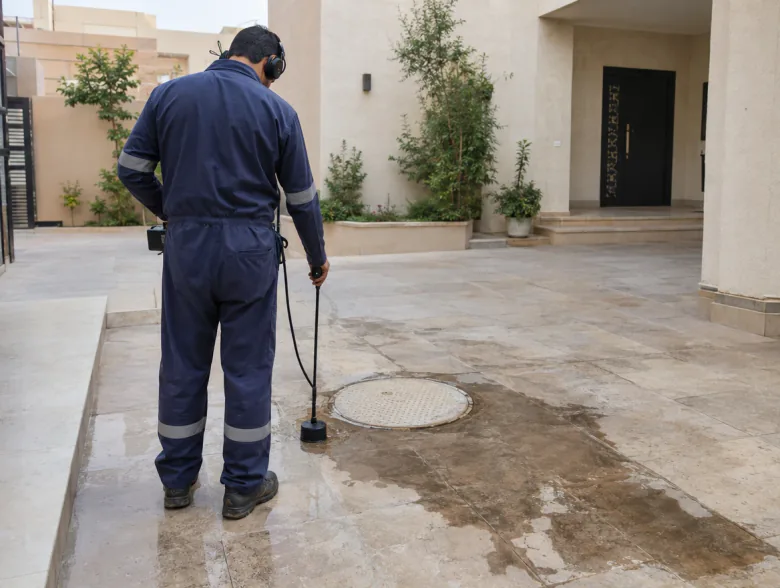
- Checking the ground tank body with detection instruments to find where the water escapes
- Checking the fill pipe and draw pipe connections at the tank inlet and outlet
- Checking the walls and floor surrounding the tank for water absorption into the materials
- Telling a tank leak apart from a nearby buried pipe leak
- Analysing the external damp signs around the tank and tracing their source
- Delivering a certified report after inspection stating the leak's location and cause
From your call to the leak's location
- 1
Tell us what you notice
Call or message us on WhatsApp and describe when the level started dropping and whether you notice damp in the ground or walls near the tank.
- 2
We check with instruments
We pass detection instruments over the tank body, the connections, the pipe runs and the surrounding walls without breaking or digging.
- 3
We pinpoint the leak
We tell apart a leak in the tank body, a connection leak and a nearby pipe leak, because each needs a different repair.
- 4
You receive a certified report
After inspection you get the result in writing with the leak's location and cause, and you decide the next step.
The source can be pinpointed
- We find the leak without digging or breaking
- We check the tank body, its connections and the surrounding walls
- We tell a tank leak apart from a nearby pipe leak
- Certified report after inspection
- We take your request by phone call or WhatsApp message
The service in UmmTali
In a village like UmmTali, an underground tank stores drinking and irrigation water and usually sits beside the house or field. Salty, damp soil eats away at tanks from outside, and the joints between floor and walls are the weakest points. Signs of a leak appear as wet ground above the tank or a sharp water drop. The check starts with a full outside inspection of the tank, pipes and surrounding soil, then the leak point is found with instruments, with no need to dig.
UmmTali is a village in Al-Ahsa governorate in the Eastern Province, close to 'Uray'irah, Umm al Hamam and Umm Rubay'ah.
In villages, a leak usually first appears as a damp patch in the ground or poor plant growth above the tank.
Our portfolio















What our customers say
- ★★★★★
شركه ممتازه
- ★★★★★
شغلهم نظيف وسريعين ومحترمين الله يعطيهم العافيه
- ★★★★★
شكرا على التواصل السريع
Reviews are shown as the customers wrote them, in Arabic.
Questions about Ground tank leak detection in UmmTali
If you close the fill valve and the level still drops, the leak is usually in the tank body or its connections, not in the supply pipe. But telling them apart needs an instrument check, because the leak may be at a point you cannot see from outside. The inspection is what settles it.
Yes. The water leaving the tank soaks into the surrounding soil and can reach the foundation fill over time, causing damp in nearby walls and weakening the soil around them. Finding the leak early reduces what needs treatment later.
Tell us how long you have noticed the level dropping, whether you see damp in the ground or walls near the tank, and whether the pump runs more often than before. If the water bill has risen, mention that too. Every detail about the tank and its surroundings lets us direct the inspection to the most likely area first.
No, high actual use also lowers the level. But if the level drops during a period with no use, such as at night or when the house is empty, a leak is a strong possibility. Wet ground near the tank with no visible source is also a clear sign that calls for inspection.
An overhead tank leak usually shows on the roof slab, the ceiling below or at the tank base up top. A ground tank leak shows in the soil and walls around it at low level, and the leak is often hidden below ground. That is why the inspection points differ between the two cases.
Yes. Even a slow leak wastes water over time, dampens the soil around the house and field, and weakens the structure. The sooner you find it, the less damage you suffer.
Wet ground above the tank, a sharp drop in water level, or obvious weak growth of plants and trees in that area.