What overhead tank leak detection includes
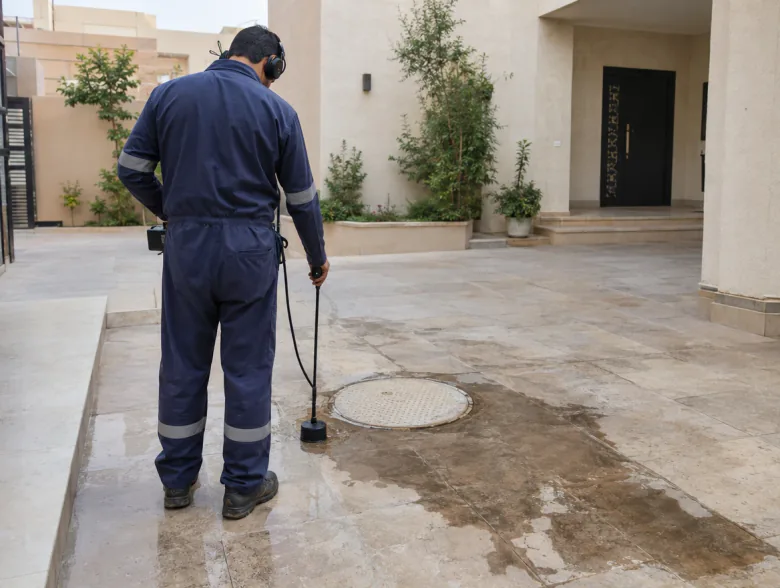
- Checking the tank body and base with detection instruments for cracks or weak points
- Checking the inlet and outlet pipe joints where they pass through the tank wall
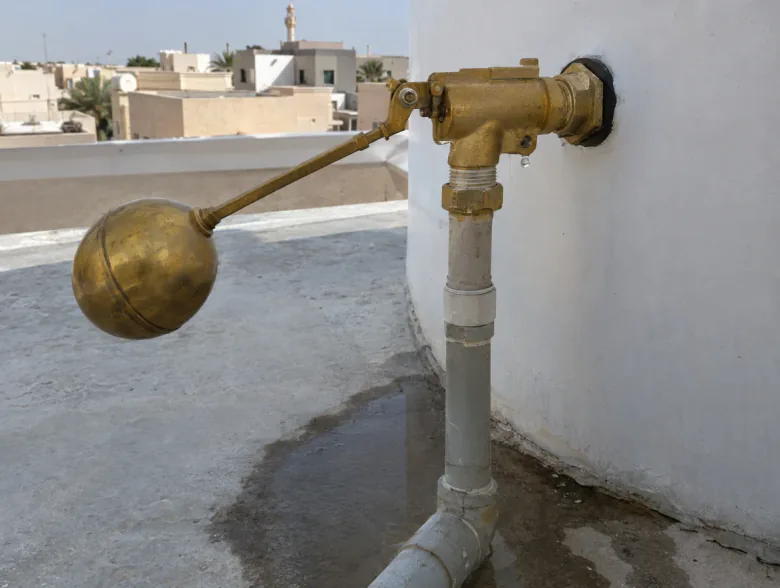
- Checking the float valve to tell a real leak from drainage through the overflow
- Checking the roof slab around the tank to see whether water is spreading beneath it
- Checking the nearby wall when damp appears on the top floor
- Writing down the leak location and cause in a certified report after inspection
From your call to knowing the source
- 1
Tell us what you see
Call or message us on WhatsApp and describe where the stain or damp is, and whether it appears constantly or grows after the tank fills.
- 2
We check the tank with instruments
We pass detection instruments over the tank body, its base, its joints and the surrounding slab, without breaking anything and without fully emptying the tank.
- 3
We pinpoint the source
We tell apart a crack in the tank body, a leaking pipe joint, a faulty float valve and water running across the slab from elsewhere, because each needs a different repair.
- 4
You receive a certified report
We document the tank leak location and its cause in a certified report after inspection, so you know exactly what needs to be repaired.
Relax, the source of the water can be found
- We find the leak without breaking anything
- We tell a float fault from a real leak
- We check the tank, the joints and the roof slab
- Certified report after inspection
- We take your request by phone call or WhatsApp message
The service in ’Uray’irah
In a village like 'Uray'irah, homes usually rely on an overhead tank to store water from wells or the network, placed on a roof or upper floor. Groundwater in Al-Ahsa holds high salt, speeding corrosion of tank walls and metal pipes. Small cracks start at concrete joints or where water and pipes enter, leaving water on interior ceilings and walls. Careful inspection determines whether the leak is from the body or the joints.
'Uray'irah is a village in Al-Ahsa governorate in the Eastern Province, close to Umm Tali, Umm Rubay'ah and Umm al Hamam.
Salts in the groundwater of Al-Ahsa make overhead tank leaks a problem that worsens quickly if not treated soon.
Our portfolio















What our customers say
- ★★★★★
شغلهم نظيف وسريعين ومحترمين الله يعطيهم العافيه
- ★★★★★
شغلهم ميه ميه يشكرو عليه
- ★★★★★
شركة ممتازة تستحق التعامل معها بشكل مستمر
Reviews are shown as the customers wrote them, in Arabic.
Questions about Overhead tank leak detection in ’Uray’irah
Rainwater disappears once things dry out and returns only with rain. Water from the tank comes back in the same spot on dry days too, and it often leaves a white salt mark on the slab after it evaporates. If you see constant damp around the tank base regardless of the weather, it is most likely a leak worth checking.
Yes, and it is a point many people overlook. The joint between the pipe and the tank wall is exposed to pump vibration and the thermal expansion of the tank, so the opening can widen gradually and water can escape around it rather than through the pipe. Instrument inspection tells whether the damp is at the joint itself or from somewhere else.
The two most common causes are a crack in the tank body or base, or a float valve that does not close and keeps the inlet open so water drains through the overflow. The difference matters because the repair is different in each case. Inspection finds whether water is leaving the tank itself or returning to the supply through the valve.
Yes, especially when the tank is close to the parapet or the wall of the top floor. Water seeps into the slab and travels through the path of least resistance, so the damp can appear on an interior wall rather than, or alongside, the ceiling. That is why inspection covers the slab around the tank and the nearby wall together.
Tell us where the damp appears: on the roof around the tank, or on the ceiling or wall of the floor below. Tell us whether it is constant or appears only after the tank fills. If you hear a continuous flow sound near the tank or notice the pump running often, mention that too. The more precisely you describe the tank and where the sign appears, the more accurately we direct the inspection from the start.
Water filling the tank comes from deep wells, and groundwater there holds many salts. These salts corrode concrete and metals faster, creating cracks sooner. Inspection helps catch leaks early.
Say whether the tank is on the roof or raised on external supports, which rooms are directly under it, whether you see water dripping or only damp patches, and when you first noticed the mark. Send a photo on WhatsApp if you can.