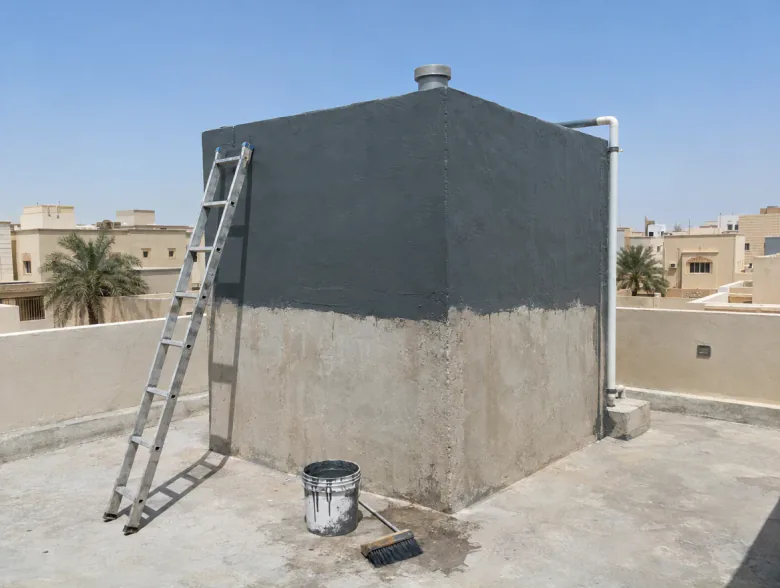
From your call to treating the tank
- 1
Tell us what you see
Call or message us on WhatsApp and tell us the type of tank, where the damp appears or where the water level drops.
- 2
We inspect the tank
We check the walls, the base, the joints and the existing lining to find where water enters and what damage has been caused.
- 3
We prepare the surface and treat cracks
The tank is fully emptied and cleaned, and cracks and joints are treated before any lining work, because a lining cannot do its job over an unprepared surface.
- 4
We apply the right waterproofing
We choose the lining system that suits the tank type and the condition we find, and apply it to the walls and base together until the treatment is complete.
The tank can be fixed with the right waterproofing
- We treat ground tanks and overhead concrete tanks
- We apply an epoxy lining or a cementitious coat as the case requires
- We treat cracks and joints before the waterproofing, not after
- We take your request by phone call or WhatsApp message
- Walls and base waterproofed in a single job
The service in Az Zahrah District
In districts like Az Zahrah, tanks usually sit on roofs or under homes, and water often enters through cracks in the walls or at the base joint or at old connection points. The salty groundwater in Al-Ahsa increases dampness and decay in walls. The check starts with a close look at the tank from all sides, then the surface is prepared by removing old layers and cleaning cracks, and waterproofing material is applied to the walls, base and joints.
Az Zahrah District is a district in Al-Ahsa governorate in the Eastern Province, close to Al Jamiyin District, Al Iskan 1st District and Al Hamra 1st District.
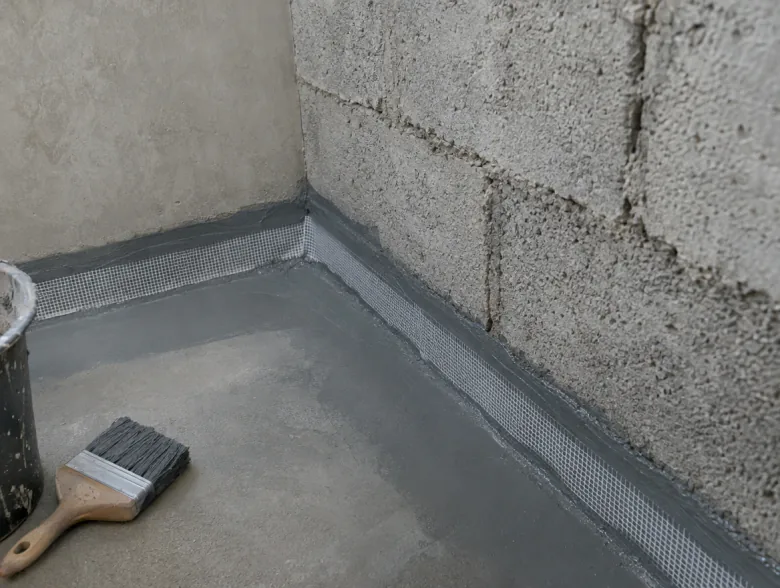
Leaks at the joint where the tank wall meets the base need special care during application, because it is the weakest point in the tank.
Our portfolio















What our customers say
- ★★★★★
شركه ممتاز شغلهم كويس ويعطيهم العافيه
- ★★★★★
شغلهم نظيف وسريعين ومحترمين الله يعطيهم العافيه
- ★★★★★
شركه ممتازه
Reviews are shown as the customers wrote them, in Arabic.
Questions about Water tank waterproofing in Az Zahrah District
Inside waterproofing treats the surface that is in direct contact with the water, and it is the most effective way to stop a leak because the lining faces the pressure from the right direction. Outside waterproofing is used when the tank wall is buried or faces soil moisture, and ground tanks are often treated on both sides.
Yes, considerably. A concrete tank has a rigid wall where cracks and joints accumulate over time, and it suits cementitious or epoxy linings designed to bond with concrete. A fibreglass tank has a flexible wall that cracks differently, and needs a resin repair that is compatible with its material.
Before, always. A crack in the tank wall is a direct path for water, and any lining applied over it without prior repair will separate from it or crack with it in time. Repairing the crack first is what allows the lining to do its job.
The base carries the full weight of the water above it, and the joint between the base and the wall is often a structural weak point formed during casting. Moisture also collects in the lower corners and presses on any crack or porous area in the concrete. That is why the wall and the base are waterproofed together, not separately.
It depends on the condition of the tank and the type of surface. Epoxy forms a smooth, fully sealed film that resists moisture, and it works well when the surface is level and ready to bond. A cementitious coat bonds deep into the concrete and suits rough surfaces or those that need levelling first. We decide which is right after inspecting the tank.
Yes, emptying is a basic requirement. No surface can be prepared and no lining applied on a wet wall or under water. The tank is fully emptied and cleaned until the surface is dry and ready to receive the waterproofing material. Tell us the size and location of the tank and we will work out the details with you.
Tell us the type of tank, ground or overhead, whether it is concrete or fibreglass, where the leak sign appears and whether the water level has dropped or damp shows on the outer wall. The clearer your description, the more directly we can point you to the right service.
If you see water dripping from the tank or below it, or damp stains on the wall or ground around it, or notice a musty smell, there is a leak that needs treatment.
We check the tank inside and out, look for cracks, joints and existing leaks, and identify exactly where the water is coming from before we start treatment.
More services in Az Zahrah District
Water tank waterproofing in nearby areas
