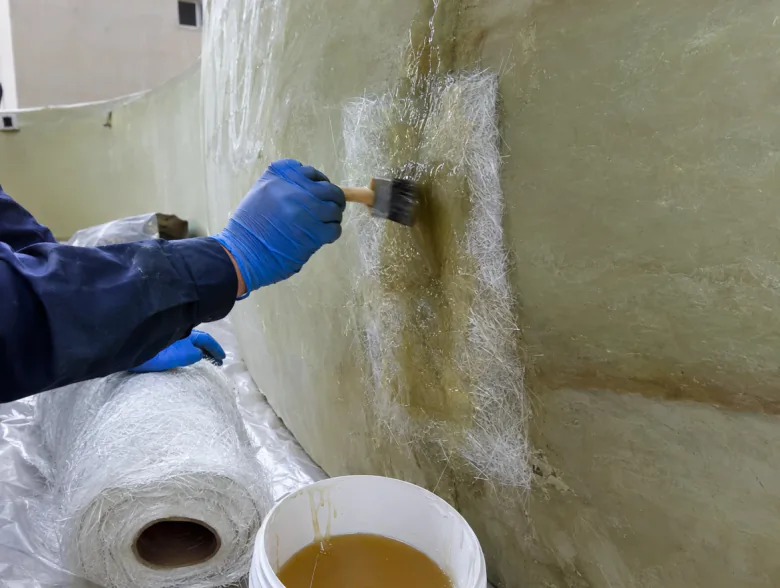
What fibreglass tank lining includes
- Inspecting the inner wall and base after the tank is emptied
- Locating the cracks and assessing how far the surface layer is damaged
- Treating the cracks with a flexible resin material that tolerates fibreglass wall movement
- Preparing and cleaning the inner surface before the new lining is applied
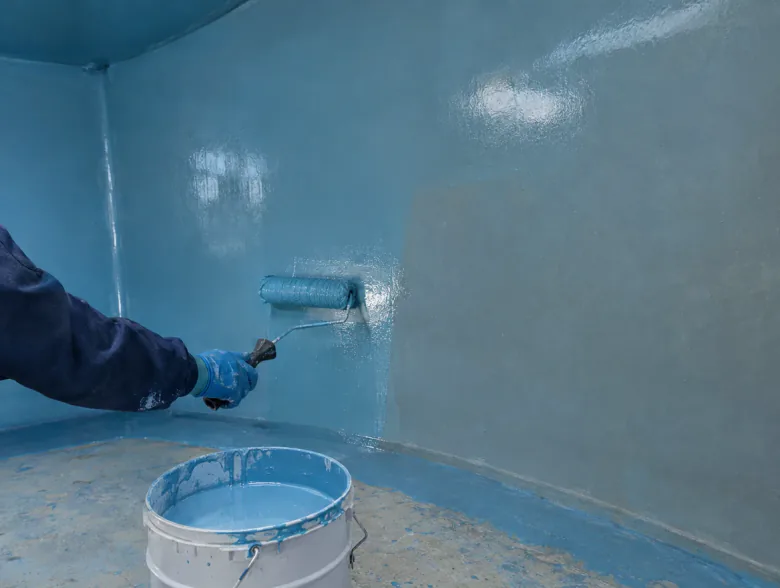
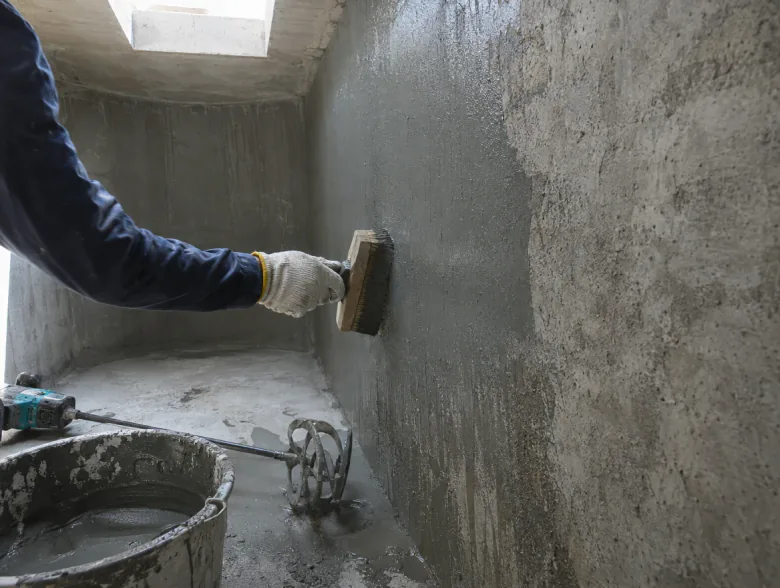
- Applying the inner lining to the full walls and base of the tank
- Checking that joints, edges and any weak point on the surface are fully covered
From your call to a re-lined tank
- 1
Tell us what you notice
Call or message us on WhatsApp and describe the tank, whether the water level drops, whether you see discolouration or damp below it.
- 2
Inspecting the inner wall
We empty the tank and inspect the inner wall and base, locating the cracks and assessing how far the surface layer is damaged.
- 3
Treating the cracks and preparing the surface
The cracks are treated with a flexible resin material that tolerates movement in the fibreglass wall, then the surface is cleaned and prepared before lining.
- 4
Re-lining the inside
The new lining is applied to the full inner surface once it is ready, covering the walls and the base of the tank.
The tank is repaired, not replaced
- We treat cracks with a material that matches fibreglass flexibility
- We inspect the inner wall and base before any lining
- We re-line the full surface, not the crack alone
- We take your request by phone call or WhatsApp message
- Reach us by call or WhatsApp
The service in King Faisal University 3rd
Fibreglass tanks in buildings differ from concrete ones: their walls are flexible and need inspection and treatment from inside. In a place like King Faisal University 3rd, the tank faces intense sun heat and climate changes, and Al-Ahsa soil is damp and salty. Leaks usually start from a hairline crack at a joint or the tank base. The tank is inspected from inside to find the weak point, then the walls are cleaned of dampness and salts, and sprayed with a protective fibreglass layer to reseal and protect from leaks and corrosion.
King Faisal University 3rd is a district in Al-Ahsa governorate in the Eastern Province, close to Hajr District, Sports City and Mansubi Al Taleem 1st District.
Inspection from inside reveals cracks and weak points in fibreglass walls before they become obvious leaks.
Our portfolio















What our customers say
- ★★★★★
ممتاز والخدمة ان شاء الله تكون قد التوقعات
- ★★★★★
شغلهم نظيف وسريعين ومحترمين الله يعطيهم العافيه
- ★★★★★
شركه ممتازه
Reviews are shown as the customers wrote them, in Arabic.
Questions about Fibreglass tank lining in King Faisal University 3rd
The clearest signs are a falling water level without use, or damp and a stain below or around the tank. Sometimes the water changes colour or a thin cracked layer peels from the inner wall. Any of these signs calls for an inspection before the damage spreads.
Because a fibreglass wall moves slightly under the weight of water and changes in temperature. If the lining is applied over an open crack, the new layer will crack at that point. The crack is treated with a flexible material that absorbs movement before the full surface is covered.
In many cases yes. A full inner lining covers wide surface damage after the cracks are treated and the wall prepared. This depends on the extent of the damage and the condition of the wall itself, which is why the work always starts with inspecting the inner surface to see what the tank actually needs.
Yes. Concrete is rigid and thick-walled, and its cracks are usually treated with cement-based or rigid resin materials. Fibreglass is thin and flexible, so a rigid filler will separate from the surface at the first movement. Fibreglass cracks need a flexible resin material that suits the nature of the wall.
Tell us the size and position of the tank, whether it is overhead or at ground level, and describe what you see: whether the water level drops, whether there is damp below, whether you can see a crack or peeling on the inner wall. The clearer your description, the better we can judge what the tank needs before we arrive.
The tank is inspected inside and out: hairline cracks, joints and the base where dampness and salts gather, and any pipes connected to it. It is also checked whether water drips from a specific spot or dampness surrounds the base.
Say where the tank is and its approximate size, whether you notice leaks from its base or side, and roughly how old it is. If possible, send a clear photo of the leak site on WhatsApp.
More services in King Faisal University 3rd
Fibreglass tank lining in nearby areas
