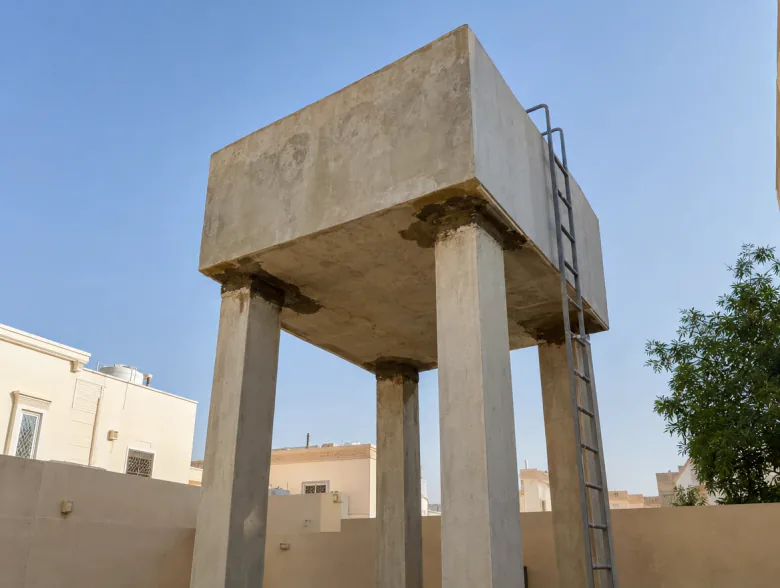
What overhead tank waterproofing includes
- Inspecting the inner concrete walls of the tank and identifying cracks and weak joints
- Inspecting the tank base and the concrete stand and tracing the water's path to the roof or ceiling
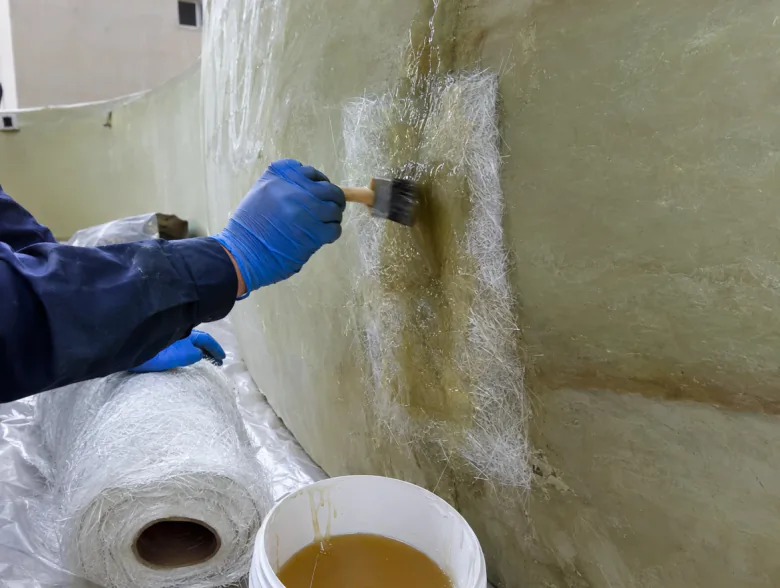
- Treating cracks and preparing the surface before any waterproofing coat is applied
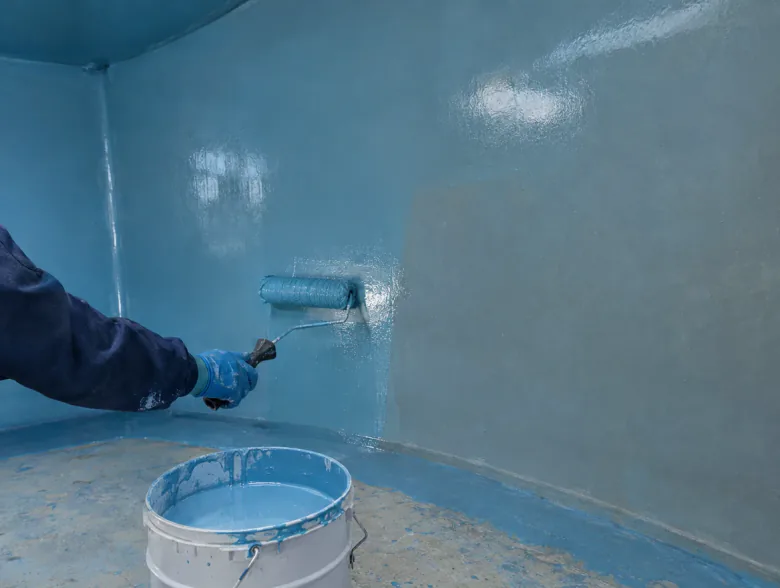
- Waterproofing the inner walls with a material suited to concrete in contact with water
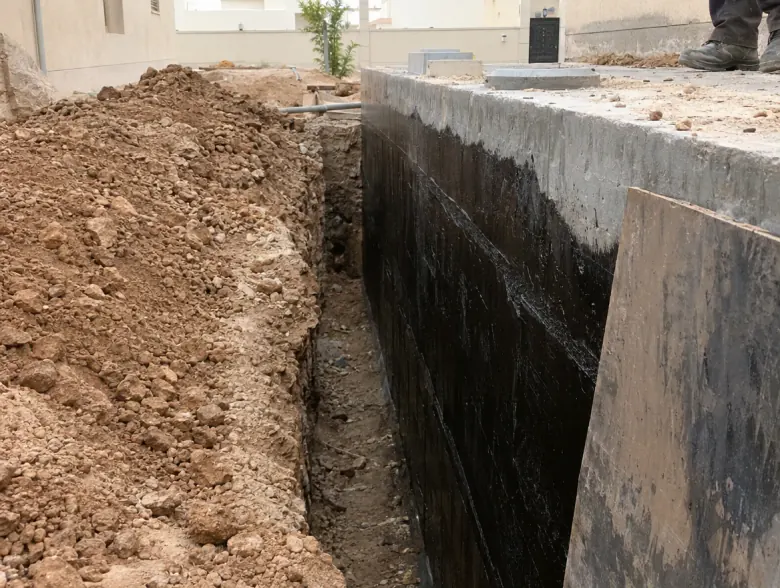
- Waterproofing the outer walls and the base to stop damp reaching the roof slab and ceiling
- Treating the tank stand where it is a path for damp to travel downward
From your call to the treated tank
- 1
Describe what you see
Call or message us on WhatsApp and tell us where the damp appears: on the ceiling below the tank, around the base on the roof, or on the outer walls of the tank.
- 2
Checking the tank and the base
We inspect the inner and outer walls of the tank, the base and the stand, to trace the water and find where cracks form or a joint has weakened.
- 3
Preparing the surface and treating it
Preparing the surface is a core part of the job: the walls are cleaned and cracks are treated before the waterproofing coat goes on, because a coat on an unprepared surface will not hold.
- 4
Waterproofing inside and out
The walls are waterproofed inside to stop water passing through the concrete, and the base and outer walls are waterproofed to protect the roof and the ceiling below from accumulated damp.
Why you can feel at ease about this work
- We find the source of the leak before any treatment
- We treat the walls and the base inside and out
- Cracks are treated before the waterproofing coat
- Materials suited to overhead concrete tanks
- We take your request by phone call or WhatsApp message
The service in Juba District
The overhead tank on a roof in a district like Juba faces water, heat and moisture in Al-Ahsa's air, and this weakens the concrete over time. The leak may show only as light stains or damp smell in the room below before the problem becomes clear. The technician starts by checking the base and walls for cracks, pits or corrosion, then treats the damaged surfaces with the right material for the damage type and location.
Juba District is a district in Al-Ahsa governorate in the Eastern Province, close to Al Mirqab District, Ladhah District and Al Marbidia District.
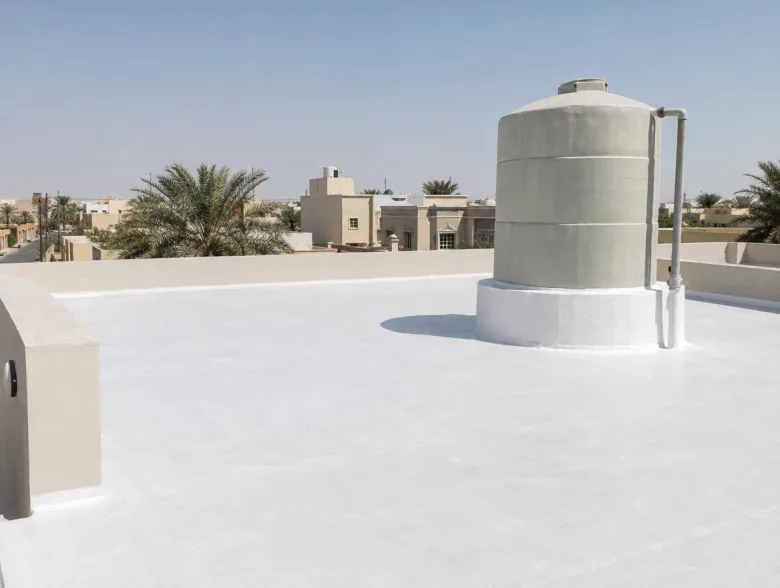
Fine cracks in the concrete base of the tank are the first path water takes toward the ceiling.
Our portfolio















What our customers say
- ★★★★★
شكراً لخدمتك الجميلة
- ★★★★★
شغلهم نظيف وسريعين ومحترمين الله يعطيهم العافيه
- ★★★★★
شركة ممتازة تستحق التعامل معها بشكل مستمر
Reviews are shown as the customers wrote them, in Arabic.
Questions about Overhead tank waterproofing in Juba District
In most cases no, because damp that builds up on the outer wall of the tank or under its base reaches the roof and the ceiling below without passing through the inside. So the work usually covers the outer walls and the base as well as the inner treatment.
Water travels horizontally under the concrete before it appears on the ceiling surface, so the stain's position does not have to match the source. The source is often the tank base or an expansion joint, and the mark shows elsewhere. That is why the work starts by tracing the source.
The tank stand receives water leaking from the base and the lower walls, and over time cracks form in it and the concrete deteriorates from repeated damp. Treating the stand is part of treating the overhead tank when it is the water's path to the roof.
An expansion joint is a deliberate gap left in the concrete to absorb movement with heat and cold changes; it is relatively wide with regular edges. A shrinkage crack forms from unexpected settlement or contraction and has an irregular shape. Both are possible leak paths and need treatment before waterproofing.
Tell us exactly where the damp shows: on the ceiling below the tank, around its base on the roof, or on its outer walls. Tell us whether it is a concrete tank and whether the damp appears constantly or only after the tank is filled. These details help us gauge the scope of the work.
A damp smell points to water or slow leaking in or around the tank, even if you do not yet see an obvious wet patch. The tank should be checked to find and treat the leak before damp increases.
Say when the house and tank were built, whether the tank is old, if you see obvious cracks or leaking, exactly where the damp patches show, and send a clear photo of the tank and patches on WhatsApp.
More services in Juba District
Overhead tank waterproofing in nearby areas
