How the work goes
- 1
Describe what you see
Call or message us on WhatsApp and tell us where the damp or leak is and when you first noticed it.
- 2
Finding the failure and preparing the surface
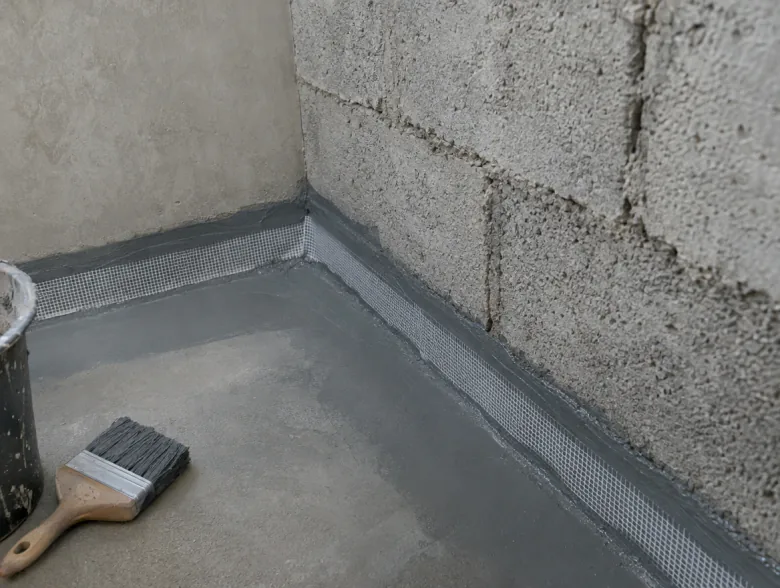
The job starts with locating where the water enters, cleaning the surface and repairing any cracks or joints before the waterproofing goes on.
- 3
Applying the right material
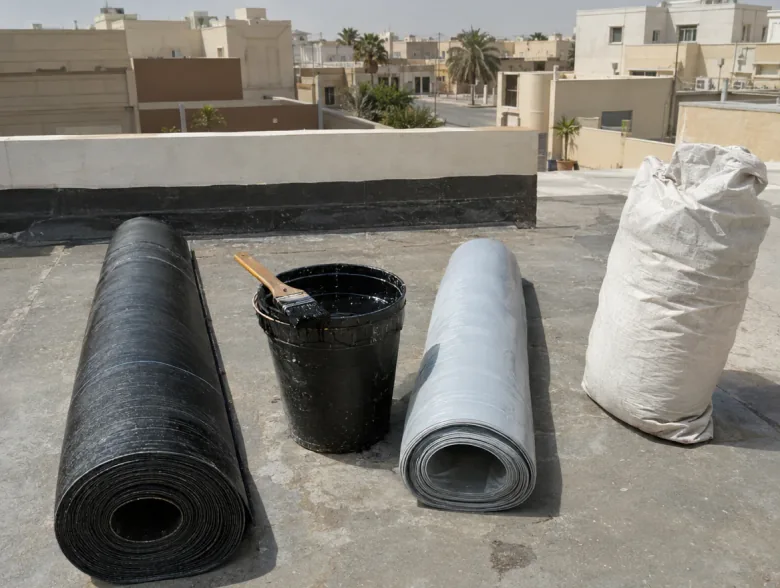
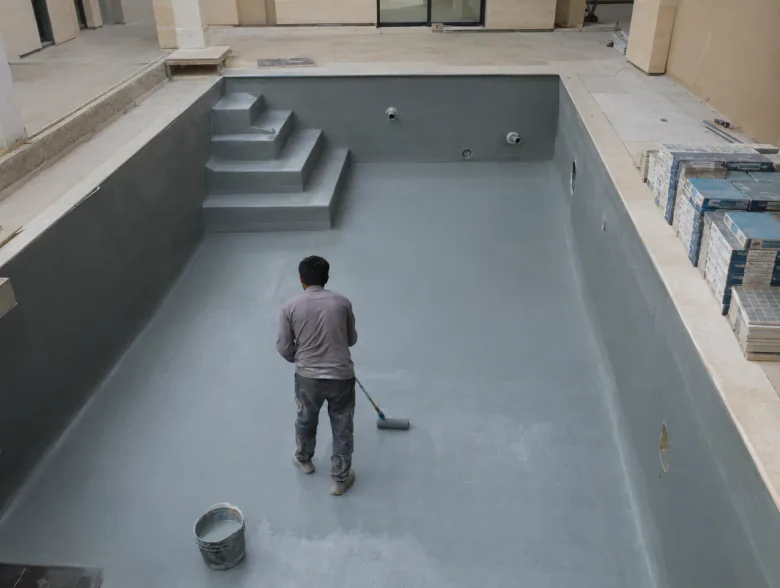
The material is chosen by surface and use: bitumen rolls, epoxy coating, polyurethane foam or cement-based waterproofing, each suited to what the surface needs.
- 4
Checking the layer is continuous
The work covers joints, edges, the parapet and any pipe penetrations, because water finds the weakest point in the layer.
The failure can be found and fixed
- We find the water source before any treatment
- We cover roofs, tanks, bathrooms and pools
- We use the material that suits the surface and its use
- We treat cracks and joints, not the layer alone
- We take your request by phone call or WhatsApp message
The service in Al Olaya District
In a district like Al Olaya, damp may show on a ceiling from a roof leak above it, or on a wall from water seeping at an external joint or from hidden pipes. Ground salts may also rise from soil and leave marks in lower floors. After locating the source, the area is cleaned and dried, then sealed either with a bitumen strip or epoxy layer depending on the problem size and location. The first diagnosis picks the right material and method.
Al Olaya District is in Al-Ahsa governorate in the Eastern Province, close to Al Uwaimiriyah District, Al Thulaythiyah District and Ar Rawdah District.
The first check tells top leaks from side leaks, because each needs a different treatment.
Our portfolio














What our customers say
- ★★★★★
شغلهم نظيف وسريعين ومحترمين الله يعطيهم العافيه
- ★★★★★
شغلهم ميه ميه يشكرو عليه
- ★★★★★
شركه ممتازه
Reviews are shown as the customers wrote them, in Arabic.
Questions about Waterproofing in Al Olaya District
Roof waterproofing against rain is one type of waterproofing focused on the roof surface, its drains and the cracks that let rainwater in. Waterproofing in its wider sense also covers bathrooms, tanks, pools and foundations, each needing a different material and approach according to the surface and how much water it faces.
Yes. Bitumen rolls are usually used on concrete roofs exposed to sun, epoxy coating suits surfaces that need a hard skin such as tanks and floors, and polyurethane foam gives both waterproofing and thermal insulation together. The choice depends on the surface type, how much water it faces and the movement it is likely to experience.
Work can be done in more than one place in the building, but each is inspected, prepared and waterproofed on its own because the material and method differ. A bathroom needs a system that handles continuous moisture and movement, while a roof faces heat and rain. Once we know the full scope we explain what each location involves and what it needs.
Not necessarily. A small crack that carries no water is treated by repairing and filling the crack itself. If water seeps through it or the area faces continuous moisture, additional waterproofing after the repair may be needed. Inspection is what decides the extent and the material required.
The water may come from a source other than the roof, such as pipes inside the wall, rising damp from the ground or a leak from a nearby joint. What looks sound from above may also hide a crack in the parapet or a structural joint that was never waterproofed. That is why the stain's position alone does not identify the source.
Water-resistant paint reduces surface absorption but does not form a continuous barrier and does not cover cracks or joints. Real waterproofing forms a connected layer that blocks moisture from both sides and treats the weak points in the surface. Paint may hide the problem for a time but does not treat it.
If the problem is damp or water stains on the ceiling or wall, waterproofing comes first. If the problem is heat on the top floor in summer, thermal insulation is what you need. Both often appear together on the same roof, and polyurethane foam, for example, serves both purposes in a single layer.
Water may enter around the window frame or from an external wall near it. Call Al Raya and describe the stain location exactly, and say whether it shows only when it rains or all the time.
If the stain is directly under the roof and there are no visible water pipes above it, the source is likely the roof. The technician will check from above and below to confirm where the water comes from.
More services in Al Olaya District