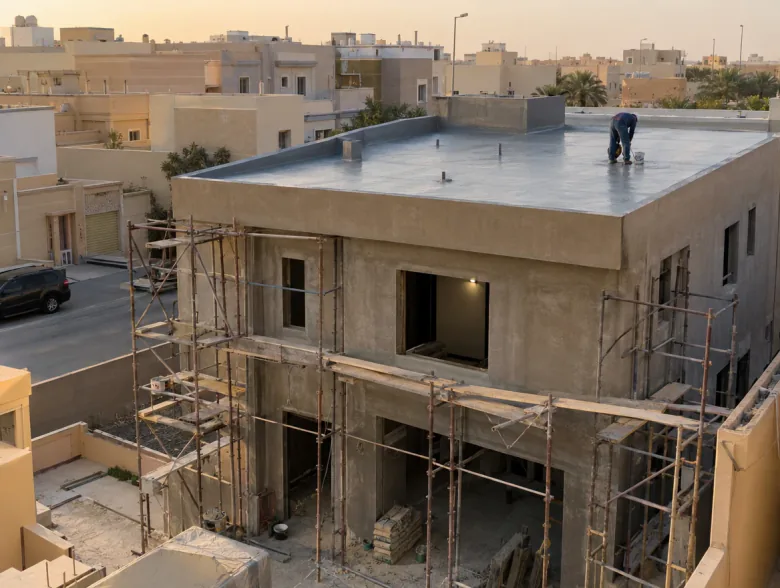
What epoxy waterproofing includes
- Checking the surface to be sealed and identifying what preparation it needs before coating
- Removing dust, weak layers and grease so the coating bonds to the original surface rather than to loose material
- Treating surface cracks, joints and corners before the coating is applied
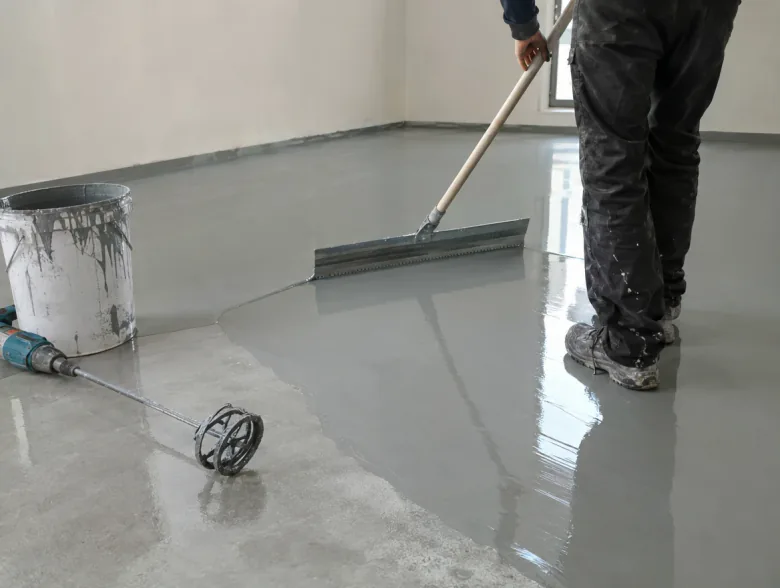
- Mixing the two epoxy components in the correct ratio and applying them to the prepared surface
- Special attention to edges and the line where the wall meets the floor, as these are the most common entry points
- Checking that the film is even after hardening and that edges and joints are fully covered
From your call to the sealed surface
- 1
Tell us what you see
Call or message us on WhatsApp and describe the surface you want sealed and the problem you notice, whether damp, absorption or recurring wet patches.
- 2
Preparing the surface
The job starts by cleaning the surface of dust, grease and old weak layers, because the coating only bonds strongly to a solid and clean surface.
- 3
Mixing and applying the epoxy
The two epoxy components are mixed in the correct ratio and applied to the prepared surface, with special care given to edges, joints and corners, as these are the most common points where water enters.
- 4
Checking after it hardens
Once the coating has fully hardened, the film is checked for even coverage across the edges and joints before the surface is handed over.
A hard and waterproof surface
- Hardens into a solid film bonded to the surface
- Suits floors, tanks and wet rooms
- Edges and joints are treated carefully in every job
- Good preparation is what makes the coating hold
- We take your request by phone call or WhatsApp message
The service in Al Shagaibiyah District
Damp in kitchen, bathroom and basement floors is common in homes in a district like Al Shagaibiyah, especially when the water table is high or pipes leak. Tanks on ground level or below lower floors often seep through their walls and base. Inspection begins by locating the water source and any cracks, then the surface is cleaned and cracks repaired before epoxy is applied. The resulting layer prevents water passing through.
Al Shagaibiyah District is a district in Al-Ahsa governorate in the Eastern Province, close to Al-Hofuf, Al Muallimeen District and Historical Center Hafuf District.
The first inspection reveals whether water enters from pipes or soil, which determines how much epoxy is needed.
Our portfolio















What our customers say
- ★★★★★
شكرا على التواصل وصلو في اسرع وقت ممكن
- ★★★★★
شكراً لخدمتك الجميلة
- ★★★★★
شركه ممتاز شغلهم كويس ويعطيهم العافيه
Reviews are shown as the customers wrote them, in Arabic.
Questions about Epoxy waterproofing in Al Shagaibiyah District
Epoxy suits stable surfaces that do not move, such as concrete and tiled floors, tank walls and wet-room floors. Surfaces that expand and contract a great deal, such as some exterior surfaces exposed to intense heat, may not suit epoxy alone, because surface movement stresses the hard film.
Epoxy is a resin that bonds to whatever is directly beneath it. If there is dust, grease or an old weak layer under it, the coating bonds to that, not to the original surface, and will lift as soon as that layer lifts. Preparation is what makes the bond real rather than superficial.
Yes, and it is a common choice for tank walls from the inside because it forms a film bonded to the concrete and stops water absorption. The tank walls must be dry and clean before application, and any cracks and joints should be treated first.
Epoxy alone does not treat a deep structural crack; it covers its surface. Cracks that move or are deep need separate treatment before coating. Fine surface cracks in a stable floor can usually be treated as part of surface preparation before the epoxy is applied.
Tell us the type of surface you want sealed, such as a floor, a tank or a wet room, and describe the problem you see, including any visible cracks or recurring damp. These details help us assess what the surface needs before coating. The cost depends on the surface condition and area, so message us on WhatsApp with what you see.
Call to have the floor and pipes beneath it checked. Persistent damp may mean water leak, and inspection will show whether epoxy will solve it.
This depends on tank size and wall condition. The first inspection determines what repairs are needed, then work is planned.