What Roof Insulation Does
Waterproofing stops water from getting in, and thermal insulation reduces the heat that comes down into the rooms. Learn the difference.
The roof is the first thing the sun reaches, and the first thing the rain hits. So roof insulation protects you from two things: water and heat. In this article we explain the difference between them, the common materials, and when you need it.
Why does heat matter?
In the hot summer the roof absorbs the sun’s heat all day. Then it passes that heat to the rooms below, especially on the top floor.
Waterproofing
It adds a layer that stops water from getting into the ceiling. It protects the paint and walls from damp and stains. It matters most at the joints and corners, where water gets in first.
Thermal insulation
It reduces how much of the sun’s heat passes from the roof into the rooms below. You feel it most on the top floor. It helps especially in houses whose roof is open to the sun.
When less heat enters the house, the load on the air conditioners may be lower.
Does insulation replace the air conditioner?
No, but it reduces the heat that enters the house, so cooling it becomes easier.
Common materials
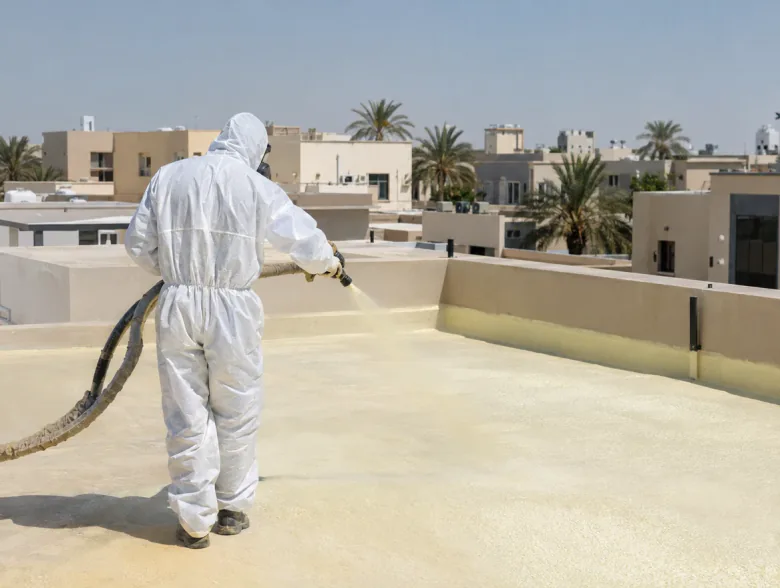
- Foam: sprayed onto the roof to form a continuous layer that insulates against heat.
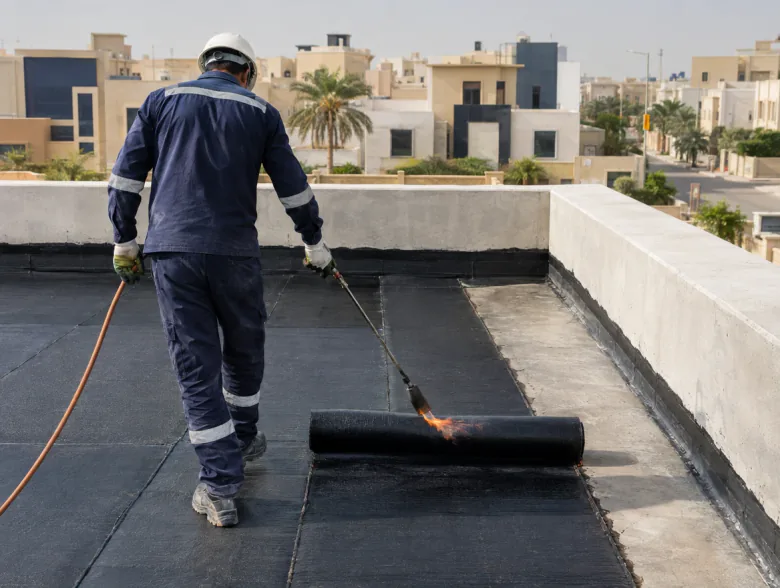
- Bitumen rolls: laid over the roof as a waterproofing layer.
- Epoxy: a coating used in some waterproofing work.
Foam is usually covered with a layer that protects it from the sun.
No single material suits every roof. The inspection decides which fits your roof and your goal.
Find the leak before you insulate
If the roof already has a leak, insulating over it does not fix it, and it may trap moisture.
Insulation also does not stick well to a damp or dirty surface.
Every roof has its own condition, and not every leak needs the same insulation.
That is why we start by locating the leak, then repair it, then insulate.
How the work usually goes
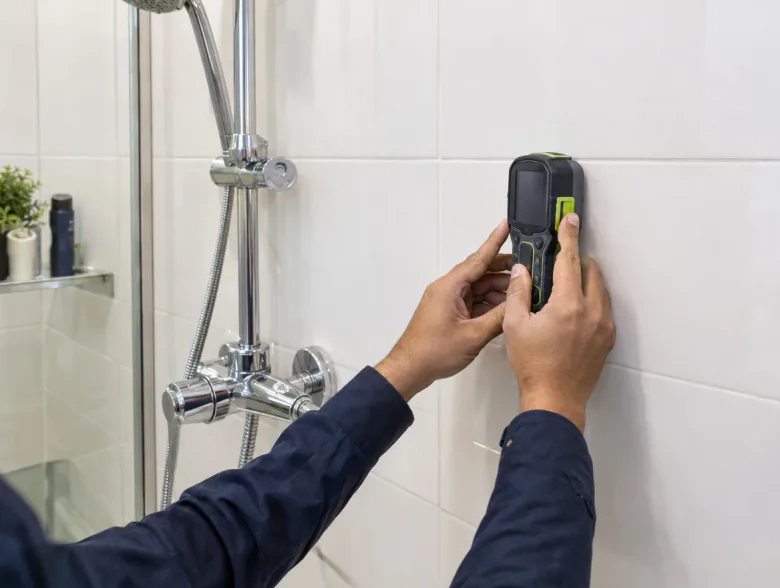
- Inspect the roof and locate the leaks.
- Repair the cracks and leak points.
- Clean the roof and prepare it.
- Apply the insulation layer that fits.
What about tanks?
A rooftop tank is exposed to the sun too, and water may leak out of it or into it. Waterproofing the tank treats this problem.
What to expect after insulation
Better protection for the ceiling against damp, and rooms that feel the roof’s heat less. The result varies with the condition of the roof and the type of insulation. Keep an eye on the roof after insulation, especially after rain.
When do you need insulation?
- Damp stains on the ceiling.
- A top floor that gets very hot.
- An old roof that has cracked or whose layer is peeling.
- A rooftop tank that needs protection.
If you are not sure, the inspection answers the question.
At Al Raya we insulate roofs and tanks against water and heat. Call us and we will check your roof and suggest what fits.