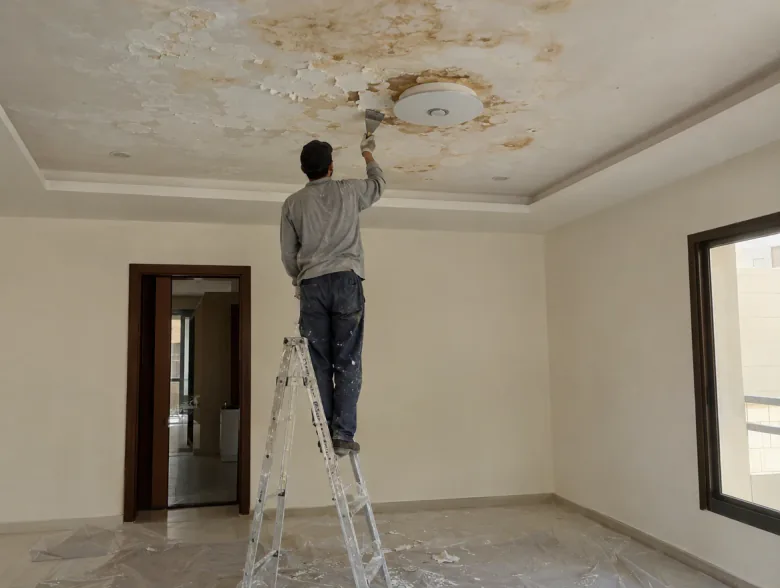
What bathroom ceiling waterproofing includes
- Checking the concrete slab from both sides to trace the water and find where it enters
- Tracing damp on the ceiling below the bathroom to tell slab moisture from condensation
- Treating cracks and joints in the slab before any waterproof layer is applied
- Preparing and cleaning the surface so the waterproof layer bonds and holds
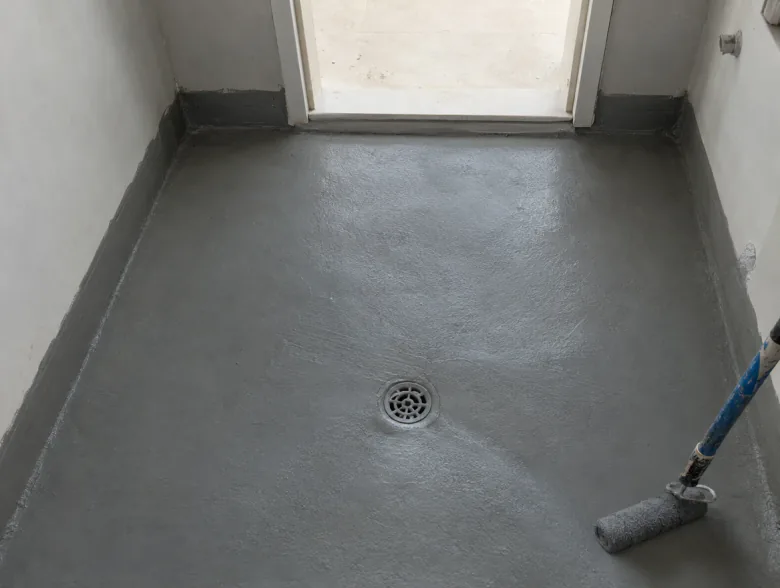
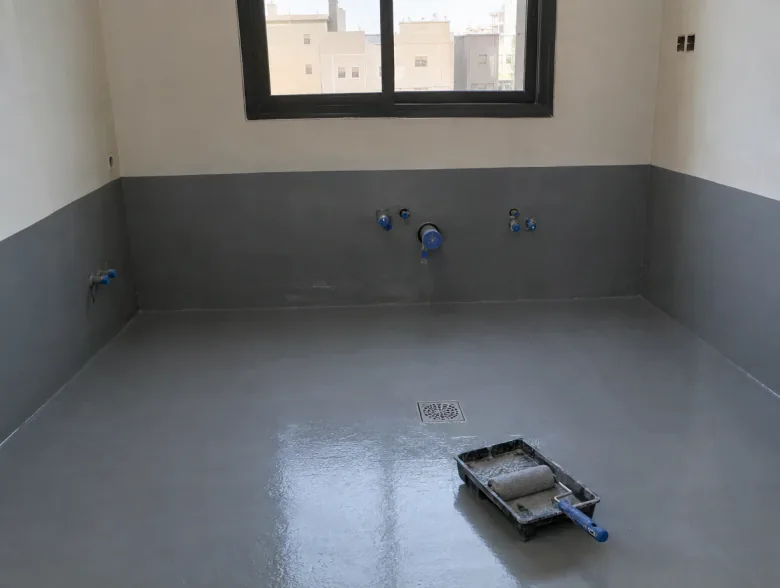
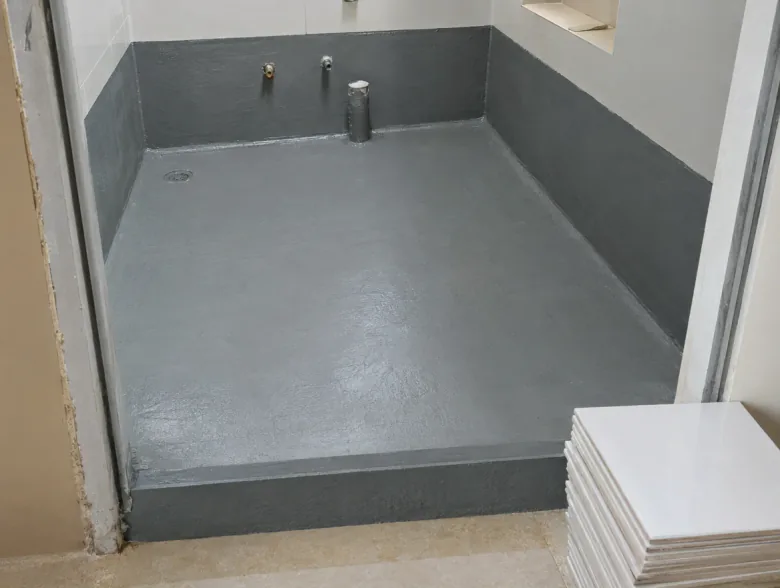
- Applying waterproofing with the right material for the situation, whether polyurethane foam, epoxy or bitumen
- Treating the marks and salt deposits on the ceiling after the water source is stopped
From your call to a protected slab
- 1
Tell us what you see
Call or message us on WhatsApp and describe where the stain or damp is, whether it is on the ceiling below the bathroom or on the bathroom ceiling itself.
- 2
We inspect the slab and the ceiling
We check the slab from both sides and trace the water's path to find where it actually enters, as the stain often appears away from the real entry point.
- 3
We prepare the surface and treat cracks
A waterproof layer is only as good as what is under it; the surface is cleaned and cracks and joints are treated before anything is applied, or the layer will part later.
- 4
We apply the waterproofing
We choose the right material for the situation, whether polyurethane foam, epoxy or bitumen, and it is applied to the affected area after the surface is ready.
The source first, then the waterproofing
- We find where water enters before any work
- We treat the slab from both sides when needed
- Cracks and joints are treated before the layer goes on
- Waterproofing materials suited to damp and exposed surfaces
- We take your request by phone call or WhatsApp message
The service in Ibn Dihman
In a settlement like Ibn Dihman, pipes and tanks serving bathrooms often run through floors and walls, and may leak over time. Damp on a ceiling below a bathroom can start as a small stain then spread if left untreated, and may come from a tile joint, a leaking basin or cracks in the pipes themselves. Once the water source is found above, the ceiling is cleaned of old moisture, then a strong waterproof treatment is applied to prevent the leak recurring.
Ibn Dihman is a small settlement in Al-Ahsa governorate in the Eastern Province, close to Muraytibah, Sudah and Al Jishshah.
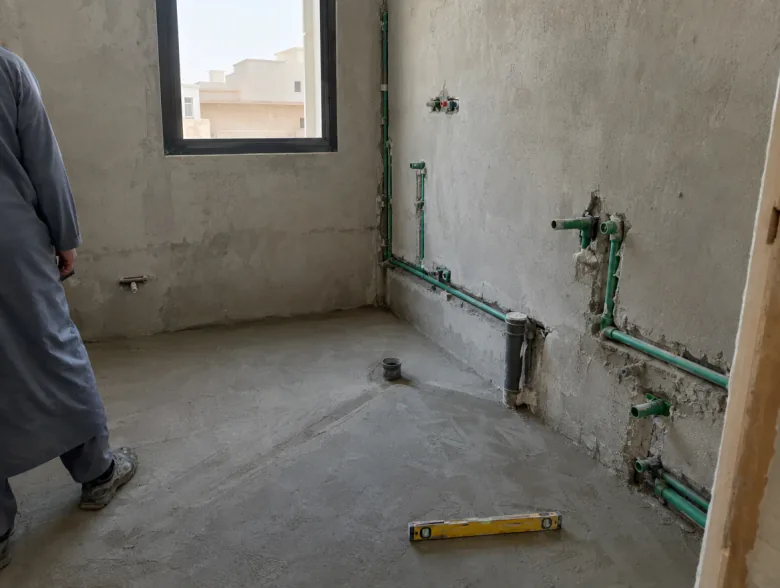
The initial check focuses on the pipe runs, around the basin and toilet, because leaks usually start from those points.
Our portfolio















What our customers say
- ★★★★★
شكرا على التواصل السريع
- ★★★★★
شركه ممتاز شغلهم كويس ويعطيهم العافيه
- ★★★★★
شغلهم نظيف وسريعين ومحترمين الله يعطيهم العافيه
Reviews are shown as the customers wrote them, in Arabic.
Questions about Bathroom ceiling waterproofing in Ibn Dihman
Condensation appears during a shower and disappears once the room is aired, leaving no lasting mark. Slab damp shows as a dark stain or peeling paint that comes back even after drying, often with salt deposits or surface damage. The difference is clear when you watch the ceiling after a dry day.
Usually not. If water is entering from the bathroom floor or walls it saturates the slab from above. Treating only the underside delays the visible effect but does not cut the water's path from its source. The better approach is to find where the water enters first, then decide which face to treat, or both.
It depends on their cause. A surface crack in the paint is different from a crack in the concrete itself. A concrete crack opens a path for moisture and widens over time, so it is treated before any waterproof layer is applied. A surface crack is assessed first to see whether it reaches the slab, then the right treatment is decided.
Waterproofing materials can be applied to the underside of the slab in some cases, and this is done when access to the bathroom above is difficult or when the bathroom is fully furnished. However, the outcome depends on how much damp is already in the slab and the condition of its surface, and finding the source is still necessary before any decision.
Tell us whether the stain or damp is on the bathroom ceiling itself or on the ceiling of the room below, whether it appears constantly or only after use, and whether you see peeling, salt deposits or cracks. If the bathroom sits above a lived-in room, mention that too. These details help us assess the situation before we inspect.
A leak may seem small at first, but it weakens the ceiling and damages wood and metals gradually, causing bad smells and mould. Early treatment stops the damage getting worse and affecting the whole house.
Say exactly where the stain is, above the basin, toilet or shower, when it started, whether damp is only on the ceiling or walls too, and share a photo on WhatsApp.
More services in Ibn Dihman
Bathroom ceiling waterproofing in nearby areas
