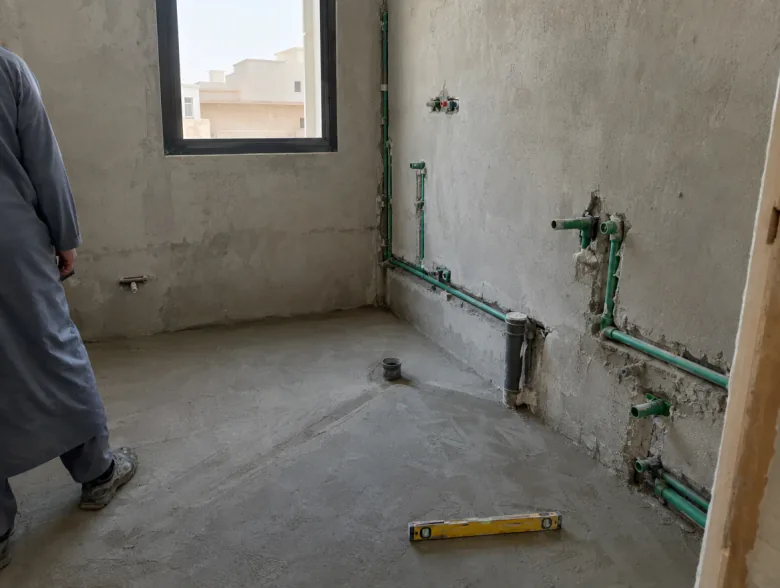
What bathroom waterproofing after plumbing includes
- Checking the bathroom floor slope toward the drain and confirming the surface is level
- Checking pipe and drain openings to confirm they are ready for waterproofing
- Treating the junctions between the floor and walls before the waterproof layer is applied
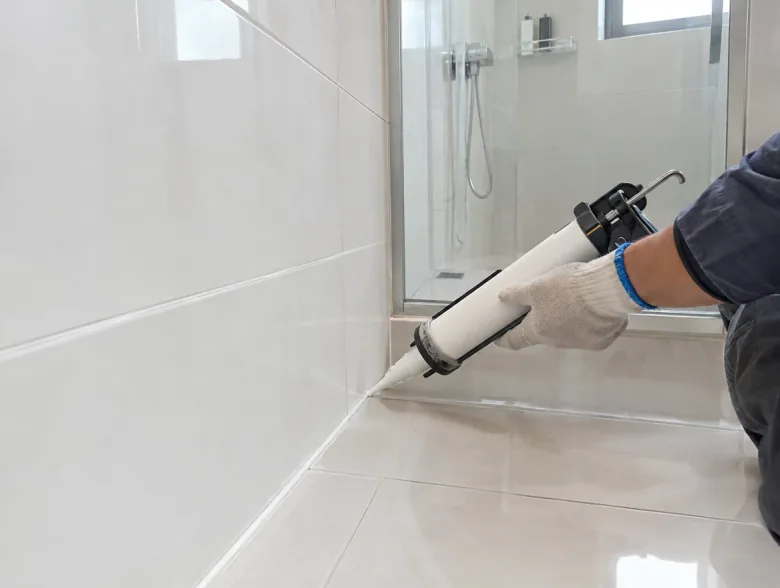
- Sealing around the drain and every pipe opening as part of the waterproof layer
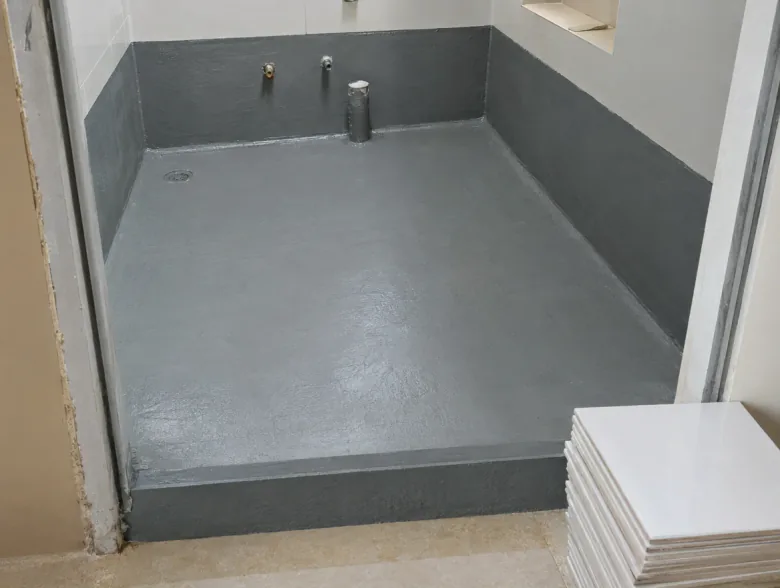
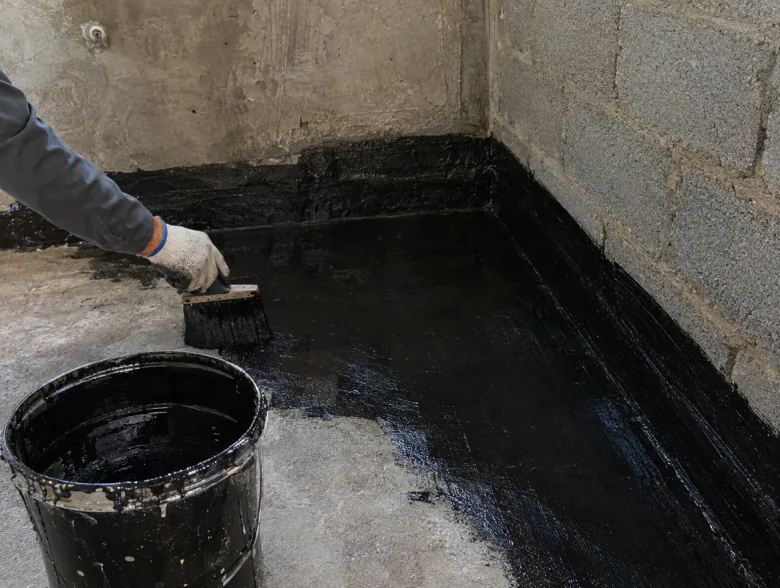
- Applying waterproof material to the floor and up the walls to the required height
- Confirming the layer covers every weak point before the tiler arrives
From your call to the waterproof layer
- 1
Describe the current state
Call or message us on WhatsApp and tell us how far the plumbing has gone and the size of the bathroom, so we understand what the job needs.
- 2
We check the floor and openings
We check that the floor slopes toward the drain and inspect the pipe and drain openings to confirm they are ready to be sealed around.
- 3
We prepare the surface
The floor and walls are cleaned, the corners and pipe openings are treated before any material goes down, because the layer does not hold on an unprepared surface.
- 4
We apply the waterproof layer
The waterproof material is applied to the floor and up the walls to the required height, with close attention to the corners, around the drain and at every pipe opening.
Waterproofing starts with checking, not the material
- We check the floor slope before waterproofing
- We seal around pipe openings and the drain
- We treat every corner before the tiles go down
- Waterproofing covers the floor and the wall bases
- We take your request by phone call or WhatsApp message
The service in Ibn Dihman
In a small settlement like Ibn Dihman, bathrooms often adjoin the kitchen or the home's outer walls, meaning moisture could affect other parts of the house. After the plumber finishes the pipes and levelling, the surface is inspected to remove dust or damp, then the waterproof material is applied to the floor and along the walls, especially round any drain opening. The right material depends on assessing the surface and its state, because not every floor needs the same approach.
Ibn Dihman is a small settlement in Al-Ahsa governorate in the Eastern Province, close to Muraytibah, Sudah and Al Jishshah.
The joints between floor and walls and around drain pipes are the areas that must be checked carefully before any waterproof material is applied.
Our portfolio















What our customers say
- ★★★★★
شركه ممتاز شغلهم كويس ويعطيهم العافيه
- ★★★★★
ممتاز والخدمة ان شاء الله تكون قد التوقعات
- ★★★★★
شغلهم ميه ميه يشكرو عليه
Reviews are shown as the customers wrote them, in Arabic.
Questions about Bathroom waterproofing after plumbing in Ibn Dihman
Work can start once plumbing is complete, the screed is set and dry, and the pipe openings and drain are in their final positions. Starting before those are settled risks having to redo the work.
Because they are transition points between two surfaces or two materials, and those points experience slight movement as the structure expands and contracts. A flat layer on a single surface handles that better than junctions do, which is why each corner and each pipe opening needs its own treatment.
After-plumbing waterproofing is the earlier stage: here the floor slope is checked and pipe openings and drains are treated before you reach the application stage. Before-tiling waterproofing comes next, when the floor is ready and the layer is applied in preparation for the tiler.
Usually yes. The bathroom floor faces constant water and foot traffic and needs a material that holds under continuous pressure. The walls around the shower area need a layer that holds vertically and resists repeated moisture. The areas around the drain and pipe openings often need extra spot treatment before the main layer.
Confirm that all water supply and drain pipes are in their final positions and will not move, that the screed has been poured and dried, and that the drain is fixed at the right height. Any plumbing change after the waterproof layer is applied means cutting through it and retreating that spot.
No, the floor must be completely dry before waterproof material is applied, because moisture trapped beneath it will cause the seal to fail. If the floor is damp, it is better to dry it first.
Water from daily use will seep through tiles and joints and reach the foundations and adjoining walls, causing damp and structural damage. Without early protection, the problem becomes harder and costlier to fix later.
More services in Ibn Dihman
Bathroom waterproofing after plumbing in nearby areas
