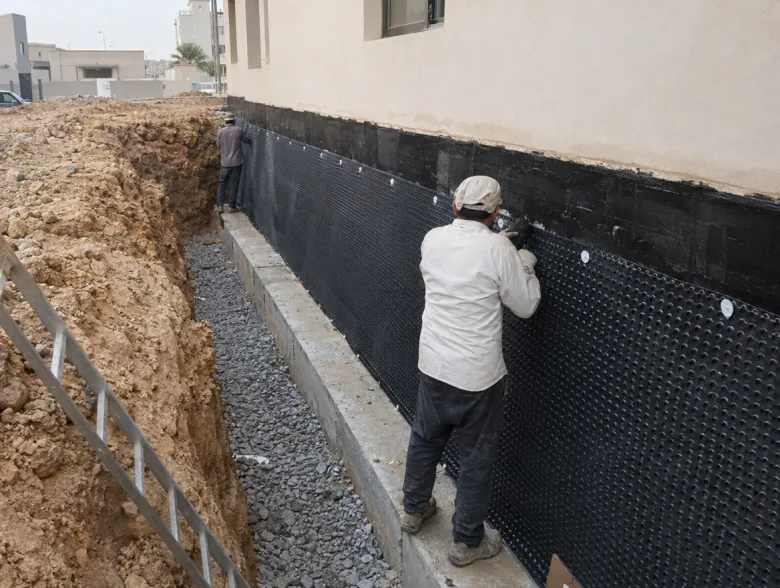
Foundation waterproofing in Az Zahrah District
In Az Zahrah District, white stains on ground-floor walls and paint cracks point to water rising from the soil. Al Raya treats the foundation and base with specialized waterproofing materials to stop moisture and salts seeping up from the ground.
What foundation waterproofing includes
- Inspecting the foundation walls from inside and locating damp patches, salts and cracks
- Deciding whether the waterproofing is applied outside before backfill or from inside
- Cleaning the surface and sealing existing cracks in the foundation wall before waterproofing
- Applying the waterproof material to the foundation walls with special care at corners and joints
- Treating the effects of salts and rising damp in the lower walls
- Answering your questions about foundation waterproofing before the work starts
From your call to treating the foundation
- 1
Describe what you see
Call or message us on WhatsApp and tell us where the damp shows on your walls and whether you see salts or peeling paint at the base.
- 2
We inspect the wall and foundation
We identify the source of moisture and whether it comes from the surrounding soil, a crack in the foundation wall or nearby groundwater.
- 3
Preparing the surface
Treatment begins with cleaning the surface and filling existing cracks, because a waterproof layer will not bond to an unprepared surface.
- 4
Applying the waterproof layer
The waterproof material is applied to the foundation wall on the outside before backfill, or from inside when the outside cannot be reached, with close attention to the corners and joints.
The foundation deserves attention before damage shows
- We treat foundation walls from outside or inside according to the case
- We seal cracks before applying any waterproof layer
- We give corners and joints the care they need
- Rising damp and salts have a clear treatment once the source is known
- We take your request by phone call or WhatsApp message
The service in Az Zahrah District
In a district like Az Zahrah, water and salt exist in the soil under the house, and in Al-Ahsa groundwater is a known problem in foundations. When water rises through the base, brick and concrete, salt is left on the surface as white stains, paint cracks and the wall stays damp. The check starts at the external wall of the ground floor and the lower building edge, then the area is cleaned and treated with epoxy and bitumen to block water rising from below.
Az Zahrah District is a district in Al-Ahsa governorate in the Eastern Province, close to Al Jamiyin District, Al Iskan 1st District and Al Hamra 1st District.
The inspection focuses on the external wall, the foundation and the line where the building meets the ground, where groundwater enters first.
Our portfolio















What our customers say
- ★★★★★
شغلهم كويس وناس ممتازه في اسرع وقت
- ★★★★★
شغلهم ميه ميه يشكرو عليه
- ★★★★★
شركه ممتازه واشتغلنا معاهم اكثر من مره وجود عاليه ما شاء الله بارك الله فيهم واعمله
Reviews are shown as the customers wrote them, in Arabic.
Questions about Foundation waterproofing in Az Zahrah District
External waterproofing stops moisture before it reaches the wall, and it is usually applied during construction before backfill. When the building is standing and re-excavation is not possible, internal waterproofing stops rising damp and treats its effects, though it needs a material suited to reverse water pressure.
Foundation damp comes from the soil around the lower wall and rises upward, bringing white salt marks at the base. Roof or bathroom damp descends from above or seeps in from the side, and the marks appear in different places. Identifying the source is the first step in treating it.
Salts show that water is moving through the wall and carrying minerals from the soil or the concrete. Over time the salt crystals expand inside the wall and break down the paint and plaster and can weaken the surface layer of the concrete. The cause needs treatment, not just a new coat of paint.
A water-resistant paint slows how quickly damp shows on the surface but does not stop the movement of moisture inside the wall. The damp and salts keep working behind the coat and it peels before long. True waterproofing resists water pressure from the soil and either bonds into the concrete or covers it with a layer that can hold that pressure.
Tell us which wall shows the damp and whether it is against the soil on the outside, whether you see white salts or peeling at or near the base of the wall, and whether the damp has been there since the house was built or appeared later. These details help us assess the situation before the inspection.
The white stains are salts left by groundwater rising from the soil. This means water is rising through the foundation; the inspection determines how deep and far it has spread, and what treatment suits the base.
Mention any wet floors or musty smells, whether the white stains are in one room or several, and whether the paint peels easily. This helps show how far groundwater is spreading under the house.
More services in Az Zahrah District
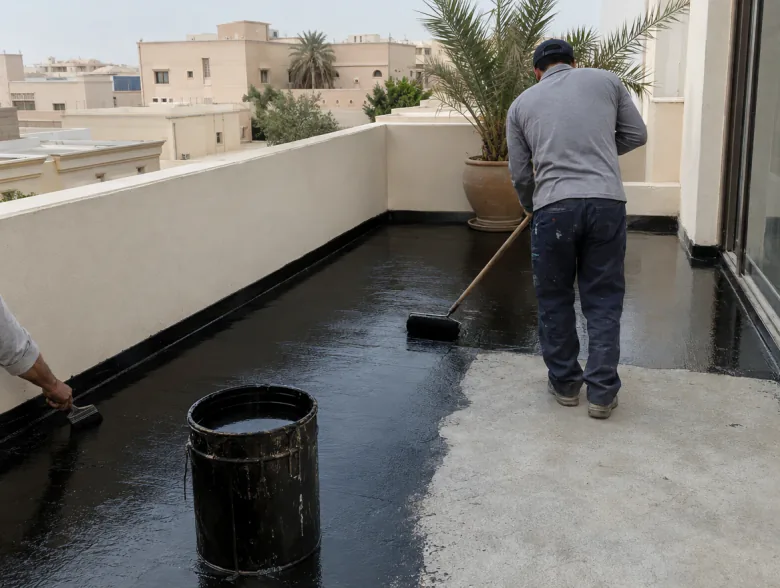
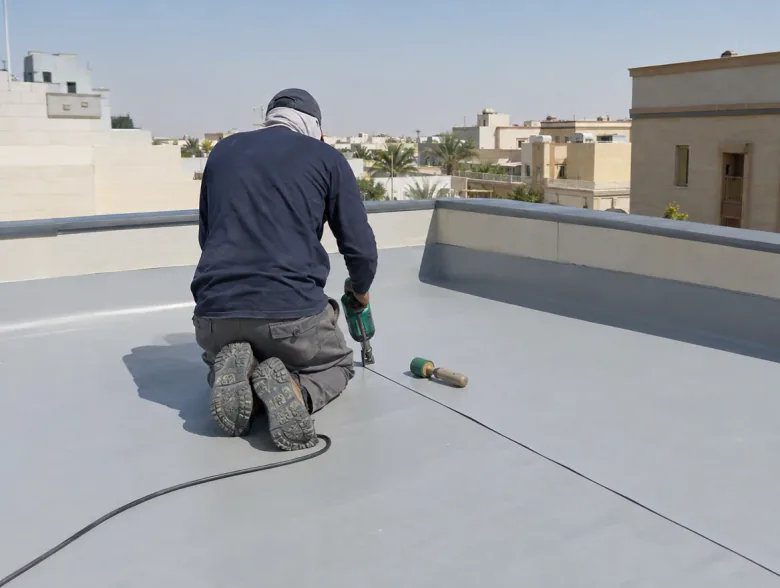
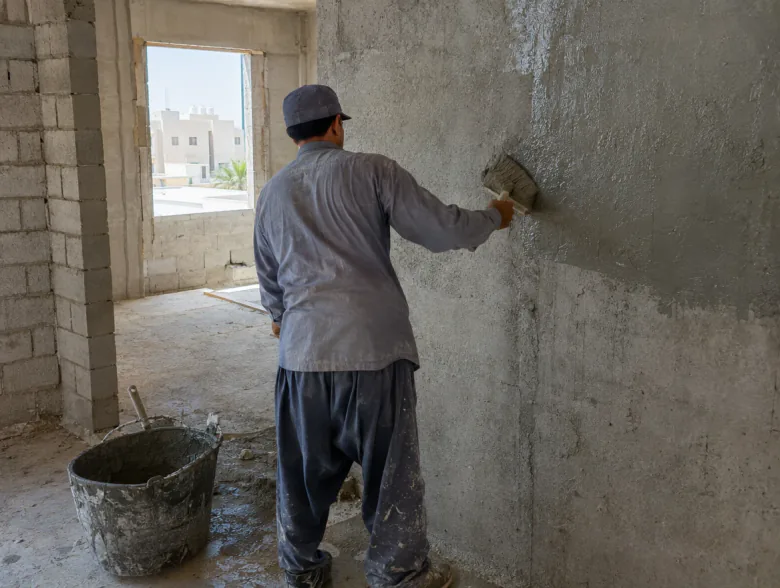
Foundation waterproofing in nearby areas
