From your call to the source
- 1
Describe what you see
From Al Ekhaa, one call or WhatsApp message at any hour is enough: tell us what you see and where it shows.
- 2
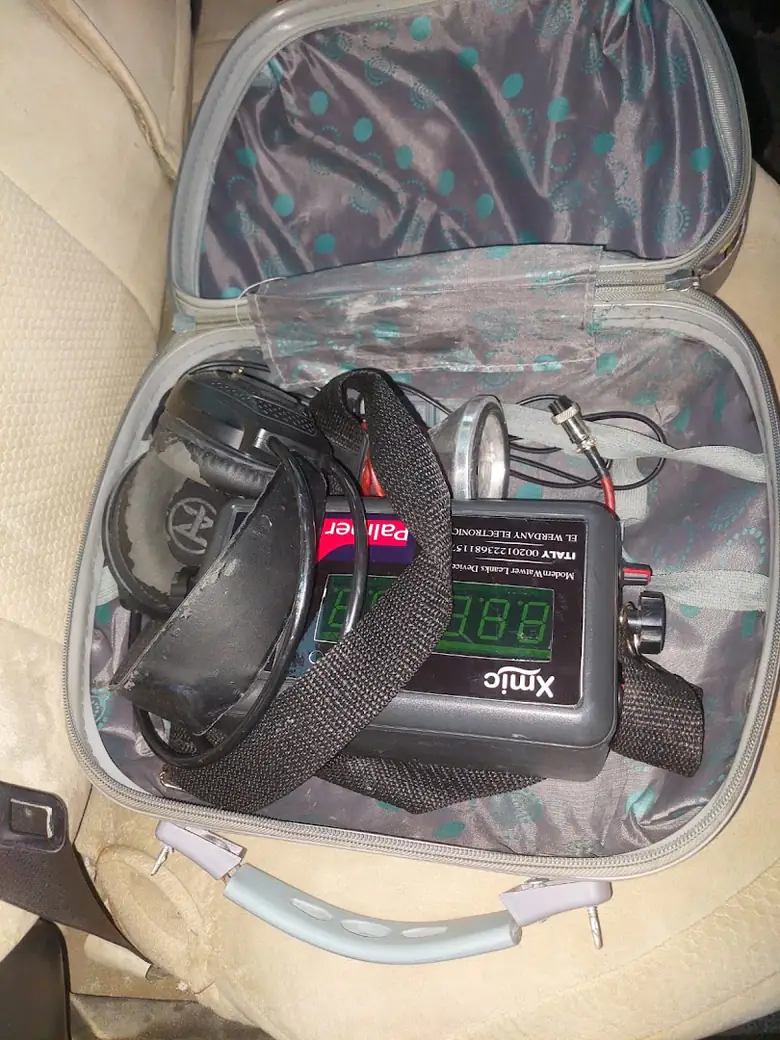
We inspect with instruments
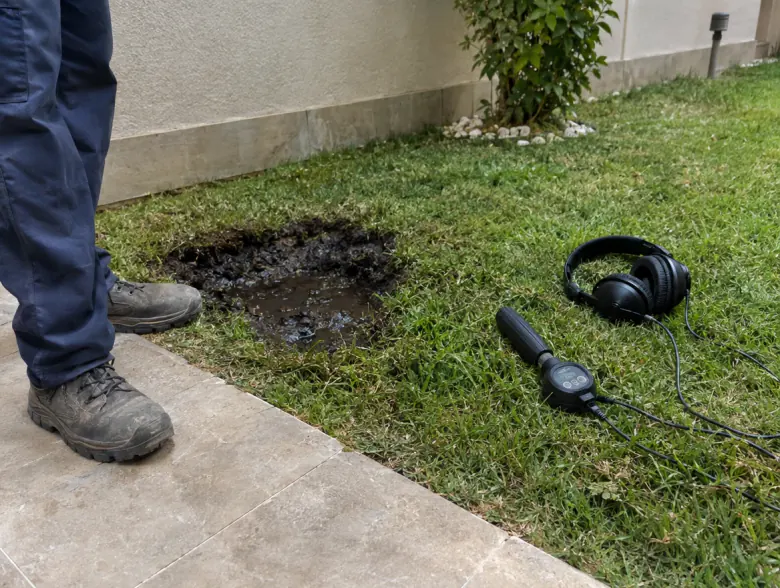
We pass detection instruments over the affected area; thermal and electronic tools show water movement without breaking any surface.
- 3
We identify the source
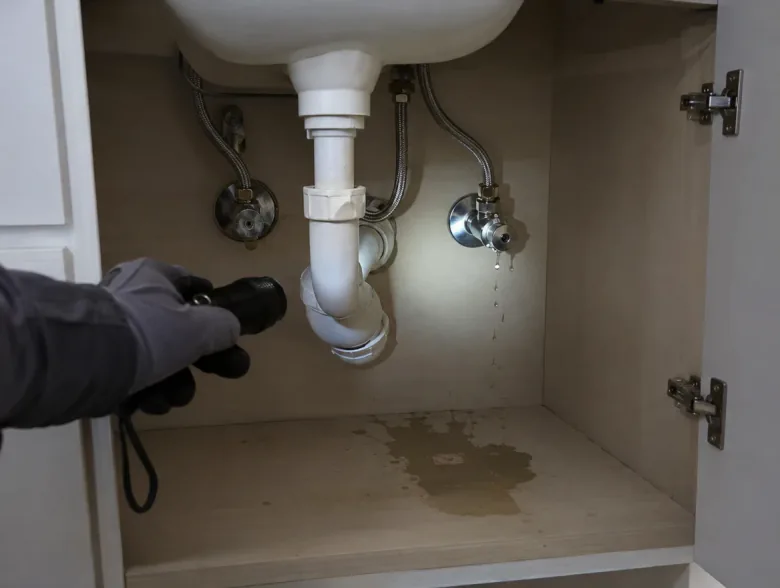
We tell rising ground damp from a hidden pipe leak, condensation and a roof leak apart, because each needs a different treatment.
- 4
Certified report after inspection
You receive the inspection result in writing, with the damp's location and likely cause, and you decide the next step.
Treatment starts with knowing the cause
- We find the source of the damp before any surface treatment
- We reach Al Ekhaa as we reach every city and centre of Al-Ahsa
- We tell rising damp, a pipe leak and condensation apart
- Certified report after inspection
The service in Al Ekhaa
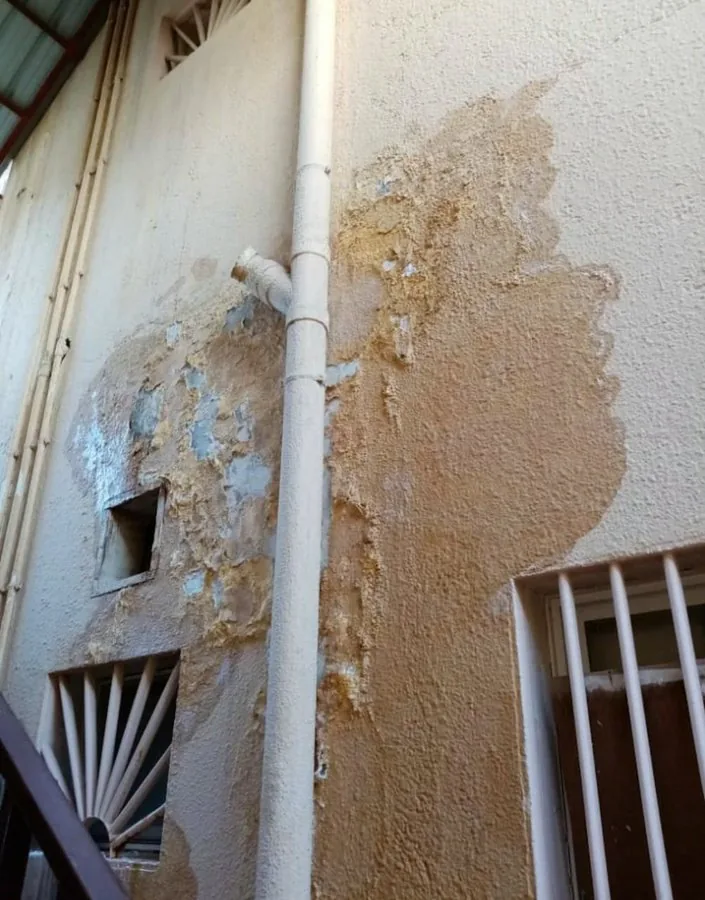
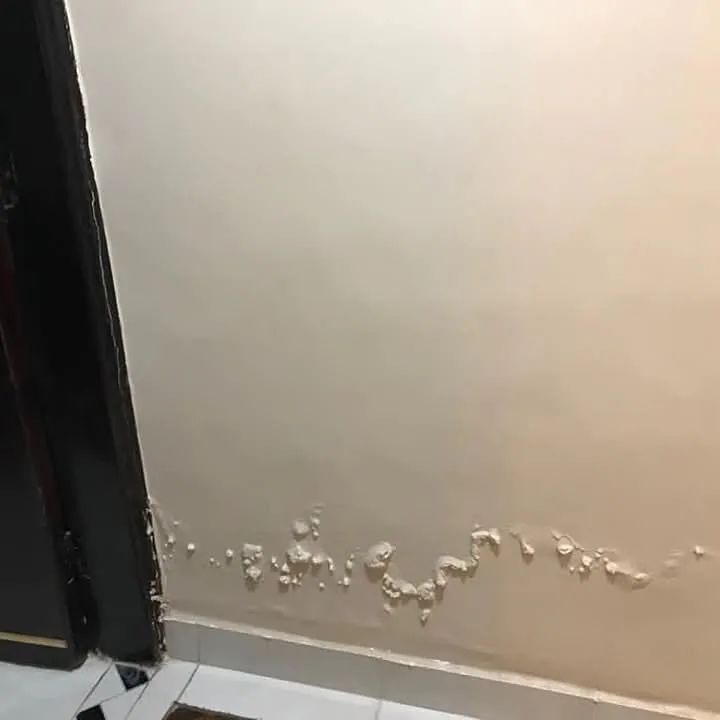
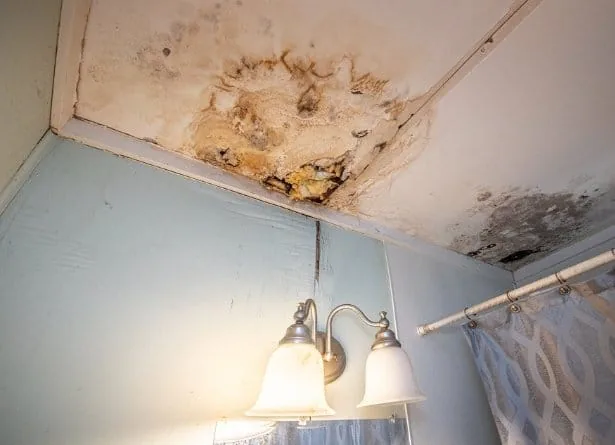
In a district like Al Ekhaa, moisture usually starts at the junction of wall, foundation and floor, where soil is damp and salts are high. The seepage may show as ceiling stains, musty smells, swollen walls, or salt flaking on paint. The first check traces the water path: is it from outside, inside the wall, or the foundation joint? Then walls are treated with waterproofing materials and cracks and joints that let water and salt in are repaired.
Al Ekhaa is a district in Al-Ahsa governorate in the Eastern Province, close to Al Yasmin, Ash Shuruq and Yabrin.
Salt in Al-Ahsa's groundwater makes damp damage worse, because it stays on the wall even after the water dries.
If you are near Al Ekhaa, in Al Yasmin, Ash Shuruq and Yabrin for example, the service reaches you there too.
Our portfolio
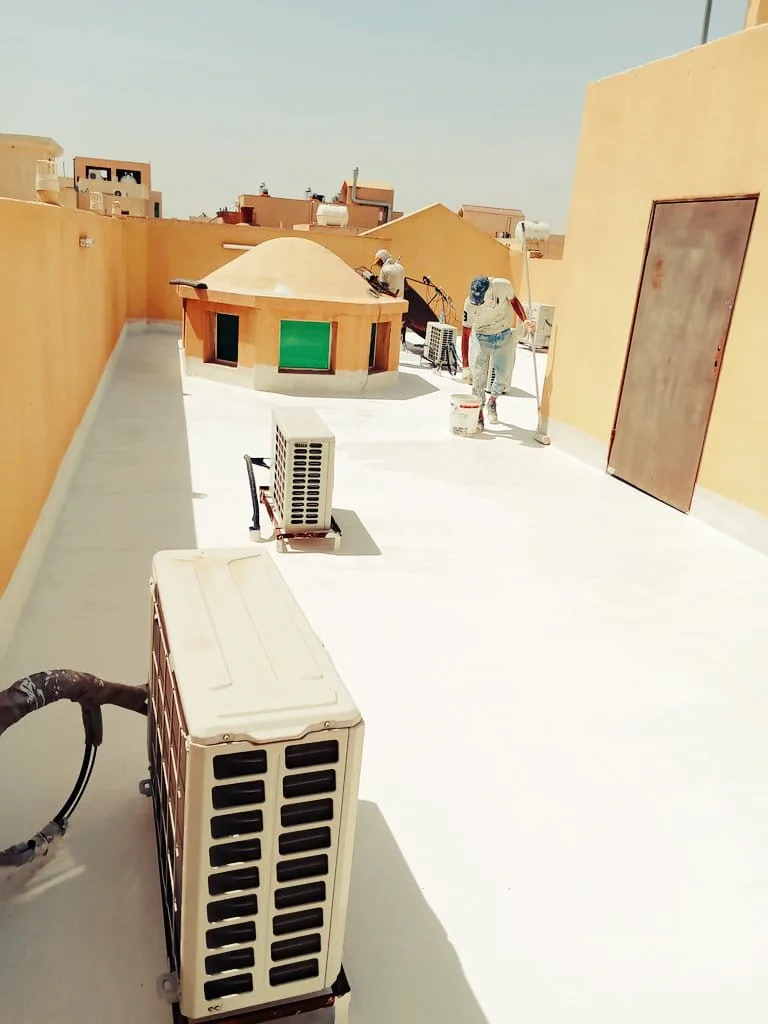
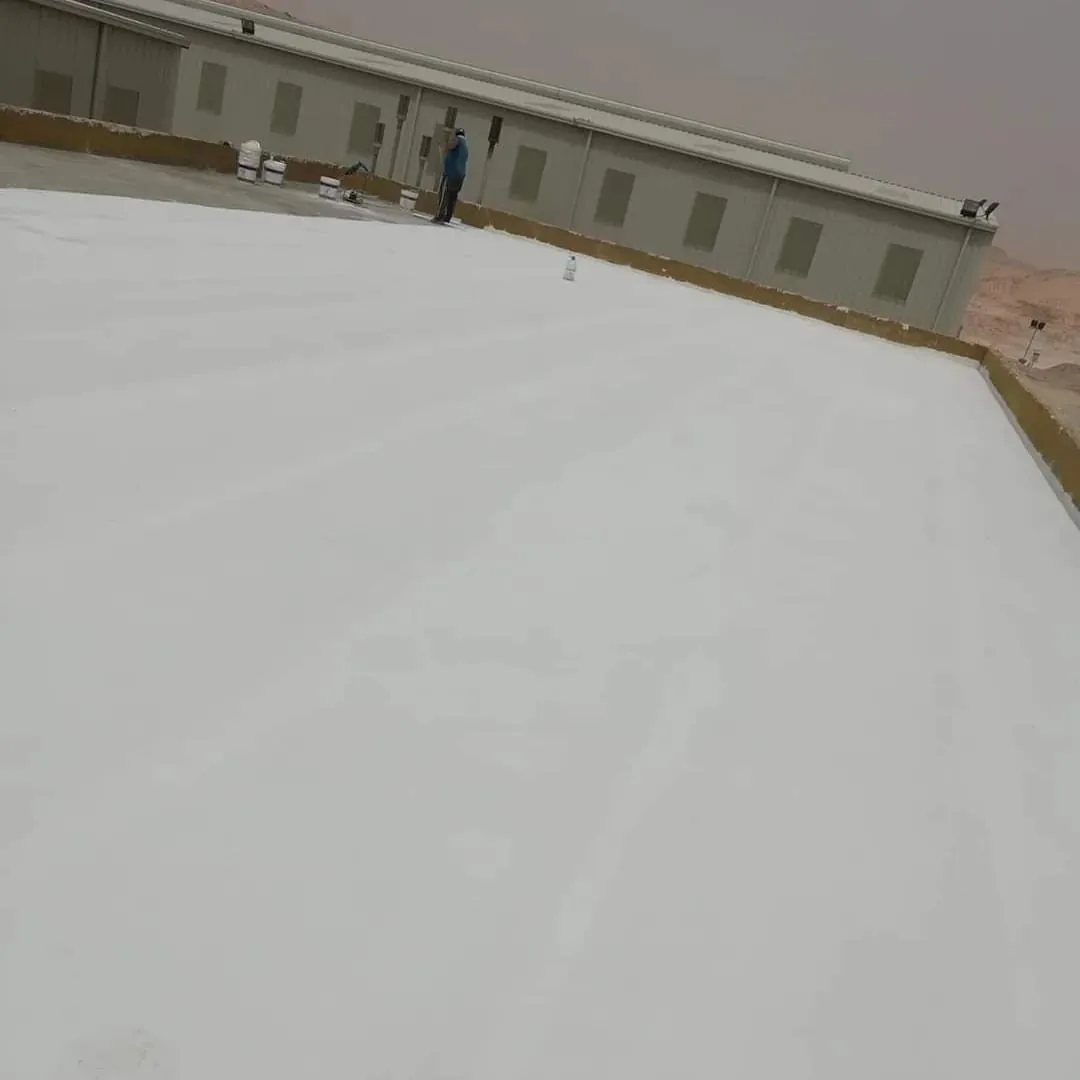
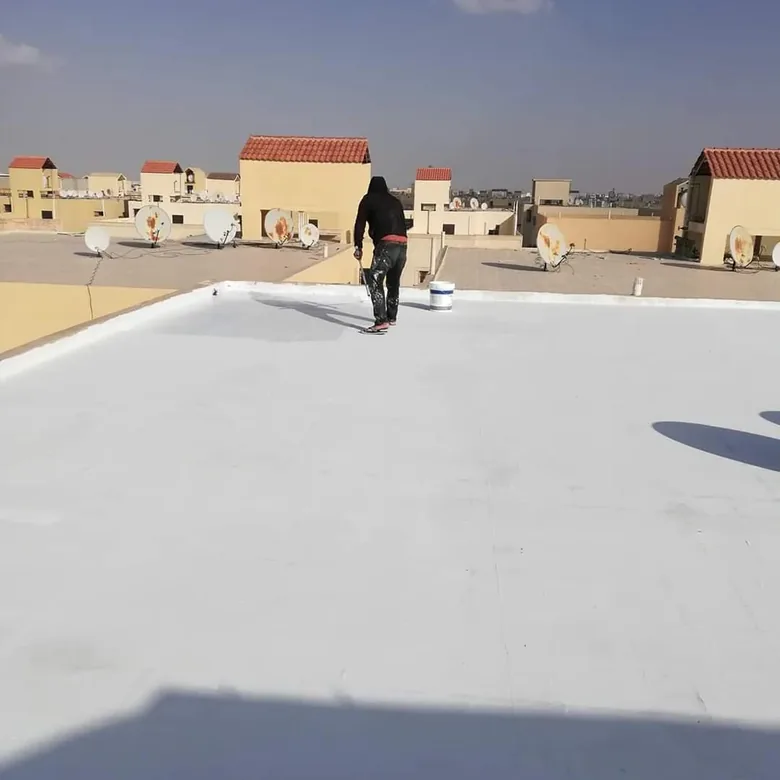
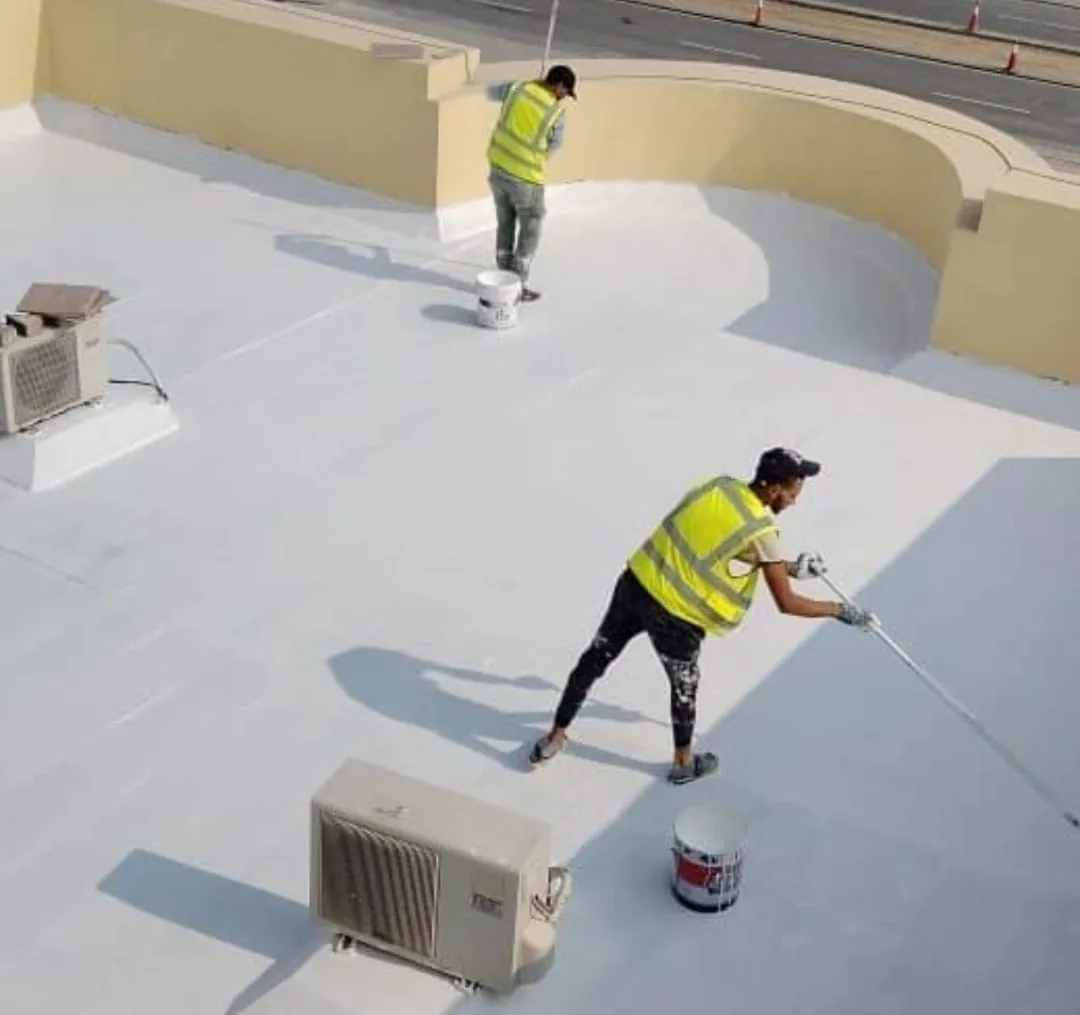
What our customers say
- ★★★★★
شركه ممتازه واشتغلنا معاهم اكثر من مره وجود عاليه ما شاء الله بارك الله فيهم واعمله
- ★★★★★
شغلهم نظيف وسريعين ومحترمين الله يعطيهم العافيه
- ★★★★★
شكراً لخدمتك الجميلة
Reviews are shown as the customers wrote them, in Arabic.
Questions about Damp & moisture detection and treatment in Al Ekhaa
White stains are usually salt deposited from groundwater. This means water is entering the wall from the ground, and even if the water dries, the salt remains and damages paint and structure. The water source must be found and the wall treated.
The walls are checked for the height of damp, how deep the seepage goes into the wall, salt and mould damage, and where water enters from the foundation, floor or pipes, because each source needs different treatment.
When mould returns in the same spot after cleaning and is not linked to a season or poor ventilation, it usually signals ongoing damp in the structure itself rather than passing condensation. Mould in a single corner, along a horizontal line at the base of a wall, or near a hidden water source is worth inspecting to find out what lies beneath it.
White salt marks, or efflorescence, form when water carries salts to the surface, evaporates and leaves them behind. Their presence means water is moving through the wall material continuously, which weakens the plaster over time. Treating damp starts with stopping the water movement before the wall surface is addressed.
Yes. Al Ekhaa is one of our service areas in Al-Ahsa, together with Al Yasmin, Ash Shuruq and Yabrin.
Tell us where the patch is, whether on a wall, ceiling or floor, and whether it is near a bathroom, a kitchen or an outside wall. Tell us if there is a smell, salt or mould with it, when you first noticed it, and whether it changes in size. These details help us decide which inspection suits your case.
More services in Al Ekhaa
Damp & moisture detection and treatment in nearby areas