Damp & moisture detection and treatment in Government Departments
In Government Departments, detecting and treating damp requires accurate diagnosis before starting, because work in an administrative building differs from a home. Al Raya inspects the building with specialised equipment to identify the cause of damp, then treats the leak, moisture and resulting salts.
From your call to the source
- 1
Describe what you see
Tell us where you are in Government Departments and what you notice, by phone or WhatsApp at any hour.
- 2
We inspect with instruments
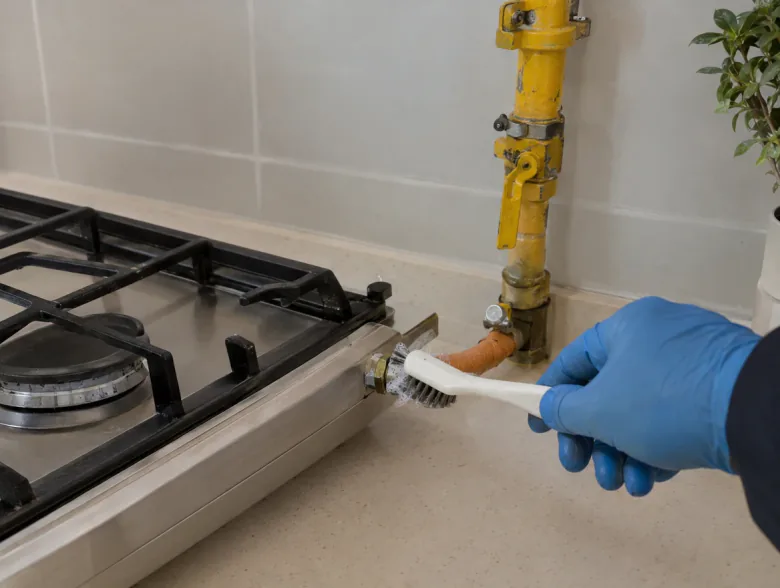
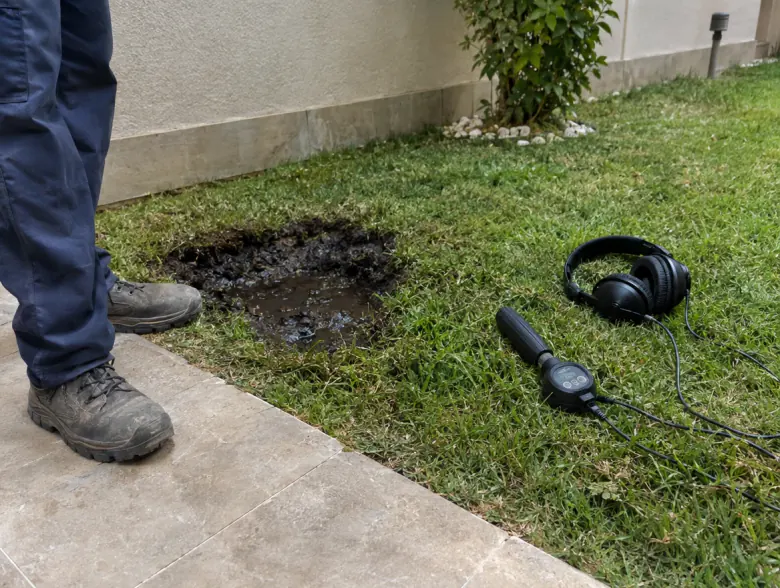
We pass detection instruments over the affected area; thermal and electronic tools show water movement without breaking any surface.
- 3
We identify the source
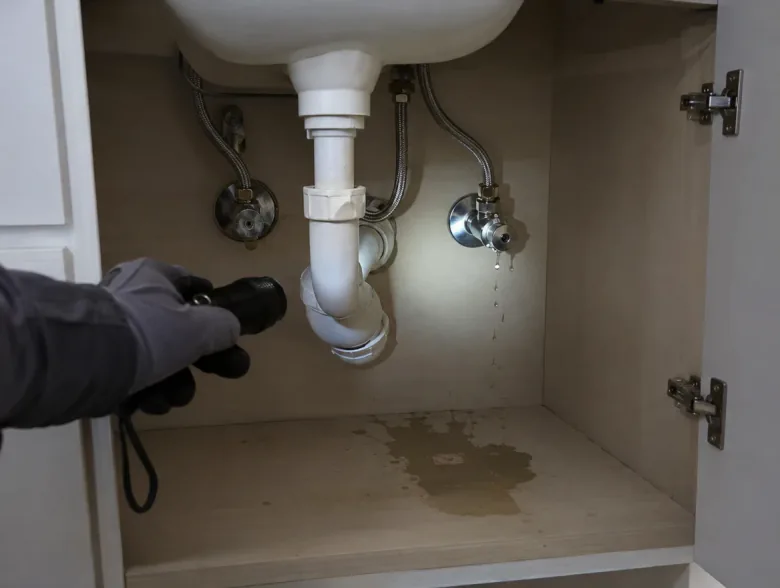
We tell rising ground damp from a hidden pipe leak, condensation and a roof leak apart, because each needs a different treatment.
- 4
Certified report after inspection
You receive the inspection result in writing, with the damp's location and likely cause, and you decide the next step.
Treatment starts with knowing the cause
- Your request from Government Departments reaches us by phone or WhatsApp
- We tell rising damp, a pipe leak and condensation apart
- Certified report after inspection
- We find the source of the damp before any surface treatment
The service in Government Departments
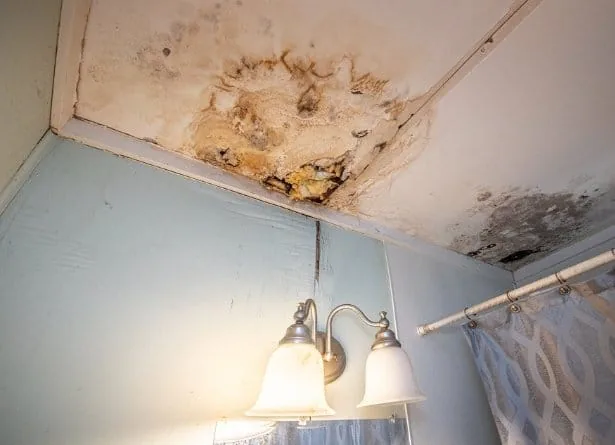
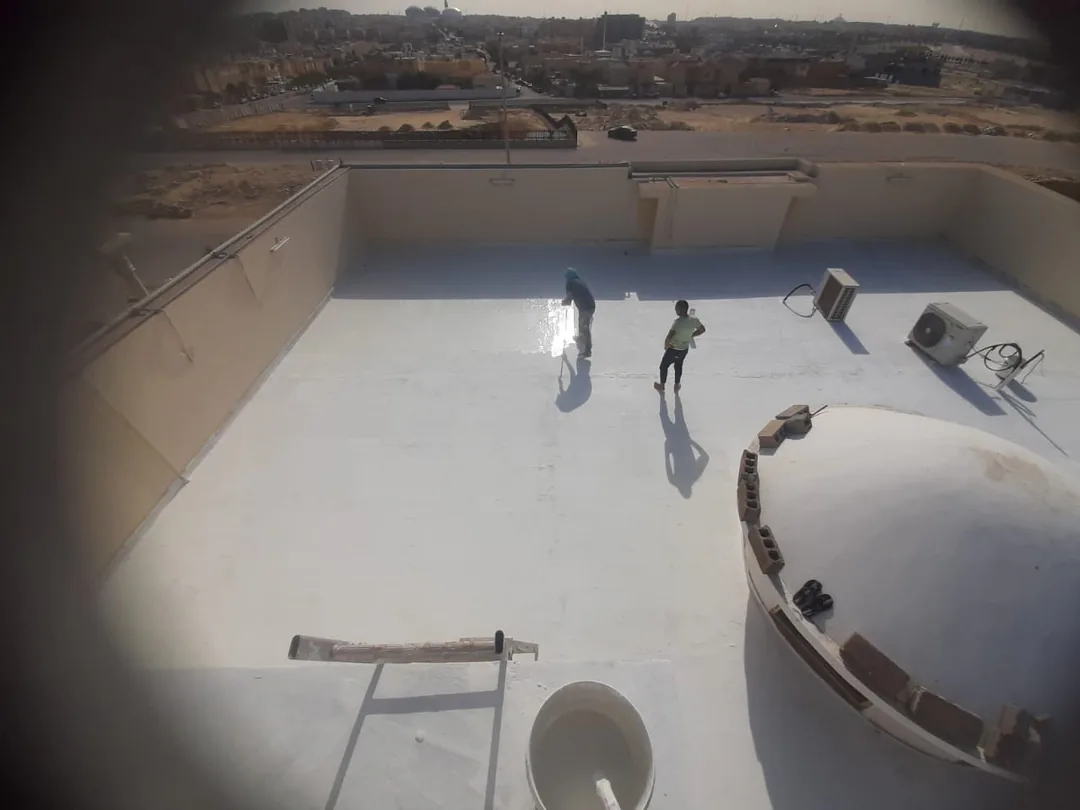
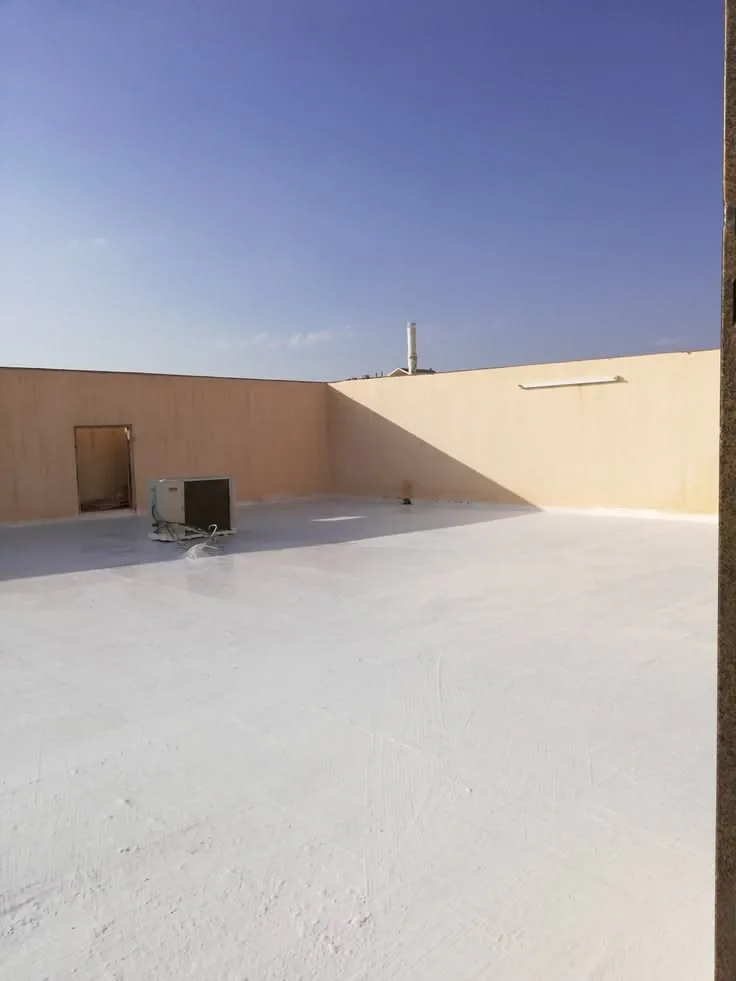
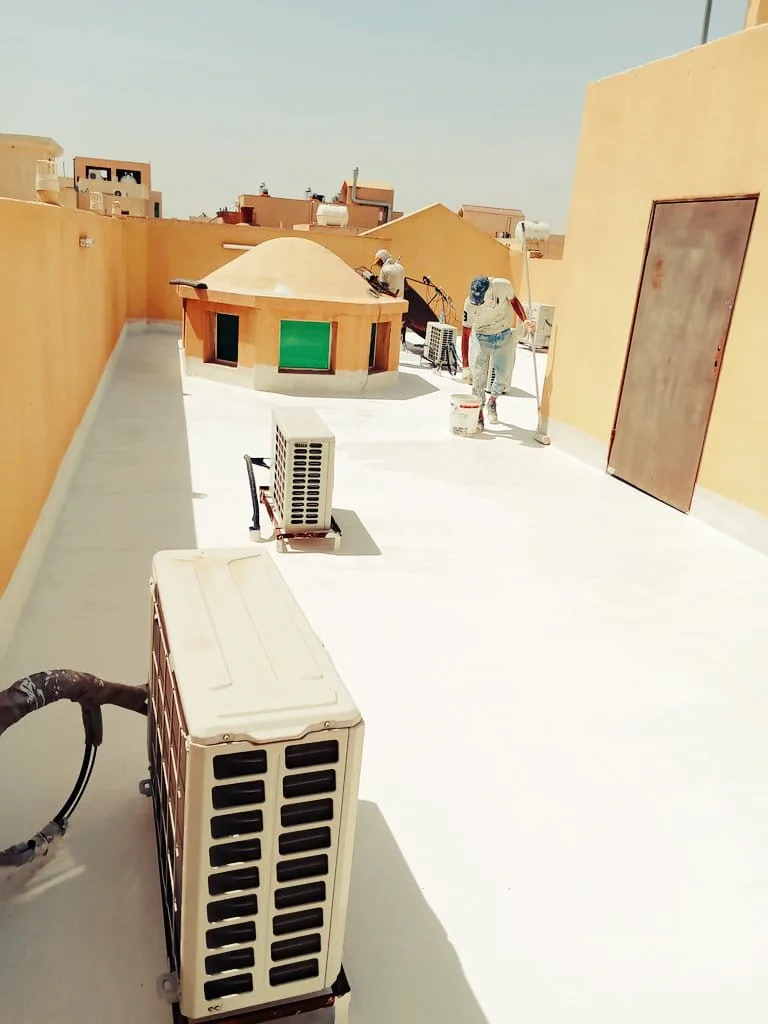
Government buildings in a district like Government Departments are usually large, with flat roofs, water tanks and complex drain networks. Damp in such buildings may come from leaking roofs or tanks or pipes, or from rising water in lower walls. In Al-Ahsa, groundwater is salty, so damp leaves salt marks on walls that weaken paint. Inspection starts from the roof, tanks and drains, then moves to inner and outer walls.
Government Departments is a district in Al-Ahsa governorate in the Eastern Province, close to Yabrin, Ar Rabie and Al Muruj.
Inspection focuses first on the roof, tanks and drains, because most damp in large buildings comes from above.
From Government Departments we also serve the neighbouring areas, such as Yabrin, Ar Rabie and Al Muruj.
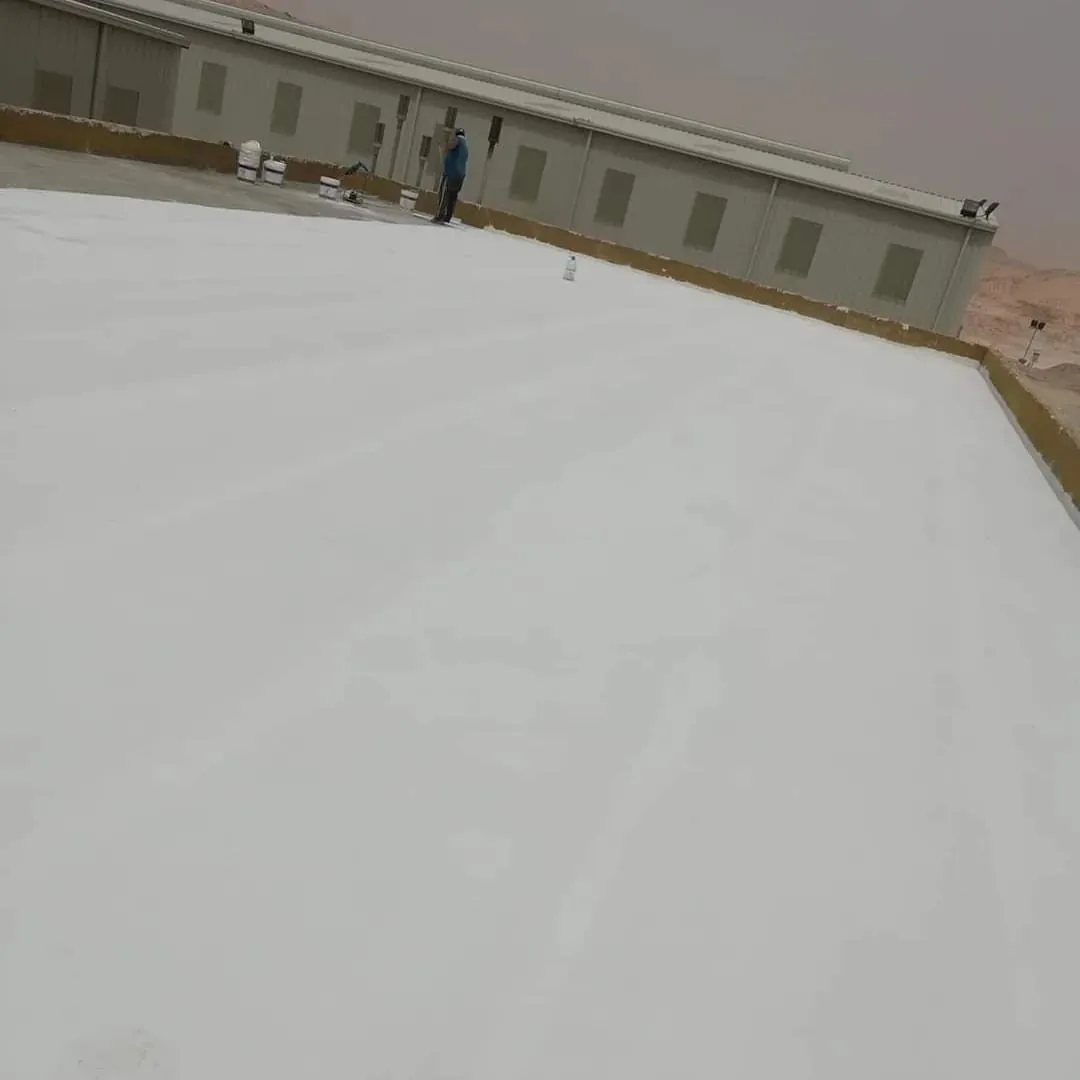
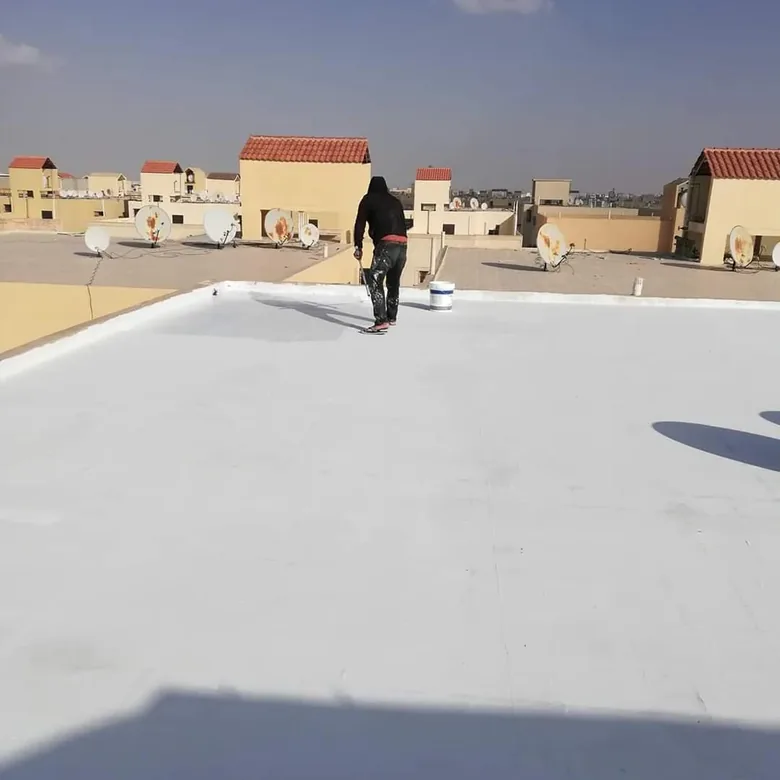
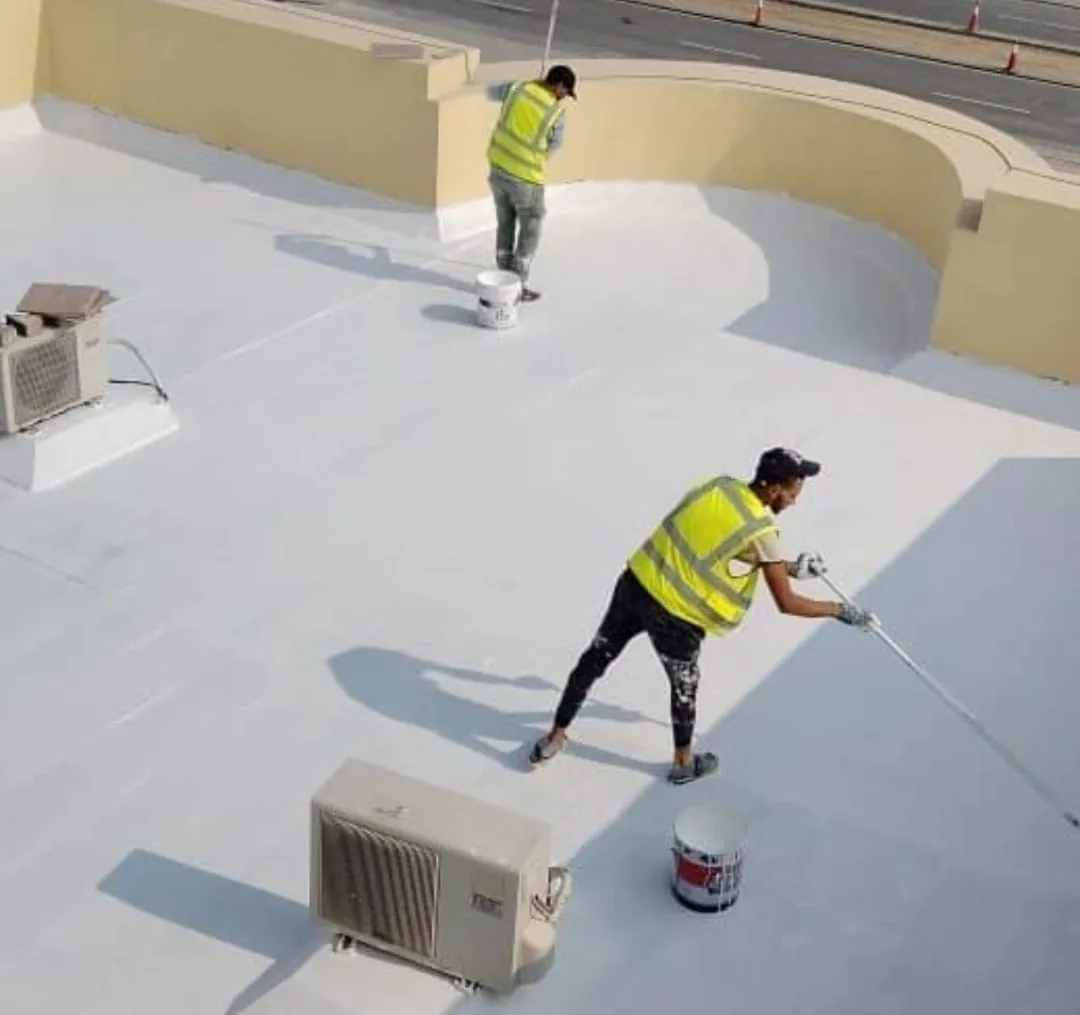
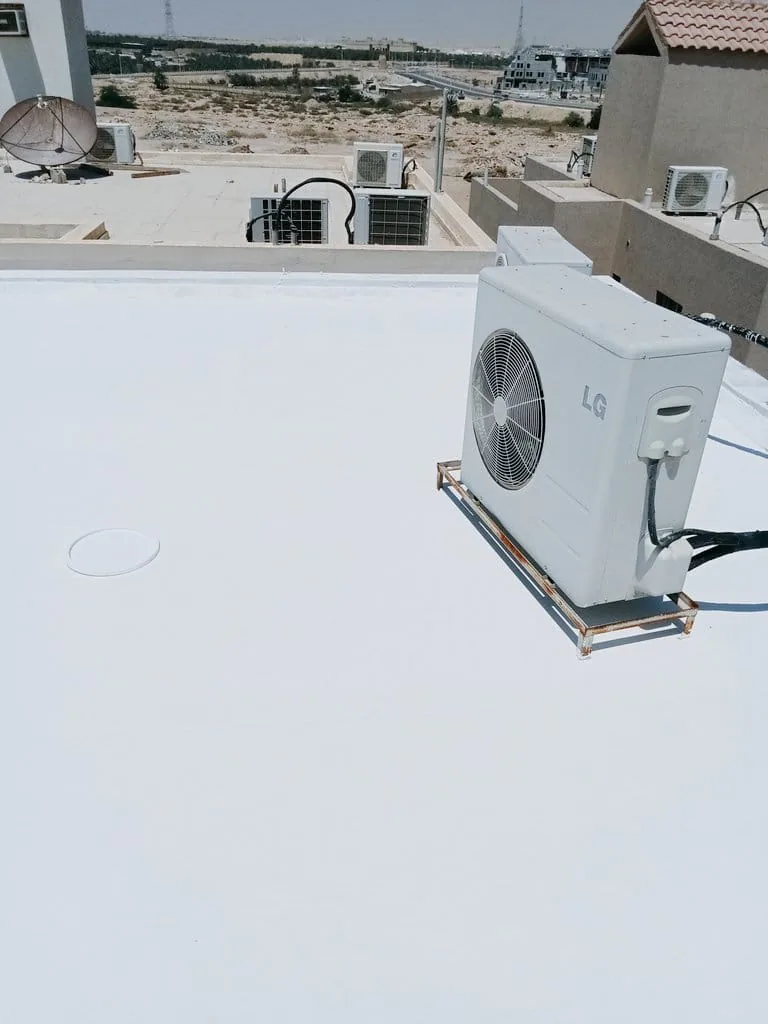
Our portfolio
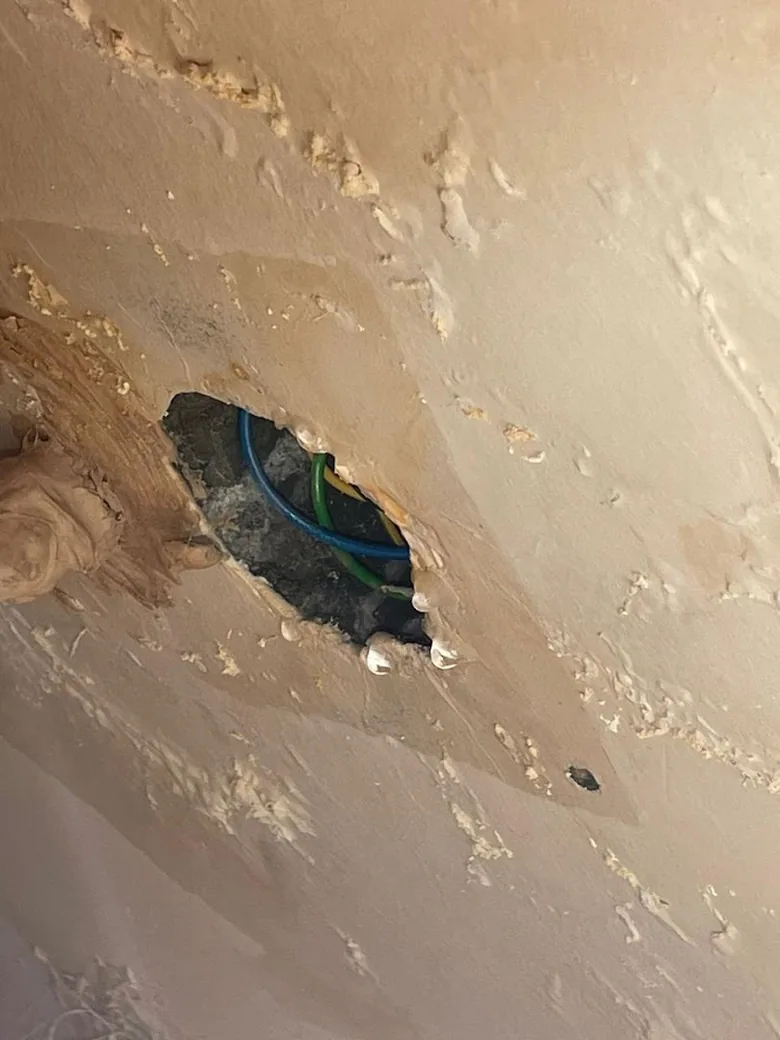
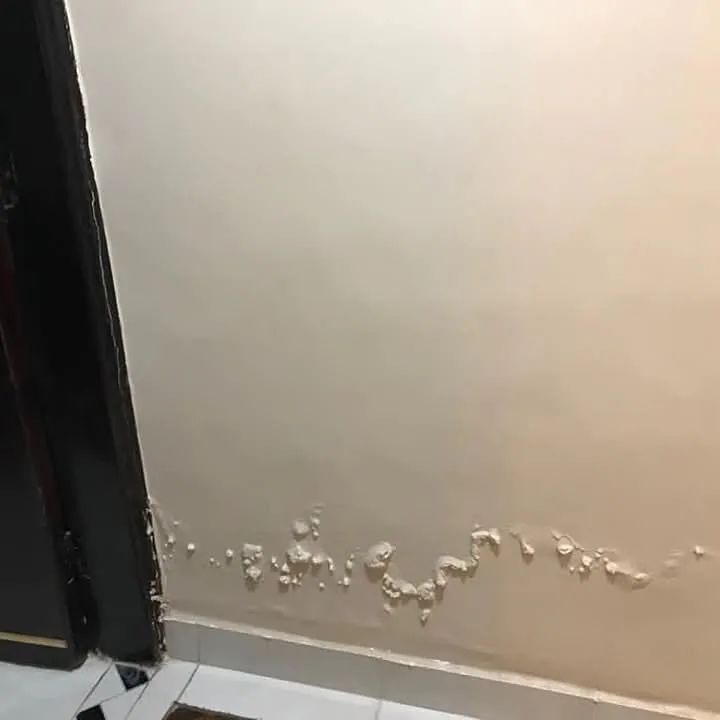
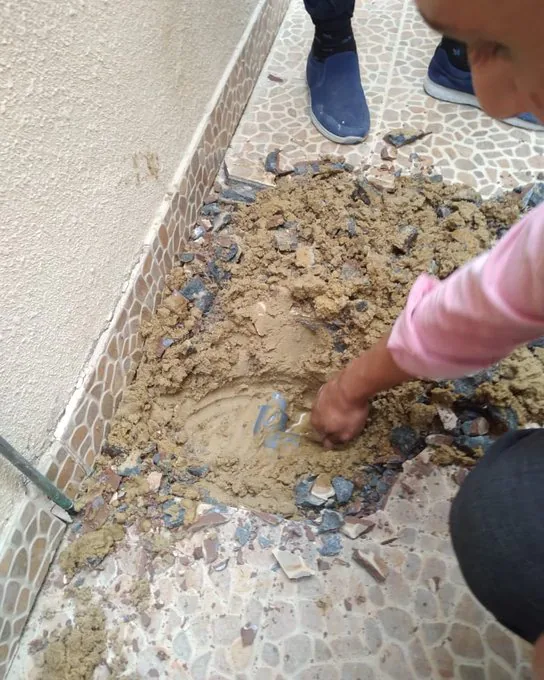
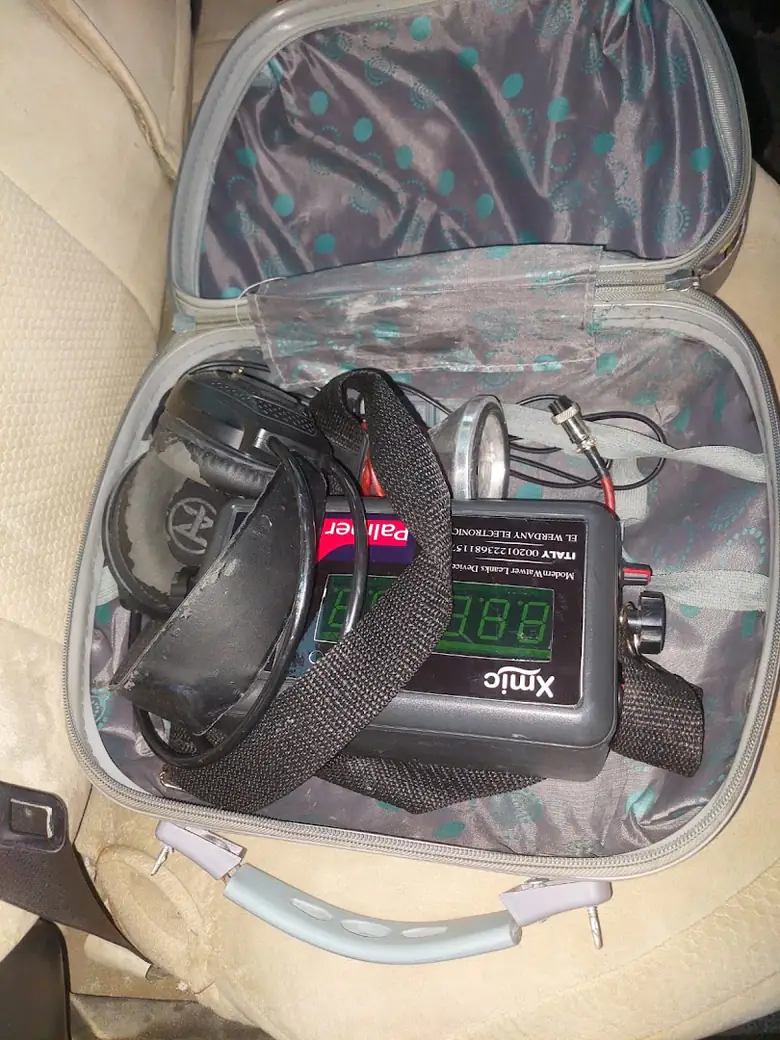
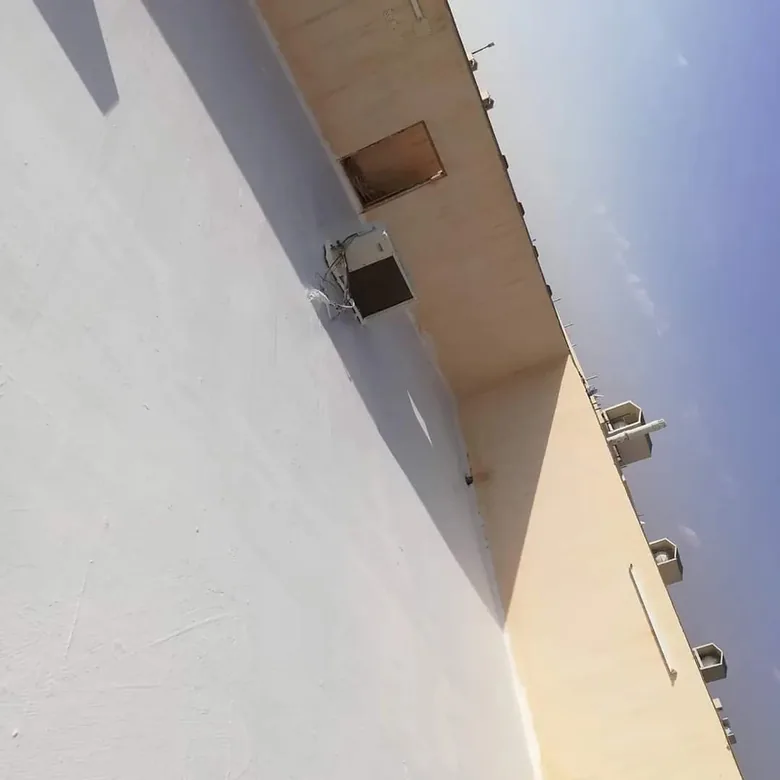
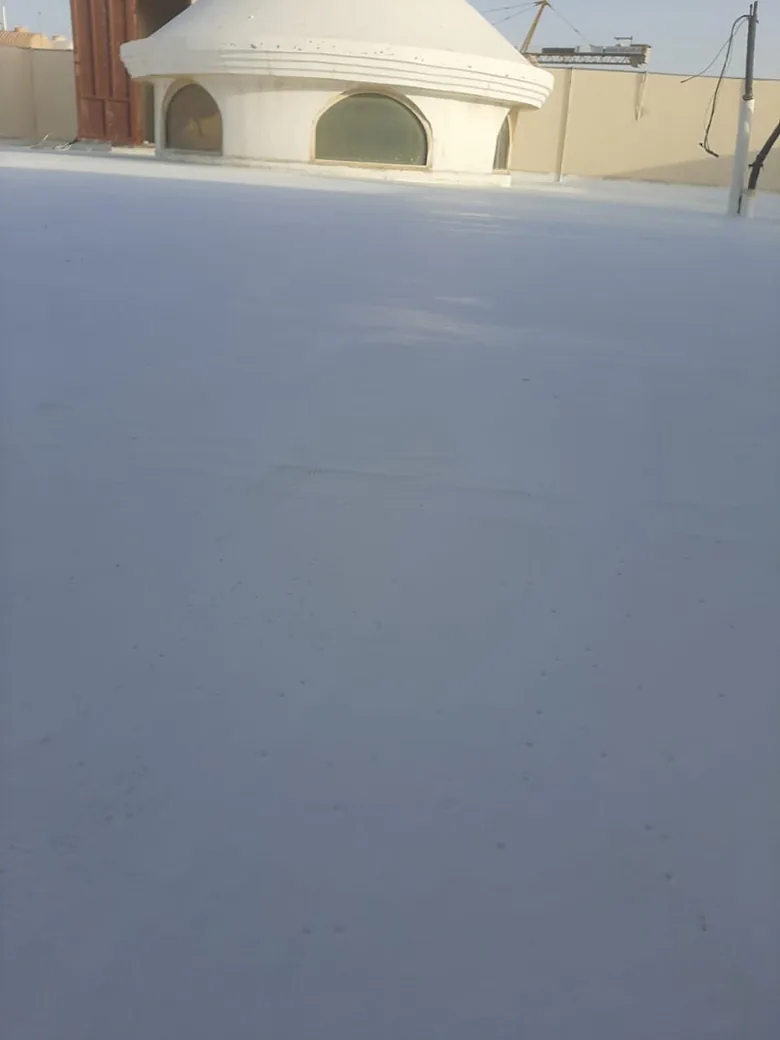
What our customers say
- ★★★★★
شركة ممتازة تستحق التعامل معها بشكل مستمر
- ★★★★★
شغلهم ميه ميه يشكرو عليه
- ★★★★★
شكرا على التواصل وصلو في اسرع وقت ممكن
Reviews are shown as the customers wrote them, in Arabic.
Questions about Damp & moisture detection and treatment in Government Departments
It may come from leaks in the roof or tanks above the corridors, from blocked or leaking drain pipes, or from rising water in lower walls, and thorough inspection identifies the source.
Tell it which sections have damp, whether the stains are near the roof or the ground, if there is a musty smell, whether walls have cracks or peeling paint, and send photos of affected areas.
Yes. We provide damp & moisture detection and treatment in Government Departments, and we also reach Yabrin, Ar Rabie and Al Muruj, and every city and centre of Al-Ahsa.
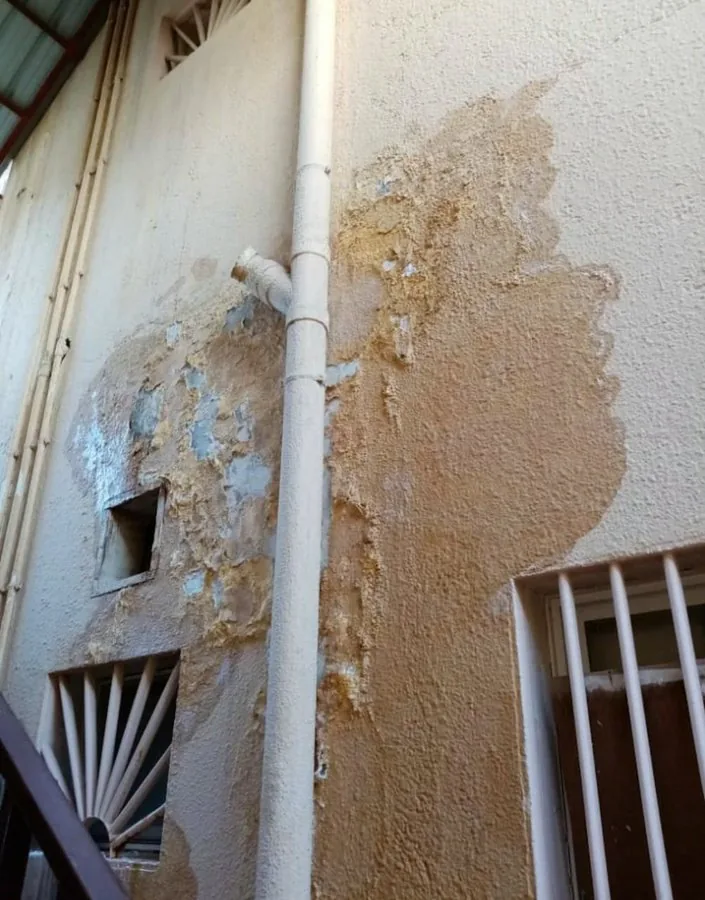
White salt marks, or efflorescence, form when water carries salts to the surface, evaporates and leaves them behind. Their presence means water is moving through the wall material continuously, which weakens the plaster over time. Treating damp starts with stopping the water movement before the wall surface is addressed.
Because the paint covers the surface but does not stop the water behind it. As long as the source, whether a leak, rising damp or condensation, is still active, moisture finds its way through again. Proper damp treatment starts with knowing where the water comes from, then stopping the source, then treating the damaged surface.
Yes. A musty smell means moisture has reached a point where micro-organisms are growing, and the patch may be behind the wall or under the tiles where you cannot see it. Waiting for a visible mark means the damage is spreading in the hidden area. Early inspection finds the source of the smell and reduces what needs treatment.
More services in Government Departments