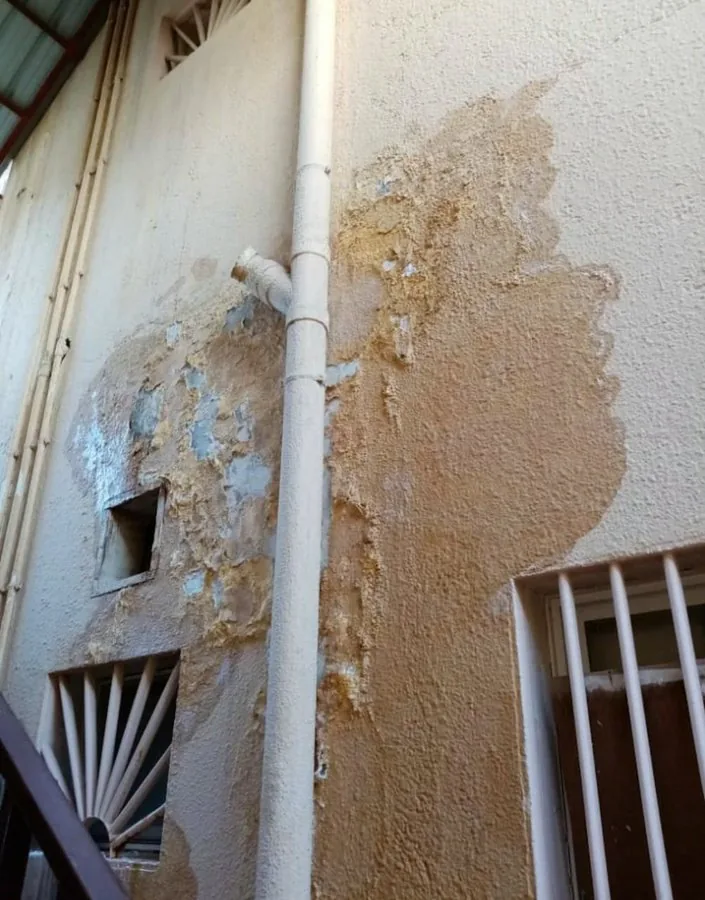
Damp & moisture detection and treatment in Al Majidiyah District
Finding and treating damp in Al Majidiyah District starts with careful inspection of walls and ceiling using instruments to find the water source, because visible damp may hide deeper problems beneath. Homes in a district like Al Majidiyah often suffer from lower wall damp and groundwater salt because Al-Ahsa has salty groundwater, or from roofs that lack adequate thermal and water insulation.
From your call to the source
- 1
Describe what you see
Tell us where you are in Al Majidiyah District and what you notice, by phone or WhatsApp at any hour.
- 2
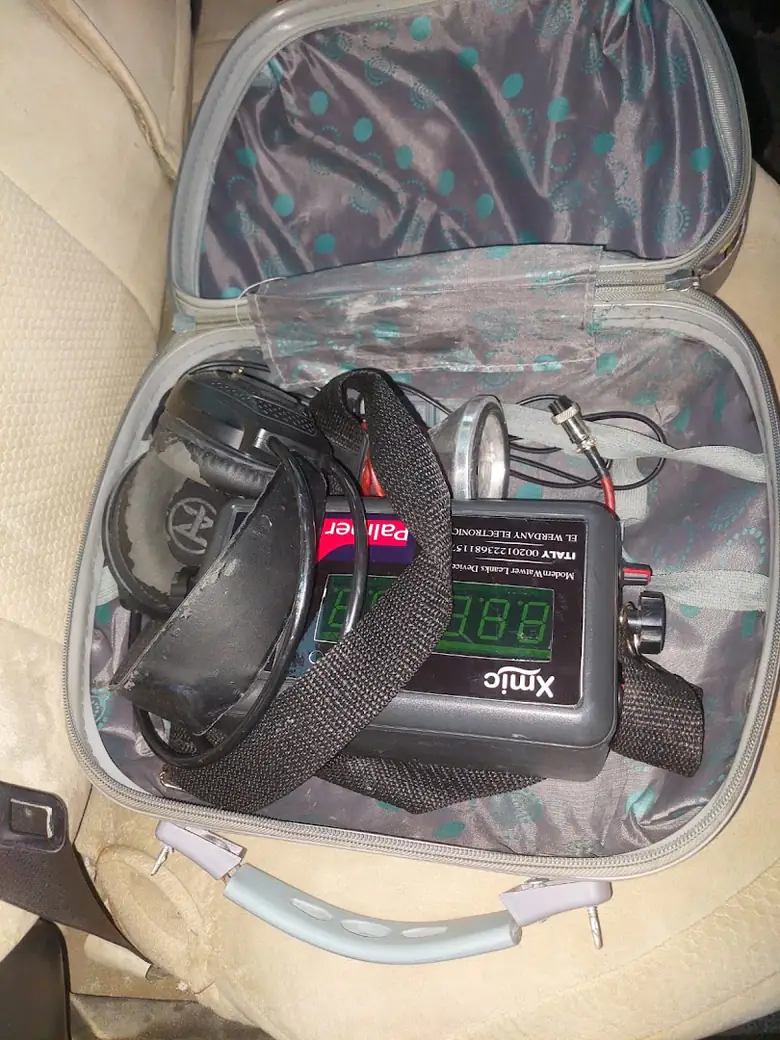
We inspect with instruments
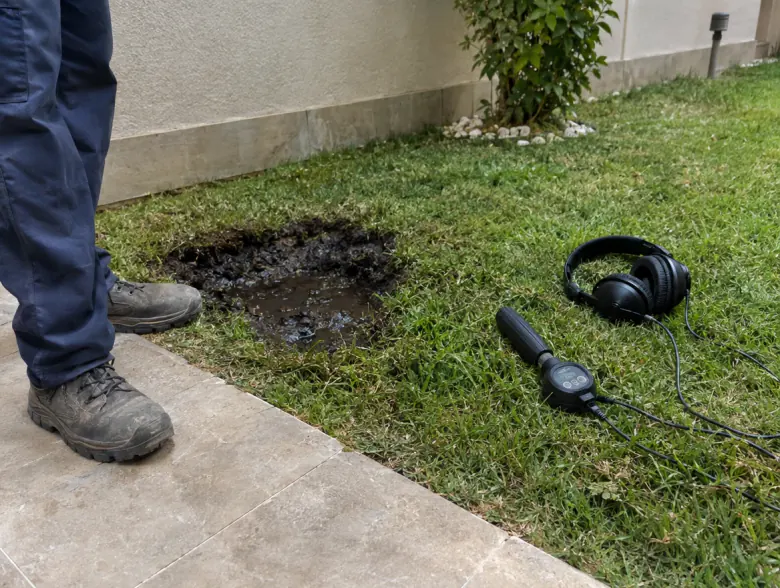
We pass detection instruments over the affected area; thermal and electronic tools show water movement without breaking any surface.
- 3
We identify the source
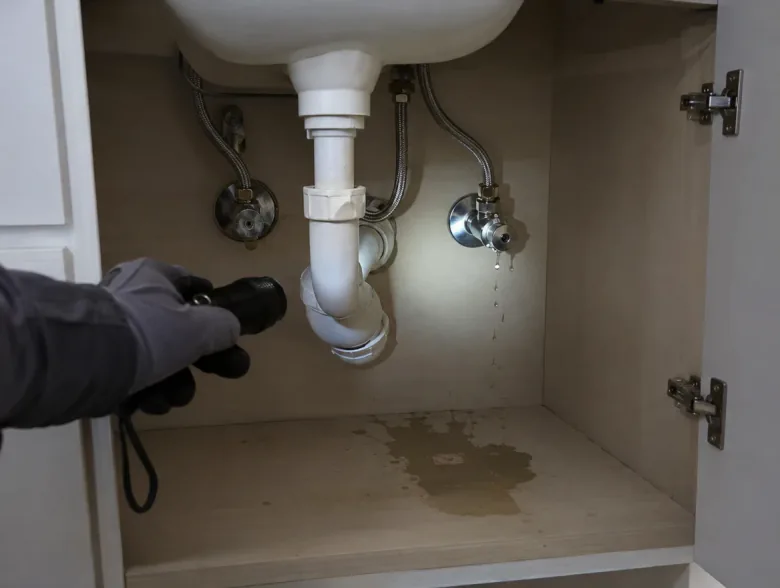
We tell rising ground damp from a hidden pipe leak, condensation and a roof leak apart, because each needs a different treatment.
- 4
Certified report after inspection
You receive the inspection result in writing, with the damp's location and likely cause, and you decide the next step.
Treatment starts with knowing the cause
- Your request from Al Majidiyah District reaches us by phone or WhatsApp
- We tell rising damp, a pipe leak and condensation apart
- Certified report after inspection
- We take your request by phone call or WhatsApp message
The service in Al Majidiyah District
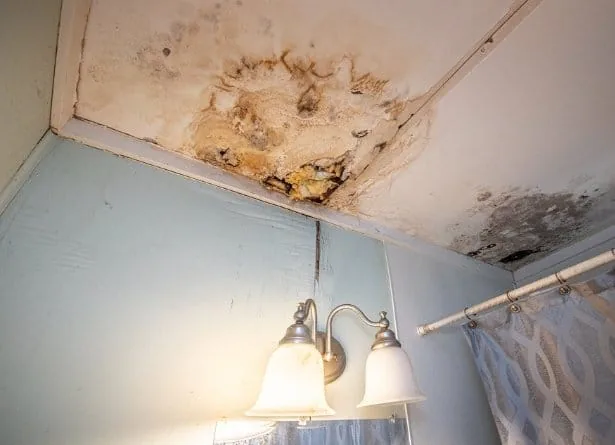
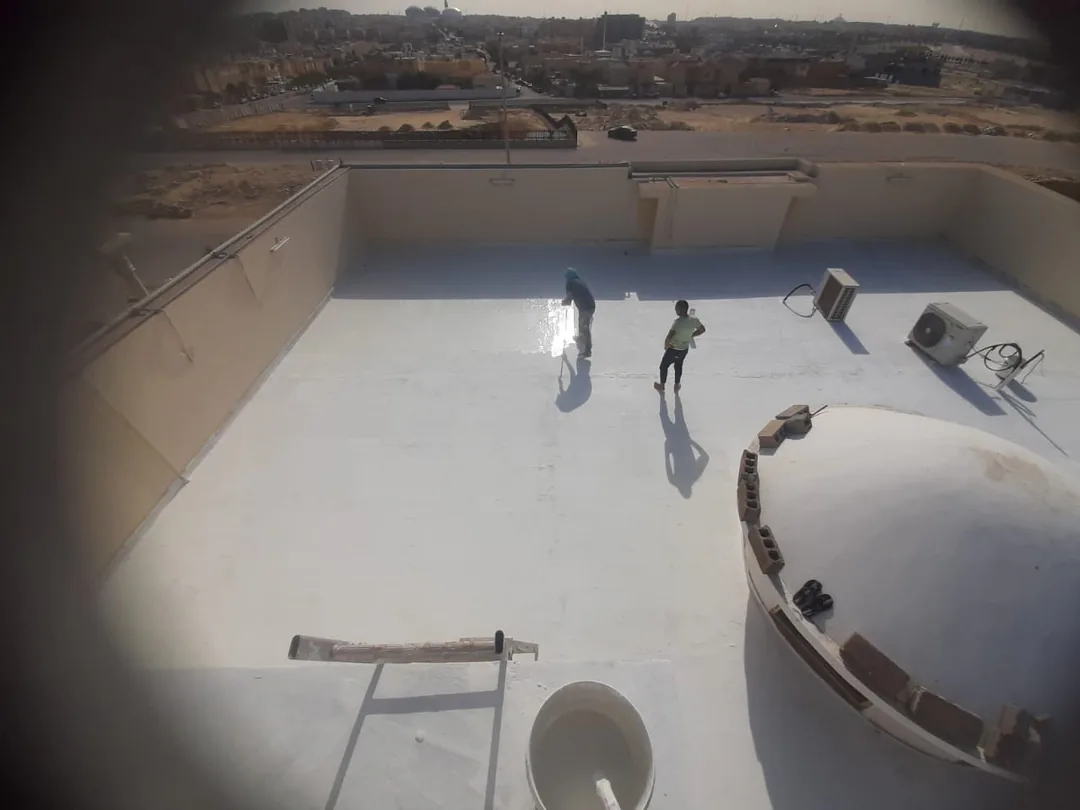
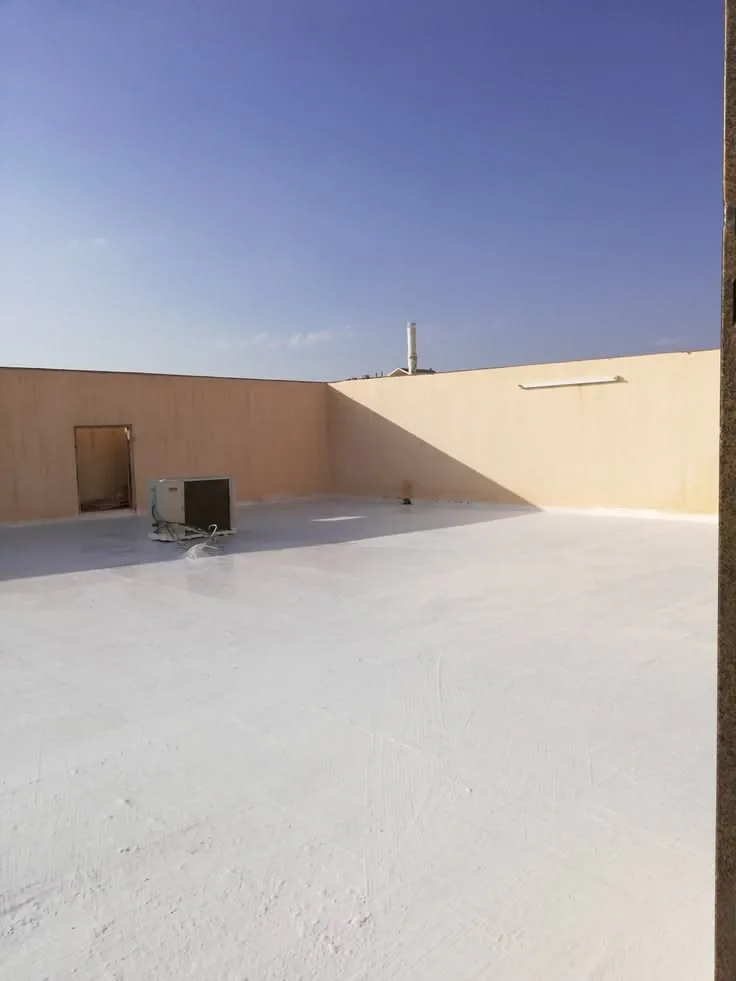
In Al Majidiyah District, homes may complain of moisture stains on lower walls and corners and musty smell in lower rooms, because Al-Ahsa has salty groundwater underneath that rises through the soil and foundation. Damp may also come from damp home roofs or roofs not insulated with foam, bitumen or epoxy, or from cracks and joints in walls and ceiling, or from leaking pipes that may be hidden. The technician first checks walls, ceiling, joints and damp areas with non-destructive instruments, and pinpoints the water source before choosing the right treatment.
Al Majidiyah District is a district in Al-Ahsa governorate in the Eastern Province, close to Ar Rabwah District, Al Badriyah District and Al Muhandisin District.
White salt on lower walls and musty smell in lower floors are the first signs of damp from salty groundwater.
From Al Majidiyah District we also serve the neighbouring areas, such as Ar Rabwah District, Al Badriyah District and Al Muhandisin District.
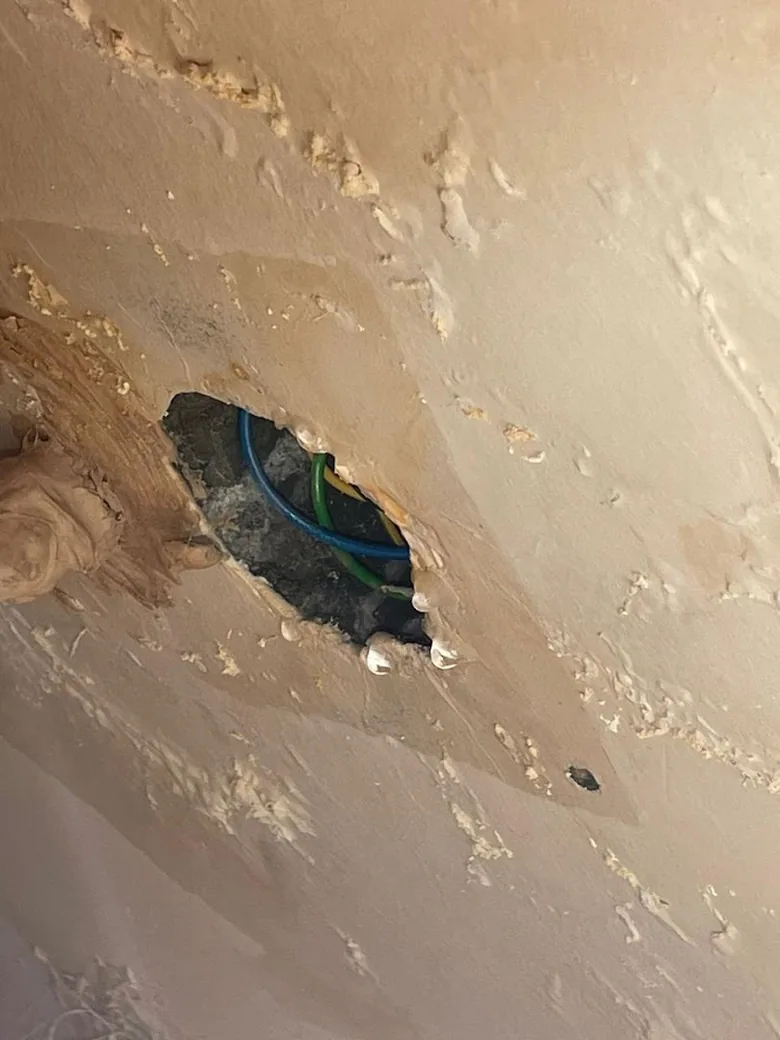
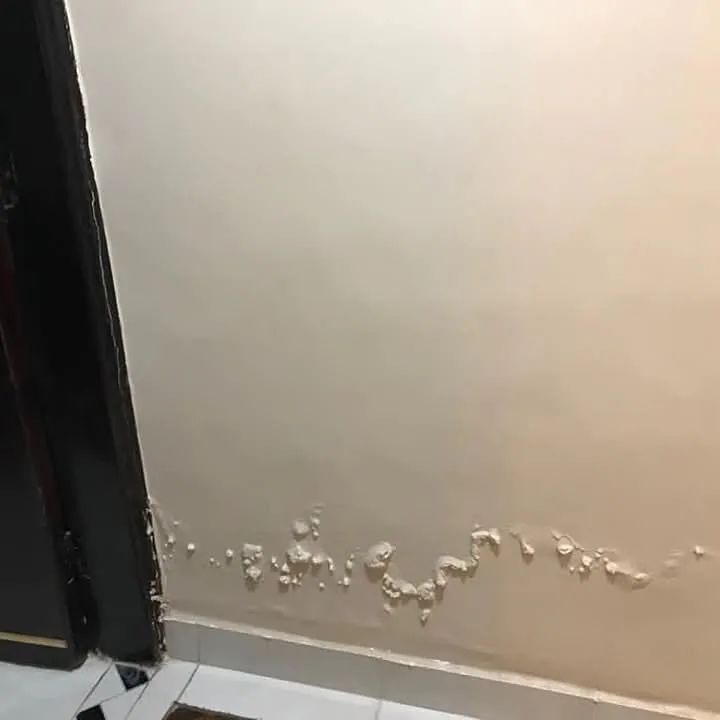
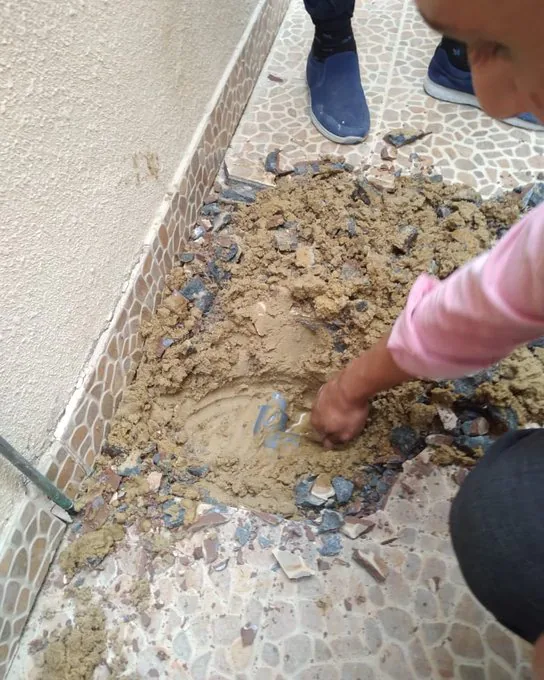
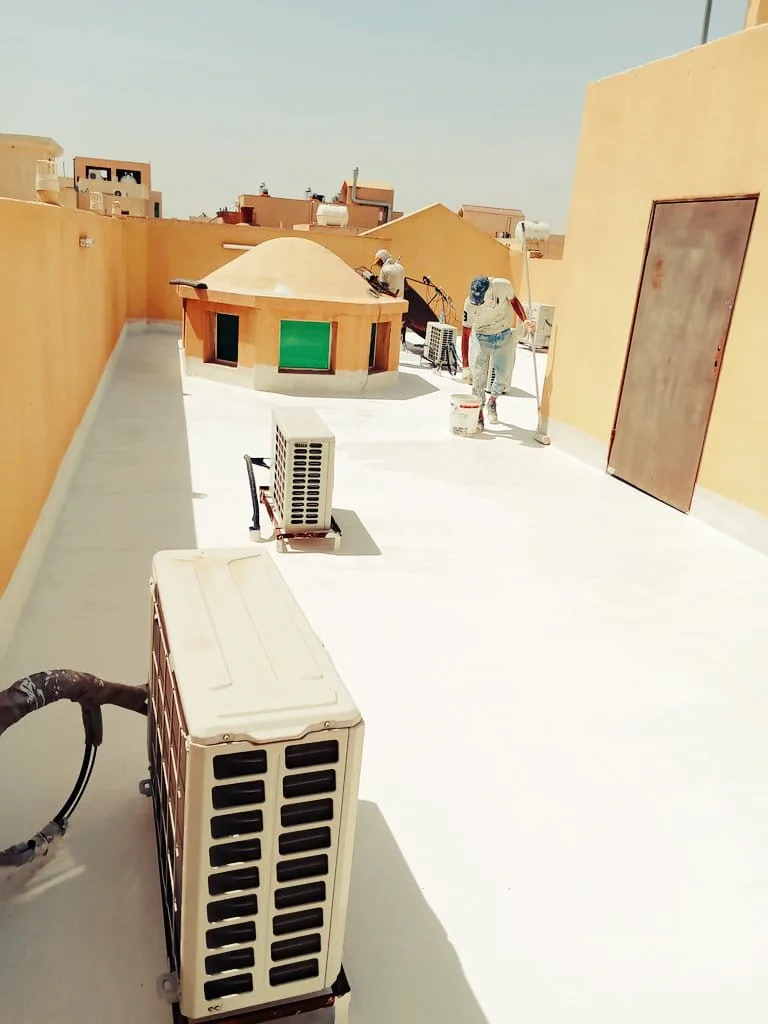
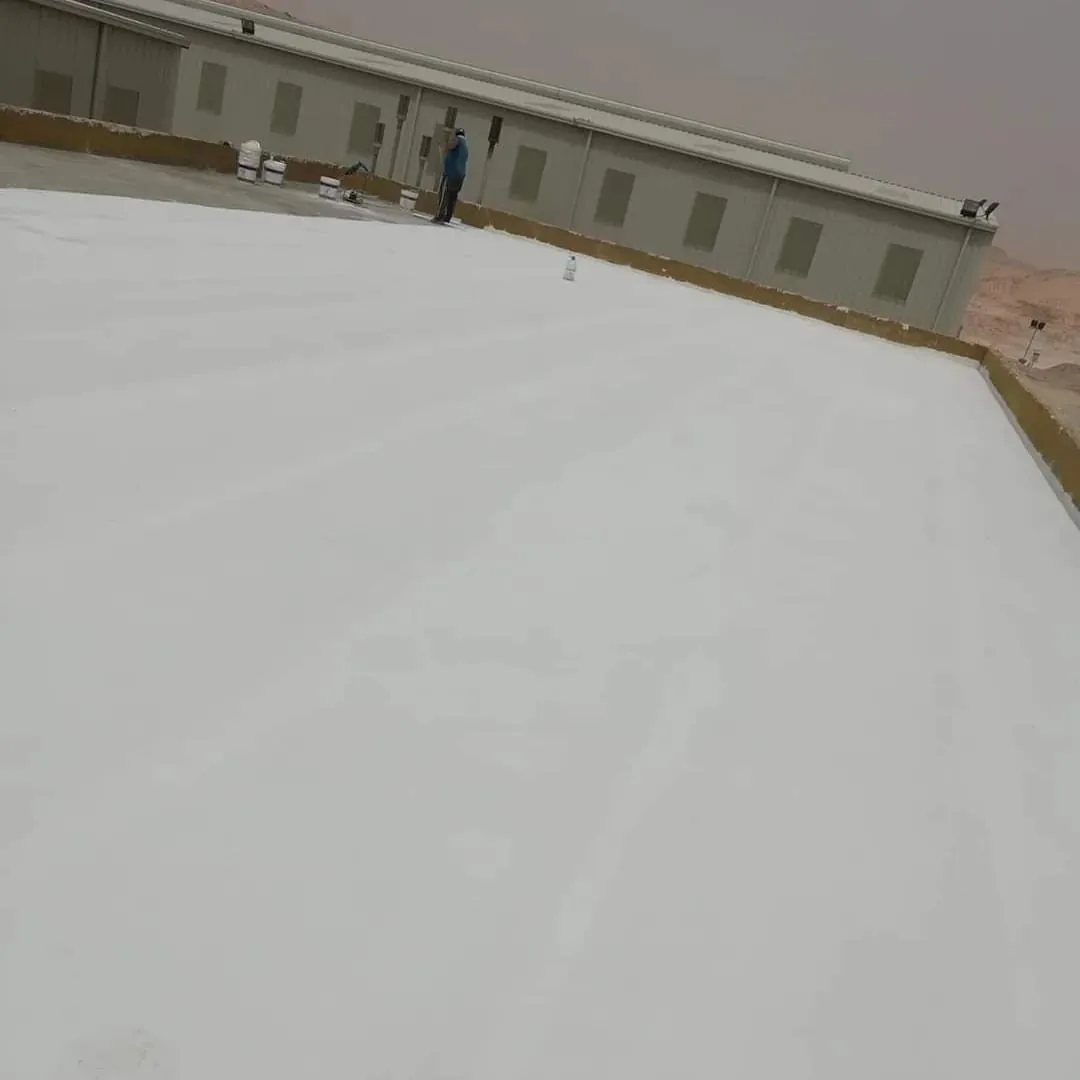
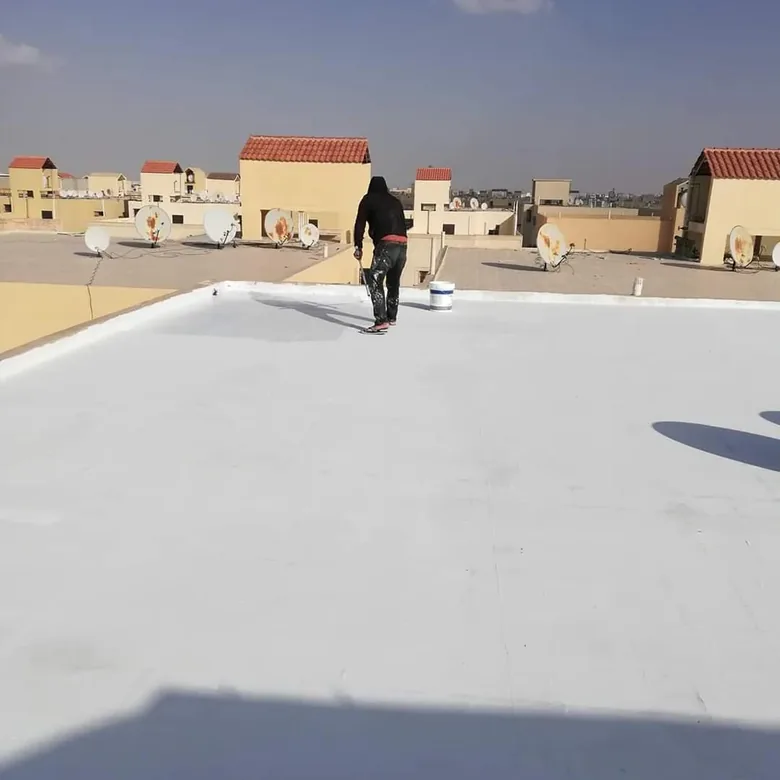
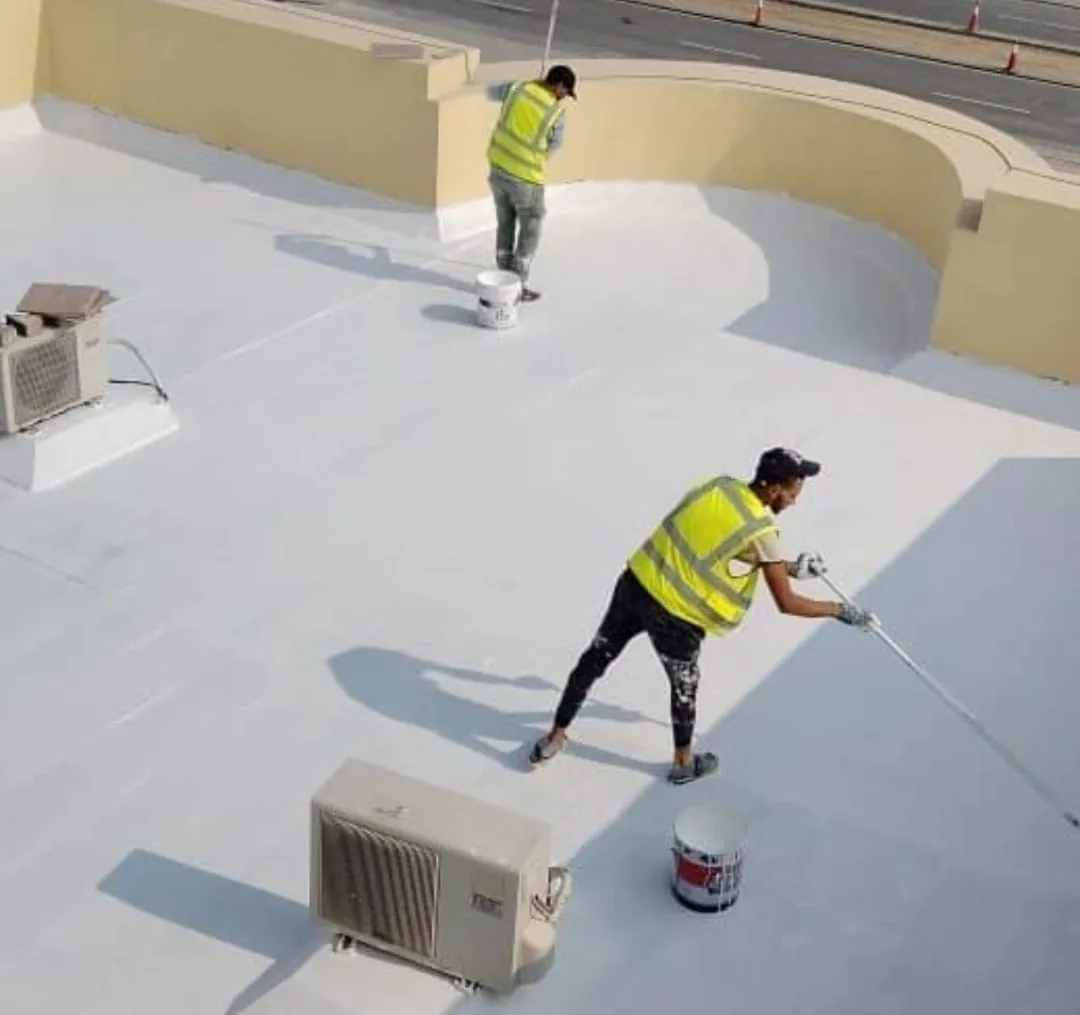
Our portfolio
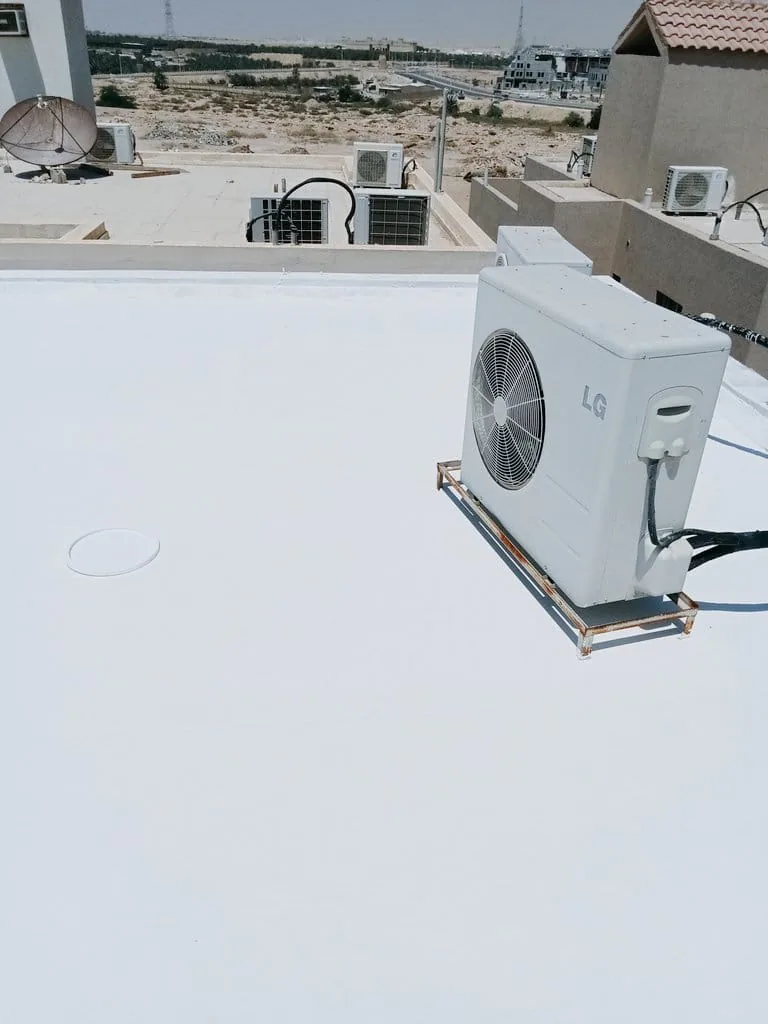
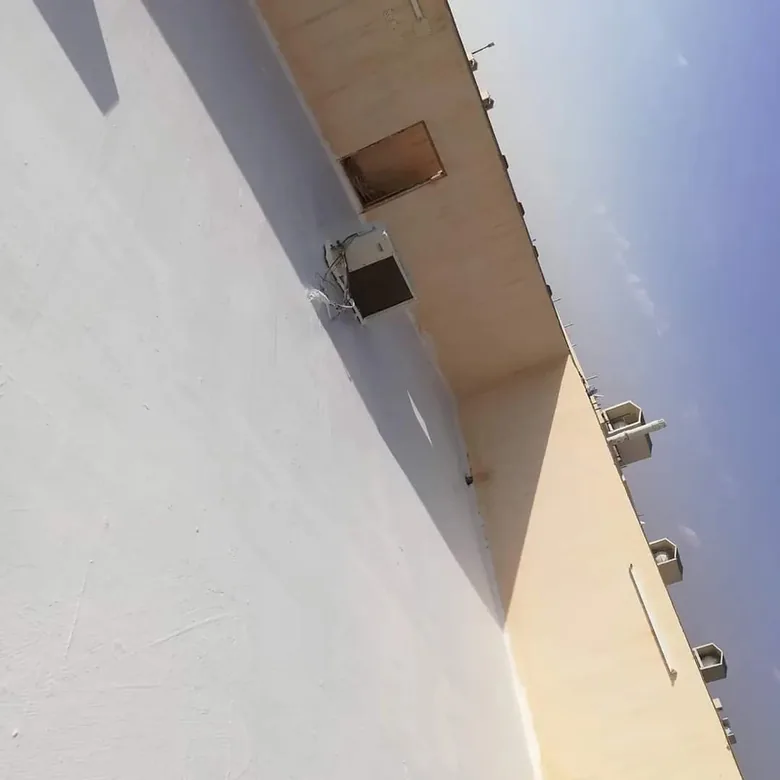
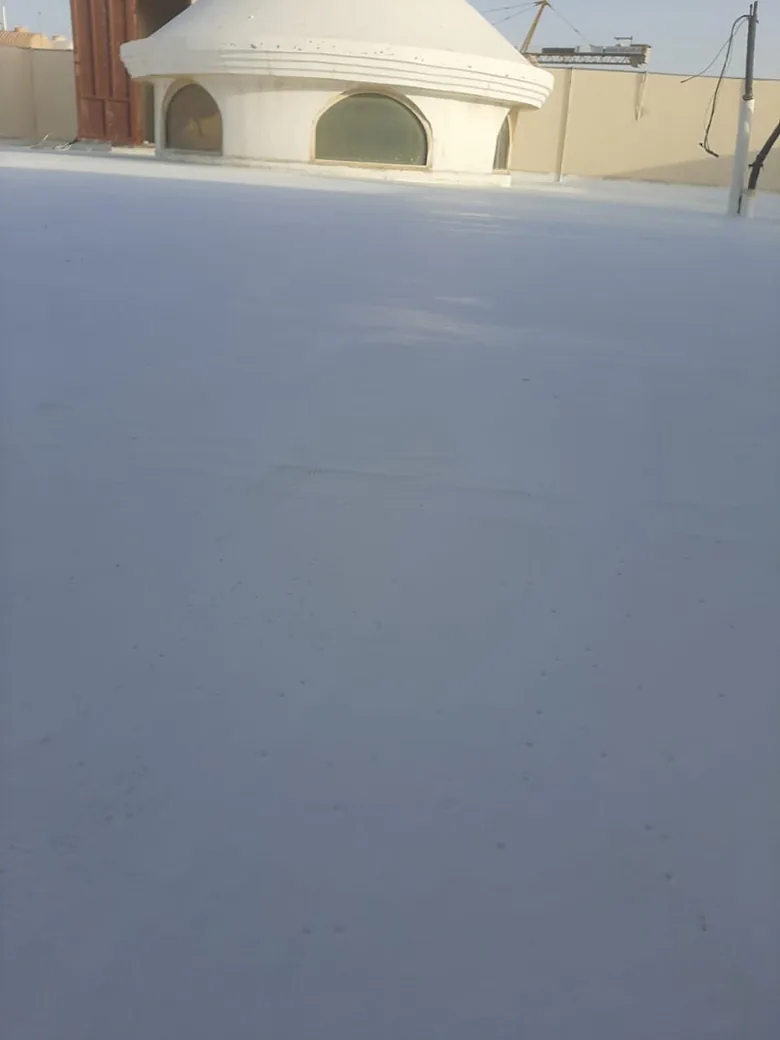
What our customers say
- ★★★★★
شركه ممتازه
- ★★★★★
شركة ممتازة تستحق التعامل معها بشكل مستمر
- ★★★★★
شركه ممتازه واشتغلنا معاهم اكثر من مره وجود عاليه ما شاء الله بارك الله فيهم واعمله
Reviews are shown as the customers wrote them, in Arabic.
Questions about Damp & moisture detection and treatment in Al Majidiyah District
The lower walls, corners, areas around the foundation, joints and ceiling are checked, and instruments are used to pinpoint water without breaking walls. The roof, pipes and condition of any existing insulation are also checked.
Yes, if you treat without understanding the real cause, the stains may disappear temporarily then return. That is why the first inspection is essential to pinpoint the water source precisely: whether from below, from the roof, from pipes or from joints.
When mould returns in the same spot after cleaning and is not linked to a season or poor ventilation, it usually signals ongoing damp in the structure itself rather than passing condensation. Mould in a single corner, along a horizontal line at the base of a wall, or near a hidden water source is worth inspecting to find out what lies beneath it.
Rising damp usually appears at the lower part of the wall and is often accompanied by white salt marks; it tends to worsen in humid periods. A pipe leak can appear anywhere on the wall, and you may hear a faint sound of water or notice a higher water bill. Instrument inspection is what tells them apart reliably.
Yes. We provide damp & moisture detection and treatment in Al Majidiyah District, and we also reach Ar Rabwah District, Al Badriyah District and Al Muhandisin District, and every city and centre of Al-Ahsa.
Condensation forms on cold surfaces when the air is warm and humid, and it feeds mould if it stays long enough. It tends to appear at corners, windows and surfaces exposed to air. A leak appears at a fixed point and does not change when you ventilate the room. In many cases the source is a combination of both, and instrument inspection identifies it accurately.
More services in Al Majidiyah District
Damp & moisture detection and treatment in nearby areas