Damp & moisture detection and treatment in Ar Rabwah District
Damp and moisture detection and treatment in Ar Rabwah District starts by finding where the water comes from that dampens walls or ceilings. Al Raya inspects walls, joints and foundations without breaking anything, then treats the cause before damp returns.
From your call to the source
- 1
Describe what you see
From Ar Rabwah District, one call or WhatsApp message at any hour is enough: tell us what you see and where it shows.
- 2
We inspect with instruments
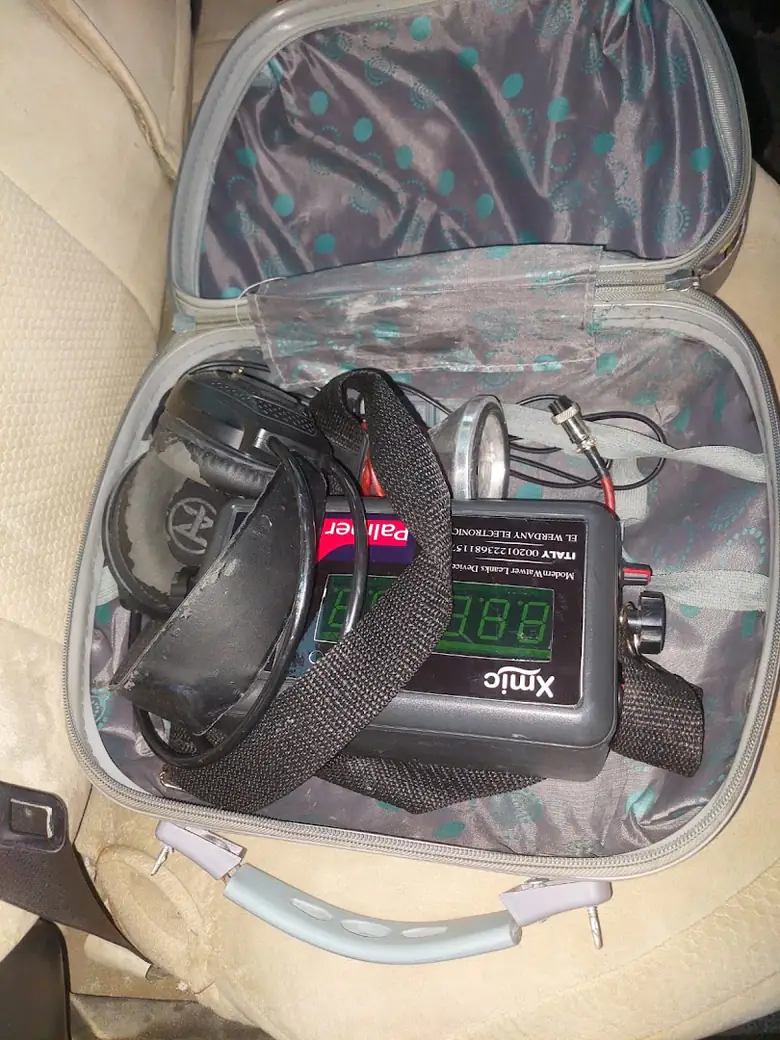
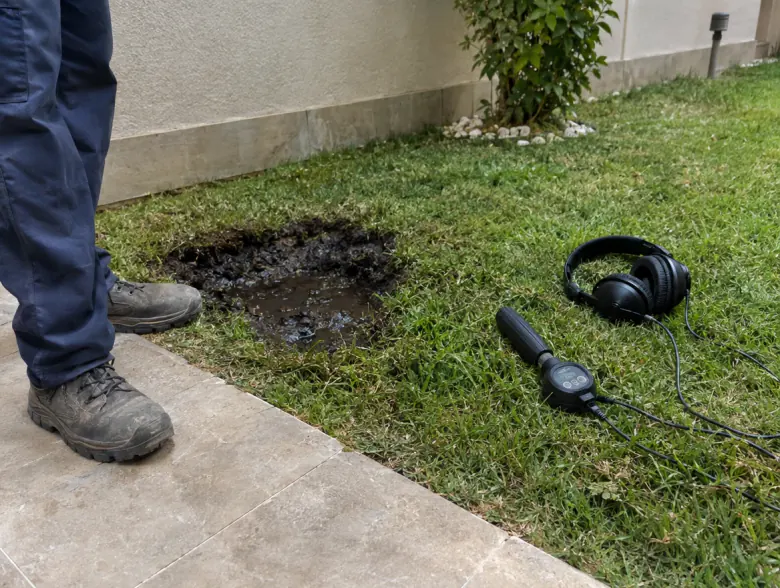
We pass detection instruments over the affected area; thermal and electronic tools show water movement without breaking any surface.
- 3
We identify the source
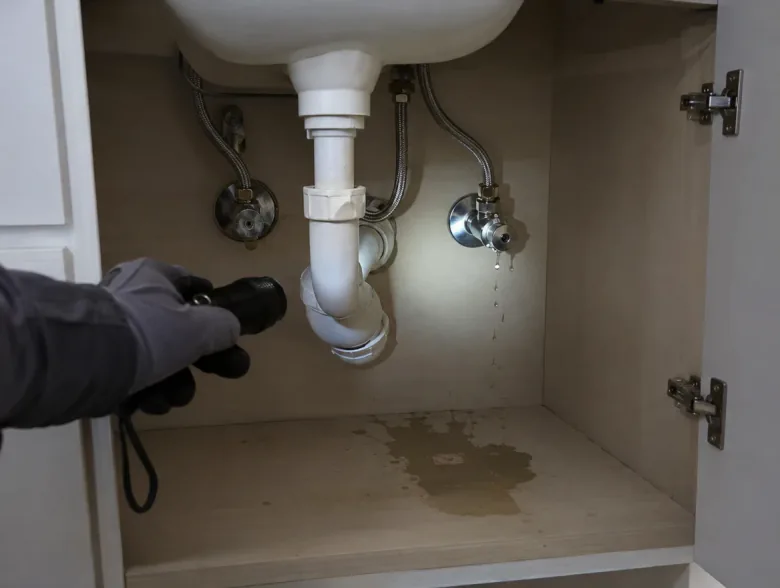
We tell rising ground damp from a hidden pipe leak, condensation and a roof leak apart, because each needs a different treatment.
- 4
Certified report after inspection
You receive the inspection result in writing, with the damp's location and likely cause, and you decide the next step.
Treatment starts with knowing the cause
- We take your request by phone call or WhatsApp message
- We reach Ar Rabwah District as we reach every city and centre of Al-Ahsa
- We check walls, ceilings and floors with instruments without breaking anything
- We tell rising damp, a pipe leak and condensation apart
The service in Ar Rabwah District
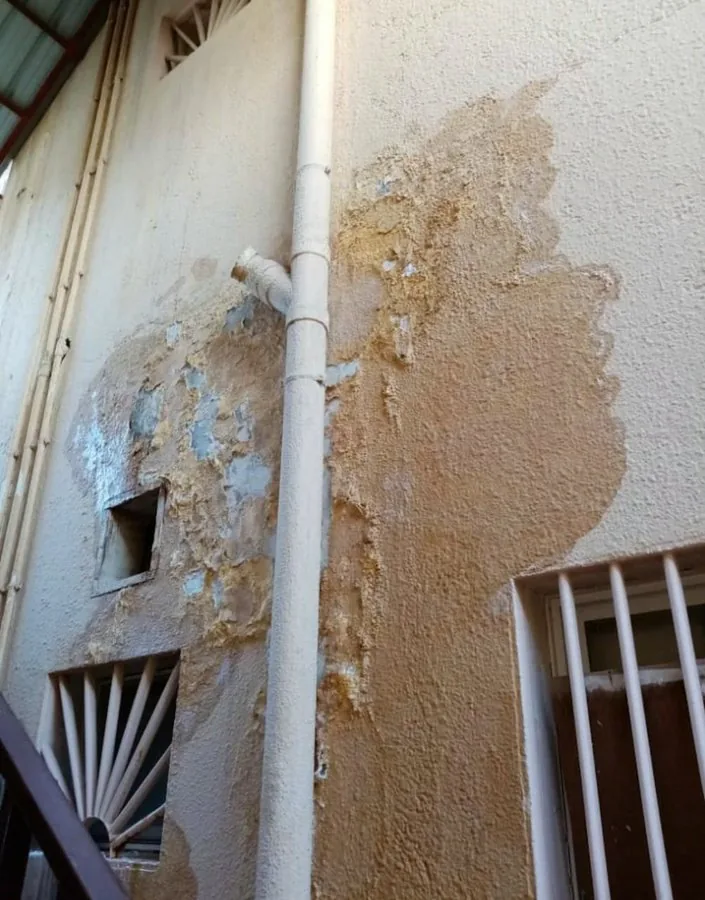
In a district like Ar Rabwah, damp in lower floors or around the foundation is common, especially in Al-Ahsa where groundwater is salty and close to the surface. Wet patches on lower walls or white salts on them are clear signs. Technicians inspect the wall inside and out and the joints between blocks, then determine whether water comes from groundwater, pipe leaks or soil moisture. Once the source is known, walls are treated with moisture and salt barriers.
Ar Rabwah District is a district in Al-Ahsa governorate in the Eastern Province, close to Al Majidiyah District, Al Salmaniyah Forth District and Ghirnatah District.
The first inspection determines whether damp comes from the foundation, pipes or groundwater, and each source needs a different treatment.
If you are near Ar Rabwah District, in Al Majidiyah District, Al Salmaniyah Forth District and Ghirnatah District for example, the service reaches you there too.
Our portfolio
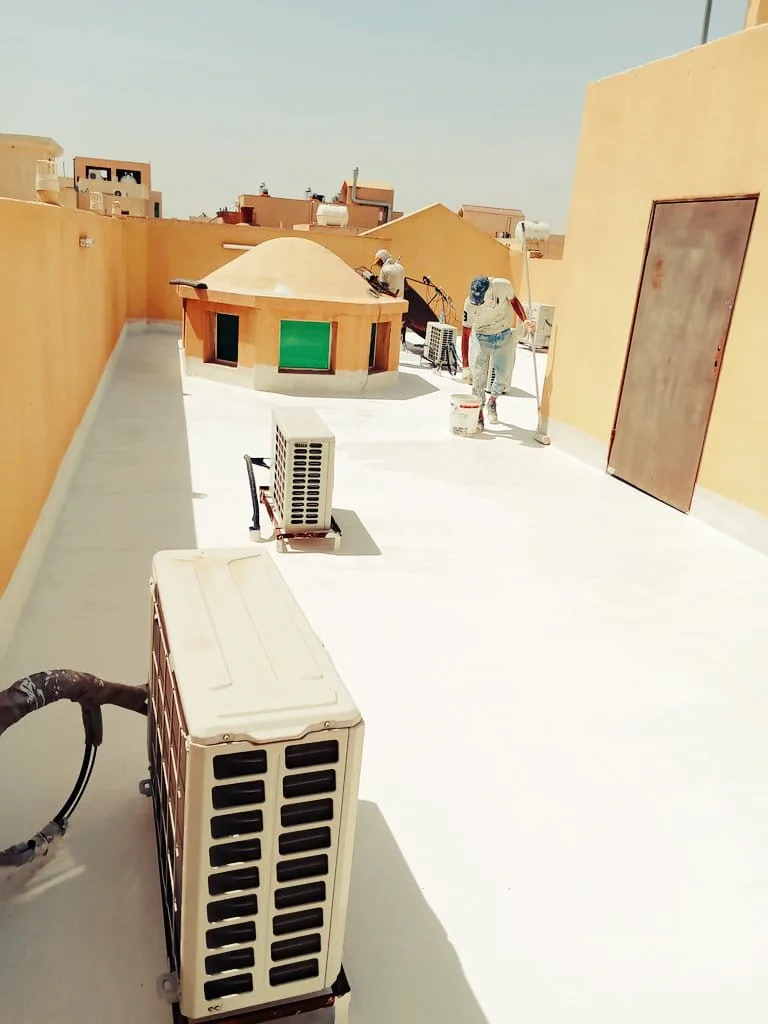
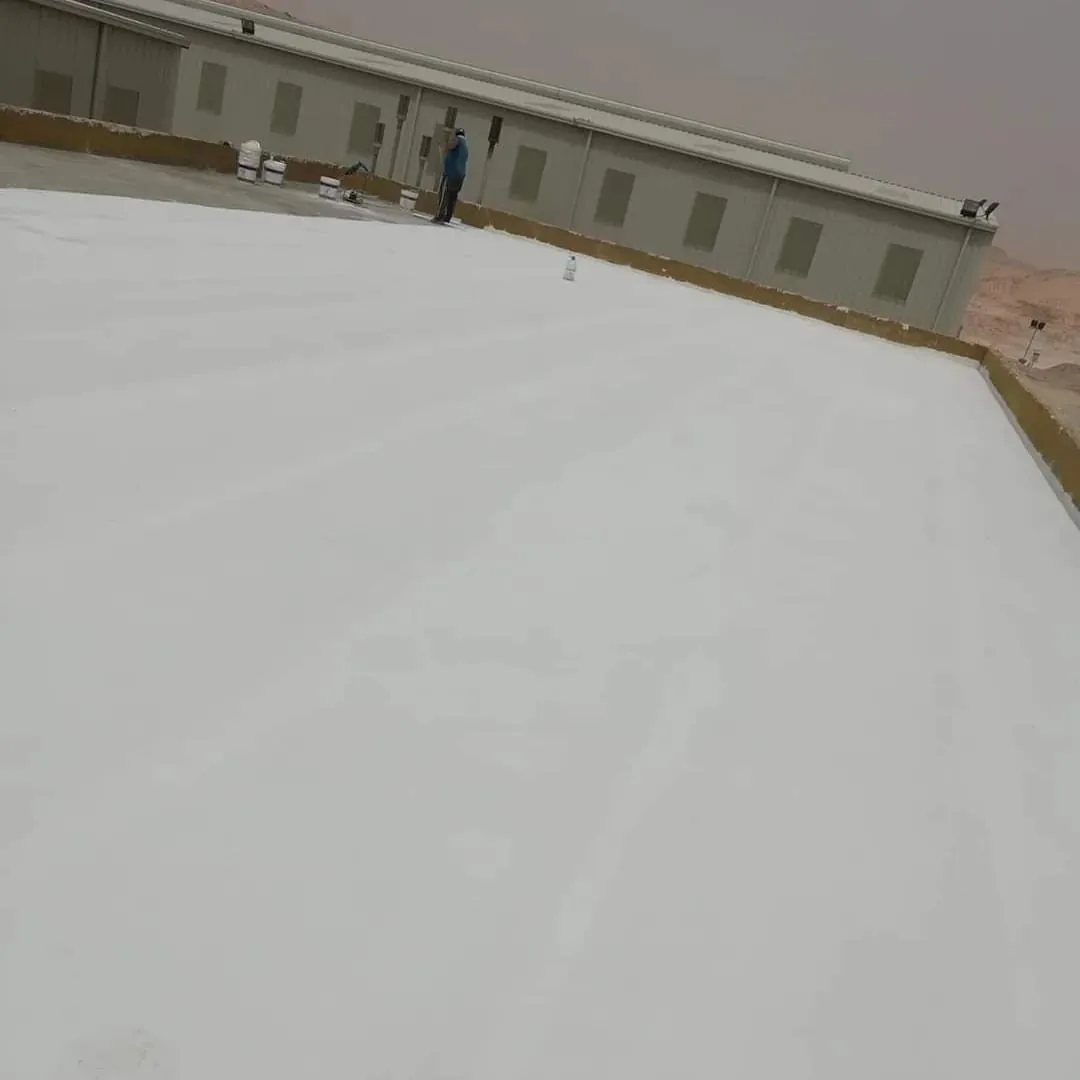
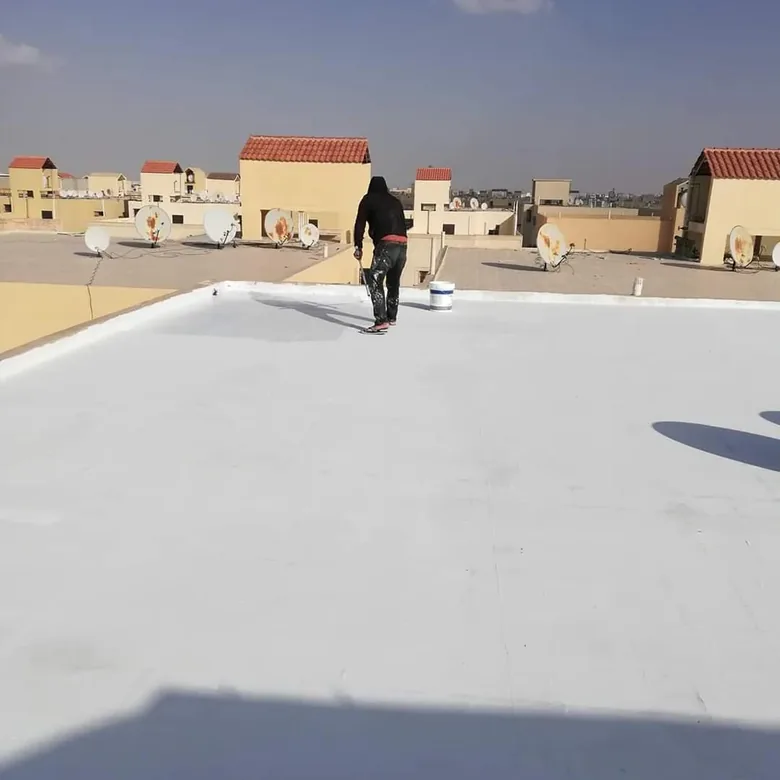
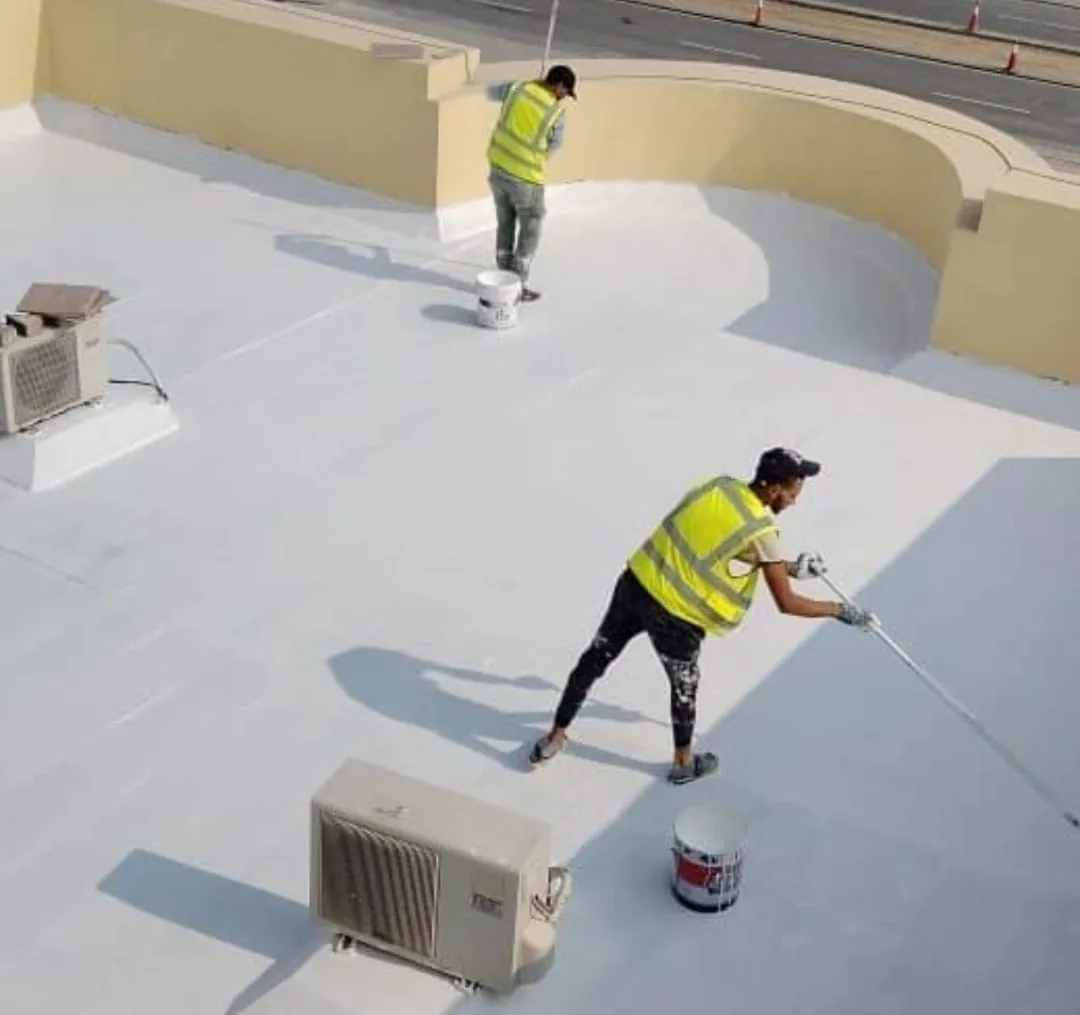
What our customers say
- ★★★★★
شكرا على التواصل السريع
- ★★★★★
شركه ممتازه
- ★★★★★
ممتاز والخدمة ان شاء الله تكون قد التوقعات
Reviews are shown as the customers wrote them, in Arabic.
Questions about Damp & moisture detection and treatment in Ar Rabwah District
White patches are natural salts from soil or groundwater that deposit on the wall with moisture. Finding the source determines whether salts will return after cleaning or whether treating the damp will stop them.
Say where the wet patches are in the house, whether they are on the ground floor or above, and whether by an outside wall or inside, and send a photo on WhatsApp if you can.
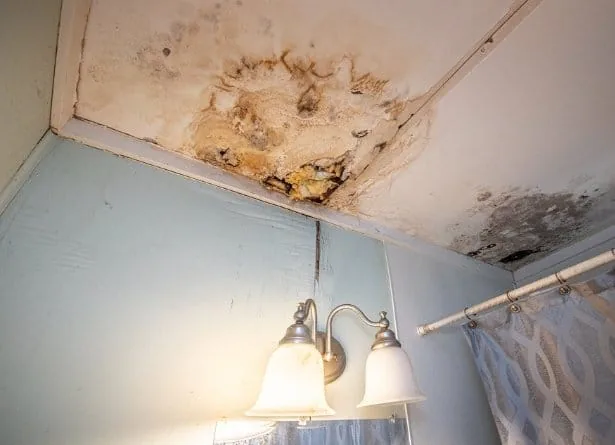
Tell us where the patch is, whether on a wall, ceiling or floor, and whether it is near a bathroom, a kitchen or an outside wall. Tell us if there is a smell, salt or mould with it, when you first noticed it, and whether it changes in size. These details help us decide which inspection suits your case.
Yes. Ar Rabwah District is one of our service areas in Al-Ahsa, together with Al Majidiyah District, Al Salmaniyah Forth District and Ghirnatah District.
Because the paint covers the surface but does not stop the water behind it. As long as the source, whether a leak, rising damp or condensation, is still active, moisture finds its way through again. Proper damp treatment starts with knowing where the water comes from, then stopping the source, then treating the damaged surface.
When mould returns in the same spot after cleaning and is not linked to a season or poor ventilation, it usually signals ongoing damp in the structure itself rather than passing condensation. Mould in a single corner, along a horizontal line at the base of a wall, or near a hidden water source is worth inspecting to find out what lies beneath it.
More services in Ar Rabwah District
Damp & moisture detection and treatment in nearby areas