From your call to the source
- 1
Describe what you see
From Al ’Uqayr, one call or WhatsApp message at any hour is enough: tell us what you see and where it shows.
- 2
We inspect with instruments
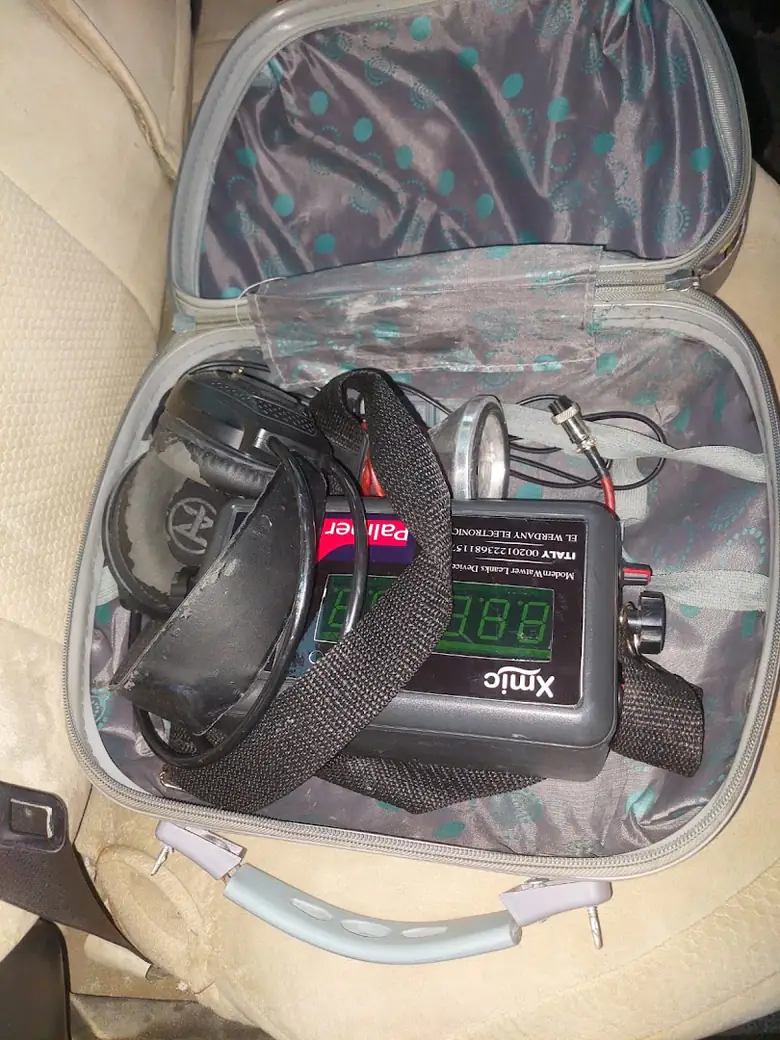
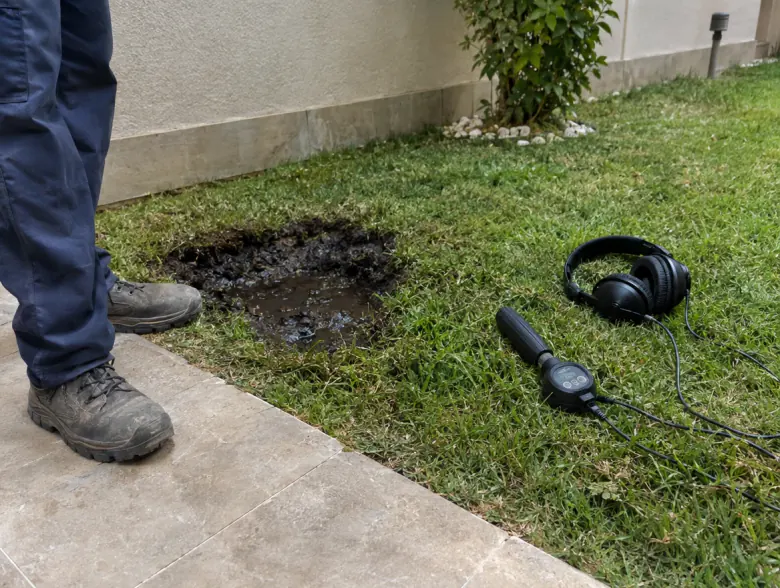
We pass detection instruments over the affected area; thermal and electronic tools show water movement without breaking any surface.
- 3
We identify the source
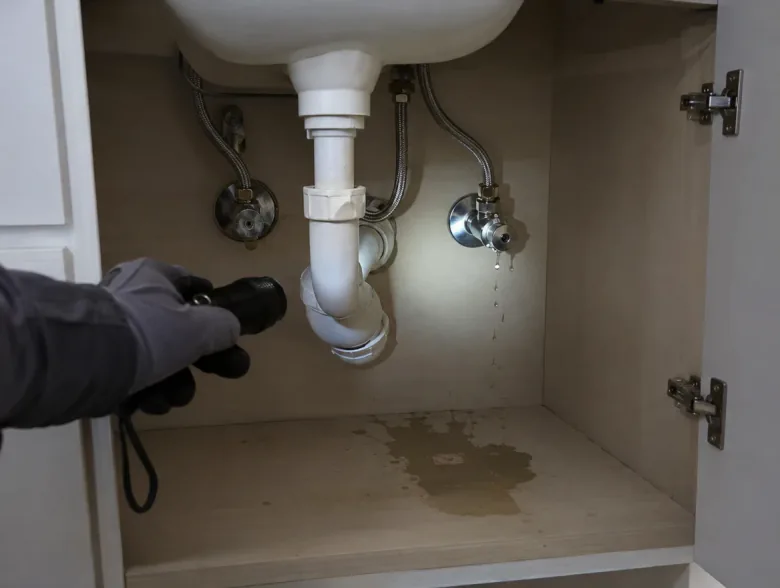
We tell rising ground damp from a hidden pipe leak, condensation and a roof leak apart, because each needs a different treatment.
- 4
Certified report after inspection
You receive the inspection result in writing, with the damp's location and likely cause, and you decide the next step.
Treatment starts with knowing the cause
- We tell rising damp, a pipe leak and condensation apart
- We reach Al ’Uqayr as we reach every city and centre of Al-Ahsa
- We take your request by phone call or WhatsApp message
- We find the source of the damp before any surface treatment
The service in Al ’Uqayr
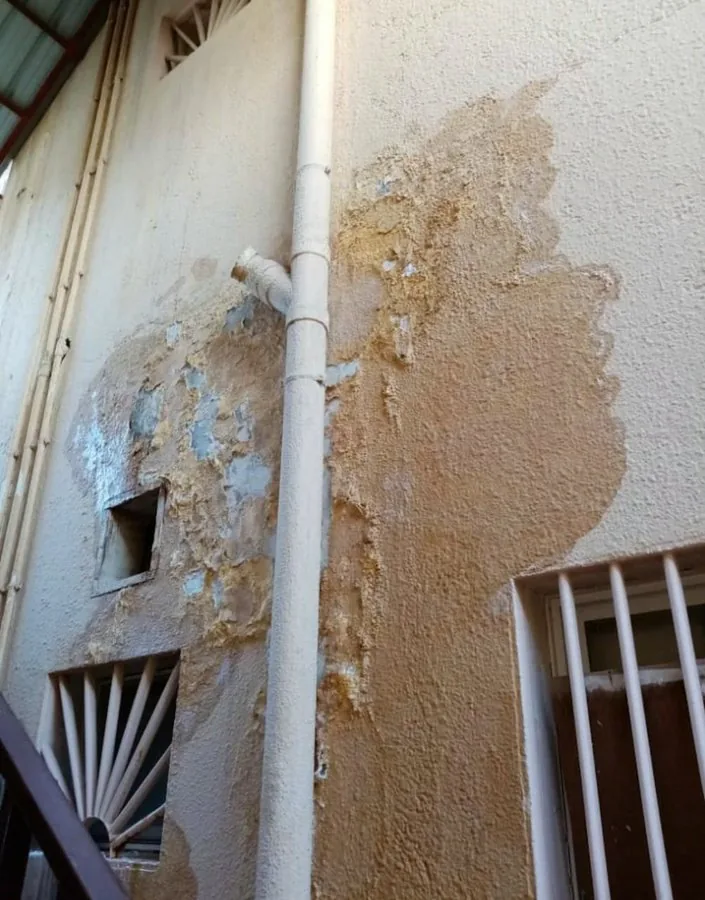
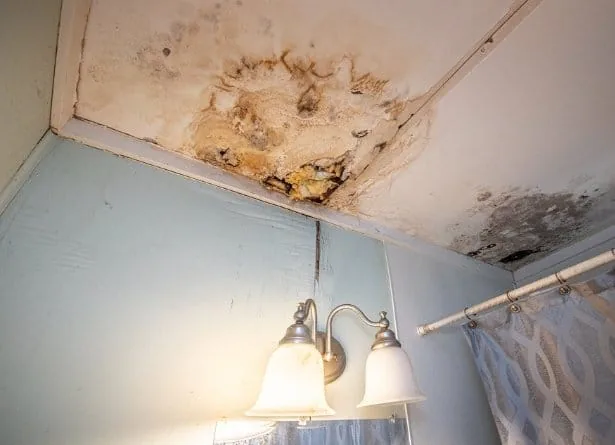
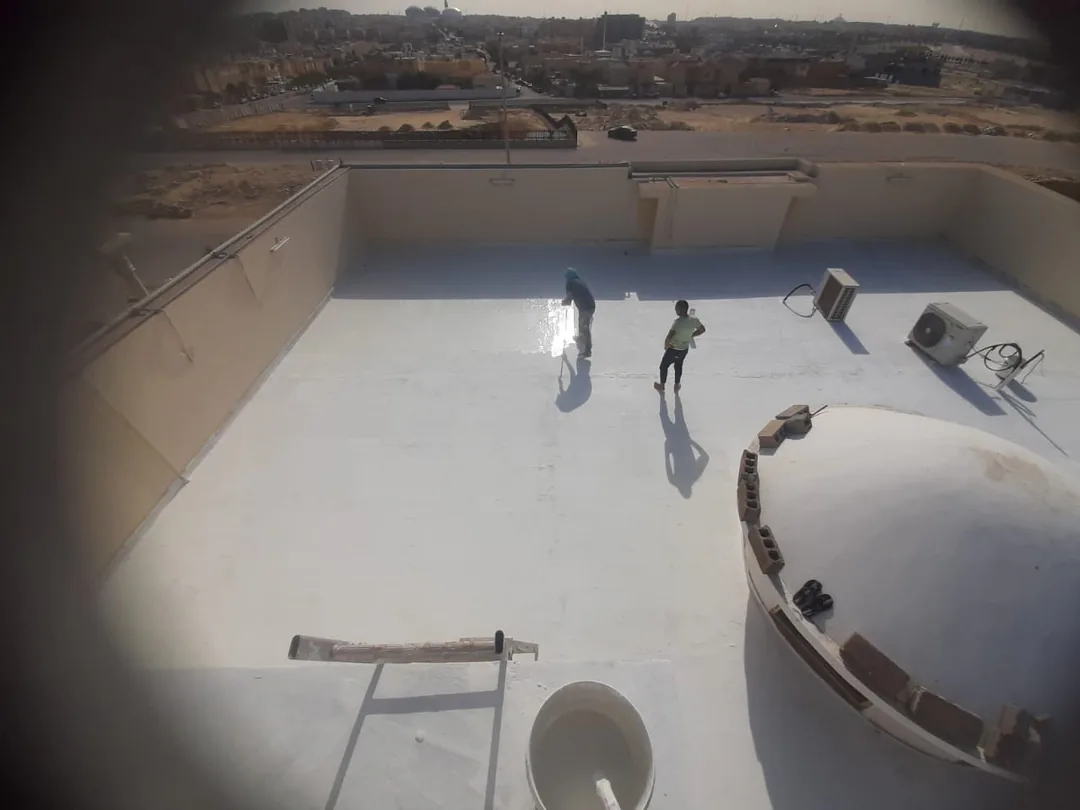
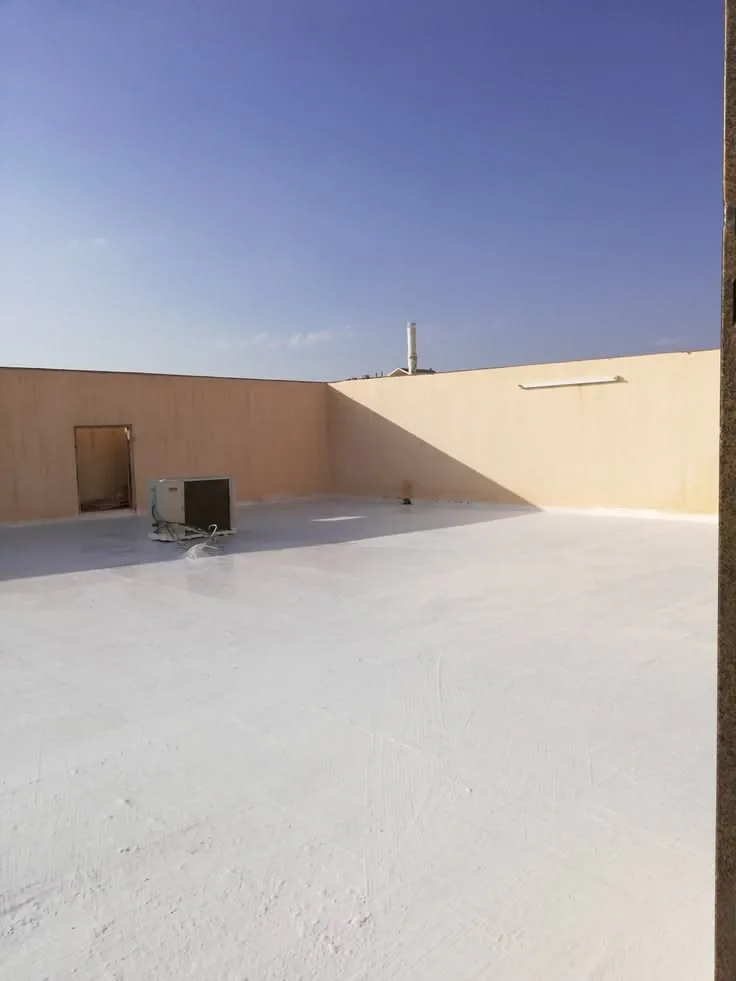
In a village like Al 'Uqayr where salty soil is common, damp usually rises through the foundation and lower walls, and may leave white or brown salt deposits on the surface that weaken paint and material. Work begins with a thorough inspection to pinpoint the damp area and its source, whether it is seepage from outside or water rising from the ground. Then the walls are cleaned of salts, cracks are repaired, and a waterproof layer is applied according to the problem type.
Al 'Uqayr is a village in Al-Ahsa governorate in the Eastern Province, close to Ibn Dihman, Al Jishshah and Ar Rumailah.
Salt left by groundwater on walls speeds the damage to paint and stone, so it must be removed before any treatment.
If you are near Al ’Uqayr, in Ibn Dihman, Al Jishshah and Ar Rumailah for example, the service reaches you there too.
Our portfolio
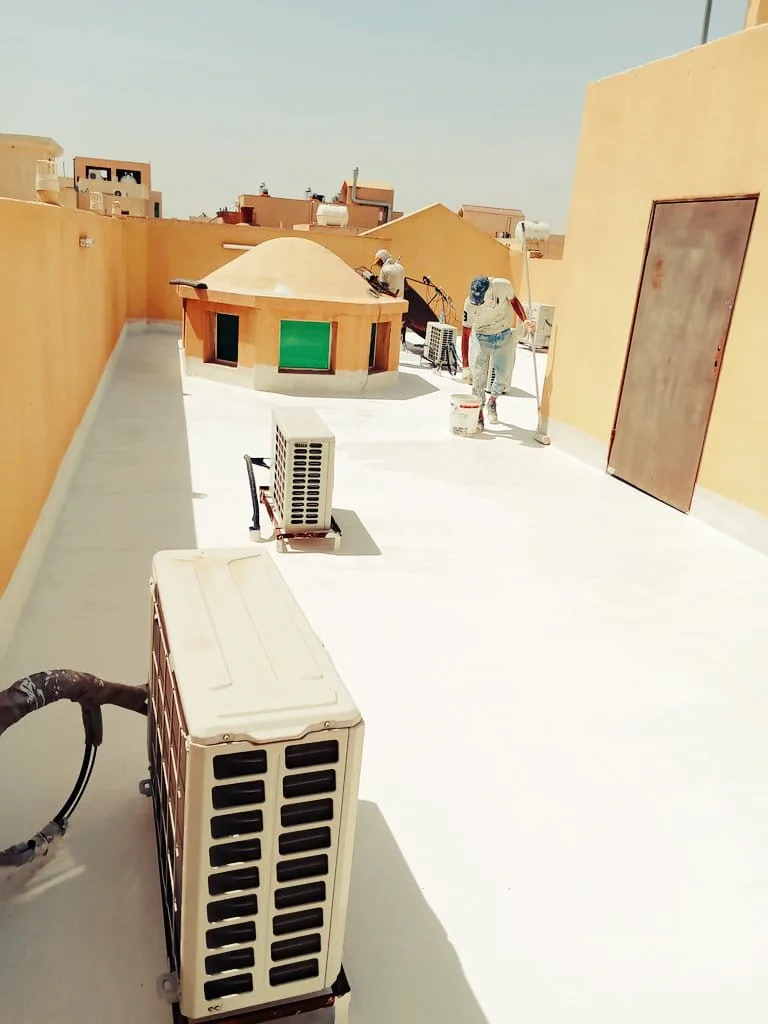
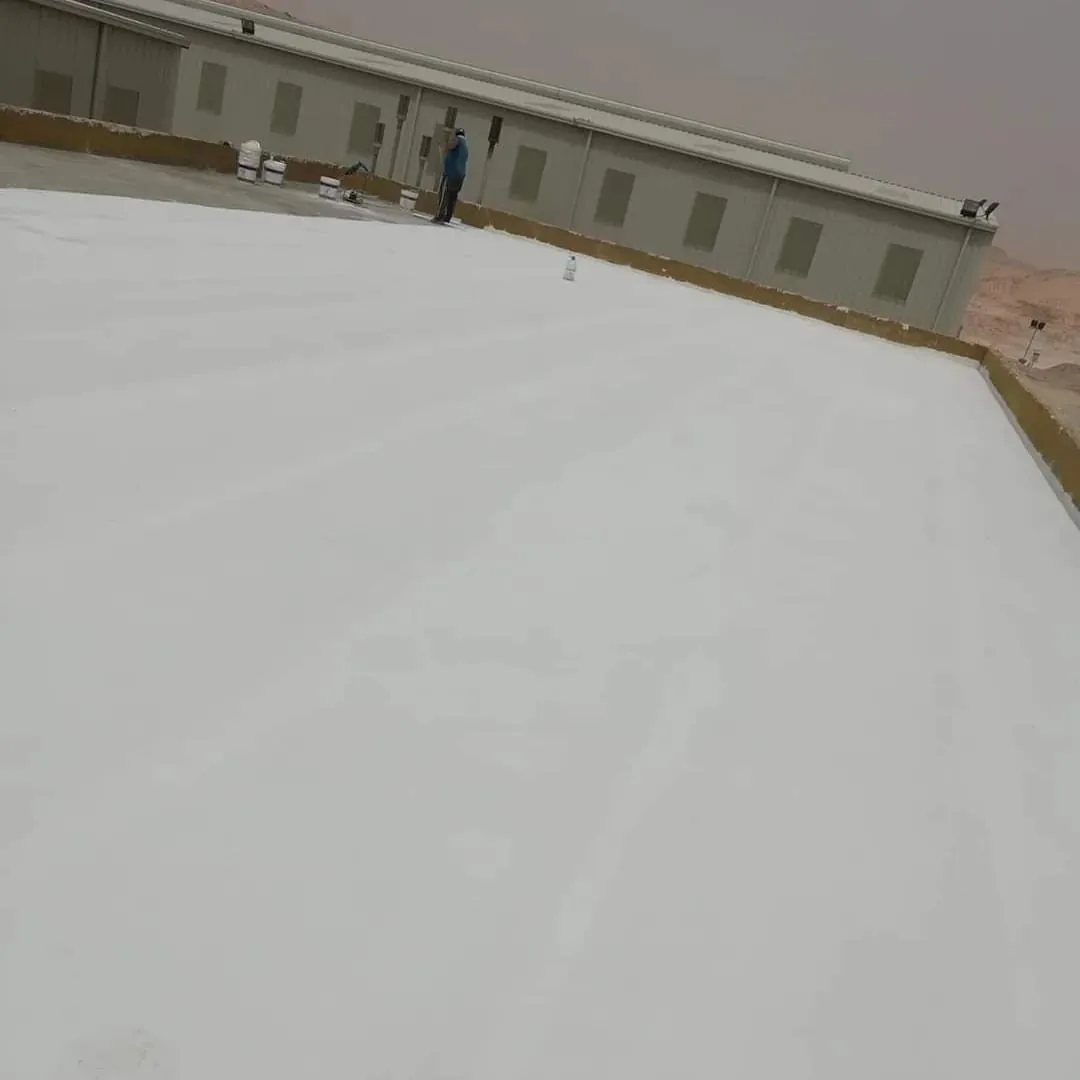
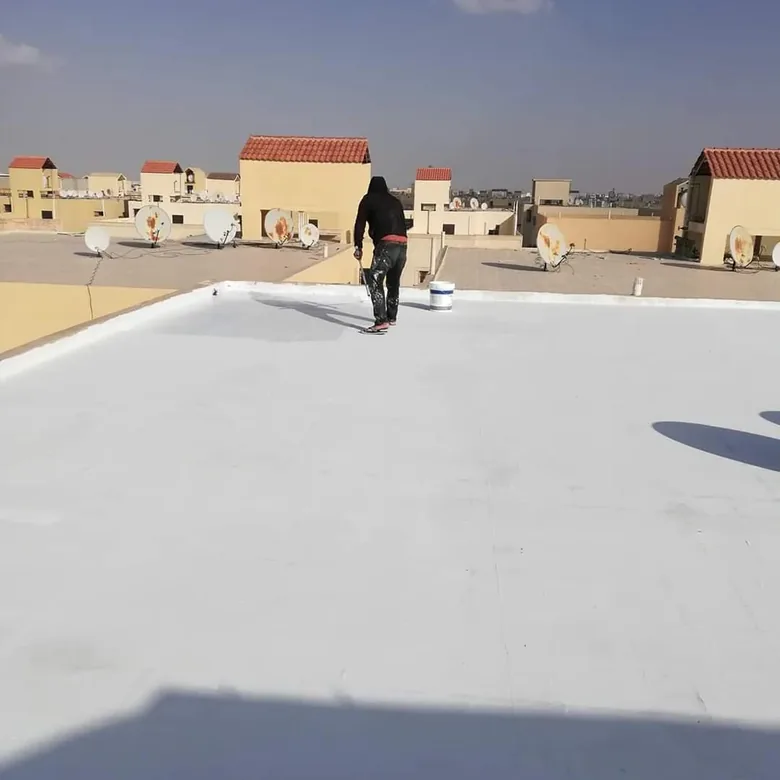
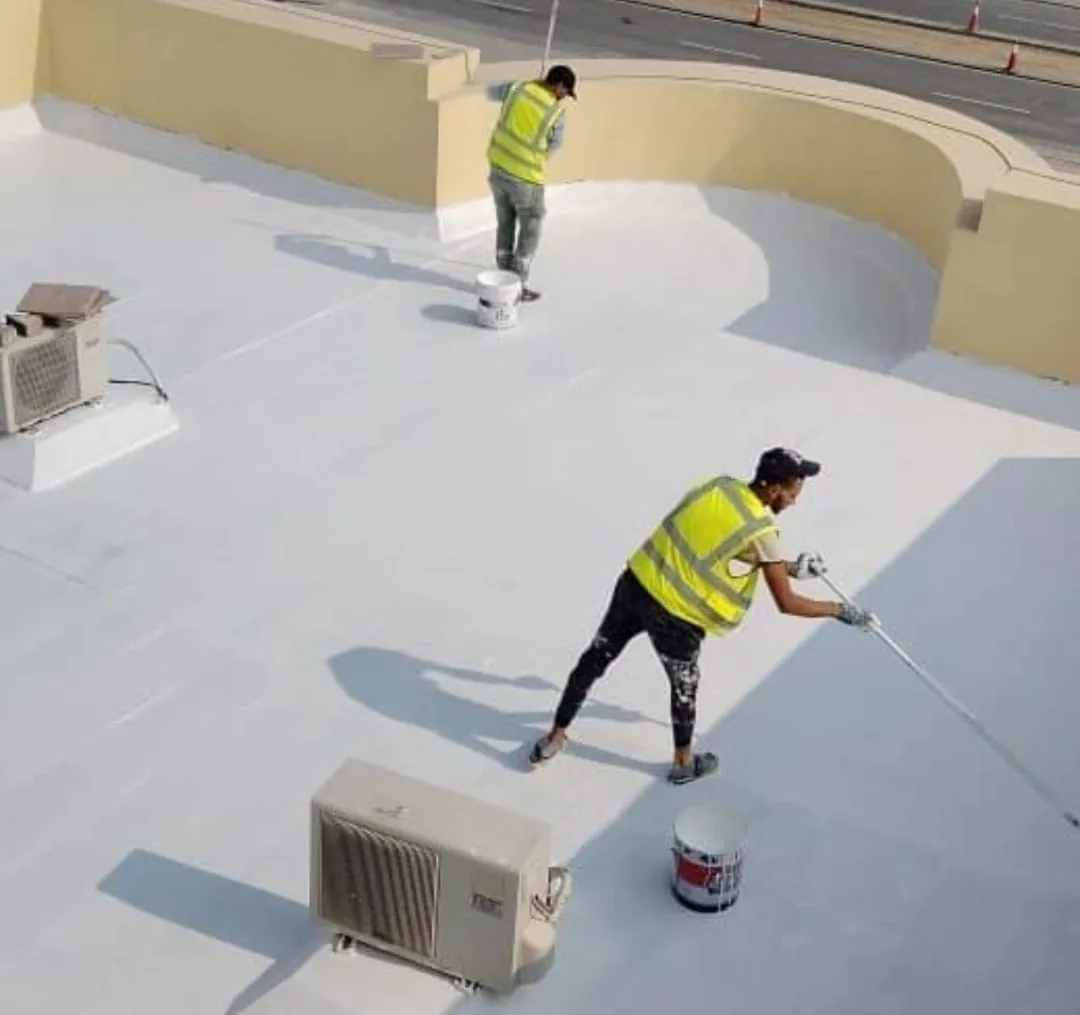
What our customers say
- ★★★★★
شغلهم نظيف وسريعين ومحترمين الله يعطيهم العافيه
- ★★★★★
شكرا على التواصل السريع
- ★★★★★
شكرا على التواصل وصلو في اسرع وقت ممكن
Reviews are shown as the customers wrote them, in Arabic.
Questions about Damp & moisture detection and treatment in Al ’Uqayr
If the stains are white or brown and dry, they are usually salt left by salty groundwater. If they feel damp or grow over time, moisture is still rising from the ground. Detection confirms the situation.
First the source of damp is detected and its entry point pinpointed, then walls are cleaned of salt and loose material, cracks are repaired and walls are sealed with a strong waterproof coating, because salt returns on its own if water is not stopped.
Rising damp usually appears at the lower part of the wall and is often accompanied by white salt marks; it tends to worsen in humid periods. A pipe leak can appear anywhere on the wall, and you may hear a faint sound of water or notice a higher water bill. Instrument inspection is what tells them apart reliably.
Yes. Al ’Uqayr is one of our service areas in Al-Ahsa, together with Ibn Dihman, Al Jishshah and Ar Rumailah.
When mould returns in the same spot after cleaning and is not linked to a season or poor ventilation, it usually signals ongoing damp in the structure itself rather than passing condensation. Mould in a single corner, along a horizontal line at the base of a wall, or near a hidden water source is worth inspecting to find out what lies beneath it.
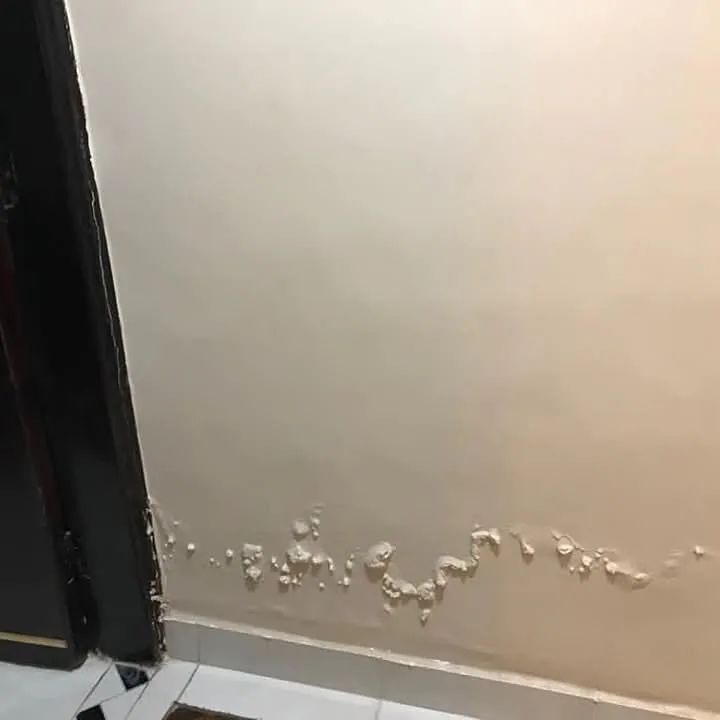
White salt marks, or efflorescence, form when water carries salts to the surface, evaporates and leaves them behind. Their presence means water is moving through the wall material continuously, which weakens the plaster over time. Treating damp starts with stopping the water movement before the wall surface is addressed.
More services in Al ’Uqayr
Damp & moisture detection and treatment in nearby areas