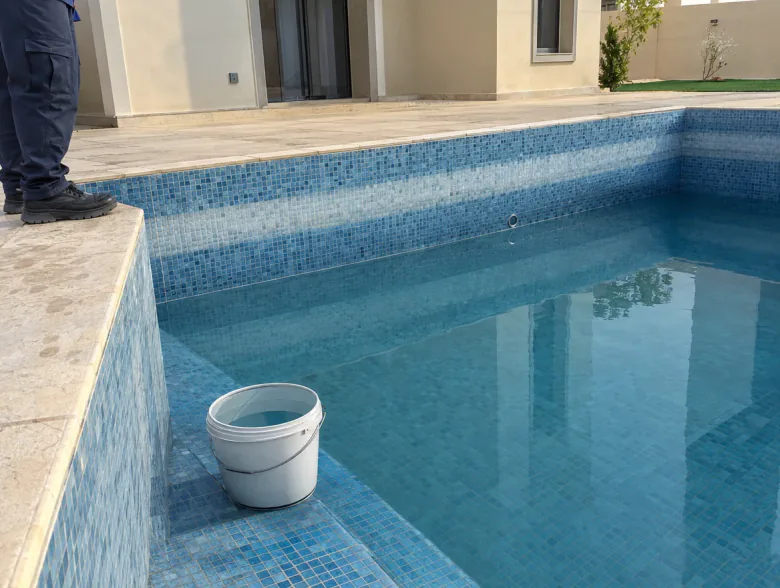
What pool leak detection includes
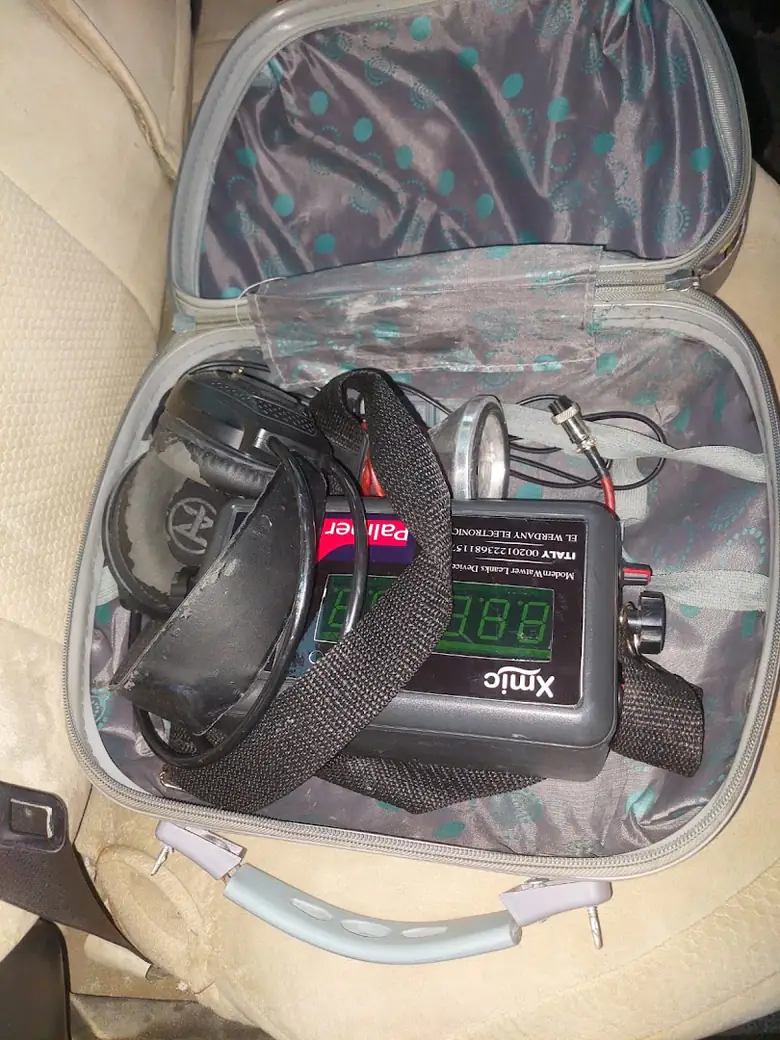
- Checking the drain, skimmer and return fittings with electronic detection instruments
- Checking the shell walls and floor with instruments for fine cracks and tile joints that have lost their sealant
- Distinguishing evaporation loss from a real leak based on inspection findings
- Recording the pool leak's location and cause in a certified report handed over once the inspection is complete
From your call to finding the source
- 1
Tell us what you see
WhatsApp or call us, mention that you are in Umm Rubay’ah and describe the problem as you see it.
- 2
We check the shell and joints
We check the pool walls and floor for fine cracks and tile joints that have lost their sealant, as these are common entry points for leaks.
- 3
We check fittings and pipes
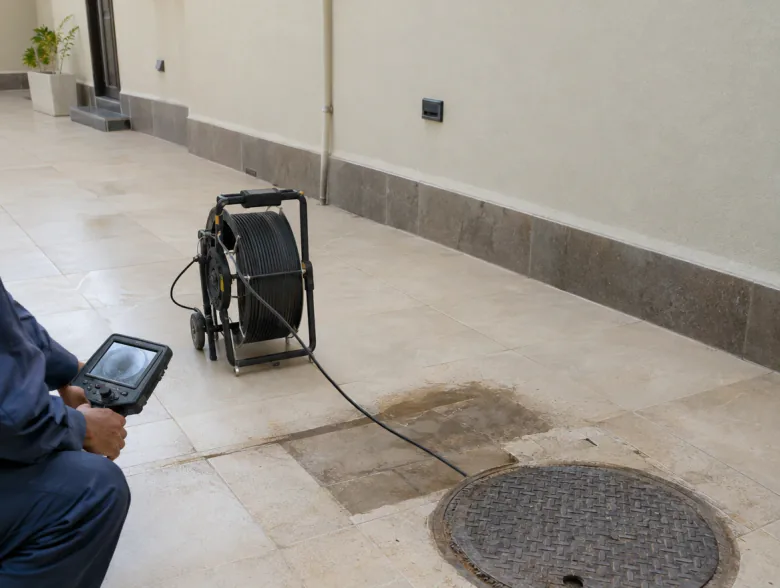
We check the drain and skimmer connections, the return fittings and the pump room, then the circulation pipes running outside the shell, with electronic instruments and no breaking.
- 4
You receive a certified report
After inspection you receive the result in writing, with the leak's location and cause, and you decide the next step in treating the pool leak.
Relax, the source can be found
- We take your request by phone call or WhatsApp message
- We tell normal evaporation from a real leak
- We take requests from Umm Rubay’ah 24 hours, 7 days
- We find the leak without breaking the shell
The service in Umm Rubay’ah
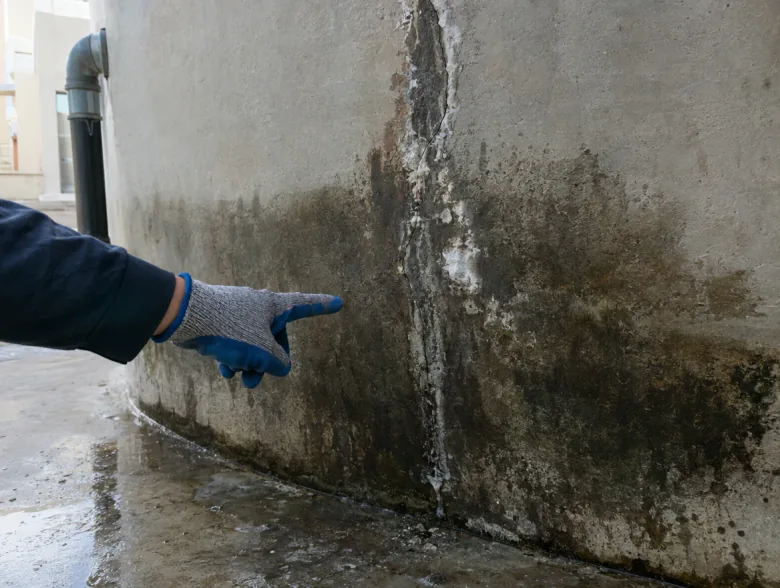
Pools in a village like Umm Rubay'ah are usually small and sit close to the deep groundwater. Leaks often come from joints and corners or from damp pressure outside the pool, especially in the lower walls. Detection starts by measuring daily water loss, then locates the leak without breaking anything. Salts in Al-Ahsa can seep through the outside of the pool walls even if the inside has no leak.
Umm Rubay'ah is a village in Al-Ahsa governorate in the Eastern Province, close to Umm al Hamam, UmmTali and 'Uray'irah.
In villages where groundwater is high, leaks from under the pool are more common than leaks from the walls.
The service is not limited to Umm Rubay’ah: we also reach Umm al Hamam, UmmTali and ’Uray’irah nearby.
Our portfolio
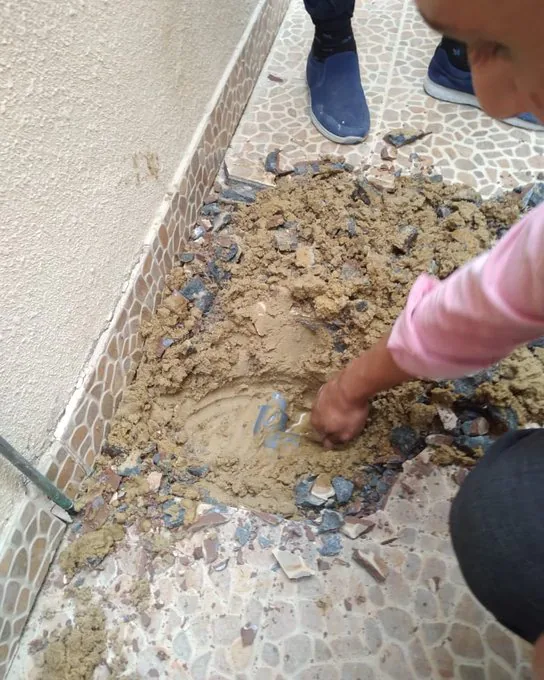
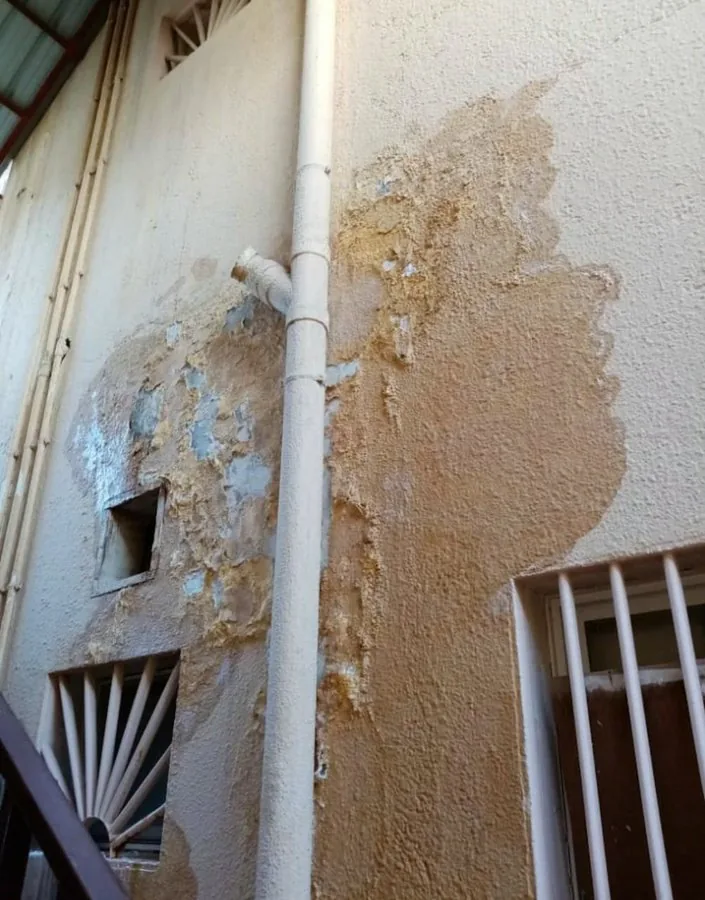
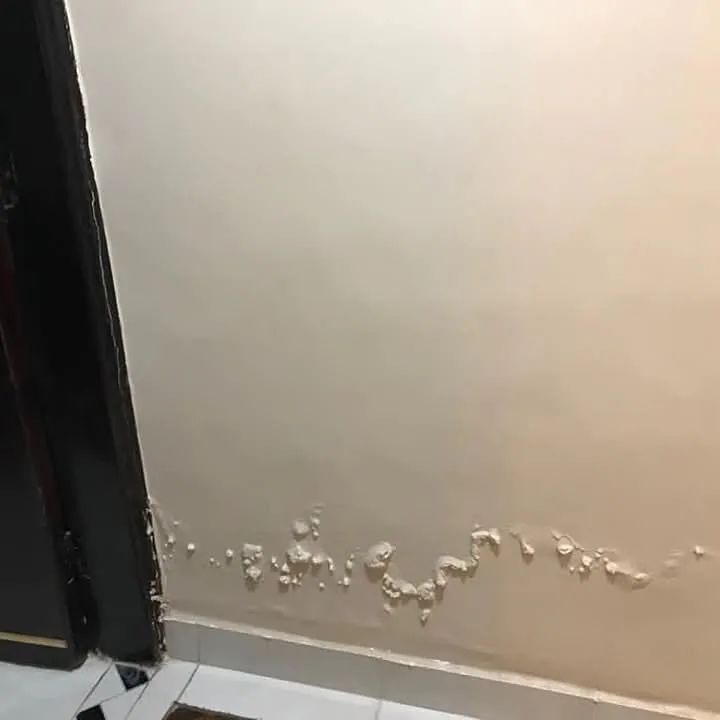
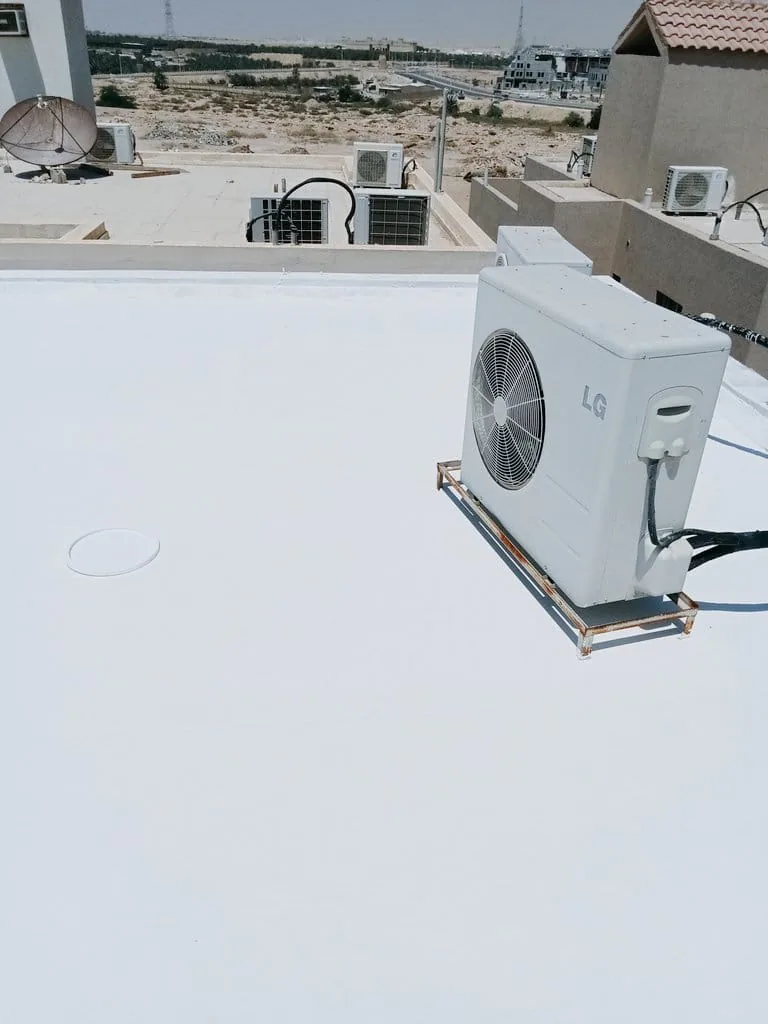
What our customers say
- ★★★★★
شغلهم كويس وناس ممتازه في اسرع وقت
- ★★★★★
شركه ممتازه واشتغلنا معاهم اكثر من مره وجود عاليه ما شاء الله بارك الله فيهم واعمله
- ★★★★★
شغلهم ميه ميه يشكرو عليه
Reviews are shown as the customers wrote them, in Arabic.
Questions about Pool leak detection in Umm Rubay’ah
Rapid water loss is not normal. Close groundwater increases pressure on the pool floor, so even a small crack or weak joint will leak fast. Precise testing finds the exact spot.
Say when you noticed the loss, and whether you see damp patches around the pool outside or salt crusting on the outer walls. Remind them that groundwater here is high and close to the surface, and send a photo on WhatsApp.
Yes. We work 24 hours, 7 days, so call us from Umm Rubay’ah or message us on WhatsApp at any hour.
A leak usually comes from a fine crack in the shell wall or floor, a tile joint that has lost its sealant, or the drain, skimmer or return fittings. The circulation pipes between the pool and the pump room are another common source, and sometimes the pump room itself is where the water escapes. No single spot is always responsible, which is why instrument-based inspection matters.
In most cases, yes. Electronic detection instruments trace where the water goes outside the shell without breaking anything. Where the pipes between the pump room and the pool run, the instruments find the loss point first, so the exact spot is known before anything is opened.
Yes, it is a useful clue. When the level stops at a certain height, it often means the leak opening is near that height, whether it is a tile joint, a drain fitting or a wall crack. That tells us where to begin with the instruments.
More services in Umm Rubay’ah
Pool leak detection in nearby areas