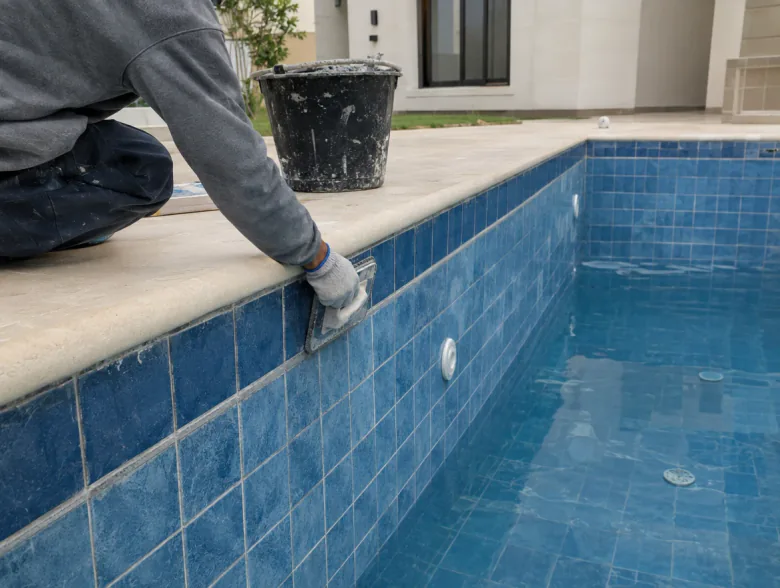
Pool waterproofing after tiling in Al Wurud 3rd District
In Al Wurud 3rd District, pools losing water despite sound tiles need waterproofing from inside. Al Raya inspects the layer under the tiles and treats cracks and joints with water-resistant materials to stop leaks through the pool walls and floor.
What pool waterproofing after tiling includes
- Inspecting the pool walls and floor with instruments to locate the leak
- Checking the tile joints, pipe outlets and pool edges
- Assessing the condition of the waterproof layer behind the tiles and deciding whether to treat from inside or lift the tiles
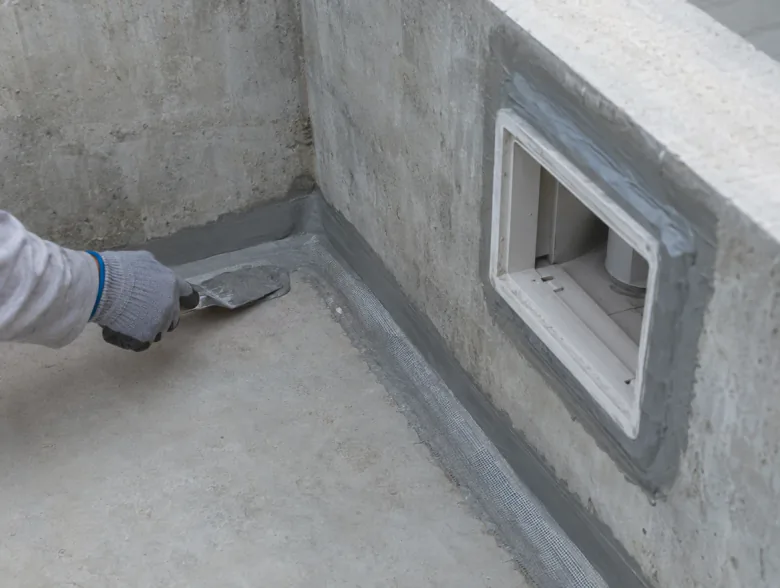
- Treating and injecting worn joints and applying an epoxy coat where that is sufficient
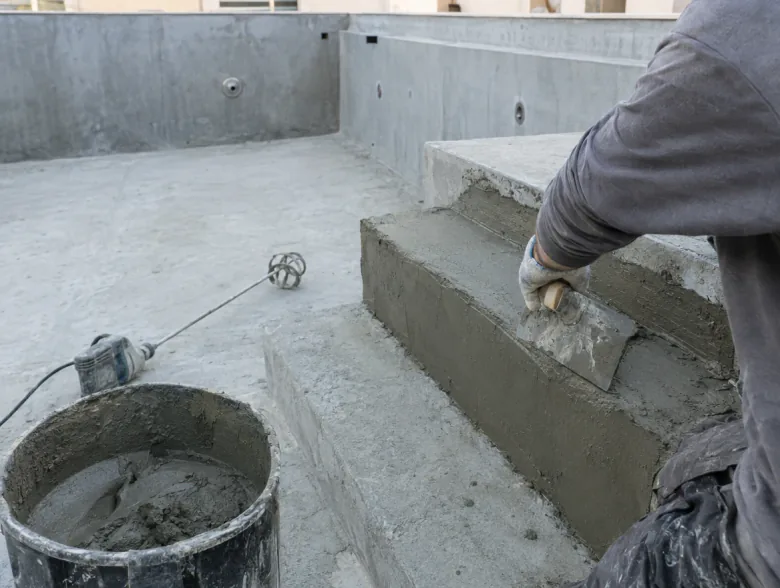
- Lifting tiles, preparing the concrete surface and reapplying waterproofing where the inspection requires it
- Relaying the tiles after the waterproof layer is complete and sealing the edges and joints carefully
From your call to the repair
- 1
Tell us what you notice
Call or WhatsApp us and describe how the water level drops and whether damp appears on the walls around the pool.
- 2
We find the leak
We inspect the walls, the floor, the joints and the pipe openings with instruments to locate where water is leaving, before any treatment decision is made.
- 3
We choose the right treatment
If the fault is in the joints or the waterproof layer alone, it is treated from inside with epoxy without lifting the tiles; if the damage is deeper, the tiles come off and waterproofing is restored directly on the concrete.
- 4
We waterproof and relay the tiles
Surfaces are prepared, cracks and joints are treated, the right waterproof layer is applied and the edges are sealed carefully before the tiles are relaid.
Relax, the leak can be treated
- We locate the leak before any treatment
- We treat from inside when that is enough
- We lift tiles only when it is necessary
- Epoxy is a resin coating that holds against water
- We take your request by phone call or WhatsApp message
The service in Al Wurud 3rd District
Pools in a district like Al Wurud 3rd are usually built from concrete and lined with tiles, and water leaking from them comes not through the tiles themselves but from behind them, where cracks and joints exist in the concrete or around inlet and outlet pipes. Inspection begins by locating where the water leaves and measuring the loss, then the current layer and the joints between tiles are checked, as well as the pool floor. After the surface is prepared, cracks and joints are filled with epoxy or bitumen materials under the tiles to stop leaks from inside without removing the tiles.
Al Wurud 3rd District is a district in Al-Ahsa governorate in the Eastern Province, close to As Suqur District, Al Hada District and Al Matar District.
Water usually leaks at the lower corners of the pool and around inlet and outlet pipes because these points move more than other areas.
Our portfolio















What our customers say
- ★★★★★
شركة ممتازة تستحق التعامل معها بشكل مستمر
- ★★★★★
شكرا على التواصل وصلو في اسرع وقت ممكن
- ★★★★★
شكراً لخدمتك الجميلة
Reviews are shown as the customers wrote them, in Arabic.
Questions about Pool waterproofing after tiling in Al Wurud 3rd District
Sometimes yes, sometimes no. If the fault is in the joints between the tiles or in a thin layer of old bedding mortar, the joints are treated and an epoxy coat is applied from inside without lifting the tiles. But if the original waterproof layer on the concrete is damaged or was never there, lifting the tiles becomes necessary to reach the surface that needs waterproofing.
Put a container of water on the pool edge and watch how both drop over a stretch of similar days. If the pool level falls noticeably faster than the container, a leak is the likely cause. Evaporation alone rarely explains a fast, regular drop in level, especially if the pool is covered for part of the time.
Sound tiles do not stop water reaching the concrete if the joints between them have worn away or if the waterproof layer behind them is damaged. Water moves through the joints or behind the tiles and travels inside the concrete until it exits through the other side of the wall. That is why the damp appears on the adjacent wall and not on the tile surface itself.
It becomes necessary when the inspection shows that the original waterproof layer on the concrete is absent or has broken down across a wide area, or when there are cracks in the concrete itself that need direct treatment. Treating the surface from inside without lifting the tiles in these cases does not reach the real source of the problem.
Tell us roughly how fast the water level drops, whether damp appears on the surrounding walls or the floor around the pool, and whether you have noticed loose tiles or worn joints. It also helps to mention how old the pool is and when it was last maintained. This information helps us assess the scope of the work before we visit.
If water level drops constantly and the tiles show no cracks, the problem is under the tiles. Call Al Raya to measure the leak rate and find the exact location before treatment begins.
Say when the leak started, whether it was after the pool was filled or before, and whether you saw dampness or cracks around the floor or walls, and send a photo if you can.
More services in Al Wurud 3rd District
Pool waterproofing after tiling in nearby areas
